





 Portuguese
  English
  Spanish
  3 min of reading
  0 comments


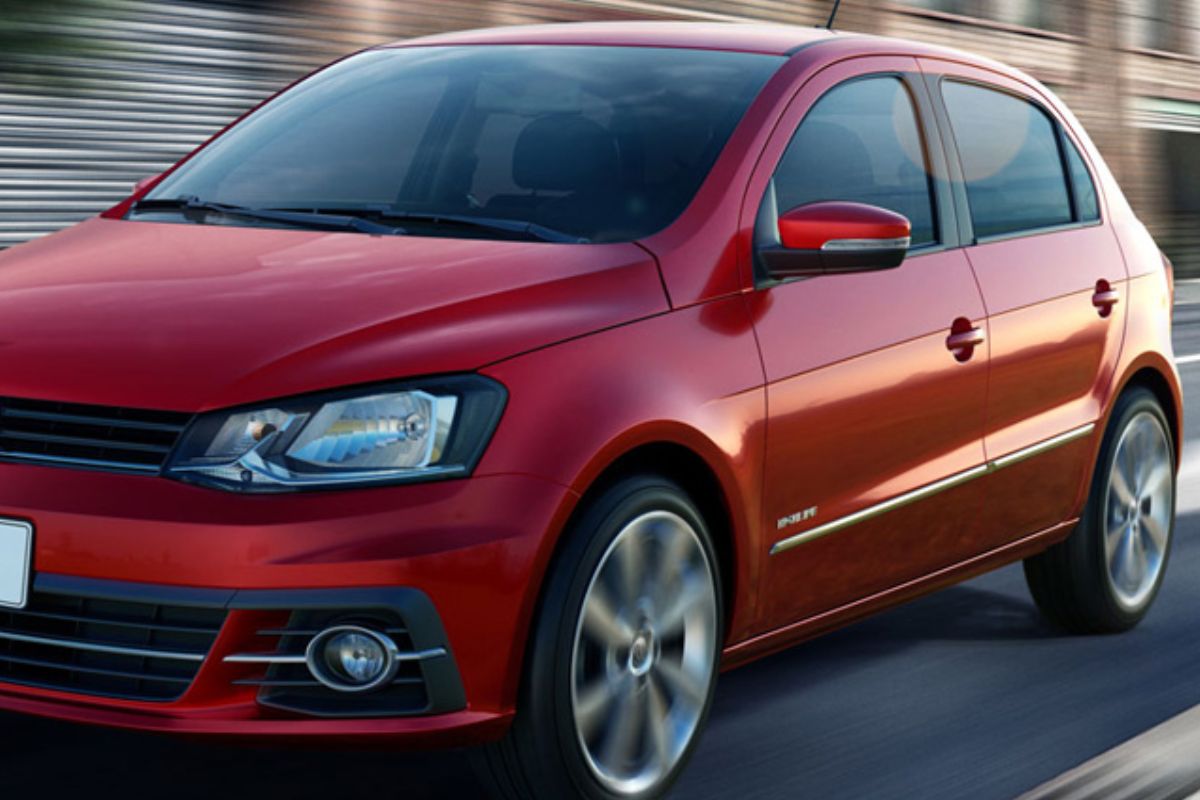
When Thinking of Exporting Brazilian Cars, Luxury Models or Pickup Trucks May Come to Mind. However, the Title of the Most Sold National Car Outside Brazil Belongs to the Popular Volkswagen Gol.
The Volkswagen Gol, an icon of the Brazilian automotive industry for 42 years, not only powered generations of Brazilians but also achieved a remarkable feat: it became the most sold national car outside Brazil (the most exported) in history. Surprisingly, this title does not belong to a luxury sedan or a robust pickup truck, but to a vehicle designed to be accessible.
Many May Be Surprised to Know that the most sold national car outside Brazil is not a sophisticated model or an imposing pickup. The Title Belongs to the Volkswagen Gol, a popular vehicle launched in 1980 and produced for 42 years, with a total of 8.6 million units manufactured. Its export history is an example of how a car designed for Brazil could succeed globally.
The Trajectory of the Volkswagen Gol
The success of the Gol began in Brazil, where it was the sales leader for an impressive 27 consecutive years, from 1987 to 2014. This dominance in the domestic market, with millions of units produced (over 7 million by August 2012), created the foundation for its international expansion.
-
OMODA & JAECOO grows in Europe in 2026 with an integrated strategy of sales, innovation, local production, and technological advancement in the United Kingdom, Italy, and Spain.
-
OMODA & JAECOO expands after-sales service in Brazil with competitive maintenance, a 7-year warranty, and high availability of parts for technological SUVs.
-
OMODA & JAECOO appoints Alessandra Souza as executive marketing director in Brazil and accelerates brand expansion with a focus on innovation, networking, and hybrid portfolio.

-
Jaecoo 7 with super hybrid SHS system exceeds 1,200 km of combined range with a 1.5 turbo engine, high-density battery, and intelligent energy management.

By the end of 2012, over 1.1 million units of the Gol had already been exported. In 2017, the Gol was the most exported model by Volkswagen do Brasil, with 73,848 units. Overall, the Gol reached export to more than 65 countries, with Latin America being the primary destination, including key markets such as Argentina, Mexico, Chile, Peru, and Colombia.
Why Has This Most Sold National Car Outside Brazil Conquered So Many Markets?
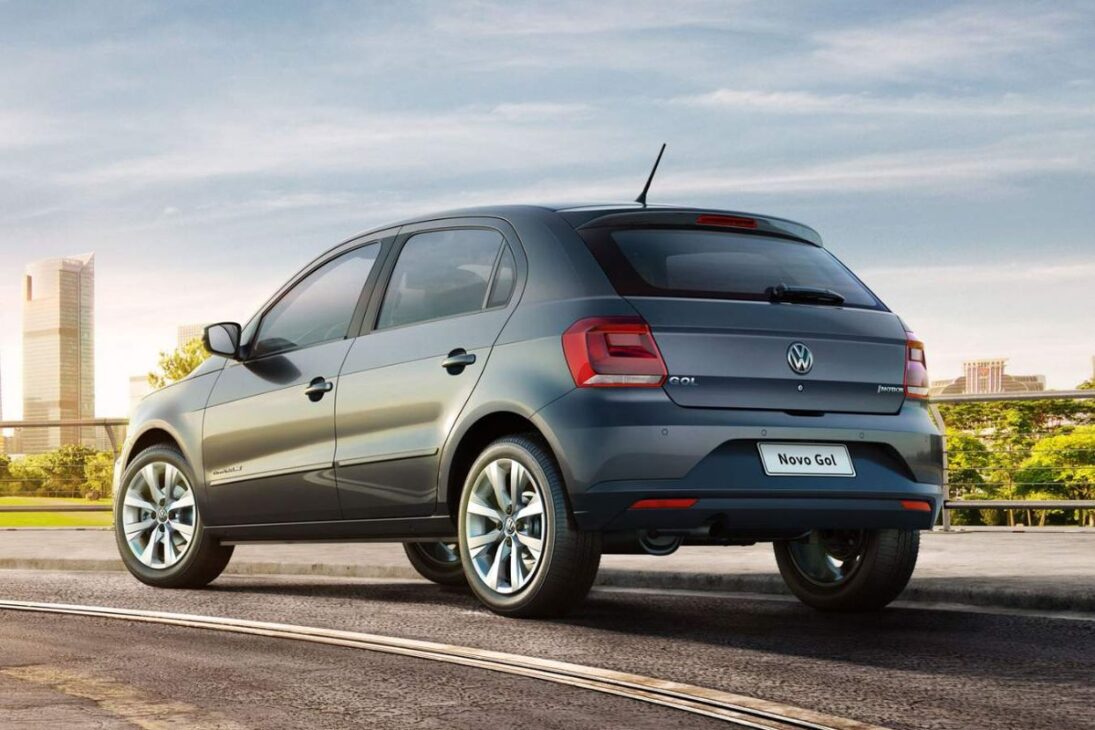
Diverse factors drove the international success of the Gol. Firstly, its intrinsic attributes: mechanical robustness, affordable acquisition and maintenance costs, and a simplicity that translated into reliability, ideal characteristics for the road conditions of many developing countries.
Secondly, the strategic vision of Volkswagen do Brasil, which used its facilities as an export platform for Latin America and other regions. The company invested in developing tailored products, such as the Gol, which did not initially share its platform with global models. Thirdly, the ability to make specific technical adaptations for different markets, such as distinct engine options to meet emission regulations or local preferences, was crucial.
The Gol in the Scenario of Brazilian Automotive Exports, Contextualizing Its Historical Leadership
Although the Gol is the historical leader, other Brazilian models have also found success abroad. The Fiat Strada, for instance, is exported as Ram 700 to Mexico, and other Volkswagen models (T-Cross, Nivus) and brands such as Jeep, Hyundai, and Renault are also produced in Brazil focusing on exports.
However, the historical leadership of the Gol in total units exported by a Brazilian car model is widely accepted, based on consistent coverage from the specialized media and statements from Volkswagen over the decades, despite the difficulty in obtaining detailed official statistics by model from agencies like ANFAVEA.
The Volkswagen Gol “Last Edition” and the Celebration of Its Important Export Legacy


In 2022, Volkswagen announced the farewell to the Gol with the “Last Edition,” limited to 1,000 units. Significantly, 350 of these units were destined for export to countries like Colombia, Bolivia, Uruguay, and Paraguay.
A notable difference was the engine: while the Brazilian version received the 1.0 three-cylinder engine, the export units were equipped with the 1.6 8V engine, reflecting the preferences and regulations (such as Proconve L7 in Brazil) of those external markets. This final decision reinforced the strategic importance that Volkswagen assigned to its international partners.








Seja o primeiro a reagir!