





 Portuguese
  English
  Spanish
  5 min of reading
  1 comment





New Construction Systems Are Changing the Internal Walls of Apartments in Brazil, Combining Cement Boards, High-Density Gypsum, Engineered Wood Panels, and Steel Frame to Improve Resistance, Furniture Fixation, Acoustic Performance, and Speed of Work in Residential Developments.
In new apartments in Brazil, drywall is no longer the sole occupant of the lightweight internal wall space.
Construction companies and developers have started to combine special gypsum boards, cement boards, OSB reinforcements, Wall Panels, and light steel frame structures to better meet moisture requirements, cabinet fixation, acoustic insulation, and maintenance over time.
This trend accompanies the advancement of industrialized steel construction in the country, which recorded a 27.7% growth in the production of profiles for light steel frame in 2023, according to the CBCA.
-
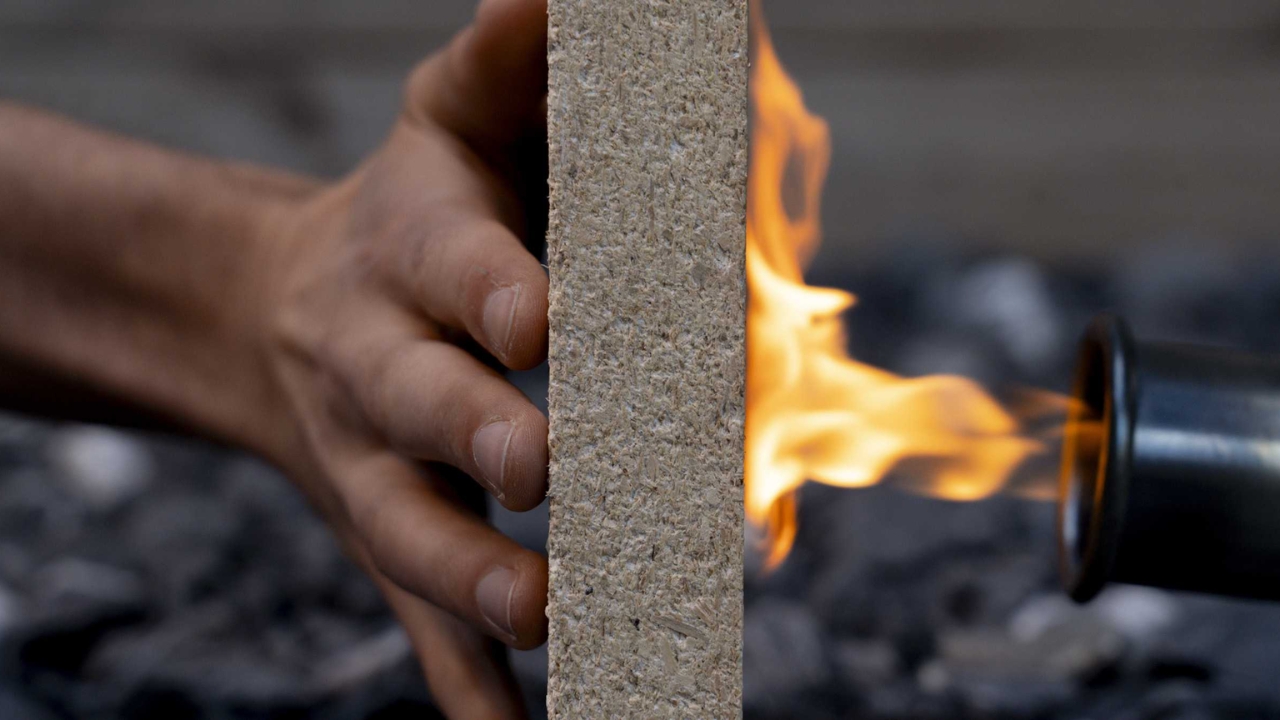
Scientists transform sawdust into fire-resistant panels, stabilize the compound with an enzyme extracted from watermelon seeds, and turn waste into promising material for construction.
-
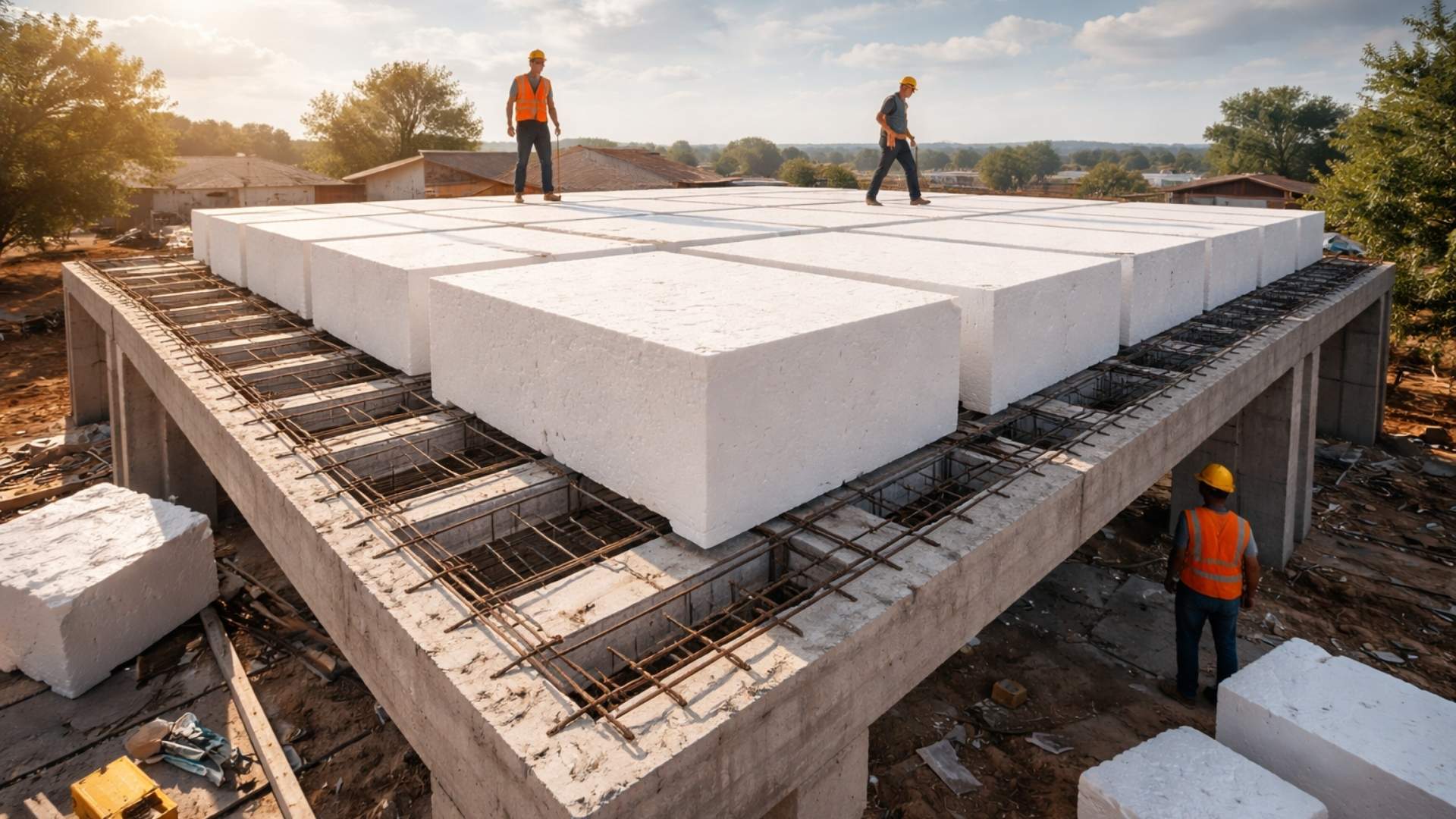
Forget concrete: architects are replacing tons of concrete with giant blocks of expanded polystyrene to build the roofs of houses and reduce structural weight by up to 50%, cut costs, improve thermal insulation, and speed up construction.
-
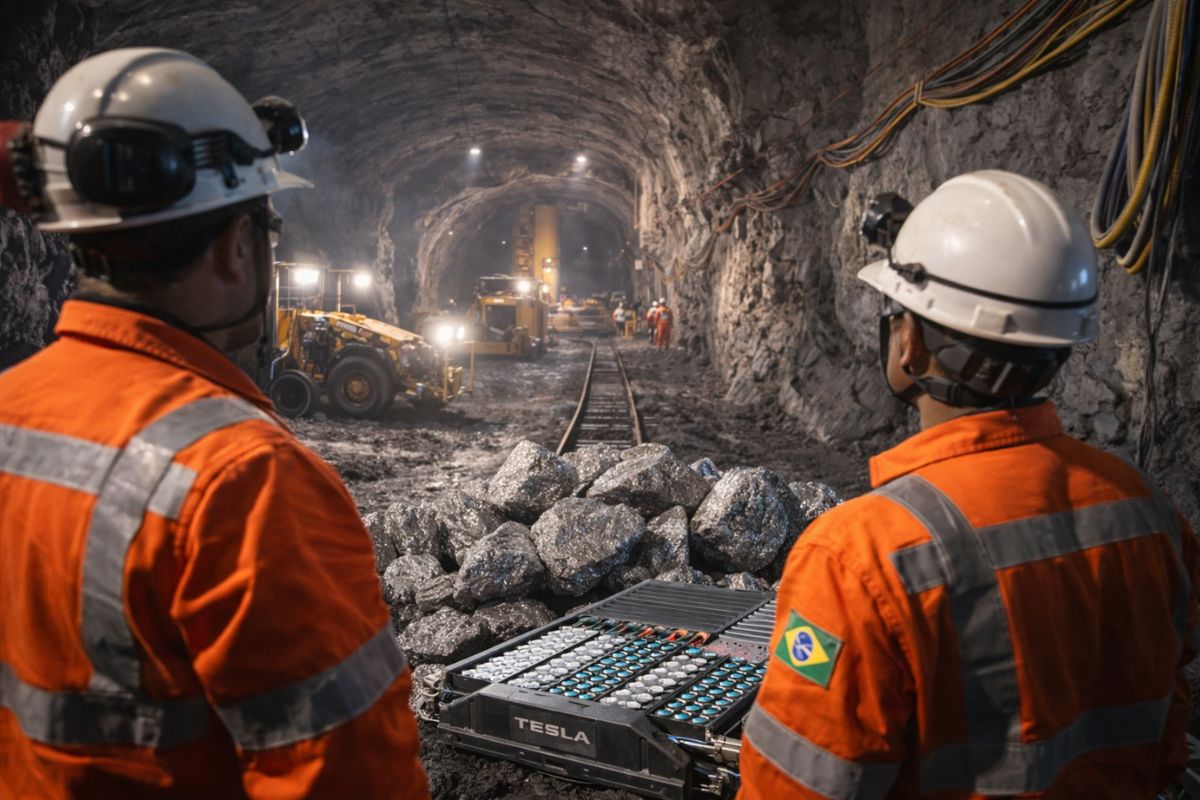
The Brazilian state enters the center of the global race for critical minerals by starting the construction of the largest underground nickel mine in Latin America, a mineral essential for electric car batteries that the entire world is competing for at this moment.
-
New CCR concrete paving technology promises roads up to 3x more durable, less maintenance, and cost reduction in Brazil.


Internal Walls of Apartments Are Undergoing Transformation in the Real Estate Market
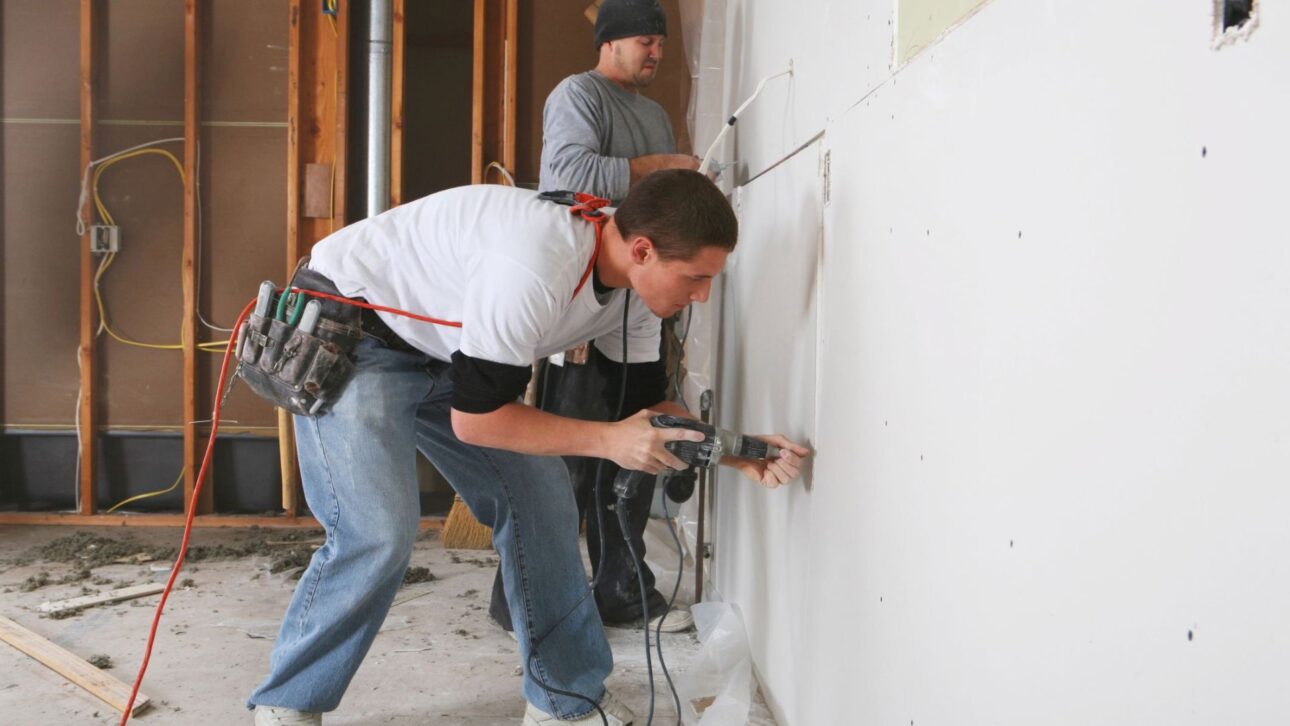
In practice, the market is not abandoning drywall but redefining its application.
Instead of adopting a single solution for the entire apartment, the latest projects have turned to mixed dry construction systems, with different materials for dry areas, wet areas, and points that require higher load capacity or impact resistance.
This technical design aims to reduce rework, extend the lifespan of closures, and facilitate the installation of custom furniture and suspended equipment.
The change has gained momentum because the lightweight wall has begun to fulfill more functions than just dividing spaces.
In compact properties, it needs to accommodate cabinets, countertops, niches, TV supports, and larger coverings, in addition to coexisting with vapor, eventual infiltration, and performance requirements set by the Performance Standard, ABNT NBR 15575.
Cement Boards Gain Space in Bathrooms, Kitchens, and Technical Areas
Among the solutions that have gained the most space are cement boards, especially in bathrooms, kitchens, service areas, shafts, and technical walls.
Brasilit’s technical manual states that these boards do not degrade in the presence of moisture and receive waterproofing treatment in the mass, which improves dimensional stability during transportation, storage, and application.
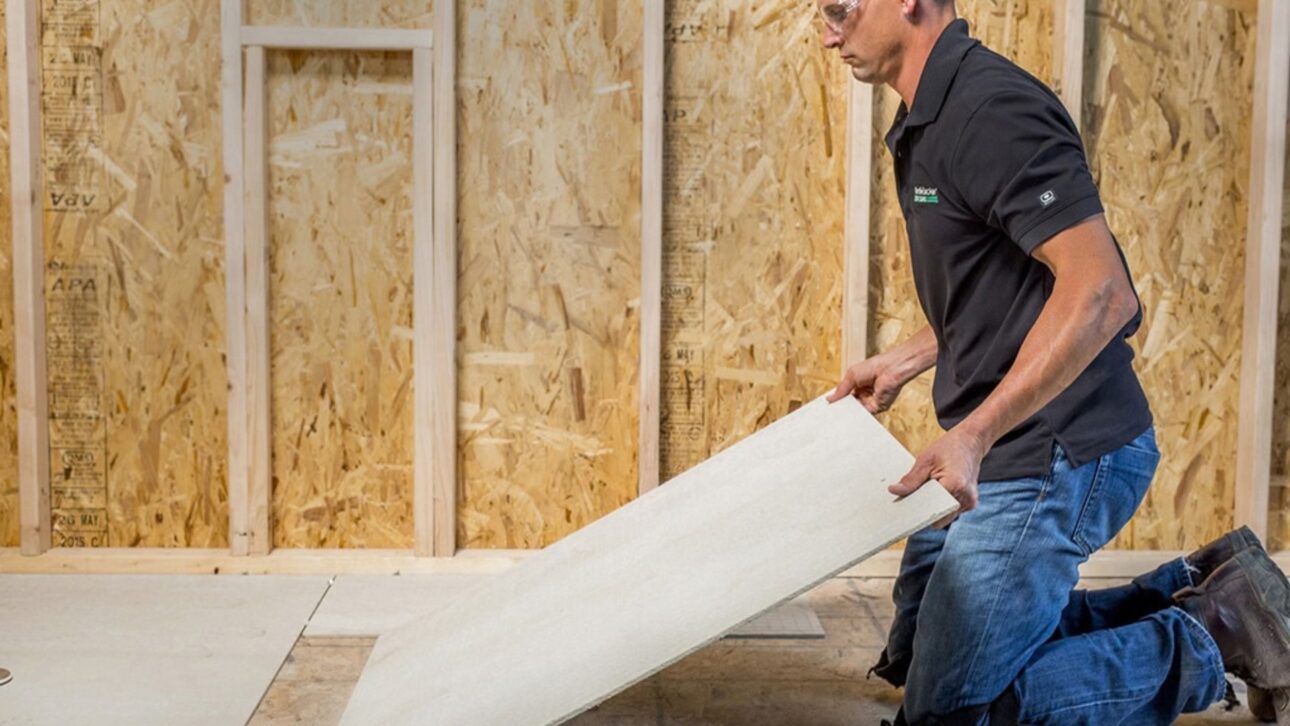
Therefore, they have been specified when the environment requires greater robustness and better performance against water and impact.
Another factor that favors this material is its compatibility with different finishes.
Cement boards accept painting, texturing, ceramics, and other coverings, and also appear in internal partitions, lightweight facades, ducts, and ceilings.
In residential developments, this enables the creation of more resistant internal walls in critical points, without giving up the logic of dry construction, which generates less waste and relies less on water at the construction site.
High-Density Gypsum Increases Fixation Capacity on Walls
At the same time, the gypsum board family has evolved.
High-density boards, such as the technical lines used in high-performance internal walls, now offer superior resistance compared to conventional boards, both in impact and in fixation.
Technical data sheets from Placo indicate that the Habito board supports up to 35 kilograms with direct screw, without the use of anchors, and up to 100 kilograms of direct shear load on the board under certain conditions.
Meanwhile, the Performa RU board, designed for internal areas with moisture presence, supports up to 50 kilograms of direct shear load on the board.
These figures help explain why conventional drywall has lost its status as a one-size-fits-all solution.
Instead of makeshift wooden or metal reinforcements only at cabinet points, some systems now come with boards more prepared to receive distributed loads across the space.
Still, the specification depends on the project, the type of fixation, and the intended use for each wall.
Wall Panel and OSB Reinforce Structure and Facilitate Furniture Installation

In developments where the fixation of furniture weighs more in the decision, OSB appears as a reinforcement behind the drywall or as a component of dry construction systems.
LP Brasil’s technical catalog informs that OSB can be applied behind drywall to facilitate the fixation of furniture, sanitary wares, and suspended objects.
The material can also dispense, in some cases, special anchors and increase the stiffness of the assembly.
The same panel also appears in dry floors and slabs, associated with metal or wooden beams.
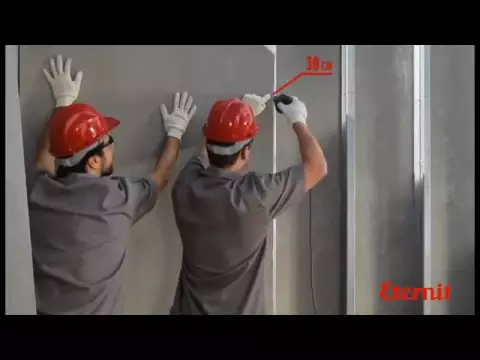
Meanwhile, The Wall Panel occupies a different niche, closer to closures with more rigidity and streamlined assembly.
Eternit’s technical sheets describe the product as a panel with a solid wood core, laminated or slatted, plywood on both faces, and externally coated with cement boards.
The manufacturer indicates applications in mezzanines, technical floors, walkways, sanitary partitions, and closures.
Recent commercial versions also highlight impact resistance, water tightness, and the possibility of fixing suspended pieces.
Steel Frame Drives Faster Works and Industrialized Construction
In the background of this change is the advancement of light steel frame, a system that uses lightweight galvanized steel profiles and works with industrialized closures.
The growth in the production of profiles for LSF in Brazil reinforces this trend.
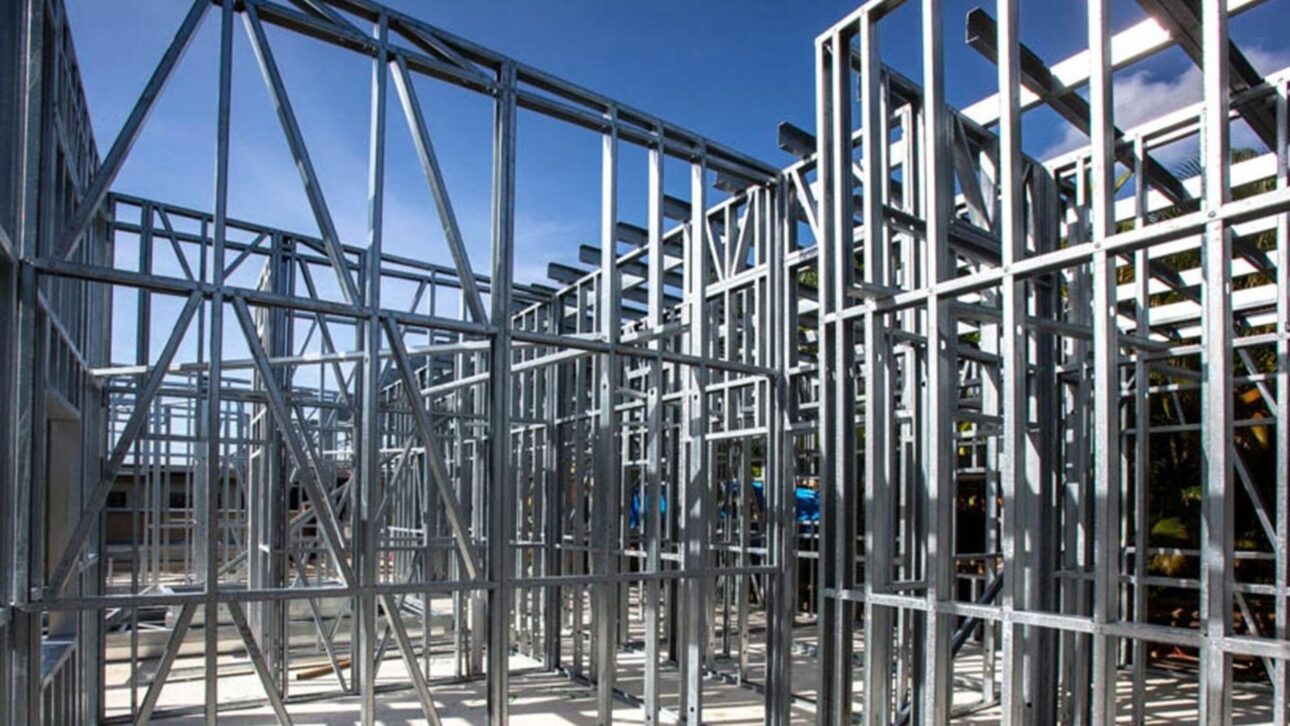
The adoption of the system usually comes with a combination of cement boards in areas more exposed to moisture, high-performance gypsum boards in dry environments, and engineered wood panels in reinforcement points.
In this context, time savings are one of the main selling points.
Industrialized assembly reduces wet steps and better organizes the execution of the work.
There are market references to significant reductions in construction time compared to conventional masonry.
This percentage varies according to the project, logistics, level of industrialization, and the system adopted.
The secure data is that the steel frame sector continues to expand and has been treated as a growth bet by specialized associations and construction media.
How Builders Choose the Ideal Internal Wall System
The choice of the internal system is no longer a simple competition between drywall and masonry.
What can be seen in the latest launches is a selection based on performance. Cement boards appear where moisture is a significant concern.
High-density gypsum is used where fixation capacity and acoustic comfort matter.
OSB comes into play when the reinforcement needs to be distributed. The Wall Panel arises in applications that require rigidity, streamlining, and clean assembly.
The lightweight wall of the new apartment has become a technical combination defined according to the real use of each space.






Inovação na área da construção civil, soluções práticas e técnicas sustentável.
Gostaria muito de aperfeiçoar meu conhecimento na área.