





 Portuguese
  English
  Spanish
  4 min of reading
  0 comments


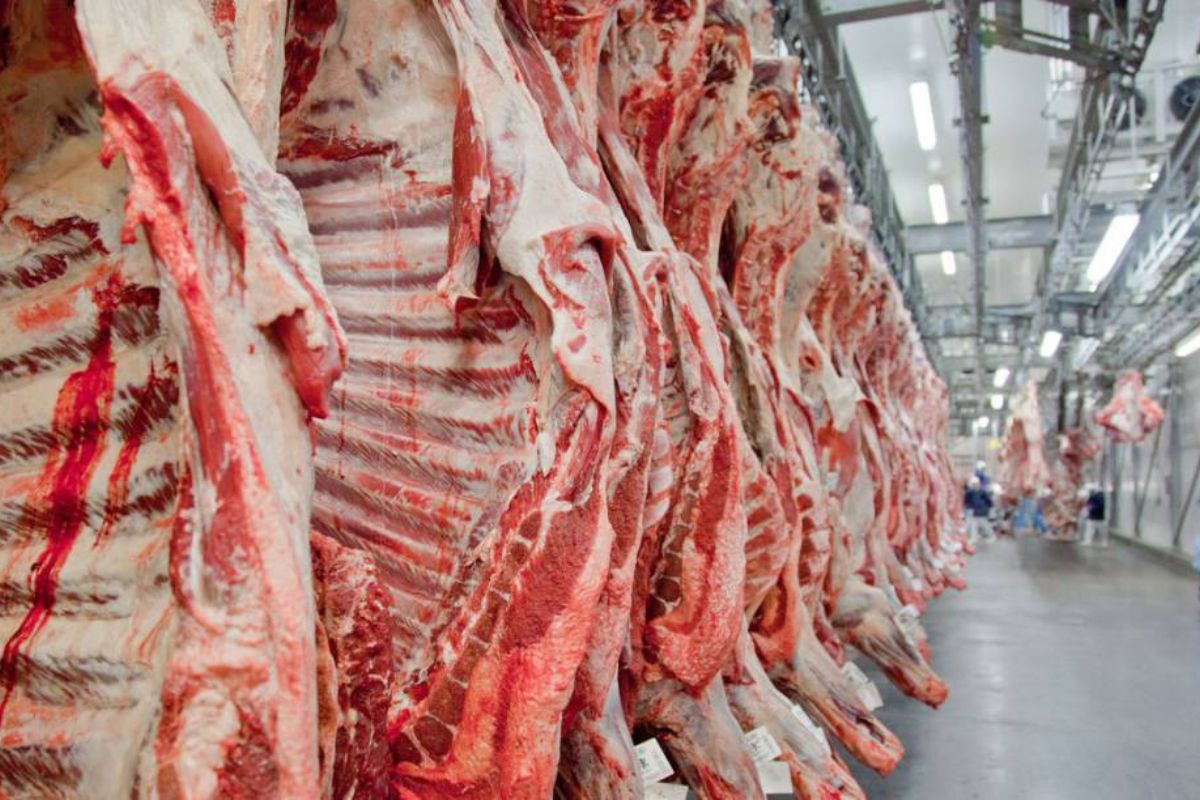
JBS Prepares To Have The Largest Cattle Plant In Latin America, But In The Poultry Sector, The Race For The Title Of Largest Meat Processor In Brazil Reveals Surprising Leadership And Distinct Growth Strategies.
The question of what is the largest meat processor in Brazil does not have a single answer. Leadership in the country’s massive animal protein sector is divided, with different companies dominating the processing of each type of meat. On one hand, JBS moves forward to consolidate its hegemony in beef with a billion-dollar expansion. On the other, in the poultry sector, the competition for leadership by volume reveals a competitive and technologically advanced landscape.
According to industry data compiled by publications such as Forbes magazine, the race to the top is marked by massive investments, opposing growth strategies, and an unrelenting search for new markets, especially China. An analysis of the major players reveals who the true titans of protein are in Brazil.
The Future Leader In Beef: The Expansion Of JBS’s Meat Processing Plant In Campo Grande (MS)
In the beef sector, JBS is about to inaugurate the largest plant in Latin America. On April 12, 2024, the company announced an investment of R$ 150 million to expand its Campo Grande II unit, in Mato Grosso do Sul.
-
These living root bridges and ladders are over 700 years old and help indigenous people survive in one of the rainiest regions in the world.

-
From sertanejo star to international investor: Ana Castela invests millions in a mansion in the USA, creates a themed accommodation in Orlando, and shows that the “boiadeira” also wants to grow away from the stage.

-
The 10 most stunning motorhomes in the world: a $3 million trailer with a rooftop nightclub and garage for a Ferrari, “palaces on wheels” with Italian marble, private cinema, and five-star hotel luxury for billionaires.

-
Trump wanted to spend $400 million on the White House, but the courts prohibited the million-dollar construction.

The project, which was announced with the presence of President Luiz Inácio Lula da Silva, will double the plant’s daily slaughter capacity from 2,200 to 4,400 head of cattle. The expansion, expected to be completed in 2025, will also double the number of employees from 2,300 to 4,600. The trigger for the investment was the unit’s qualification to export to China, granted in March 2024.
The Competition In The Poultry Sector: SSA Technology And C.Vale Leadership
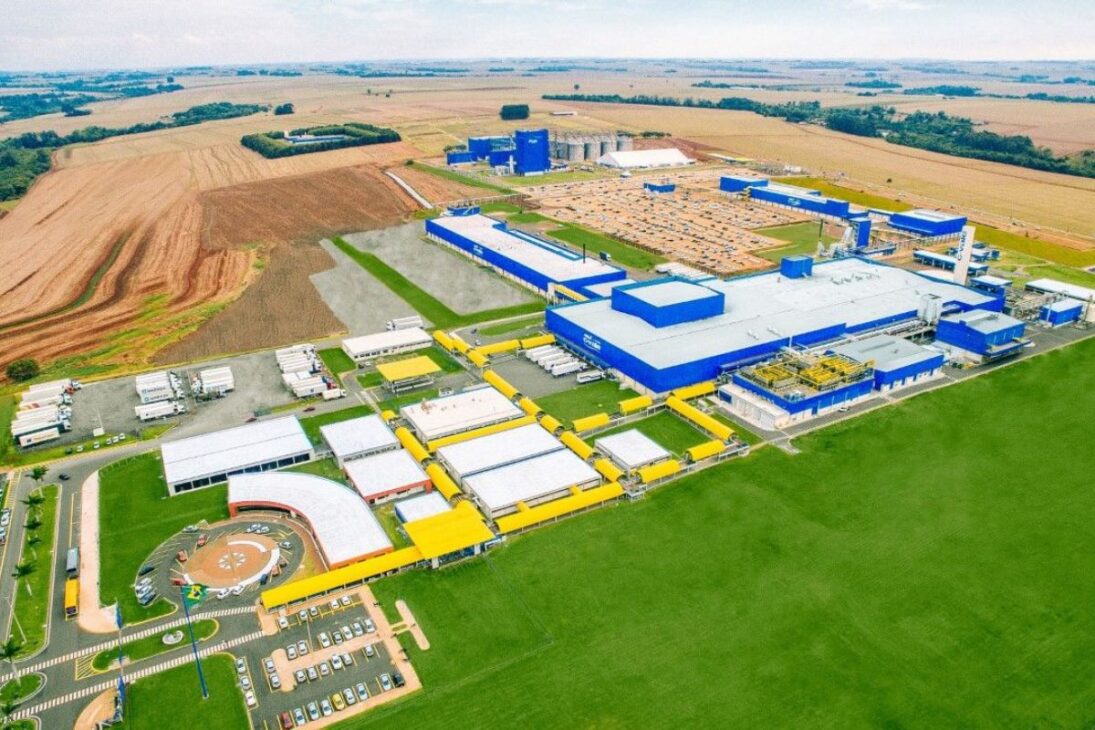
In the poultry sector, the race for the title of largest meat processor in Brazil is more complex. Although São Salvador Alimentos (SSA) in Nova Veneza (GO) is often cited, it stands out more for its technology than for its volume.
Sector data indicates that the largest chicken slaughter plant in the country actually belongs to the cooperative C.Vale, located in Palotina, Paraná, with a processing capacity of 530,000 birds per day. The SSA plant, while one of the most modern in the world with cutting-edge automation, currently has a capacity of about 200,000 birds per day.
The SSA Strategy: The Quest For Leadership With Automation And Industry 4.0
Although not the leader in volume, SSA has an ambitious plan. The company, whose most well-known brands are SuperFrango and Boua, aims to achieve a consolidated capacity of 1 million birds per day by 2025.
To achieve this, the company is heavily investing in technology and automation. In 2024, it completed an investment of R$ 80 million in modernizing its cutting room and plans to invest an additional R$ 100 million to implement Industry 4.0 concepts, seeking leadership through efficiency and quality.
Distinct Growth Models: JBS’s Global Scale And SSA’s Organic Focus
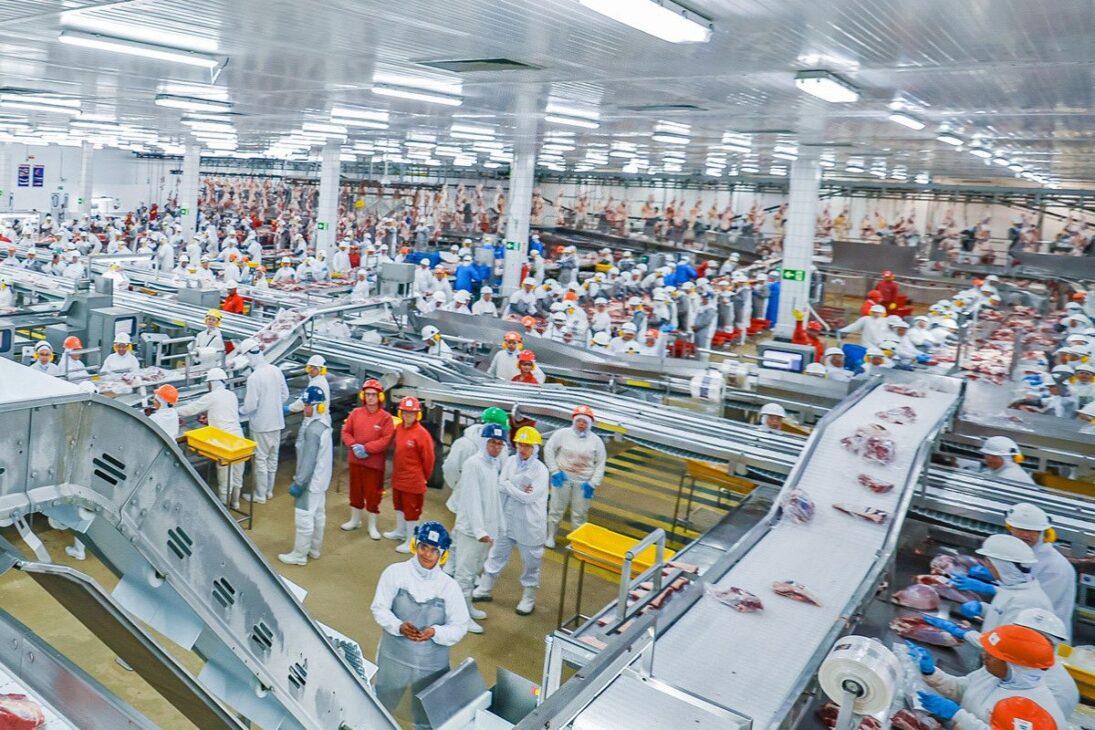
The comparison between the two companies reveals opposing strategies. JBS, led by brothers Joesley and Wesley Batista, bets on global scale, large acquisitions, and access to capital markets to finance its growth, as demonstrated by its plan for a dual listing on the New York Stock Exchange (NYSE).
On the other hand, SSA, founded by José Carlos de Souza, follows a model of organic and self-financed growth. The company focuses on operational excellence and vertical integration to build a resilient business without the need to resort to capital markets in the short term.
The Race For Markets And The ESG Challenges
What drives these giants is the strength of the export market. Brazil is the largest global exporter of both beef and chicken, and access to markets like China is the main engine for expansion investments.
However, growth brings with it increasing pressure for sustainable practices. JBS, due to operating in the Amazon, faces constant scrutiny from NGOs like Greenpeace regarding the traceability of its supply chain. Meanwhile, SSA, in the Cerrado, focuses on quality certifications to ensure its access to demanding markets. Managing environmental, social, and governance (ESG) risks will increasingly be a decisive factor in determining who will be the largest meat processor in Brazil.








-

Uma pessoa reagiu a isso.