





 Portuguese
  English
  Spanish
  3 min of reading
  1 comment


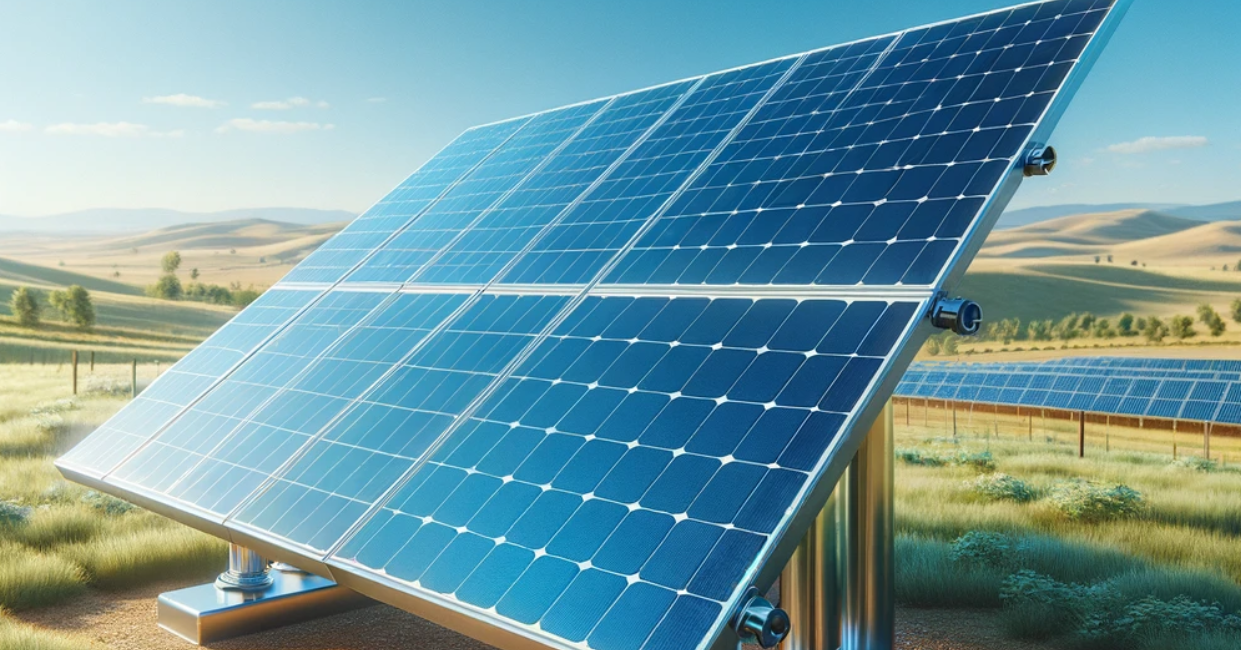


A Country With Record Solar Energy Production Faces An Unexpected Challenge: Its Electric Grid Is At The Limit And At Risk Of Collapse Due To Excess Generation.
Australia is often viewed as a global powerhouse in renewable energy, particularly in the solar sector.
With solar panels installed in nearly one-third of households, the country has achieved impressive numbers in green energy generation.
But this advancement has brought a curious paradox: solar energy production is becoming a problem for the electric grid. A problem that few anticipated.
-
Seagri’s headquarters invests in solar energy with Neoenergia Coelba and promises to cut electricity costs, highlighting a strategic advance in sustainability and energy efficiency within state public administration.
-
Solar Pyramid draws attention by converting solar energy into million-dollar savings and repositioning the City Hall of Curitiba as an example of innovation, sustainability, and intelligent use of public resources.
-
Europe records strong euro economy with solar energy in March and sparks curiosity about which country leads growth that redefines the energy market and reduces costs.
-
Piauí reaches a historic milestone in energy transition: State records nearly 160,000 households powered by solar energy and leads growth in the Northeast.
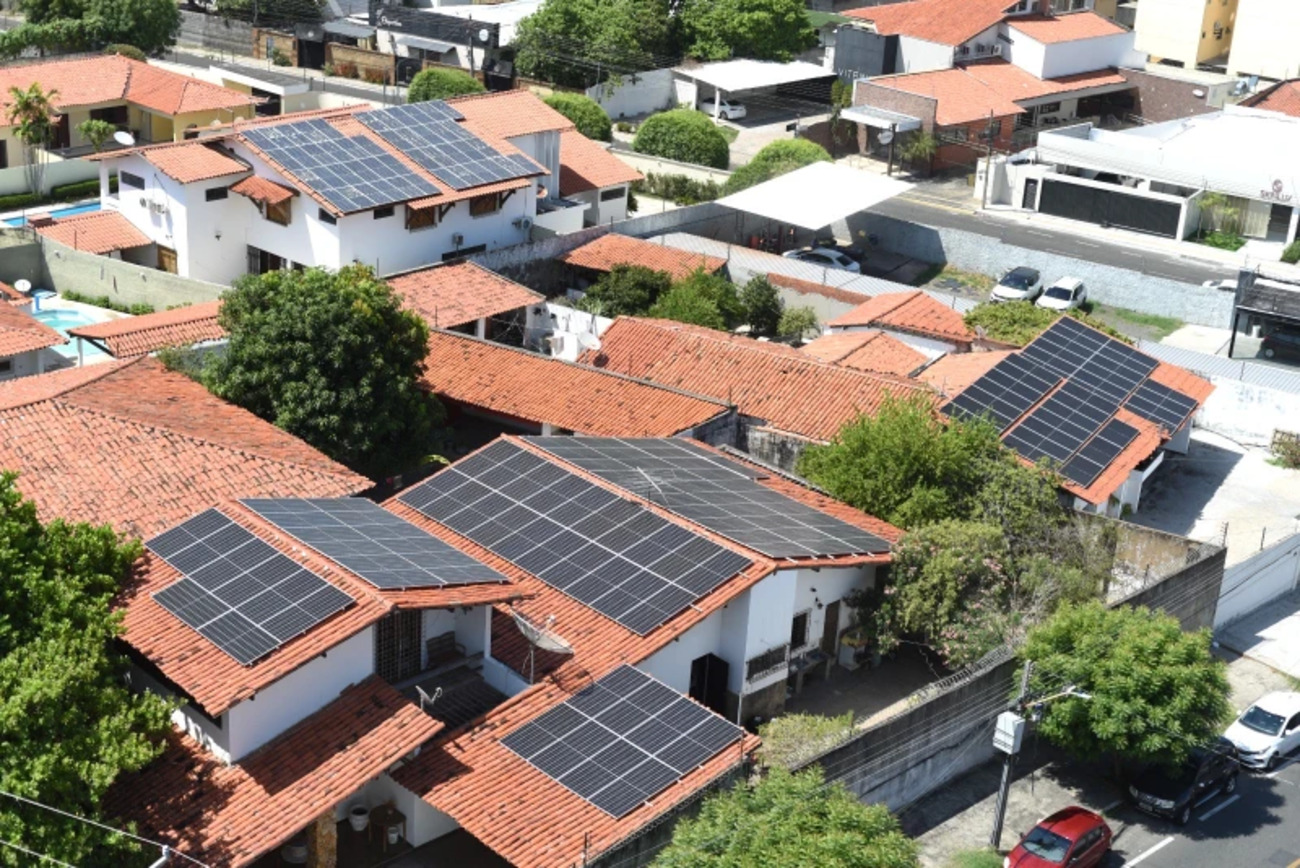

On October 3rd, the country faced a critical moment. The Australian Energy Market Operator (AEMO) recorded an extremely low electricity demand, which is concerning for the electrical system.
However, contrary to what one might expect, the drop in demand was not due to a decrease in consumption. The problem lay in the high production of residential solar energy.
The state of Victoria, one of the most prosperous in Australia, had a day of clear, sunny skies. The perfect combination for a record solar generation, but disaster followed closely behind.
Victoria’s electric grid, designed to handle a demand ranging from 1,865 to 10,000 megawatts, saw its numbers plummet to just 1,352 megawatts. A number so low that it put the stability of the grid at risk.
Emergency Solutions: Disconnecting Panels To Maintain Balance
To avoid a widespread outage, AEMO was forced to take emergency measures. One of them was to disconnect some solar panels, a drastic but necessary move to relieve the excess energy on the grid.
Other solutions included activating inactive transmission lines and asking families with home battery systems to leave their equipment empty. This helped to store the surplus energy generated.
These solutions, while functional in the short term, highlight the challenge of operating an electrical grid based on renewable sources. While solar energy already accounts for over 20 gigawatts of Australia’s energy capacity, its unpredictable nature creates difficulties in balancing production and consumption.
The Energy Storage Bottleneck
The biggest obstacle to harnessing the full potential of solar energy is the lack of large-scale storage.
Solar production is intermittent, relying entirely on weather conditions. When there is excess production and no way to store it, unused energy becomes a problem rather than a benefit.
The Australian situation is not unique. States like California in the United States also face similar difficulties.
In times of high solar production, storage systems are insufficient to manage the excess energy, compromising the stability of the electric grid.
Risks Of Uncontrolled Solar Energy Growth
With the rapid pace of new solar panel installations, Australia must prepare to face even greater imbalances. On weekends, when energy consumption typically drops, the risks of overproduction increase significantly. With each solar panel installed, the pressure on the grid intensifies.
This scenario highlights the need for more strategic measures. Solutions such as expanding the use of high-capacity batteries, modernizing electric infrastructure, and policies that encourage rational use of solar energy are already seen as essential. Some countries, like Germany and Japan, provide successful examples of how to mitigate these problems.
A Progress With Clear Obstacles
While Australia’s leadership in the renewable energy sector is unquestionable, the current situation reinforces the complexities of this transition. Dependence on sources like solar, while positive for the environment, requires a complete restructuring of how energy is produced, stored, and distributed.
The solar boom is an important milestone, but without technological advances and stronger policies, Australia risks turning its progress into a chronic problem. With resilient and modern systems, the country can continue to lead in the renewable energy sector without falling into the traps of disorganized growth.
The challenge now is to ensure that green energy, instead of being a complication, becomes an even more valuable asset for Australian society.









É por esta e outras que muitos países não aceitam esse modelo de capitalismo, onde, por exemplo, o empreendedor quer vender comida mas o cliente é quem paga o gás, as panelas, os empregados e o aluguél do ponto de venda… e o empreendedor entra apenas para administrar o lucro. Que patifaria! Com a energia solar é o mesmo modus operandi, ou seja, é tudo bancado pelo cliente e a fiaçâo com dinheiro público já existente. Vão tomar vergonha!