





 Portuguese
  English
  Spanish
  4 min of reading
  0 comments


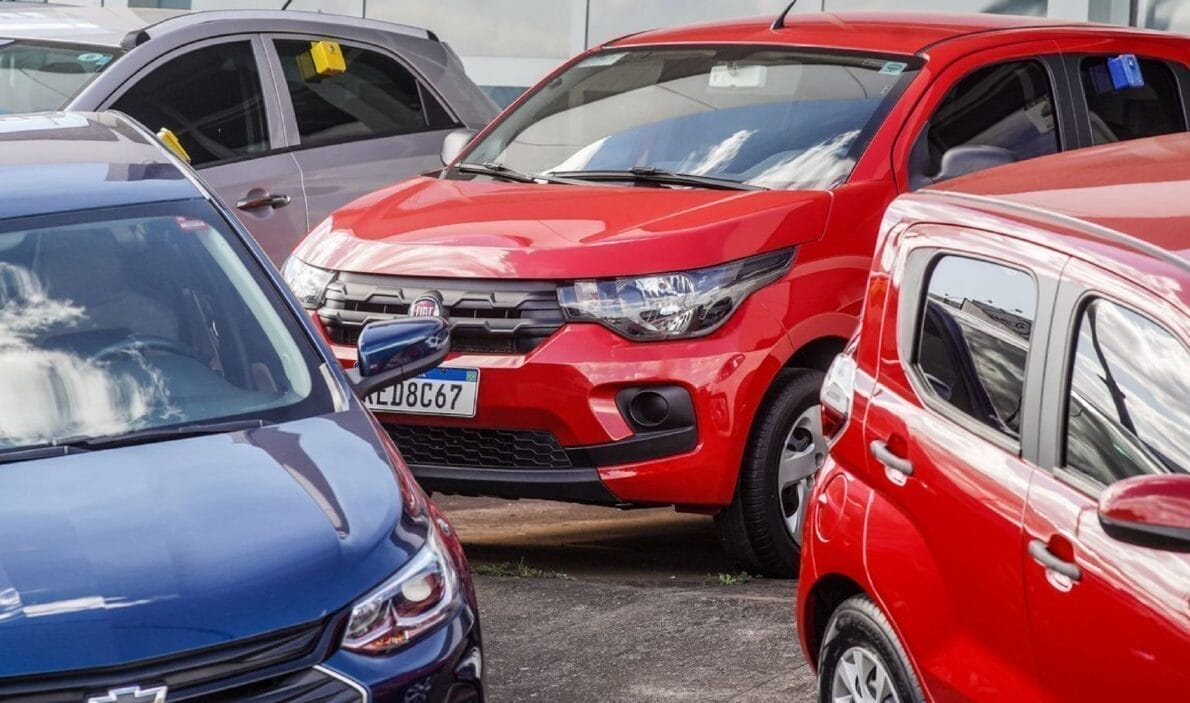
Efficiency, Economy, and Sustainability in Brazilian Traffic. Check Out the 10 Favorite Models Set to Conquer the Market in 2025
With the constant increase in fuel prices and the growing concern for sustainability, the search for more economical cars has never been more relevant. According to the National Institute of Metrology, Quality, and Technology (Inmetro), vehicles with the best energy efficiency in 2024 are already emerging as favorites for 2025.
The ranking is based on consumption in megajoules per kilometer (MJ/km) and takes into account performance with both gasoline and ethanol. In addition, the tiebreaker criterion is urban consumption with ethanol, which makes this study essential for those wanting to save daily and make more conscious choices, according to the website Terra Brasil Notícias.
What Characterizes an Economical Car?
Economical cars are those that use less fuel to travel a certain distance. The official classification is carried out by the Brazilian Vehicle Labeling Program (PBEV), coordinated by Inmetro. This program evaluates the energy consumption of vehicles in MJ/km, allowing consumers to compare different models accurately. In 2024, the most efficient cars achieve figures ranging from 10.7 km/l to 18.9 km/l in the city, and 9.2 km/l to 16.4 km/l on the highway. This translates into savings for both the wallet and the environment, with lower pollutant emissions.
-
The car stored for 38 years: when opening the barn door, what appears is breathtaking and looks like a scene from a movie!

-
Fiat works miracles in the Brazilian market, lowers the price of its 0 km hatch to R$ 69,990, reestablishes the model as the cheapest car in the country, and reignites the battle against Kwid and C3.
-
Chevette with cooking gas: How the gas cylinder ends up being used in cars clandestinely and why this makeshift solution can result in leaks, explosions, damaged engines, and seized vehicles.

-
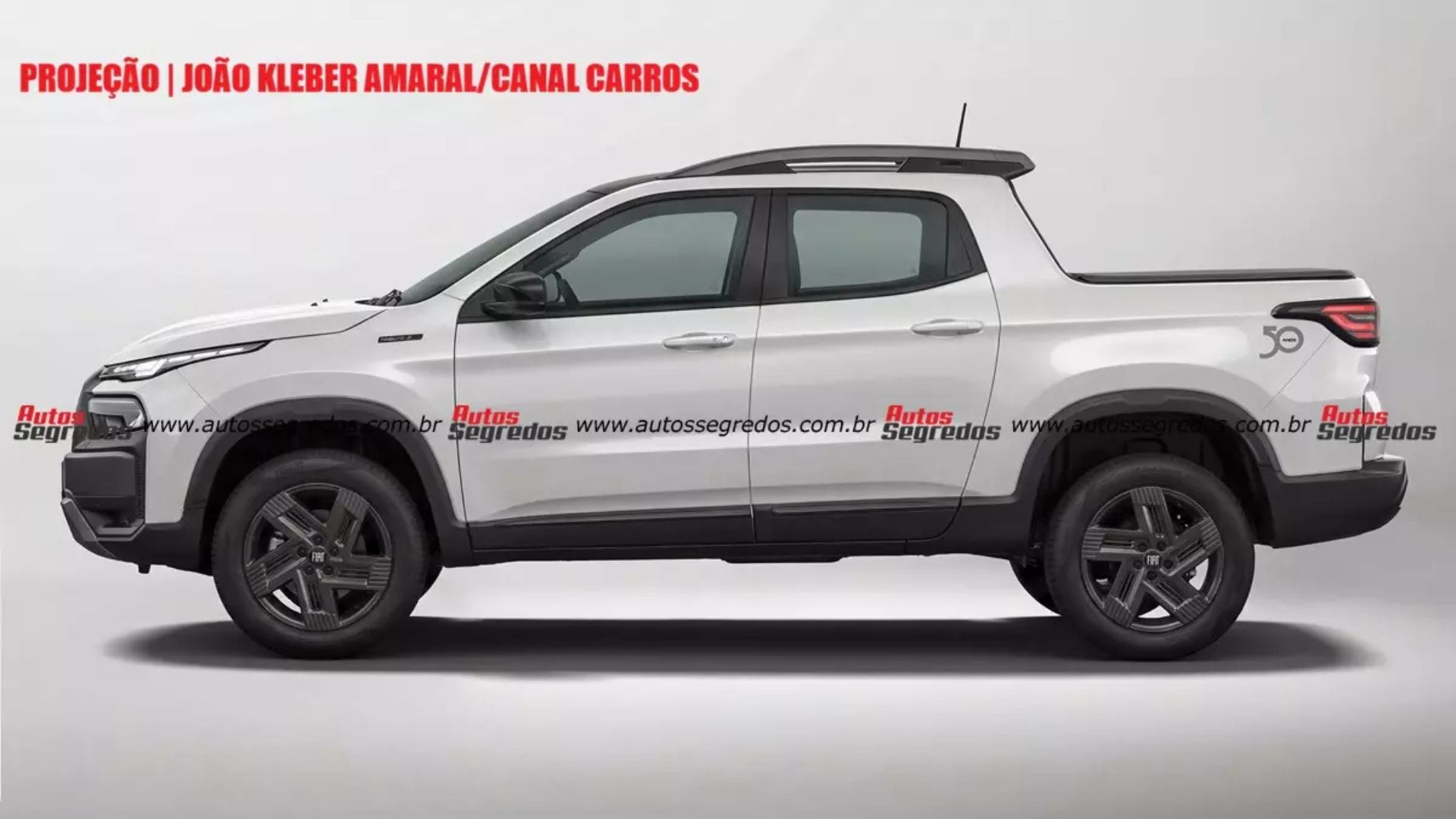
Fiat launches the new 2027 Toro hybrid with 48V, 176 hp, an electric motor of 15.5 hp, a 0.85 kWh battery, up to 7% fuel savings, 8% fewer emissions, and possible exemption from IPVA.

In addition to lower consumption, economical cars also have the advantage of lower maintenance costs and less wear on parts. The Inmetro study, which remains relevant from 2023 to 2024, employs a rigorous methodology that takes into account everything from traffic conditions to driving style, ensuring reliable results for the consumer.
The 10 Most Economical Cars in Brazil
Based on Inmetro’s analyses, here are the ten most economical cars in Brazil for 2024, with high expectations to dominate the streets in 2025:
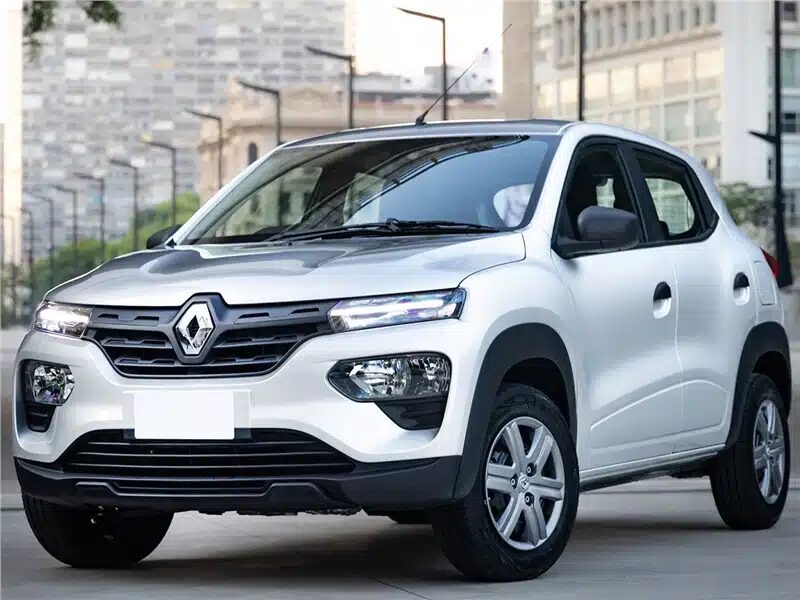
1. Renault Kwid – Consumption: 1.36 MJ/km
Launched in 2017, the Renault Kwid quickly established itself as one of the most economical vehicles in the Brazilian market. Its robust design and affordable price, starting at R$ 69 thousand (2024), made it popular among urban drivers. The Kwid is one of the lightest cars in its category, which contributes to its excellent fuel efficiency, standing out both in the city and on the highway.
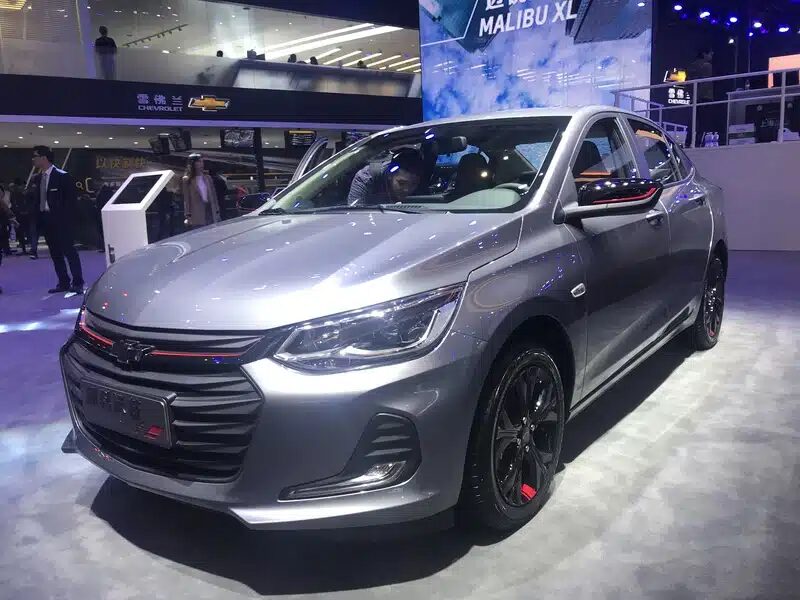
2. Chevrolet Onix Plus – Consumption: 1.42 MJ/km
The sedan version of the Onix, the Chevrolet Onix Plus, arrived in 2019 with a strong technological appeal and low consumption. With prices starting at R$ 85 thousand, the model is a reference in connectivity and fuel efficiency, being the first national car to feature integrated Wi-Fi, which distinguishes it from other models in the category.
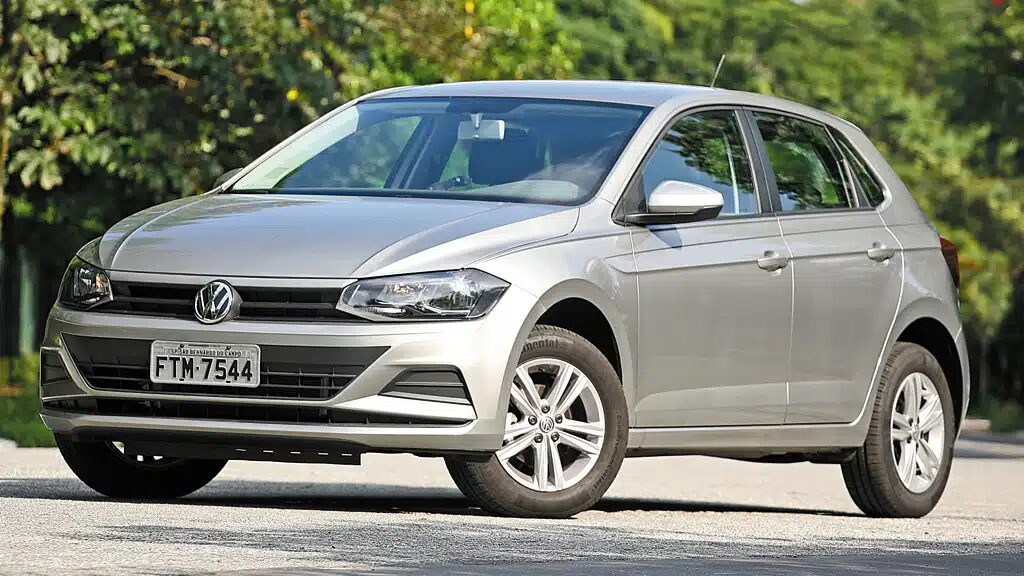
3. Volkswagen Polo 1.0 – Consumption: 1.47 MJ/km
The Volkswagen Polo 1.0 is another compact that stands out for its efficient consumption. With a starting price of R$ 80 thousand, the Polo combines cutting-edge technology, such as a digital dashboard, with a sporty and economical driving experience, ideal for those seeking performance and efficiency.
4. Fiat Cronos 1.0 – Consumption: 1.47 MJ/km
The Fiat Cronos 1.0, launched in 2018, is one of the most affordable options among compact sedans. With prices starting at R$ 75 thousand, the model balances interior space and economy, making it ideal for those seeking an efficient sedan for daily use.

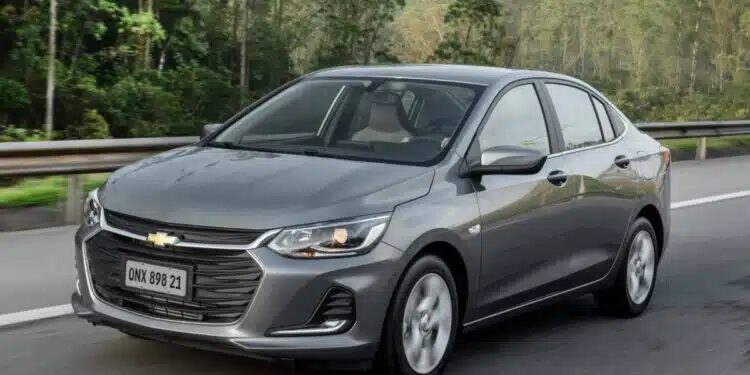
5. Chevrolet Onix – Consumption: 1.46 MJ/km
The Chevrolet Onix, one of the most popular models in Brazil, continues to be a benchmark in fuel economy. With a consumption of 1.46 MJ/km, the Onix is one of the best options for those seeking technology, economy, and low maintenance costs.
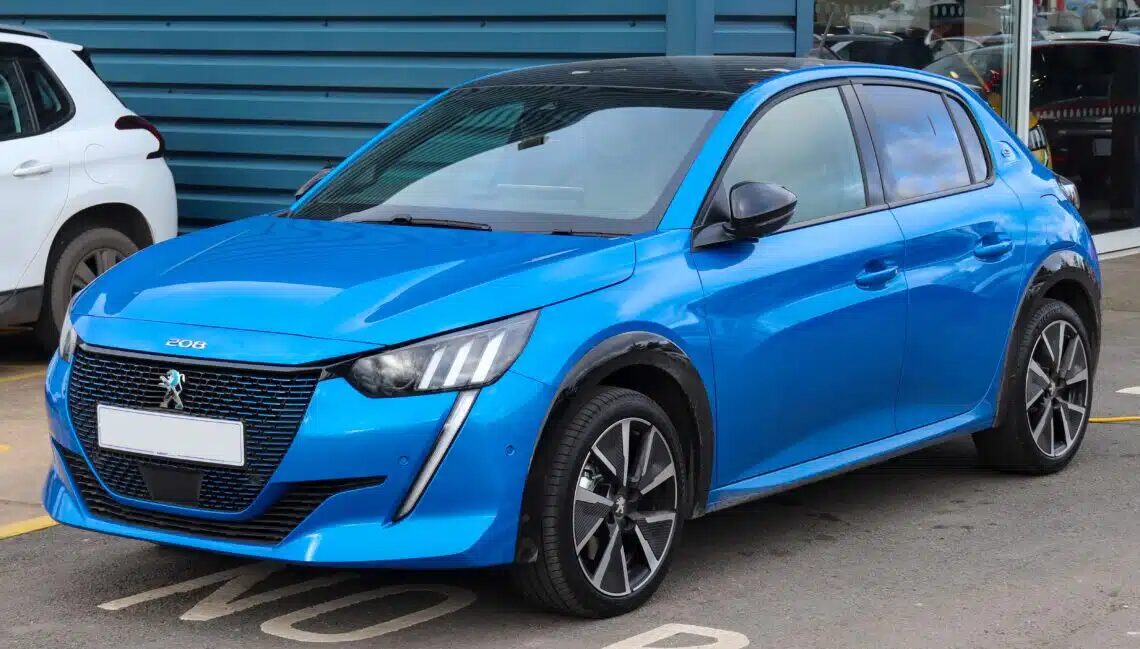
6. Peugeot 208 – Consumption: 1.47 MJ/km
The Peugeot 208 stands out for its elegant design and innovative technologies. With prices starting at R$ 85 thousand, the model offers an excellent combination of efficiency and style, being one of the most attractive compacts on the market.
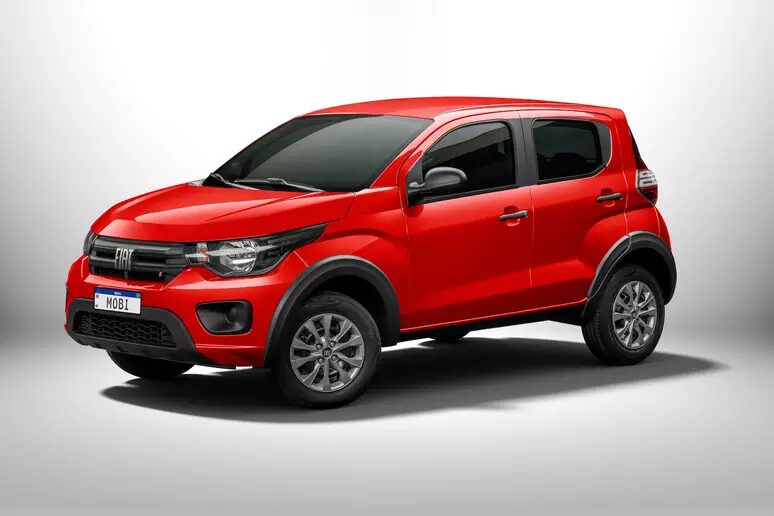
7. Fiat Mobi – Consumption: 1.5 MJ/km
With prices starting at R$ 65 thousand, the Fiat Mobi is ideal for those seeking a compact and economical car for urban traffic. Its consumption of 1.5 MJ/km places it as one of the best in economy in the segment.
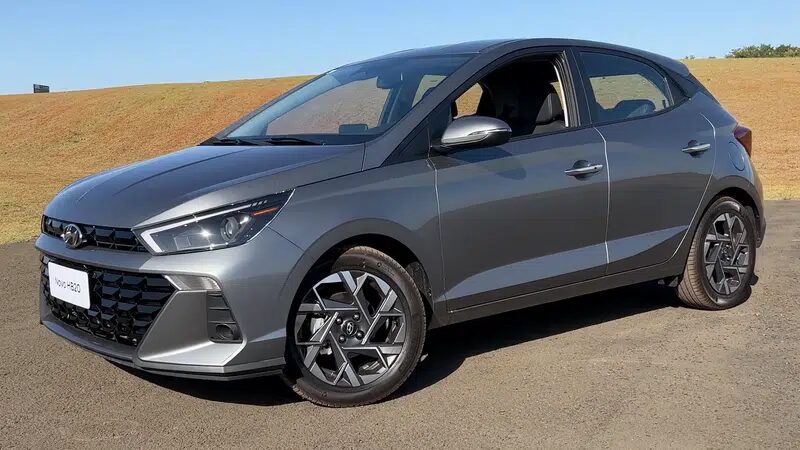
8. Hyundai HB20 – Consumption: 1.51 MJ/km
The Hyundai HB20 has revolutionized the compact market in Brazil since its launch in 2012. With prices starting at R$ 80 thousand, the model remains one of the favorites among Brazilians, combining modern design and high efficiency.
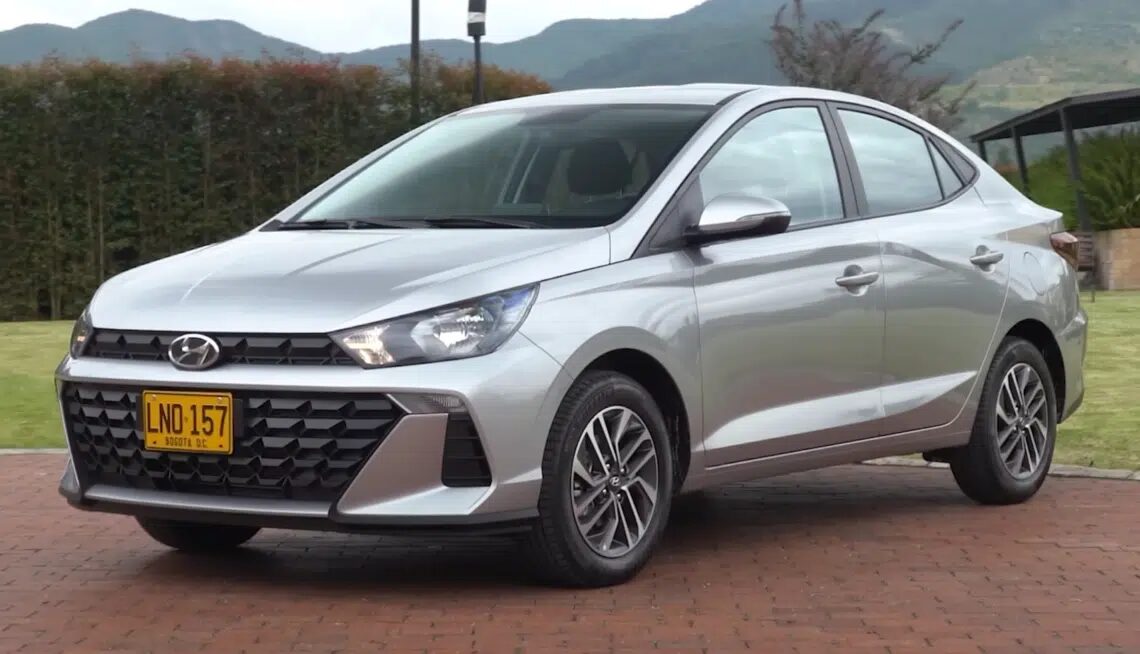
9. Hyundai HB20S – Consumption: 1.52 MJ/km
The sedan version of the HB20, the HB20S, offers greater interior space and comfort without sacrificing efficiency. With prices starting at R$ 90 thousand, it is an excellent option for those looking for an economical and spacious sedan.
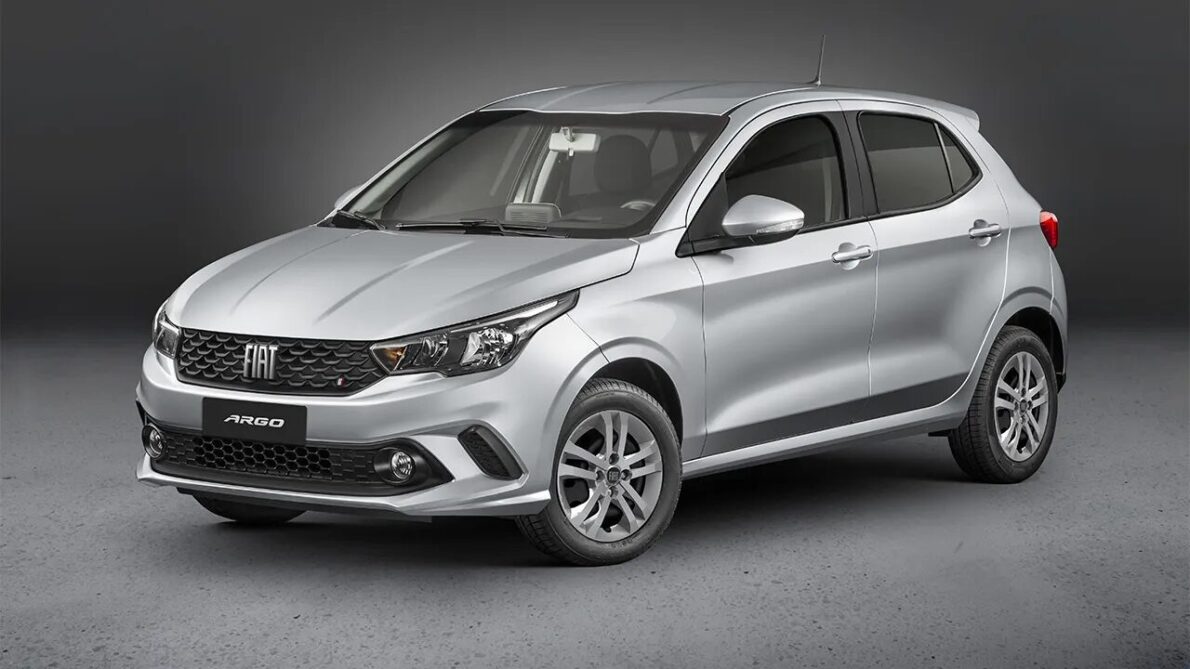
10. Fiat Argo – Consumption: 1.53 MJ/km
The Fiat Argo stands out as one of the most economical models in the Brazilian market, offering efficiency in fuel consumption that attracts many drivers. With flex engines, it delivers an average of 10 to 12 km/l in the city and up to 14 to 16 km/l on the highway, depending on the version and driving style. Moreover, its aerodynamic design contributes to better performance, reducing consumption.






-

Uma pessoa reagiu a isso.