





 Portuguese
  English
  Spanish
  5 min of reading
  0 comments


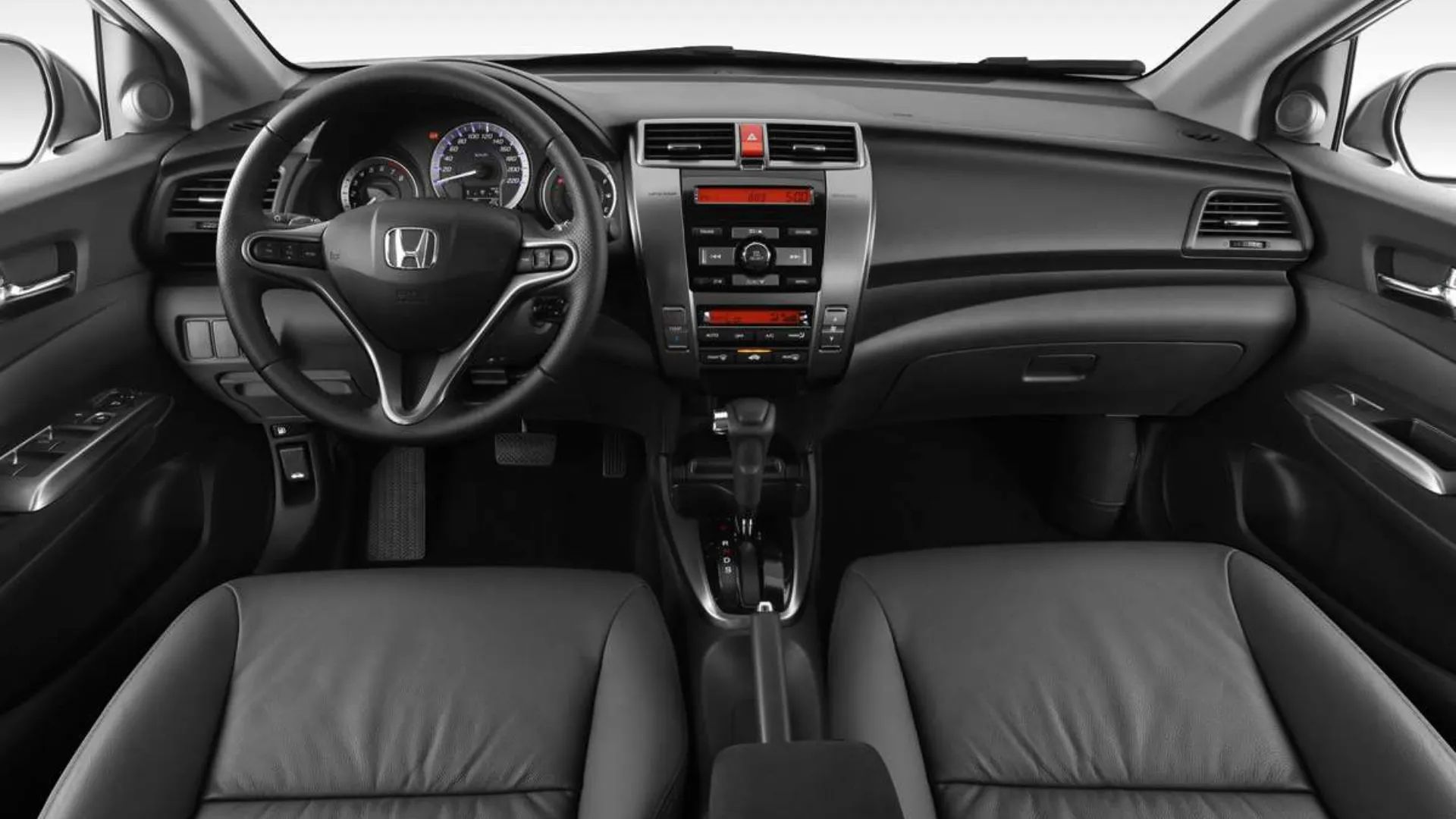
Used Models Ignored by the Market Deliver Performance, Economy, and Space Above Average at Affordable Prices, Combining Reliable Mechanics, Balanced Consumption, and Predictable Maintenance, Even Outside the Lists of Most Desired in the Segment.
Little-remembered used models in the Brazilian market continue to offer a technical package that is hard to ignore for those analyzing cost, mechanics, and functionality before appearance or trends.
Starting at R$ 44 thousand, there are vehicles with reliable engines, balanced fuel consumption, predictable maintenance, and above-average interior space, including trunks that surpass that of established mid-sized sedans, such as the previous generations of Honda Civic.
Although they rarely appear among the most desired, these cars maintain adequate performance for urban and highway use, a good level of equipment, and a known mechanical history.
-
Leapmotor C16 lands in Brazil in 2027 with electric and hybrid options, a futuristic design, interior for 6 people, and a range that can exceed 1,000 km in another Chinese offensive from Stellantis.
-
Why buying a car at a dealership is more expensive? New study reveals the factors that raise the price.
-
Starting at R$ 144,590 and featuring a 1.0 turbo engine and a complete ADAS package, the 2026 Hyundai Creta surpasses the Nivus, Pulse, and even the Kwid, advancing in the SUV rankings in Brazil.
-
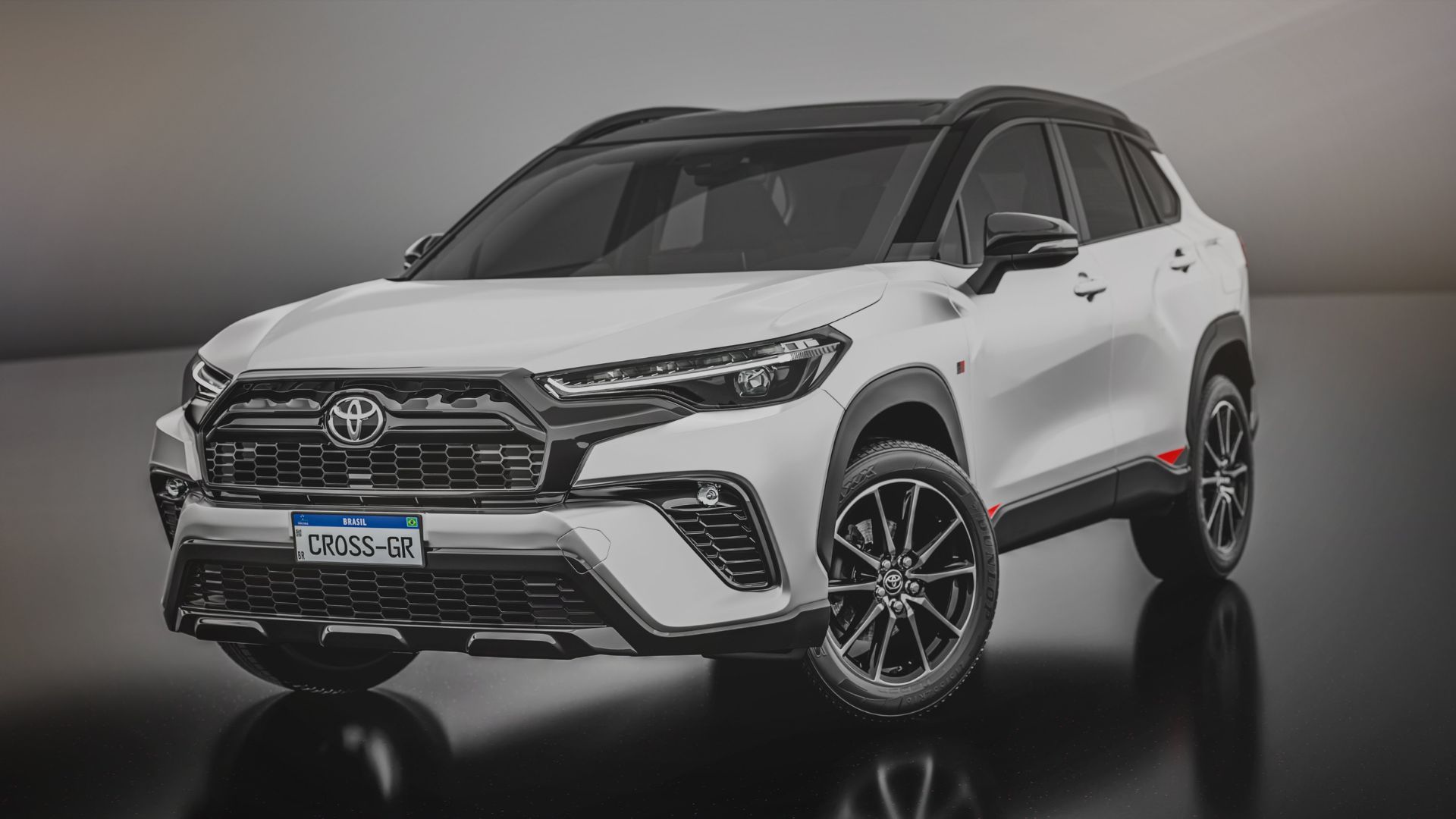
Used Toyota Corolla Cross features a 2.0 engine with up to 177 hp, a hybrid version that achieves up to 17 km/l and 122 hp combined, a 10-speed CVT transmission, a package with 6 airbags and adaptive cruise control, as well as prices starting from R$ 117,000 and reaching R$ 149,000 in versions such as XRE, XR, XRV Hybrid, and GR-S.
In a scenario of high prices in the used market, they turn out to be consistent alternatives for those seeking mobility without surprises in the budget.
Below are two options that exemplify this rational profile and are still available in the national market with prices starting from R$ 44 thousand, depending on the year and condition.
Hyundai HB20 Premium 1.6 Automatic Used with Good Performance and Controlled Cost
Among compact hatches, the Hyundai HB20 Premium 1.6 automatic, manufactured from 2013, remains one of the clearest examples of a car that has lost ground in public desire but not in real-world efficiency.
The version uses a 1.6 naturally aspirated four-cylinder engine, known for its durability and delivering up to 128 horsepower and 16.5 kgfm of torque.
This mechanical set has always been a differentiator compared to rivals equipped with smaller or less powerful engines.
In urban traffic and on highways, the performance comfortably meets daily needs, even when the car is loaded.
The conventional four-speed automatic transmission offered during this period is not modern, but it has a track record of reliable operation and simple maintenance, a factor valued in the used market.
In terms of fuel consumption, the HB20 Premium 1.6 automatic records averages compatible with its proposal.
On the highway, it can achieve around 11.8 km/l with gasoline, a number considered adequate for a compact automatic in this power range.
In the city, consumption is higher but still predictable within the segment standard.
Another point that keeps the model relevant is the level of equipment.
Even without technological excesses, the Premium version already offers air conditioning, power steering, power windows and locks, front airbags, and ABS brakes.
It is a basic package, yet sufficient for daily use, without relying on expensive or complex items to function.
Market prices vary depending on the year.
Models from 2013 typically appear starting from around R$ 47 thousand, while more recent units, close to 2019, can reach prices near R$ 69 thousand, depending on the history and mileage.
In terms of maintenance costs, the HB20 reinforces its rational proposal.
Wear parts have a wide supply in the independent market, with relatively low prices.
A complete kit of shock absorbers from a traditional brand costs around R$ 1,770, while brake pads are in the range of R$ 97.
The oil change uses 5W30 lubricant, with a complete kit priced at approximately R$ 270.
The engine air filter costs about R$ 47.
The 15-inch tires, measured at 185/60 R15, vary around R$ 480 per unit.
Honda City EX 1.5 Automatic Used with Trunk Larger Than the Civic
For those prioritizing interior space and load capacity, the Honda City EX 1.5 automatic, from 2011 onward, remains one of the most logical choices among used compact sedans.
Even with starting values around R$ 44 thousand, the model delivers features that still attract attention in practical use.
One of its main highlights is the trunk.
With a capacity of 506 liters, the City exceeds the volume offered by the Honda Civic of the same era, a sedan from a superior category.
In practice, this translates into greater versatility for trips, family use, or transporting luggage daily.
Under the hood, the City uses a 1.5 naturally aspirated flex engine, known for its robustness and predictable operation.
It delivers up to 116 horsepower and 14.8 kgfm of torque whether using ethanol or gasoline.
The conventional automatic transmission with five speeds, along with a torque converter, completes the set and contributes to a smooth driving experience, with no significant history of chronic failures when properly maintained.
Fuel consumption is another favorable point.
On the highway, the City can achieve up to 14 km/l with gasoline, a number that helps reduce the monthly usage cost, especially for those who frequently cover long distances.
In urban environments, it maintains energy performance within the segment average.
Similar to the HB20, the equipment package of the City EX is functional and straightforward.
The version includes air conditioning, power steering, power windows and locks, front airbags, and ABS brakes.
There is no focus on sophisticated items, but rather on established solutions that tend to age better and incur fewer expenses over time.
In terms of maintenance, the City also keeps costs controlled.
Shock absorbers typically cost between R$ 630 and R$ 800 for a set of four pieces.
The oil change kit, including 5W30 lubricant, oil filter, and air filter, ranges from R$ 250 to R$ 300.
Brake pads are priced between R$ 180 and R$ 200.
The 15-inch tires, measured at 175/65 R15, vary between R$ 450 and R$ 500 per unit.
Even outside the spotlight and rarely mentioned in wish lists, these models continue to deliver what many buyers truly seek.
Reliable mechanics, known costs, and functionality in daily use remain the main attributes of these cars.
In an increasingly inflated market, to what extent is it worth ignoring trends to choose a vehicle that resolves life without straining the budget?








Seja o primeiro a reagir!