Portuguese
  Spanish




Study explains why buying a car from a dealership is more expensive and how structure, logistics, and franchises increase the final price of the vehicle.
Buying a new car can be quite costly, and a study by the International Center for Law & Economics (ICLE) explains why. State laws that require vehicles to be sold only through franchised dealerships increase the final price by up to $4,992 — about R$ 26,000 for a $50,000 car.
This requirement acts as a “middleman tax,” transferring structural costs directly to the consumer.
Alternatives can reduce the price of the car
Brands like Tesla have challenged the traditional model by selling directly to the public, eliminating intermediaries and reducing costs.
-
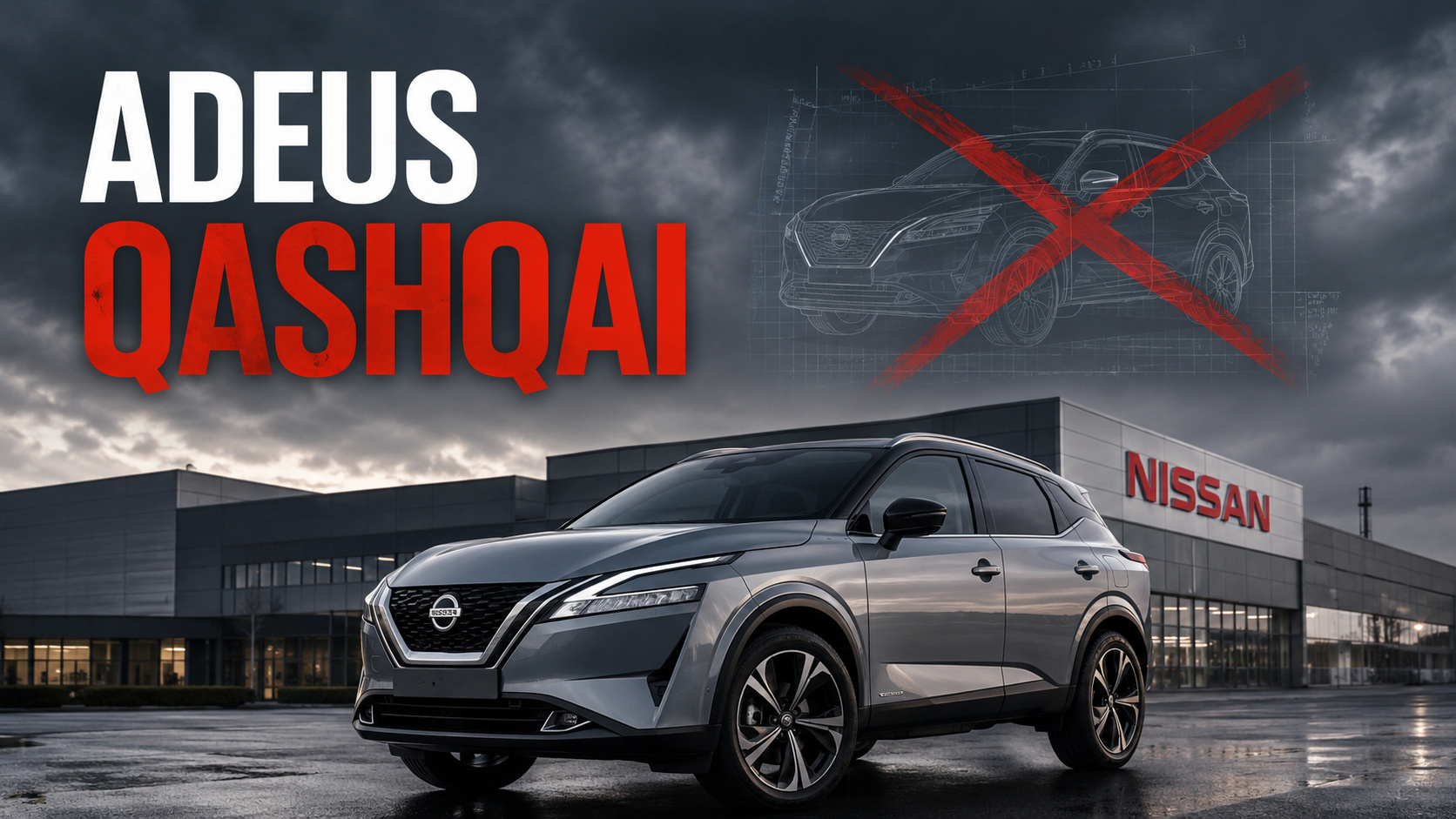
Nissan Discontinues Qashqai SUV Amid Cost-Cutting, Chinese Competition, and Product Line Review

-
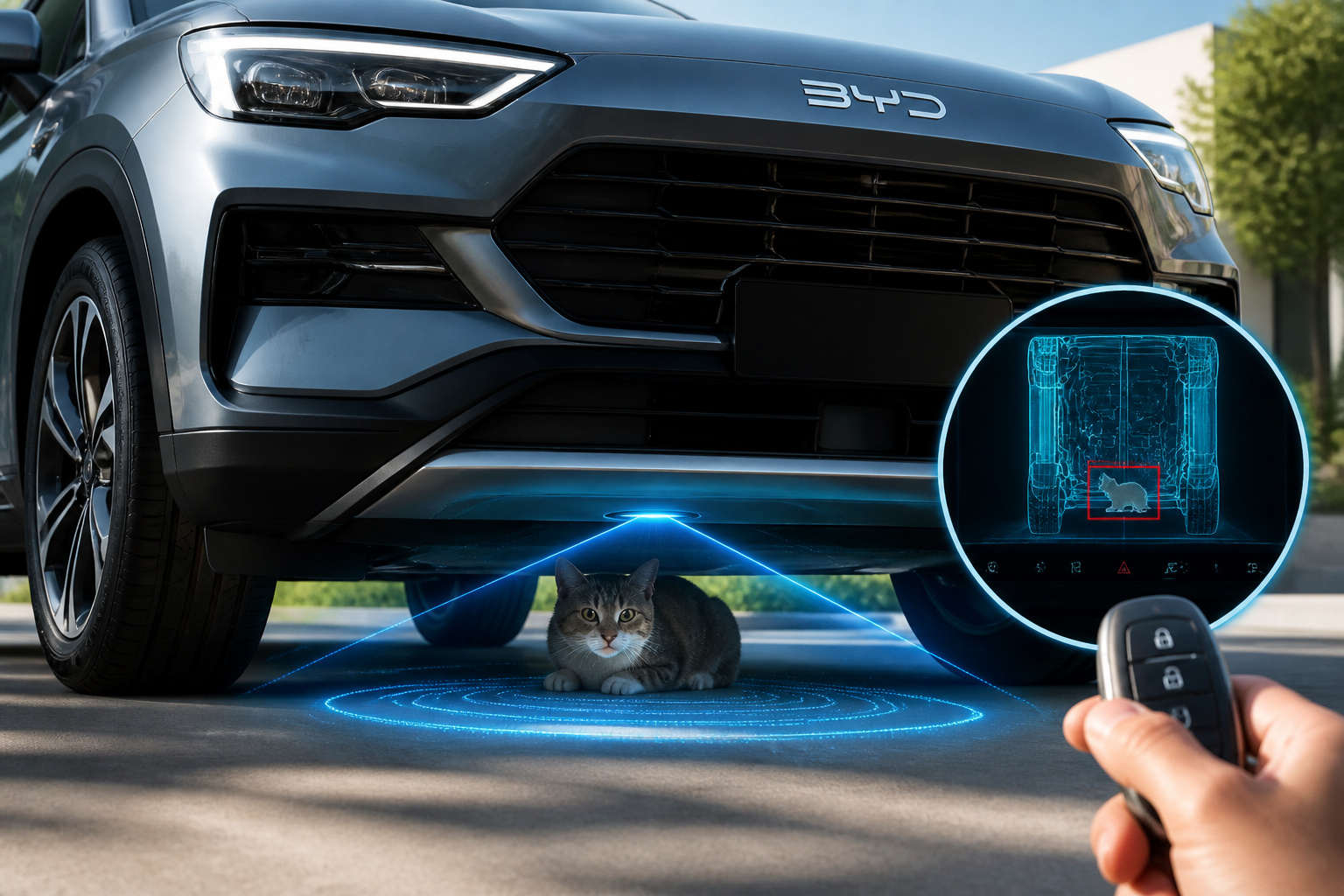
BYD Patents Revolutionary System Using Computer Vision to Detect Animals Under Cars Before Starting, Preventing Tragedies

-
Study Reveals Why Cars Are More Expensive to Produce and Buy in Brazil Compared to Mexico, Highlighting Taxes, Logistics, and Industrial Costs as Key Factors.
-
Toyota to Open New Factory in Brazil by November 2026 with $2.2 Billion Investment, Creating 2,000 Jobs, and Ending Corolla Production in Indaiatuba



Currently, Scout, from the Volkswagen Group, is trying to follow the same path but faces resistance from franchised networks.
The expansion of direct sales could make buying a car from a dealership a more accessible operation without losing warranties or services.
Dealership costs increase the value of the vehicle
The ICLE study details that maintaining large physical structures and a staff adds up to $1,900 to the price of each vehicle.
When combined with inventory, logistics, and financing interest costs that range from 6% to 9%, the final value increases even more — reaching $2,700 just for inventory management and vehicle movement in the lot.

Franchises were created to protect, but pass on costs
Historically, dealerships emerged to protect independent resellers from unfair competition with manufacturers.
However, according to the ICLE, this protection model ends up being passed on to consumers. Protecting an established distribution channel is not the same as protecting the end customer, the organization states.
The survey indicates that a large part of the amount paid does not reflect the car itself, but the dealership’s infrastructure.
From masonry and maintenance to payroll and inventory logistics, all these factors contribute to making buying a car from a dealership a more expensive option.
Tips to save on vehicle purchase
For those looking to save, alternatives like direct sales and online purchases can significantly reduce the price of the car.
According to the study, allowing manufacturers to adopt these models without intermediaries would help democratize access to vehicles at more competitive prices.
Study explains why buying a car from a dealership is more expensive and how structure, logistics, and franchises increase the final price of the vehicle.
With information from CanalTech