





 Português
  Inglês
  Espanhol
  3 min de leitura
  0 comentários


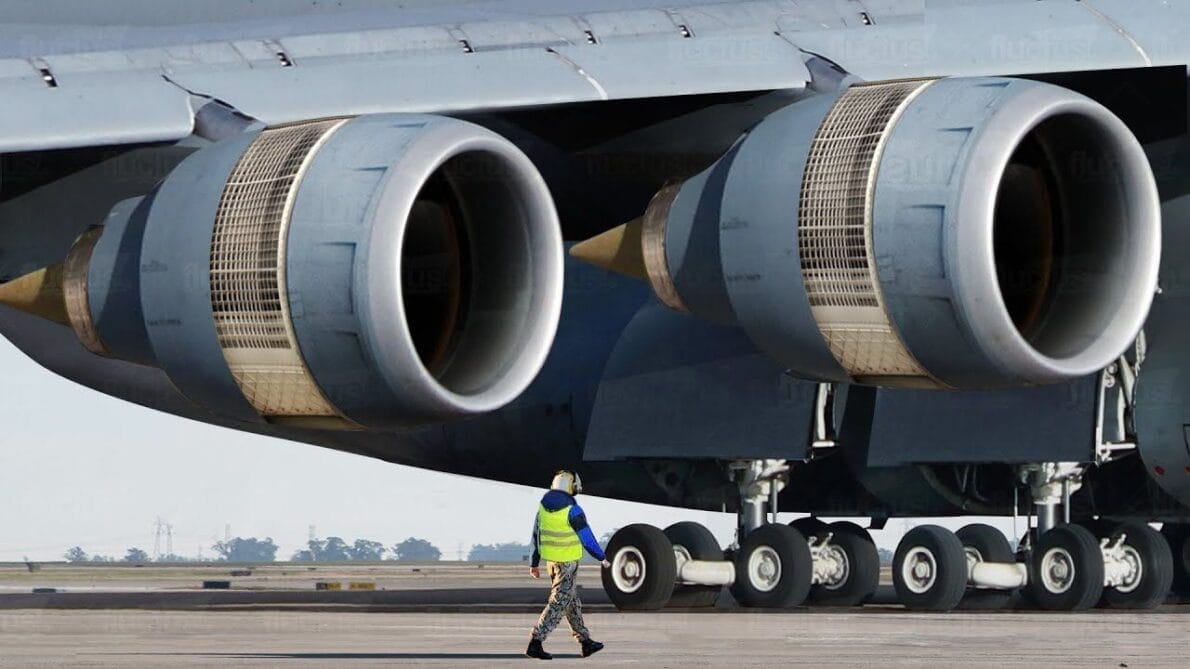
The Engines of the Lockheed Martin C5 Galaxy, of the US Air Force, Are So Powerful They Can Stop a 420-Ton Aircraft. Discover How These Amazing Engines Work and Their Importance.
The engines of the Lockheed Martin C5 Galaxy, used by the US Air Force, are so powerful they can stop a 420-ton aircraft. This military cargo plane, in operation since 1970, remains vital due to its capacity to carry enormous loads quickly and over long distances.
The Lockheed Martin C5 Galaxy is the largest military cargo aircraft in use by the US Air Force. Although it was introduced in 1970, this gigantic aircraft remains essential at air bases around the world.
Power and Capacity of the Engines
The C5 Galaxy measures 75 meters in length and has a maximum takeoff weight of 380,000 kilograms. With this colossal structure, it can transport loads for up to 4,184 kilometers at speeds of up to 857 km/h. To achieve these feats, the C5 relies on extremely powerful and versatile engines.
-
Chaos On Airplane Could Be Expensive: Proposal Aims To Prevent Disruptive Passengers From Flying For Up To 1 Year In Brazil And Face Fines Of Up To R$17,500

-
Man Arrested After Halting Takeoff of Fire Department Helicopter During Child Rescue in Guaratuba

-
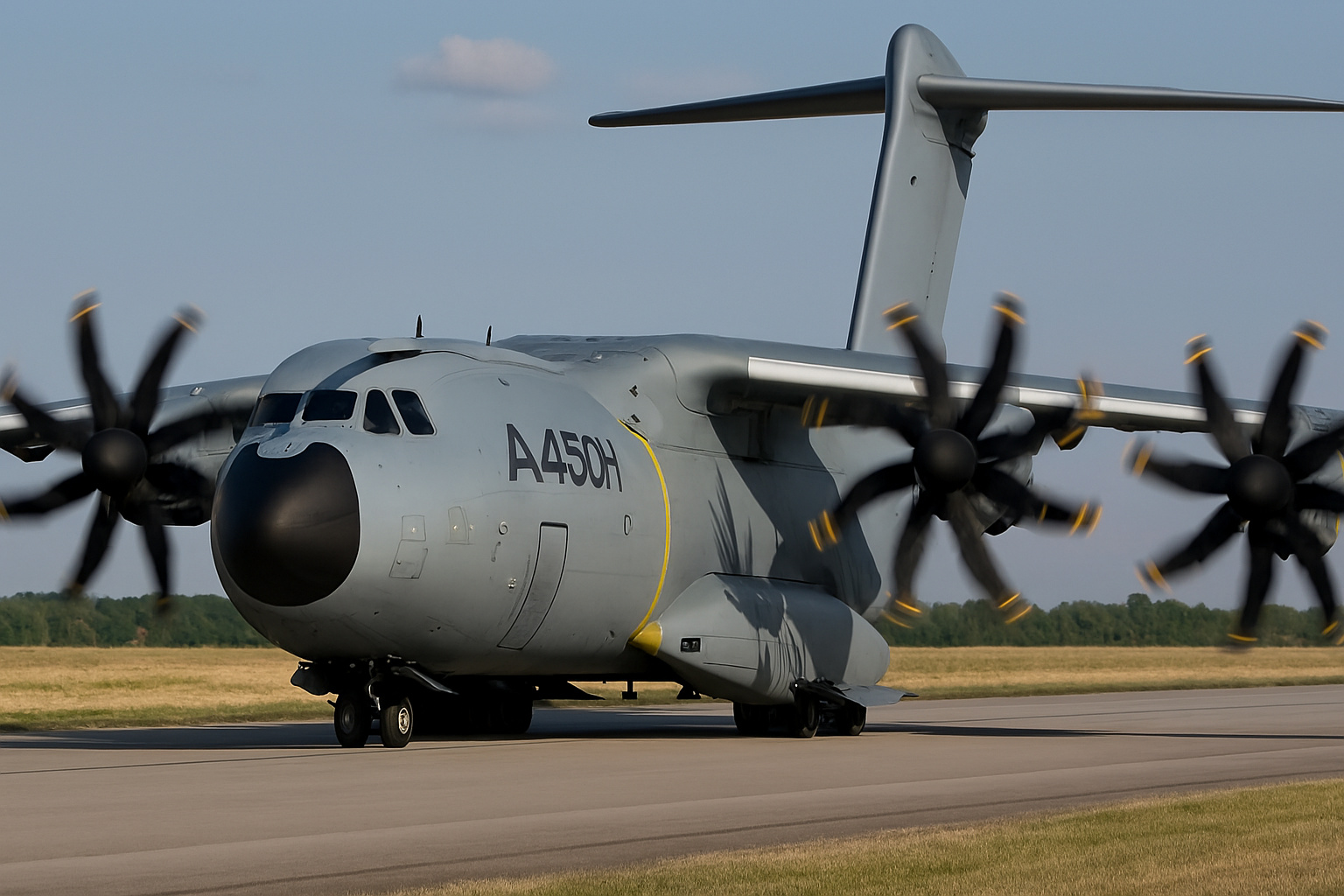
With 37 Tons of Cargo, Over 8,000 km Range, and Ability to Land on Unpaved Runways, the Airbus A400M Demonstrates How Europe Created a Military Giant That Transports Armored Vehicles, Aerially Refuels Fighters, and Operates in Conflict Zones and Humanitarian Missions Worldwide
-
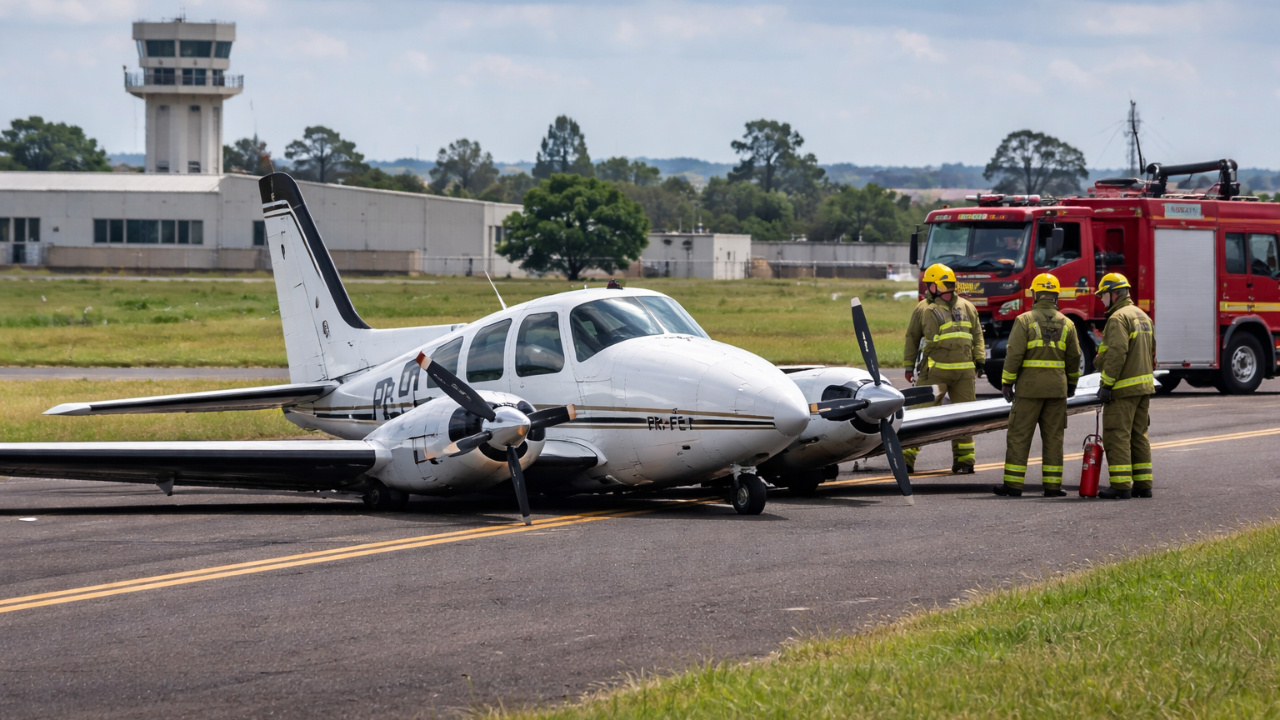
Emergency Landing in Campos Amarais After Bird Strike on Small Plane

The engines of the C5 Galaxy are four General Electric F-138-100 turbofans, each generating 51,000 pounds of thrust. These engines, with more than 2.5 meters in diameter and weighing nearly 4,500 kilograms, are responsible for the aircraft’s incredible performance, both in the air and on the ground.
Functions and Maintenance
One of the most impressive maneuvers these engines allow is ““reverse thrust“, where thrust is reversed to help slow the aircraft down quickly, even on short or improvised runways. This reduces taxi and takeoff time, allowing the C5 to move using its own power.
Due to their complexity and intensive use, these engines require constant maintenance. In some cases, it is necessary to replace the entire engine to ensure the C5 continues operating under optimal conditions. Maintenance includes removing the engine from the aircraft structure, facilitating detailed repairs.
Cargo Capacity
The cargo compartment of the C5 is 36 meters long and can carry up to 127,000 kilograms of cargo. This is equivalent to two Chinook helicopters, two Abrams tanks, or six Apache Longbow helicopters. Additionally, the C5 can carry up to 73 troops and all necessary equipment for their deployment.
The C5’s ability to transport large and heavy loads quickly makes it an essential asset for the US Air Force. Even after 50 years of service, it remains a frequent choice for operations that require transporting large volumes of cargo and personnel.
The engines of the C5 Galaxy are an impressive example of engineering and power. Capable of stopping a 420-ton aircraft, they highlight the importance of engine technology in military aviation. The US Air Force continues to rely on the C5 Galaxy, demonstrating that, even after decades of use, it remains irreplaceable due to its capacity and versatility.









Seja o primeiro a reagir!