





 Portuguese
  English
  Spanish
  5 min of reading
  4 comments


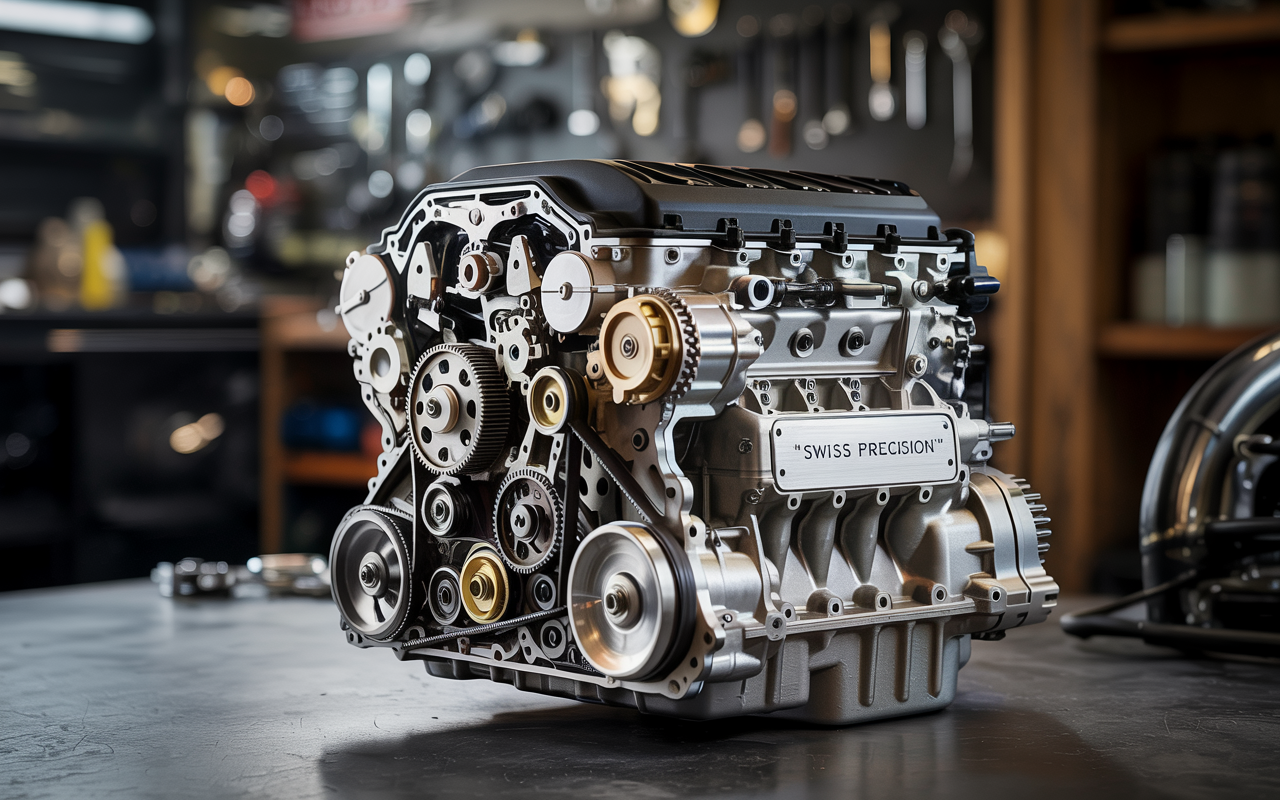

Despite Constant Evolution, Not All Engines Deliver What They Promise — Discover Which Are The Most Reliable Engines In The Automotive Market Today
In the vast universe of automotive engineering, few elements carry as much importance as the engine. It is the heart of any vehicle, responsible for converting energy into motion. However, beyond power and performance, there is a quality that is increasingly valued by consumers: reliability. Some car engines have become legends for functioning with such precision and durability that they seem to have been developed by Swiss watchmakers. This article dives into the behind-the-scenes of these engineering icons, analyzing why they are considered examples of reliable engines and how they gained this fame over the decades.
Reliable Automotive Engines: Why Are They So Valued?
The reliability of an engine is directly related to its ability to operate for long periods with little need for corrective maintenance. For consumers, this translates to peace of mind, savings, and safety.
ARTICLE CONTINUES BELOWSee also
Used automatic cars from Hyundai that are reliable, offer comfort, good performance, and cost between R$ 45,000 and R$ 75,000.

Electric car surprises on the Transamazon Highway as it tackles a mud pit; Saveiro and Hilux get stuck and need to be pulled out, while a milk truck crosses alongside with ease and draws attention.

The war in Iran could be the push needed for the electric vehicle market to truly explode because when the price of oil exceeds 100 dollars a barrel, combustion cars become a luxury, and China already dominates 60% of the global electric market.

Fiat is preparing an offensive with a 7-seater SUV larger than the Fastback, debuting in October 2026 with the Smart Car platform, electric versions with up to 400 km of range, turbo hybrid, new pixelated LEDs, and an advanced ADAS package.
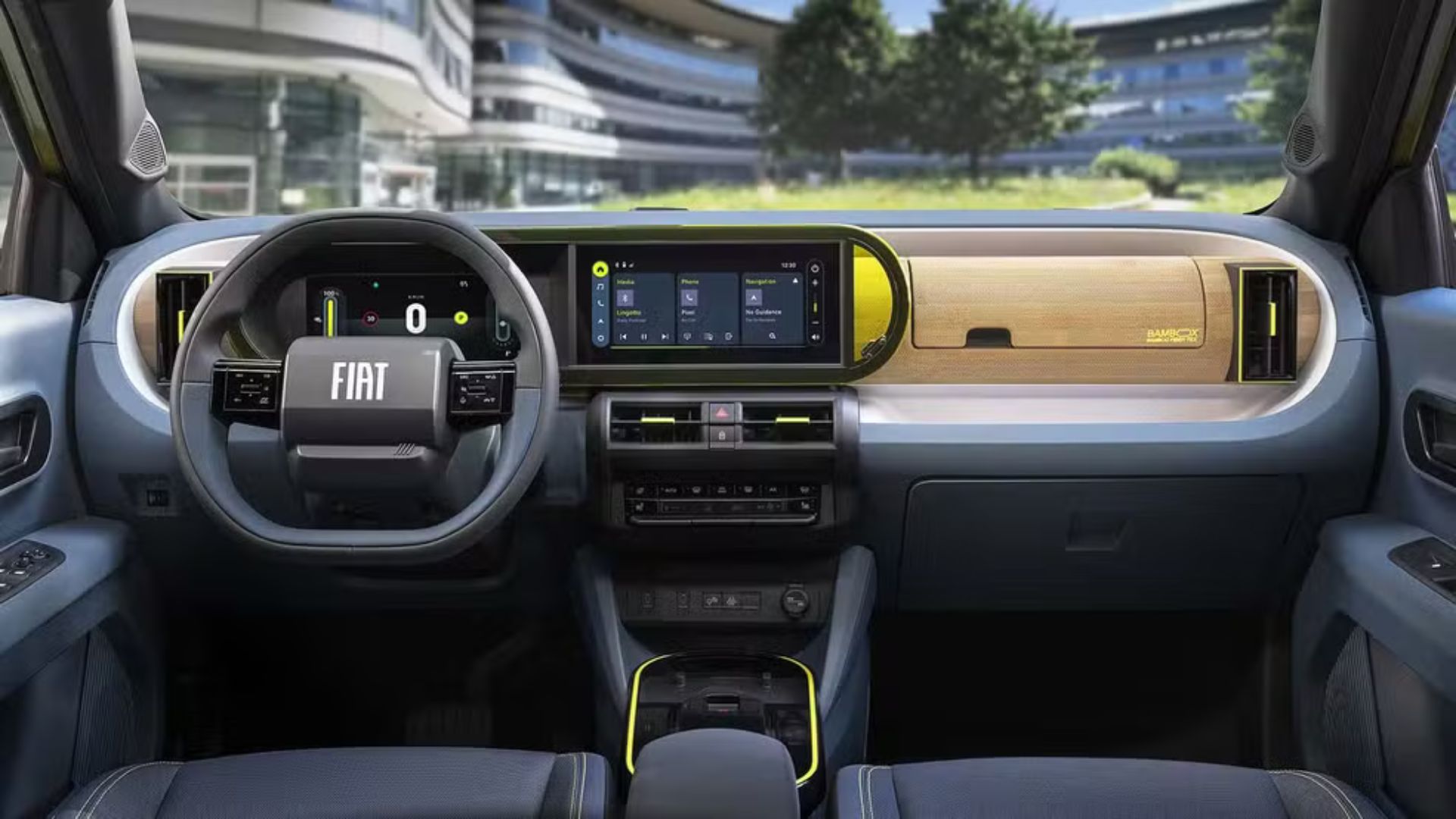
The car engines that stand out in this aspect share fundamental characteristics: simple design, high-quality materials, low electronic complexity (in some cases), accessible maintenance, and extensive testing during their development. In Brazil, some engines have gained legendary status due to these qualities. Let’s get to know them.

Volkswagen AP Engine: The Icon Of Robustness
Manufactured by Volkswagen do Brasil between 1985 and 2013, the AP engine (Alta Performance) is widely considered one of the most reliable engines ever produced in the country. It equipped models such as Gol, Parati, Santana, and Voyage. One of its main advantages was its simple and robust construction, which could withstand severe use and irregular maintenance without compromising its lifespan.


According to data from Volkswagen itself and specialized workshops, many AP engines reached the mark of 300,000 km without major interventions, requiring only basic maintenance. Its popularity was such that there is still today a huge community of enthusiasts and tuners dedicated to this engine.
Fiat Fire Engine: Economy And Efficiency

Introduced in Brazil in 2000, the Fire engine (Fully Integrated Robotized Engine) revolutionized Fiat’s lineup with its proposal for efficiency and savings. It equipped vehicles such as Uno, Palio, Siena, and Punto. According to Fiat, more than 3 million units were produced just in the country.
The reliability of the Fire engine comes from its compact design, which prioritizes easy maintenance, and the high quality of its internal components. A notable differentiator is its resistance to use with various fuels, making it ideal for Brazilian conditions. In tests conducted by magazines, the Fire engine outperformed competitors of the same category in durability and maintenance costs.
Toyota 1ZZ-FE Engine: Japanese Precision
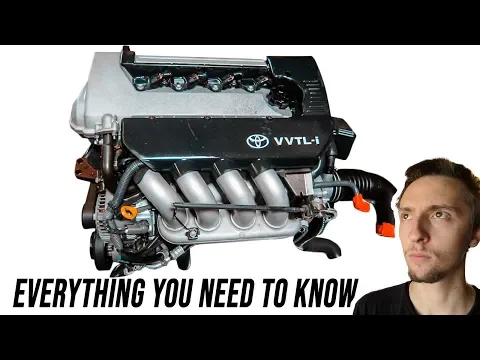
Between 1998 and 2007, Toyota produced the 1ZZ-FE engine, a 1.8 four-cylinder that stood out for its combination of efficient performance and unparalleled reliability. It was widely used in the Toyota Corolla, a car that became a symbol of durability worldwide.
Studies from Toyota indicate that the 1ZZ-FE was designed with minimal clearances, fatigue-resistant materials, and optimized lubrication systems. The result is thousands of units having surpassed 500,000 kilometers with regular maintenance, according to consumer posts. It is one of the biggest representatives of reliable engines in the global industry.
Chevrolet Family I Engine: A Brazilian Success Story
General Motors developed the so-called “Family I” of engines in Brazil, which equipped models such as Corsa, Meriva, Astra, and Montana. Produced for over two decades, this engine stood out for its balance between urban performance, low consumption, and mechanical durability.
Thanks to its modular design, the Family I engine was easily adaptable to different displacements and fuels, which expanded its application in the national market. Reports from owners and mechanics confirm that it is possible to reach over 250,000 km with the original engine by performing only routine maintenance.
Fiat Fiasa Engine: Longevity Comes First
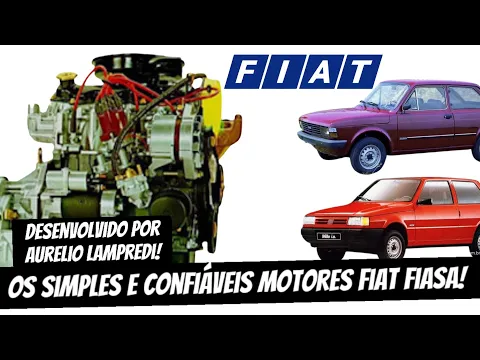
Another great national example of a reliable engine was the Fiasa, from Fiat. Launched in 1976, it premiered in the Fiat 147 as the first nationally produced alcohol engine in series production. It also equipped the Uno, Elba, and Prêmio models.
The Fiasa was recognized for its resistance, especially in the 1.3 and 1.5 versions. Its simple construction and easy access to parts and components made it an ideal choice for those who needed a car for daily work.
Honda K Series: High Engineering In Every Cylinder
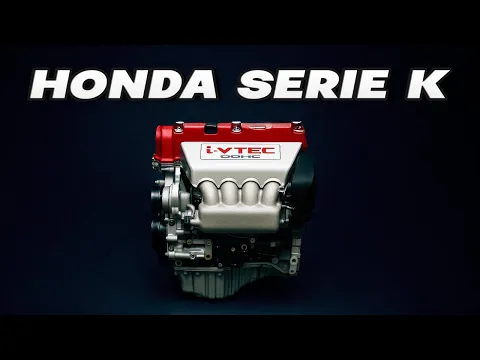
Honda is another brand recognized worldwide for its reliability, and part of this is due to the K Series of engines, used in models like Civic and Accord. Introduced in 2001, these engines feature i-VTEC technology, which adjusts valve openings according to engine speed.
With aluminum construction, low internal friction, and micrometric tolerances, the K Series combines performance and durability like few engines on the market. Regular check-ups are sufficient to keep these engines running for decades, even under severe use.
GM Small Block V8: The American Legend
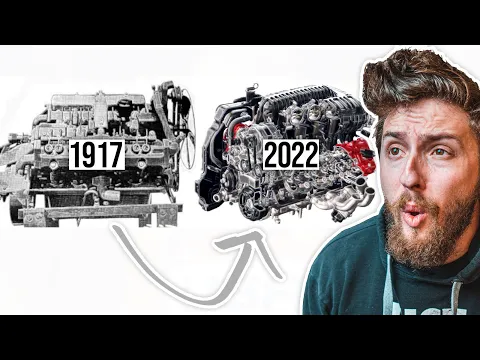
You cannot talk about reliable engines without mentioning the V8 Small Block from General Motors, in production since 1955. Known for its durability and ease of maintenance, this engine has equipped everything from trucks to sports cars.
Compact, reliable, and versatile, it has seen over 100 million units produced. Currently, it is in its sixth generation (Gen 6), with versions reaching up to 420 hp. Even in high-performance applications, the V8 Small Block remains synonymous with longevity.
The Importance Of Preventive Maintenance For Car Engines
Even the most reliable car engines in the world rely on one essential factor: preventive maintenance. Oil changes at the correct intervals, use of original parts, and attention to the manufacturer’s manual are practices that ensure the longevity of any engine.
The engines listed in this article represent the pinnacle of automotive reliability. Whether due to simple and effective designs or the use of advanced engineering technologies, these car engines have won generations of consumers and continue to be references in the industry. They prove that when well-built, an engine can operate with the precision and durability of a Swiss watch — a machine that simply does not fail.
For consumers, understanding which engines are reliable in the market is an effective way to make an intelligent choice when buying. After all, more than power, what is expected from a car is that it is always ready to run — without surprises along the way.









Motor CHT também é confiável?
Tanto o CHT que é um motor Renault, quanto os K4M e K7M 1.6 8V e 1.6 16V que foram um dos últimos motores lançados inquebráveis, se não me engano, chegaram ao mercado em 2004 e sairam de linha em 2018.
E hoje no Brasil estamos com esses motorzinhos de três cilindros com correia banhada a óleo, com vinte mil quilômetros já foi pro saco.
Motor é do TOYOTA Corolla é inquebrável e dura 1 milhão de km.
Por isso que é o carro mais vendido do mundo.