





 Portuguese
  English
  Spanish
  6 min of reading
  0 comments


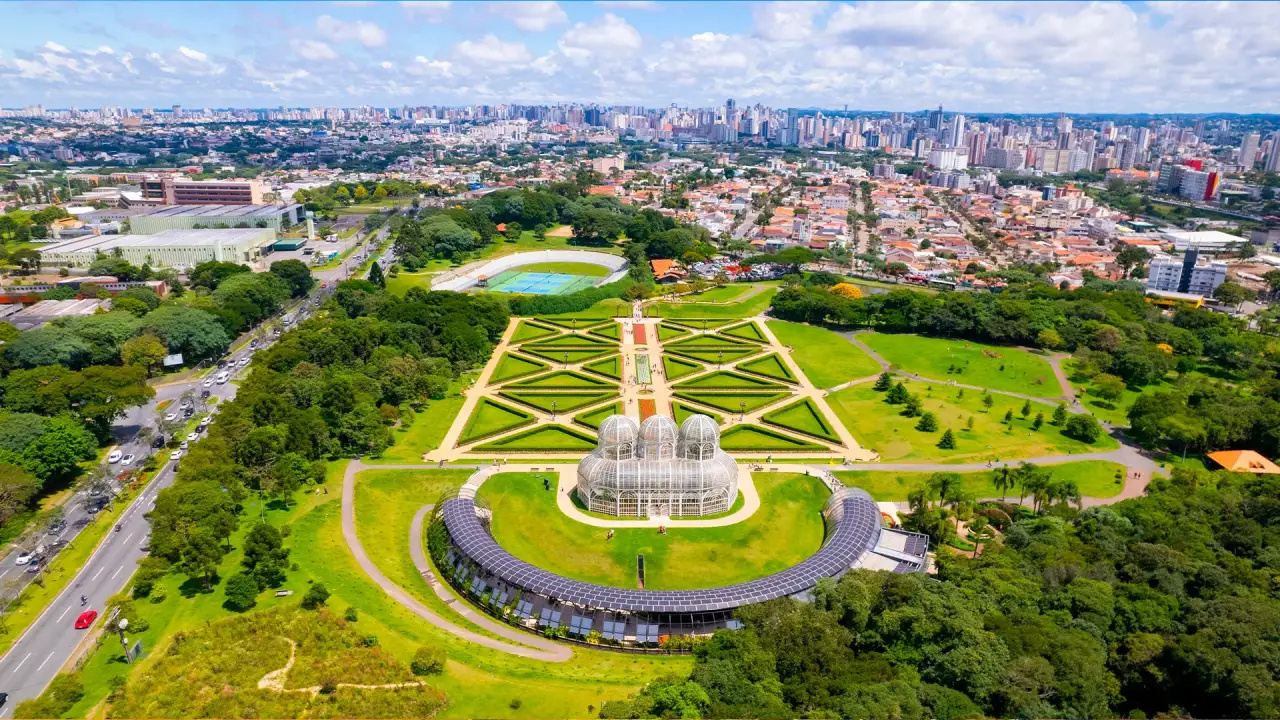
From Coffee to Economic Leadership! This Brazilian Capital Combines Fertile Lands, Strategic Ports, and Cutting-Edge Education with Innovation and Infrastructure to Grow
Imagine a state that combines fertile lands, planned cities, and an economy that grows faster than the national average. This is Paraná, the powerhouse of southern Brazil that is changing the game in the economic and social landscape. With a GDP of R$ 705 billion and a growth trajectory that leaves other states behind, Paraná is now the fourth-largest economy in the country, according to data from the IBGE. Its 11.4 million residents enjoy a remarkable quality of life, driven by well-targeted public policies, investments in education and health, and a infrastructure that makes cities like Curitiba shine on the global map. In 2023, the capital of Paraná was elected the smartest city in the world at the World Smart City Awards, thanks to projects that combine innovation and sustainability. Want to know how Paraná has come this far and why it could be the future of Brazil? Come with us!
From Coffee to Economic Power: Paraná’s Turnaround
The Paraná did not become an economic giant overnight. It all started back in the 1930s, when the state was the king of coffee, producing almost 28% of the world’s harvest in the 1960s. But depending on a single crop was a risk. The Great Depression of 1929, with the collapse of the New York Stock Exchange, proved this: global demand for coffee plummeted, and Paraná suffered. “The coffee crisis was a turning point. It forced the state to rethink its economy,” explains economist Eduardo Moreira in an analysis published in Jornal da USP. The state then diversified, exchanging coffee for crops such as soybeans, corn, and wheat, which became more profitable and stable. This movement opened the doors to the modernization of agribusiness and industrialization, transforming Paraná into one of Brazil’s main agricultural and industrial hubs.
Infrastructure That Makes a Difference in the Economy
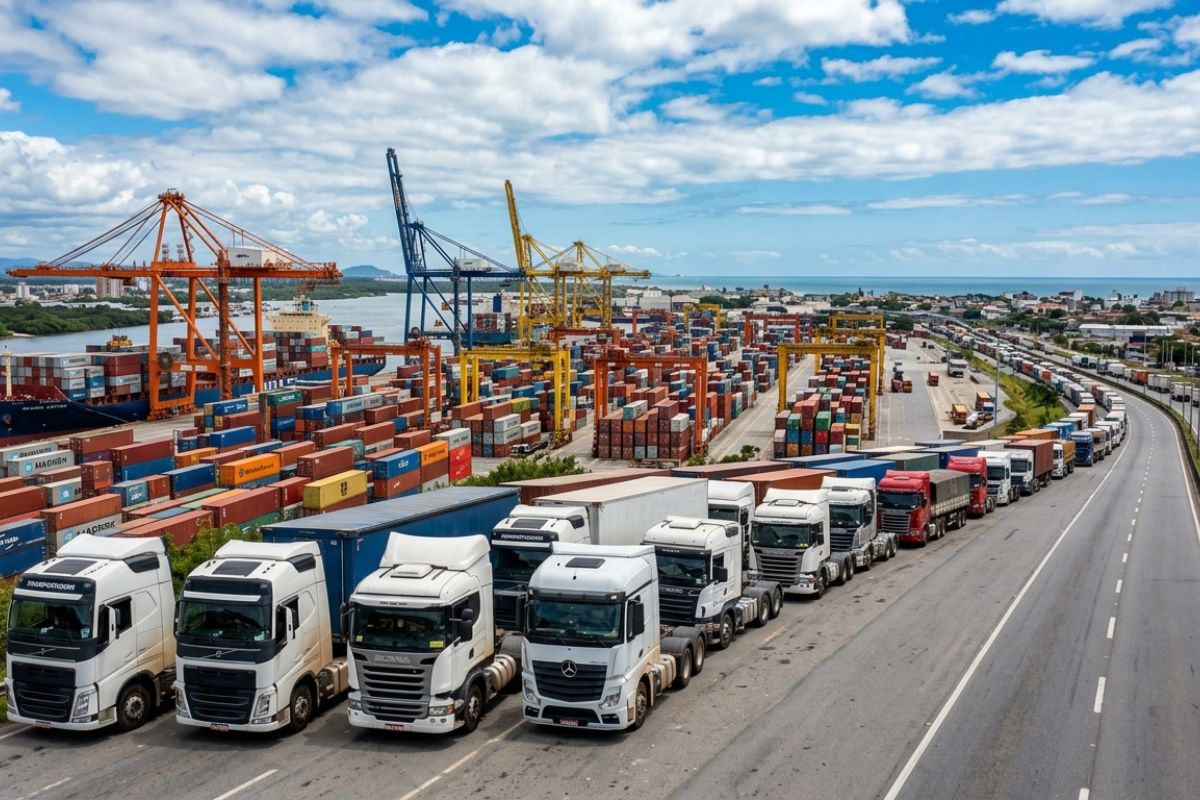
The infrastructure of Paraná is one of the secrets to its success. From the construction of modern highways to the Port of Paranaguá, the largest grain port in Latin America, the state is a strategic corridor for Brazil. “Our port is the backbone of grain and mineral shipments,” says João Arthur Mohr, director of the Port Administration of Paranaguá and Antonina. In 2024, the port moved 65 million tons of cargo, according to recent state government data. Additionally, the Itaipu Hydroelectric Plant, inaugurated in 1984, is a global landmark, providing clean and cheap energy to Brazil and Paraguay. Cities like Curitiba, Londrina, and Maringá have become industrial hubs, with highlights in the automotive, food, chemical, and pulp and paper sectors. This robust infrastructure attracts investments and creates a perfect environment for businesses, from startups to corporate giants.
-
A scientist proved with a thermal camera that the fan does not cool the environment but reduces the temperature of your skin by up to 6 degrees thanks to a natural mechanism of the human body that almost no one understands how it really works.

-
Scientists find a new explanation for the origin of Earth, which may have formed solely from material close to the Sun, changing an old theory and indicating that Jupiter may have been the cause of it all.

-
Brazilian beaches are among the most contaminated in the world by cigarette butts, with levels up to 40 times above the global average and areas where this waste already represents the majority of all the trash found.
-
2,000-Year-Old Machine Gun: Roman weapon found in Pompeii fires arrows at 109 m/s with an automatic gear mechanism, leaving perfect geometric patterns on the walls and proving its real use in the siege of 89 B.C.

Curitiba: The Capital of Innovation and Sustainability
Talking about Paraná without mentioning Curitiba is impossible. The capital is a global example of urban planning and sustainability. In 2023, it won the title of the smartest city in the world at the World Smart City Awards, thanks to initiatives like the Vale do Pinhão, an innovation ecosystem that has already won over 180 national and international awards. “Curitiba is a living laboratory of urban solutions,” says Cris Alessi, president of the Curitiba Development Agency. The Vale do Pinhão combines public policies, entrepreneurship, and technology, creating an environment where startups and large companies thrive. The city also has an efficient transportation system and global connectivity via the Port of Paranaguá, reinforcing Paraná’s role as a logistics hub in South America.
The Power of Agribusiness and Diversification
The economic development of Paraná has roots in its red soil, rich in nutrients like iron, aluminum, and potassium, which was once the basis of the coffee boom and now sustains agribusiness. The sector accounts for 33.9% of the state GDP, with a gross production value of R$ 131 billion, according to the Ministry of Agriculture. Paraná is the third-largest agricultural producer in Brazil, behind only São Paulo and Mato Grosso, and excels in producing soybeans, corn, wheat, and chicken, making it the second largest chicken exporter in the country. Cooperatives like Coamo, Cevale, and Copacol are pillars of this success, providing technical support and market access. “Cooperativism is the soul of our agribusiness,” highlights José Roberto Ricken, president of Coamo. Technology also boosts productivity, with innovations that position Paraná at the top of global competitiveness.
Beyond agriculture, the paranaense economy is diverse. In 2023, the industrial sector grew by 4.88% and the services sector by 3.79%, both above the national average, according to the IBGE. For 2024-2025, soybean production is projected to grow by 20%, reaching 22.4 million tons, according to projections from the Department of Rural Economy of Paraná. This diversification protects the state against crises and attracts substantial investments.
A Strategic State on Brazil’s Map
The location of Paraná is an asset. Bordered by Paraguay and Argentina, the state is a key player in Mercosur and connects the southern, southeastern, and central-western regions, which together account for more than 70% of Brazil’s GDP. “Paraná is an essential logistical corridor for Brazil,” says Governor Carlos Massa Ratinho Junior in an interview with G1. The Port of Paranaguá, for example, is the largest grain port in Latin America, handling everything from grains to minerals, fertilizers, and fuels. This connectivity, combined with cutting-edge infrastructure, makes Paraná a magnet for companies looking to grow in the South American market.
Education and Innovation: The Future of Paraná
Paraná is not just about agriculture and industry. The state leads the Basic Education Development Index (Ideb), with the best education in Brazil, and jumped to third place in the Brazil Innovation and Development Index (Ibid) between 2014 and 2024. “Investing in education is investing in the future of our economy,” says Roni Miranda, Secretary of Education of Paraná, in an interview with Folha de S.Paulo. In the state competitiveness ranking, Paraná achieved fourth place in infrastructure, surpassing the Federal District and Paraíba. These advances attract new businesses, especially in sectors like technology, sustainable energy, and biotechnology.
Economic Growth That Impresses
In 2023, the GDP of Paraná grew by 5.8%, double the national average of 2.9%, according to the IBGE. Between 2019 and 2023, the state recorded a jump of 8.9% in GDP, compared to 7.8% for Brazil. Agribusiness drove this growth, with an increase of 26.9% (compared to 15.1% of the national average), but the industry and services also excelled. “Paraná is reaping the rewards of decades of strategic planning,” comments economic analyst Luiz Carlos Hauly in an analysis for Estadão. Looking ahead, the state aims to maintain this pace, with soybeans leading agricultural production and new investments in technology and innovation.
The Path to Becoming the Richest
The Paraná is on the right path to becoming one of the richest states in Brazil. Its dynamic economy, supported by smart policies, cutting-edge infrastructure, and sustainable development, is an example for the country. But the state cannot stop. To maintain the momentum, it needs to invest more in education, strengthen the startup ecosystem, and attract external investments. “The future of Paraná depends on our continued innovation and diversification,” asserts Governor Ratinho Junior. With a solid foundation and a long-term vision, Paraná is ready to lead Brazil in growth and quality of life.
What do you think of Paraná’s success? Leave your comment and share this article to inspire more people!




-

Uma pessoa reagiu a isso.