





 Portuguese
  English
  Spanish
  5 min of reading
  0 comments


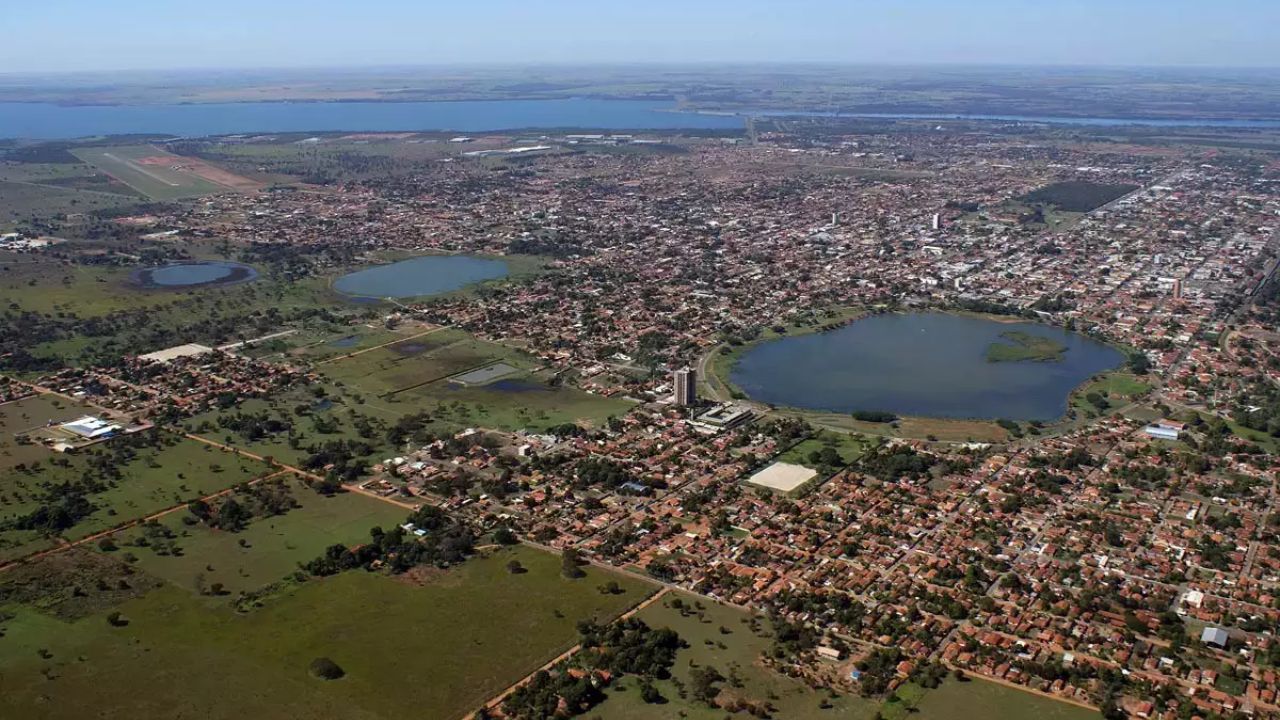


With a Jump from R$ 3.9 to R$ 65.9 Billion in 14 Years, This City in MS is Now a Symbol of Industrial Planning and Modern Infrastructure
With an economy once centered on livestock and local trade, the municipality of Três Lagoas, in Mato Grosso do Sul, is experiencing a new cycle of growth and modernization. Driven by the pulp industry, the city saw its Gross Domestic Product (GDP) jump from R$ 3.9 billion in 2010 to R$ 65.9 billion in 2024 — a growth of 17 times in just 14 years, according to data from the Brazilian Institute of Geography and Statistics (IBGE), highlighted in a report by the newspaper Folha de S.Paulo. The advancement is not limited to the economy: per capita GDP grew by 170% and reached R$ 104,352, one of the highest in the country.
The direct driver of this transformation is the pulp industry, led by Eldorado Brasil, whose factory was installed in the city in 2010 and began full operations in 2012. Since then, Três Lagoas has been nationally recognized as the “Pulp Capital,” a title formalized by federal law in 2021. The city not only leads state production, with 86% of the pulp exported in Mato Grosso do Sul, but also ranks first in the national ranking, ahead of historic centers like Aracruz (ES). By 2024, the city collected US$ 2.29 billion (R$ 12.71 billion) from sector exports, according to a survey based on the Comex Stat platform.
Industrial Boom Drives Jobs, Revenue, and Urbanization
The economic leap brought changes in all areas of local life. The population increased from 101,791 inhabitants in 2010 to around 141,435 in 2024, according to the most recent estimates from IBGE. The number of formal jobs rose by 61.7%, from 27,181 to 43,970 positions. Additionally, more than 2,900 new businesses were registered just in 2024, highlighting the dynamism of the business environment.
-
The largest food company on the planet, JBS, has just opened a 4,000 square meter laboratory in Florianópolis to develop customized proteins that modulate muscle mass gain, immune response, and metabolic performance.

-
After nearly 30 bids and competition among industry giants, a Spanish company purchases one of the largest airports in Brazil for almost R$ 3 billion and takes over the management of Galeão in a concession that will last until 2039.

-
The Federal Revenue Service now automatically cross-references everything you declare with data from banks, credit cards, brokerage firms, and insurance companies, and any discrepancy between your income and your expenses triggers an alert in seconds.

-
Amid global tensions, Brazil blocks the United States’ proposal at the WTO and paves the way for a trade crisis and possible retaliations.


According to Mayor Cassiano Maia (PSDB), the arrival of the industry brought not only wealth but also modernization. “Before, our growth was timid, based on traditional activities. Today we have technology, jobs, and development. The industry attracted other companies and created a service ecosystem that changed the city,” he said. This movement also had a direct impact on municipal revenue: the ISS rose from R$ 28.1 million in 2010 to R$ 129.7 million in 2024, while the ICMS jumped from R$ 53.1 million to R$ 305.6 million.
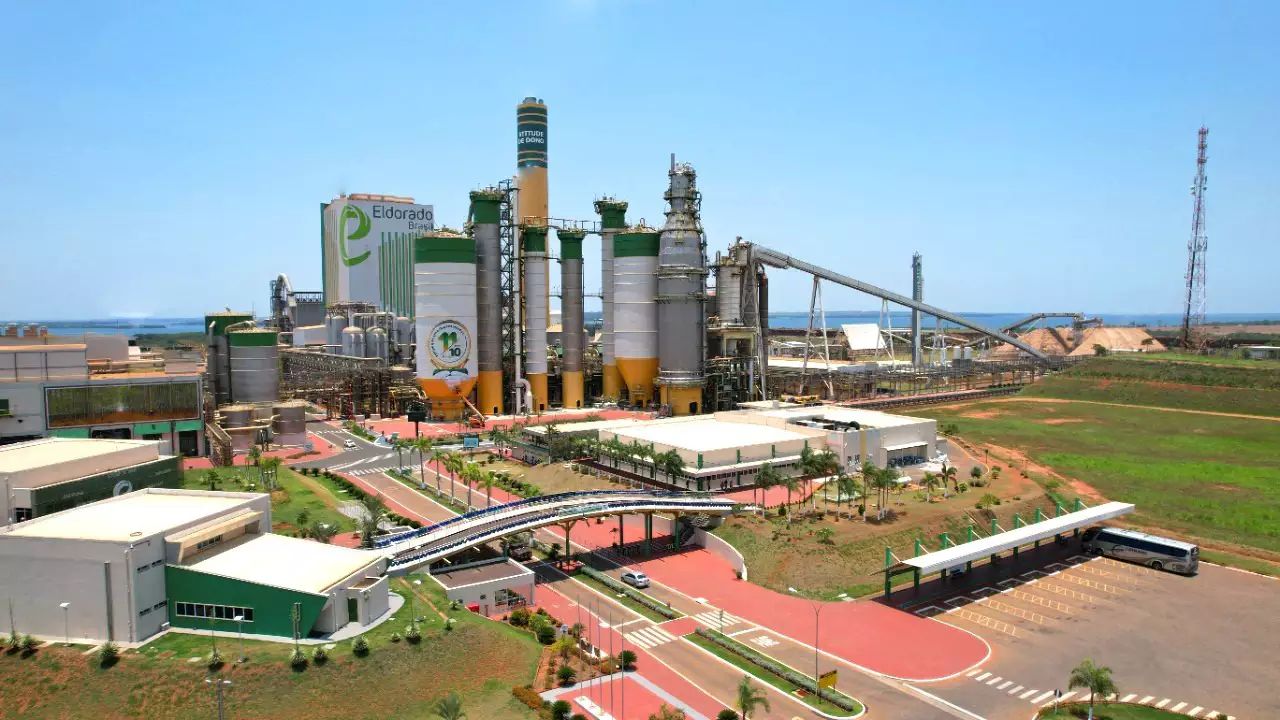
For Carlos Monteiro, industrial director of Eldorado, the development of Três Lagoas is linked to the modernization of industrial processes. The company’s plant exceeded its nominal capacity of 1.5 million tons per year and reached almost 1.8 million tons of pulp produced in 2024, even in a year of technical stoppage. This was made possible by the use of Industry 4.0 technologies, artificial intelligence, and automated logistics. “In 10 years, we produced the equivalent of 11 years. This is only possible with planning, innovation, and operational efficiency,” Monteiro emphasized.
The influence of Eldorado is also evident in urban infrastructure. Reports indicate that nearly all streets have been paved, and there has been an expansion in health, education, leisure, and gastronomy services. The number of medical specialties has increased in local hospitals, reflecting public investments made possible by the increase in revenue.
Strategic Investment Hub Attracts Companies and Suppliers
The consolidation of Três Lagoas as a national hub is part of a broader state strategy. The government of Mato Grosso do Sul estimates that R$ 50 billion will be invested in the forest base sector by 2028, which already occupies 1.35 million hectares with eucalyptus and pine plantations. The so-called “Valley of Pulp,” formed by 11 municipalities with Três Lagoas at the forefront, was officially recognized by the state Legislative Assembly and attracts large business groups.
State Secretary of the Environment, Jaime Verruck, attributes this success to a public policy initiated in the 1970s that encouraged eucalyptus planting. The region stands out for its sandy, flat soil, ideal for mechanization, and a climate favorable to forestry. From the 2000s onwards, the state began to offer privileged conditions for large investors: speed in environmental licensing, legal security, and tax incentives. “Today we can license a plant in just a year, while elsewhere in the country this can take five,” he explained.
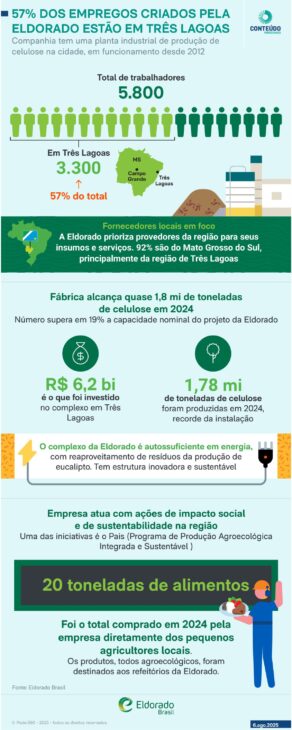
The growth of Três Lagoas is also reflected in the supply chain. In 2024, Eldorado hired 690 suppliers, 92% of whom are from Mato Grosso do Sul. The company prioritizes local hiring and provides technical and managerial training to partners, fostering regional development. This strategy creates a feedback loop: the more services the city can offer, the more companies are interested in setting up in the municipality.
In addition to generating jobs — about 3,300 direct collaborators just at the Três Lagoas unit — Eldorado also contributes to workforce training. The company offers scholarships in partnership with 50 educational institutions and collaborates with the local Senai to ensure professional training in various industrial areas.
Logistics, Energy, and Sustainability Ensure Continuous Expansion
The social impacts go beyond the industry. The company created projects to value local agriculture, purchasing agroecological foods from small producers to supply internal cafeterias. In 2024, 20 tons of organic food were purchased through the Pais Program (Integrated and Sustainable Agroecological Production).
In terms of infrastructure, the federal government and the state are betting on logistics to maintain the growth pace. In 2024, the concession for the so-called Pulp Route was auctioned, a R$ 10 billion project that includes duplications and improvements on 870 km of federal and state highways. Another strategic investment is the rail connection between Três Lagoas and the Northern Grid, a route that reaches the Port of Santos. Eldorado already operates there with its own port terminal, EBLog, which required R$ 550 million in investments and increased shipping efficiency by 30%.
The company also invested in clean energy generation. The Onça Pintada thermoelectric plant, inaugurated in 2021, uses eucalyptus biomass and forest waste to generate 50 MW — enough to supply a city of 700,000 inhabitants. The factory itself is energy self-sufficient, utilizing by-products such as lignin to power its boilers and turbo generators.
These efforts align with Eldorado’s commitment to sustainability and innovation. “We are focused on reducing the use of natural resources, emissions of gases, and effluents, keeping indices below legal limits. Our goal is to generate shared value and promote local development responsibly,” Monteiro concluded.







A primeira grande produtora de celulose a se instalar na região foi a Suzano, junto com a International Paper produzindo Papel, antes da Eldorado.