





 Portuguese
  English
  Spanish
  5 min of reading
  0 comments


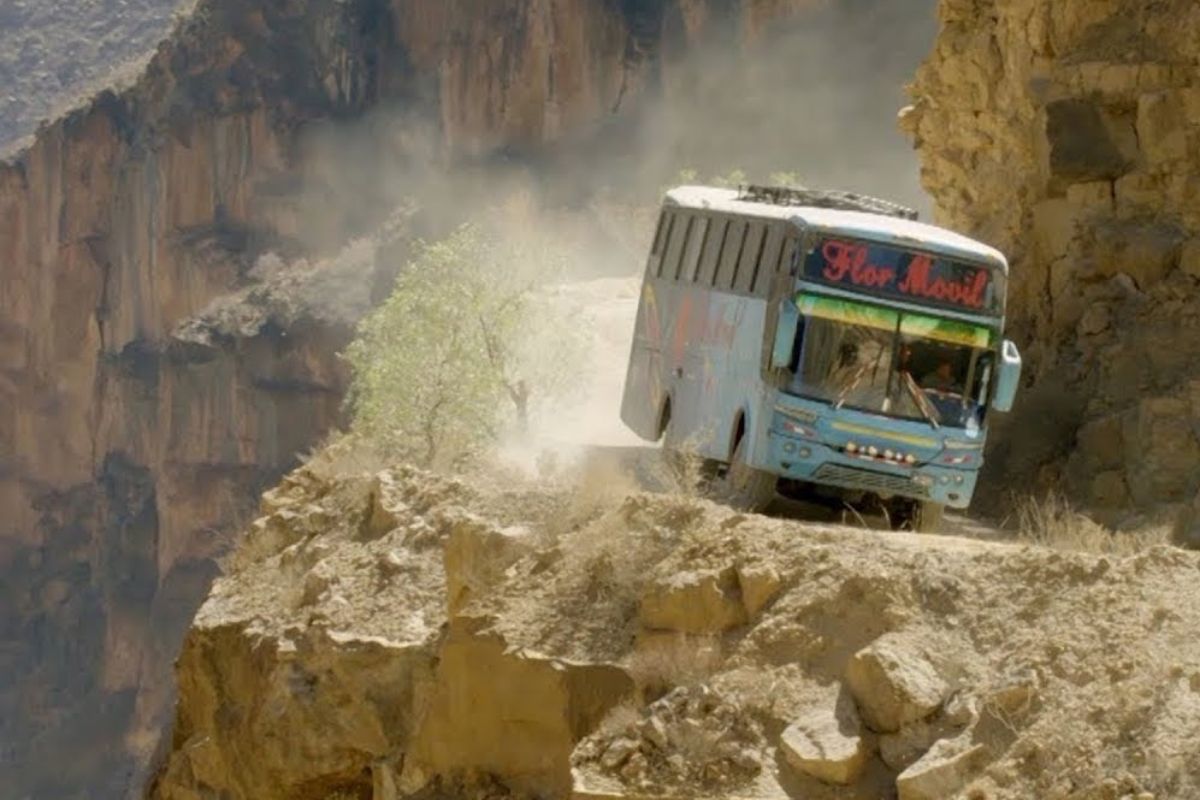
The Most Dangerous Bus Route in the World Links Peru’s Mountains to Lima, with Drops of a Thousand Meters, Zigzag Curves Known as Horse Killers, and a Veteran Driver Who Prioritizes Arriving Alive Over Arriving Quickly
The most dangerous bus route in the world crosses the Peruvian Andes and ends in Lima, on a journey where deadly cliffs, steep descents, and blind curves turn every trip into a survival test. There, risk is not a metaphor: it is geography, gravity, and a narrow road.
At the center of this routine is Glorioso, a Peruvian driver who has been driving buses for over 50 years. He started at 14, driving trucks through the Andes, and today treats the road as a life discipline: his own pace, patience, and absolute focus on arriving alive.
Where the Route Is Located and Why It Is Considered Extreme

The route takes place in Peru, on mountainous roads of the Andes heading to Lima.
-
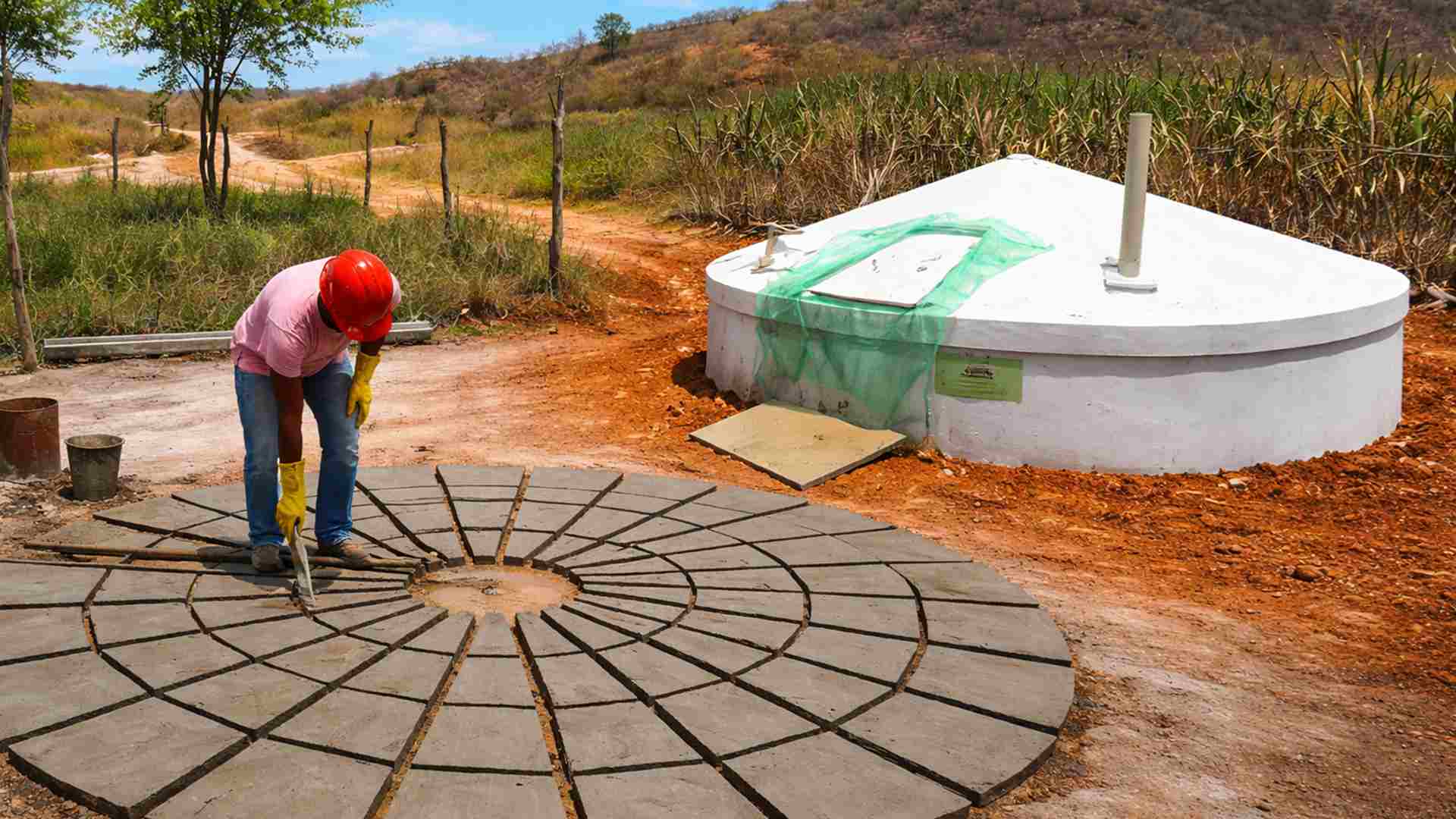
How to build a 35,000-liter cistern with 60 by 50 cm panels and rainwater for drinking and cooking without relying on water trucks or the city hall.
-
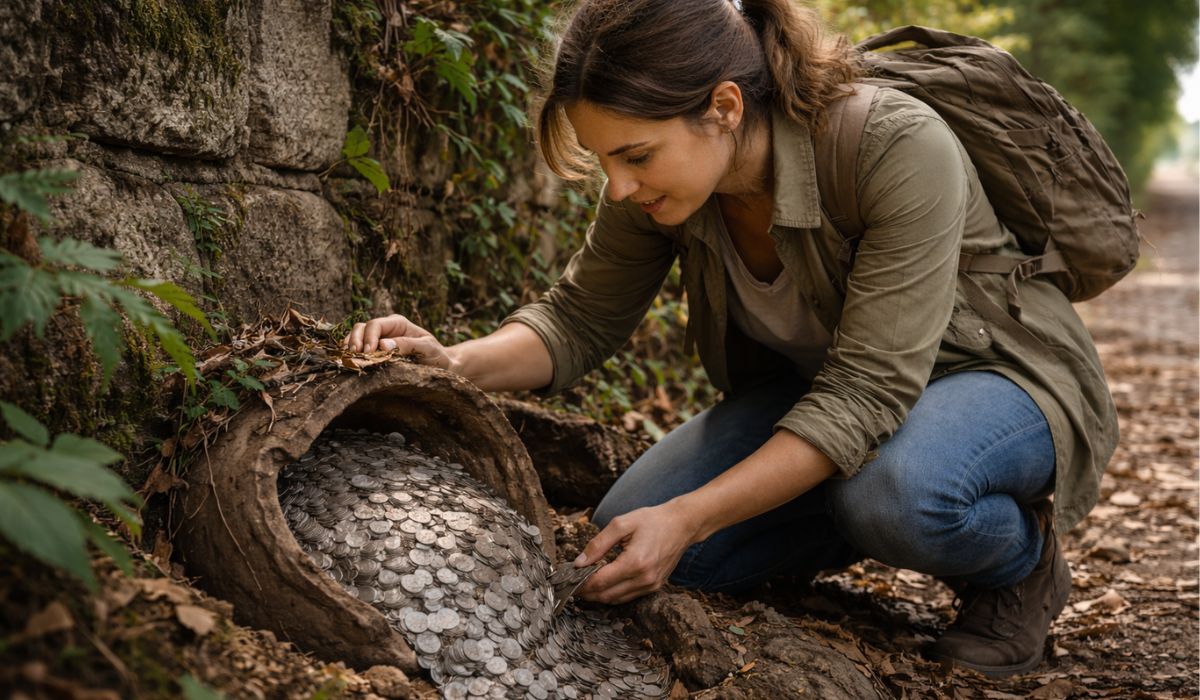
A woman went out for a regular walk and ended up finding a treasure buried for over 900 years, with more than 2,000 medieval silver coins compared by archaeologists to a lottery prize and considered one of the most significant finds in recent years in the country.
-
Scientists revealed 11 signs that very intelligent people exhibit in their daily lives, and most people have no idea that some of these common behaviors are directly linked to an above-average brain.

-
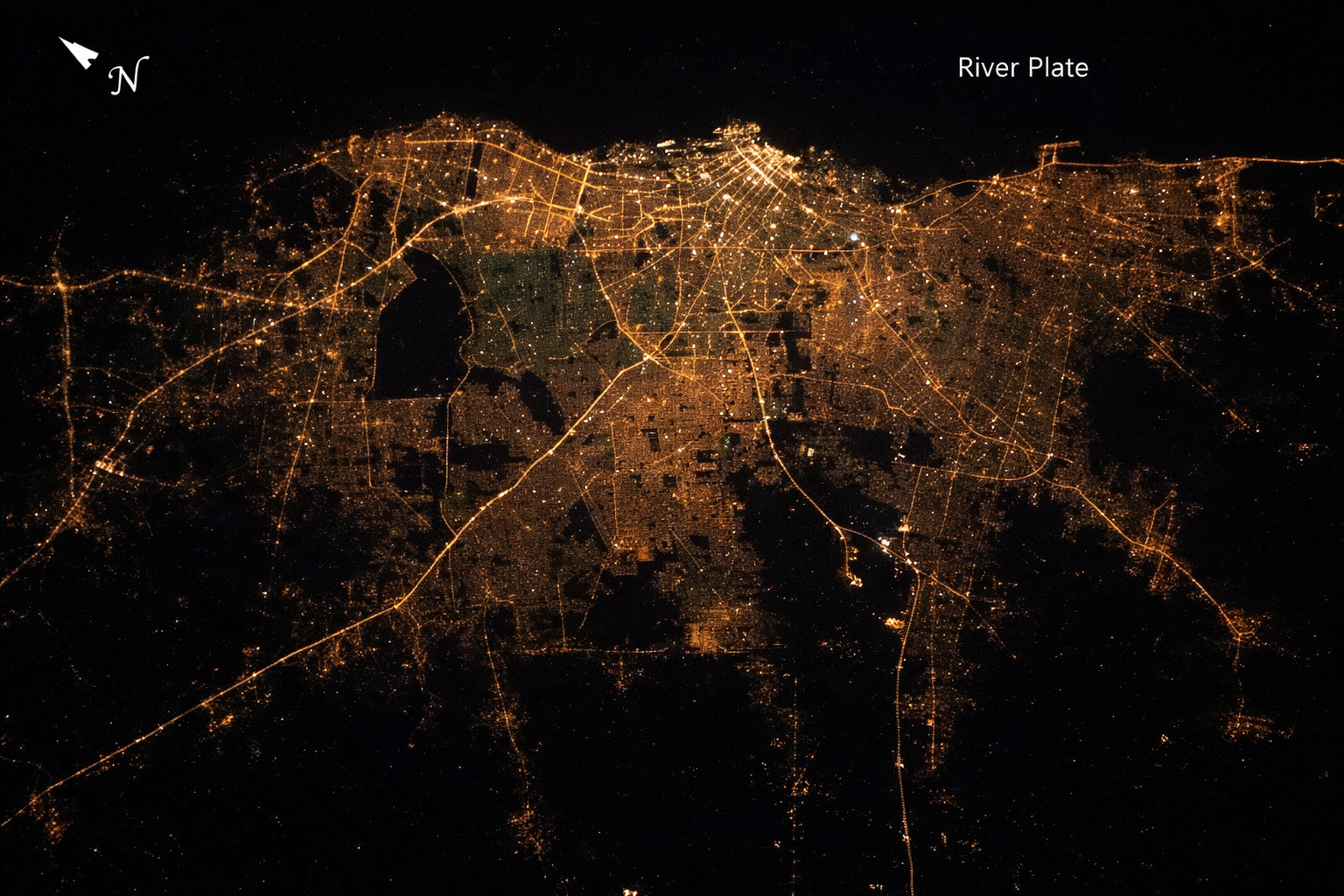
From space, Buenos Aires appears as a colossal spot of light surrounded by kilometers of darkness, revealing at a single glance the exact boundary between the metropolis and the countryside, seen from 400 km altitude.

The start of the journey already imposes a physical shock: a descent of a thousand meters in a sequence of zigzags known locally as “horse killers,” a name that reveals the danger level associated with the stretch.
The combination that makes the most dangerous bus route in the world so feared is straightforward: height, aggressive elevation changes, abrasive pavement, and no margin for error.
The road does not forgive distraction, excessive speed, or worn tires.
Who the Driver Is and Why 50 Years on the Road Made Headlines

Glorioso is presented as a man seen by some locals as a hero in Yka Bomba, described as someone with one of the most dangerous jobs in the world: a mountain bus driver.
He has been behind the wheel for over 50 years and began his driving career as a teenager, at 14, driving trucks throughout the Andean region.
His longevity is not depicted as luck, but rather as method.
He has been making the route for 12 years, repeating the journey with the same logic: not competing with the mountain, but negotiating with it.
The Descent of the “Horse Killers” and the Zigzag Logic
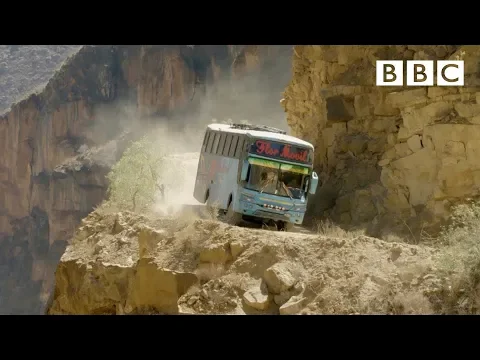

The zigzag stretch is described as a drop of a thousand meters, in a series of tight curves that require low speed and precision.
The name “horse killers” points to a local history of accidents and dangers that predates modern buses and spans decades of road.
In this type of descent, each curve acts as a brake against gravity.
The zigzag is the way to reduce incline and control the vehicle, but it also multiplies risk points: blind curves, cliff edges, and a constant need to brake.
The Invisible Cost of the Road: Tires That Last Ten Weeks
A technical detail reveals how the route takes a toll on equipment as well.
The mountain roads are described as abrasive, to the point where tires last only ten weeks. This reveals two layers of the problem: the friction is extreme and maintenance becomes part of the risk.
A worn tire on a cliff road is not just a financial expense.
It’s the kind of failure that can turn a curve into a tragedy.
Therefore, the accelerated wear becomes a direct indicator of the terrain’s severity.
More Than a Thousand Lives Lost Per Year and the Weight of Daily Risk
The most grim fact of the route appears without romanticization: every year, over a thousand lives are lost on Peru’s mountainous roads.
The number is not attributed to a single stretch, but rather to the set of mountain routes, reinforcing that danger is systemic, spread across altitudes, valleys, and narrow paths.
In this scenario, the most dangerous bus route in the world becomes a symbol of a country where roads merge with the very topography, and where the journey depends as much on technique as on respect for limits.
When the Journey Gets Even Worse: Traffic in the Valley
If the mountaintop already poses a challenge, the narrative points out that the really difficult part is further down, when traffic appears.
The change of environment alters the risk: it was just the mountain, then it becomes mountain plus human unpredictability.
Vehicles heading in the opposite direction, overtaking, uneven rhythms, and the haste of other drivers disrupt the logic of control.
The valley, described as a place where what comes next is not easy to predict, is where risk ceases to be merely geographical and becomes social as well.
The Culture of “Arriving Alive” and the Informal Rule That Protects Travelers
Among the passengers, behavior is portrayed as routine, unhurried, as if the risk had created its own culture.
The local phrase summarizes the philosophy of the journey: it is better to arrive a little late in this world than soon in the next.
This mindset is, in practice, a collective survival mechanism.
When the path punishes speed, society learns that time is an acceptable cost and that haste is the enemy.
What Keeps the Long Career on a Deadly Road
The secret attributed to the long career of a Peruvian bus driver on this route is simple and repeated daily: to take the mountains at his own pace.
There is no promise of efficiency; there is commitment to return.
On the most dangerous bus route in the world, the engine does not conquer gravity, the steering wheel does not control the cliff, and the road does not negotiate.
What remains is the daily decision to slow down, observe, brake early, respect the zigzag, and accept that arriving alive is worth more than arriving quickly.
Would you have the courage to face the most dangerous bus route in the world to get to Lima, or would you prefer to avoid any road that relies on “arriving a little late” to stay alive?








Seja o primeiro a reagir!