





 Portuguese
  English
  Spanish
  4 min of reading
  0 comments


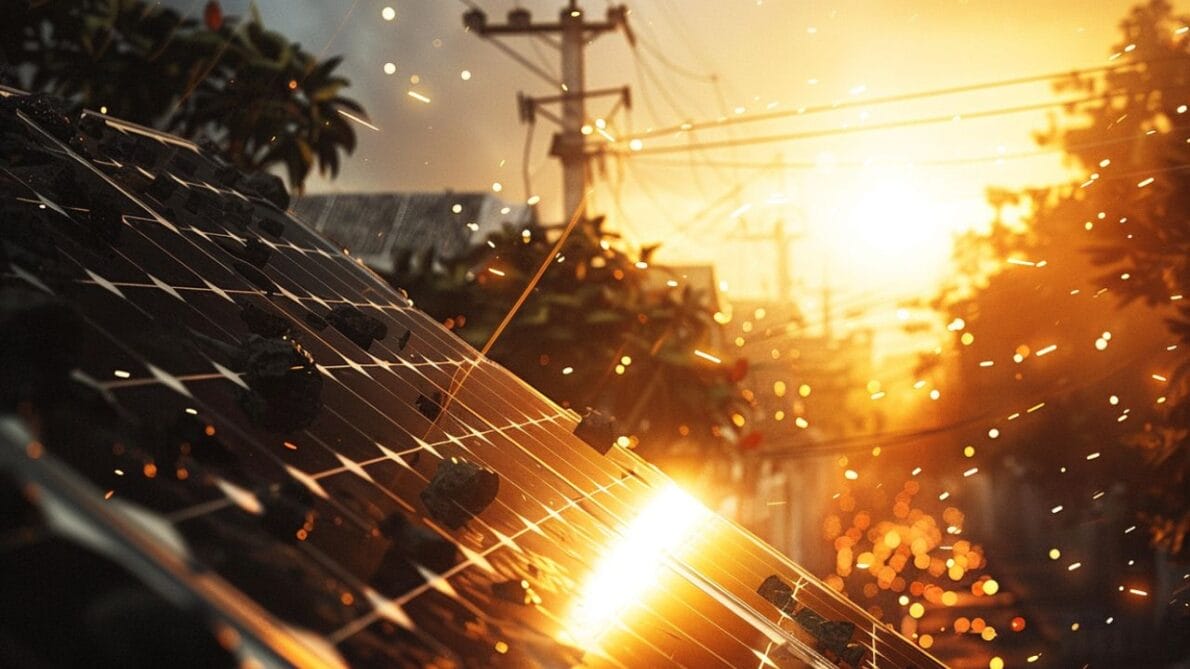
Solar energy, with its battery storage capability, offers a reliable and sustainable solution to avoid blackouts, replacing fuel generators with a faster and less costly maintenance alternative.
In a world grappling with frequent energy instability, solar energy emerges as a promising solution. Utilizing the sun, an inexhaustible energy source, photovoltaic systems store energy that can be crucial during blackouts. This renewable resource not only promotes sustainability but also ensures a more robust and reliable energy grid for consumers facing unexpected power interruptions. Again, we had the privilege of talking to Bruno Lowczy, an expert with 10 years of experience in the renewable energy sector who guided us on this news.
Solar technology with batteries offers substantial benefits, such as the ability to generate and store clean energy, as well as reducing dependence on fossil fuel-powered generators. These systems ensure a quick response to power outages, operating in milliseconds compared to the slowness of conventional generators. However, despite these advantages, the challenge remains in its large-scale application and effective integration into existing energy infrastructures, which are essential to mitigate the effects of major blackouts. Understand practically how to get rid of blackouts with solar energy with Bruno’s contribution.
What Are the Main Benefits of Using Solar Systems with Batteries to Protect Against Blackouts?


Solar energy is a sustainable solution against blackouts and power outages. Through the storage of energy generated from the sun, which is a renewable energy source. The advantages of using solar systems with batteries include the generation and storage of clean energy, the ability to generate carbon credits (sustainable currency), and the lack of need to install a generator for emergency power systems, as well as the battery bank’s response time being much faster, in the order of milliseconds, compared to combustion engines which may take seconds to minutes.
-
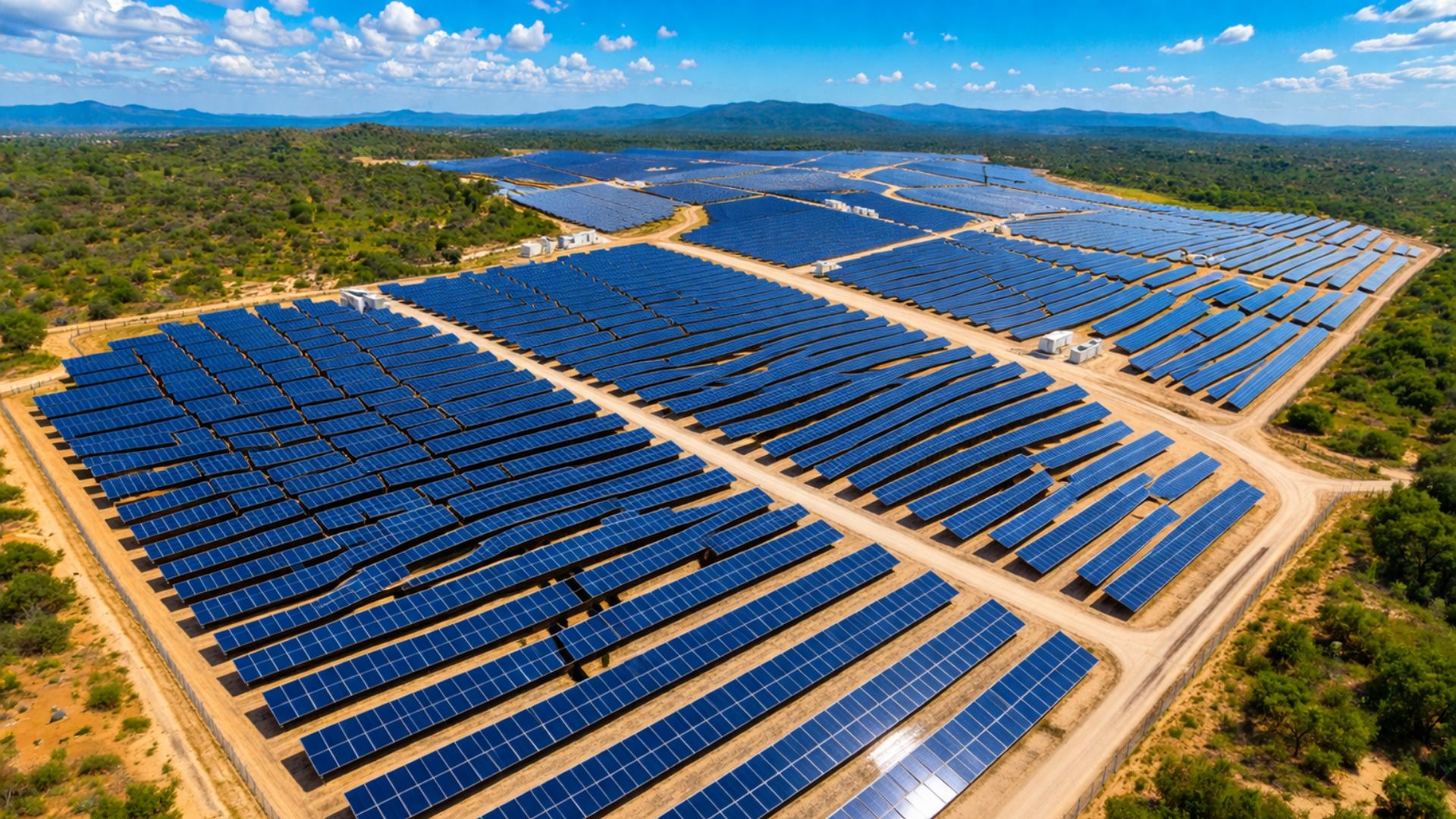
The Sol do Agreste Photovoltaic Complex begins operations in Pernambuco and accelerates the expansion of solar energy in Brazil, directly impacting the reduction of emissions and strengthening the sustainable energy matrix.
-
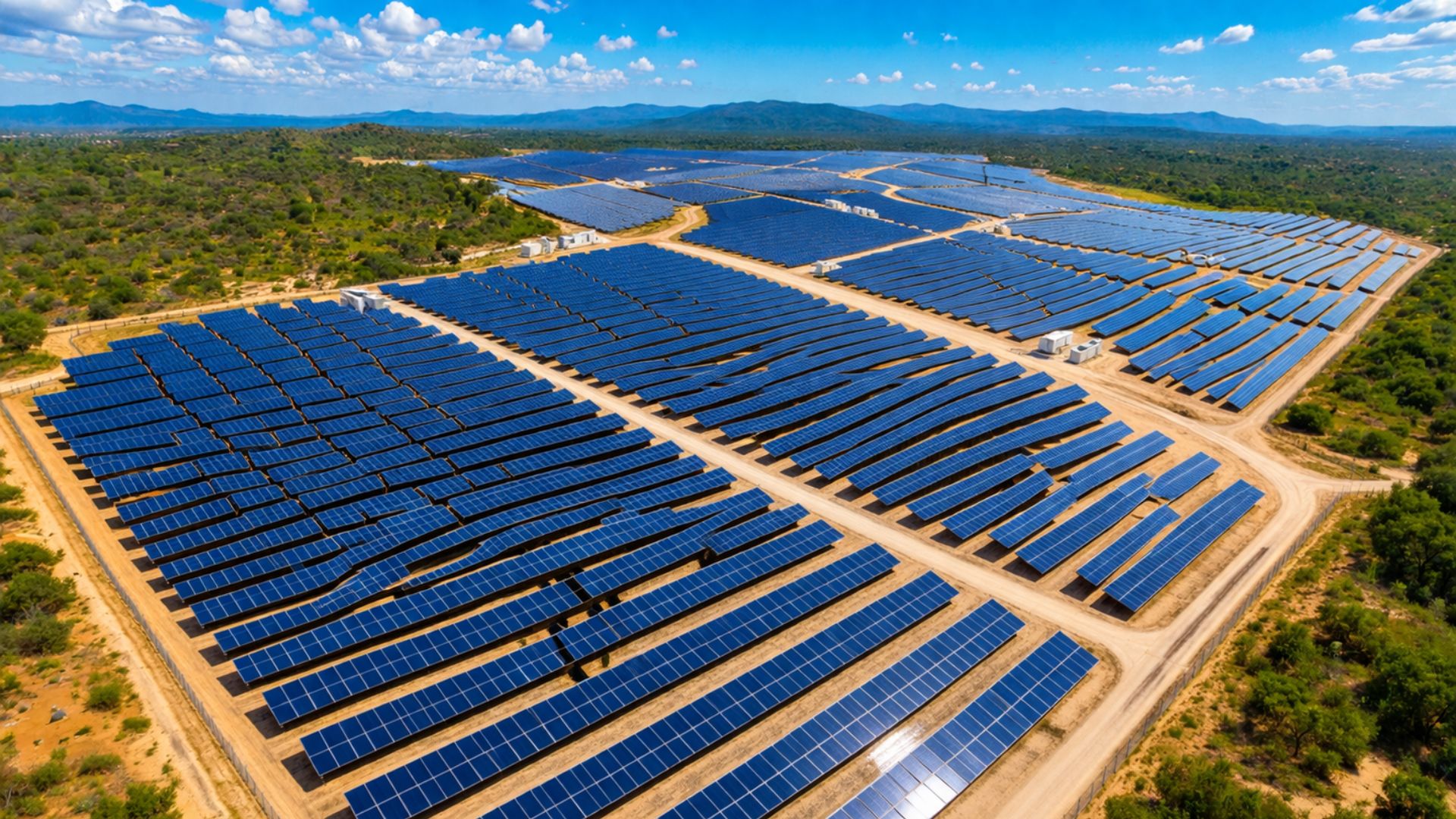
The Sol do Agreste Photovoltaic Complex begins operations in Pernambuco and accelerates the expansion of solar energy in Brazil, directly impacting the reduction of emissions and strengthening the sustainable energy matrix.
-
Renewable energy advances over protected areas in Brazil, and a survey by the Energy Transition Observatory reveals silent impacts that challenge environmental conservation and pressure sensitive traditional territories.

-
Rio Grande do Sul accelerates energy transition: State invests in renewable technologies and consolidates decarbonization strategies and pathways to attract billions in new industrial investments.


Maintenance is also another factor that is a benefit since with maintenance-free batteries, you only need to clean the photovoltaic panels every three months, unlike the generator with a combustion engine, a mechanical device that needs to be turned on every month, adjusted, calibrated, etc.
What Are the Challenges and Perspectives for Using Solar Energy as a Solution Against Large-Scale Blackouts?
Large-scale blackouts happen for numerous reasons, it could be due to a failure in the utility’s infrastructure or even bigger problems like a lack of energy generation relative to high consumption… in both cases, solar energy can effectively solve and improve our national energy chain.
According to ABSolar, the peak generation of photovoltaic systems coincides with the peak consumption of Brazilians around 2 PM, assisting other energy generations from other sources. In case of infrastructure failure, for example, if a wind knocks down a cable, the energy storage system can meet the local need; the more systems of this type over the years, the less Brazilian society in general will suffer from interruptions in energy distribution from utilities.
What Type of Professional Is Recommended to Assist in the Installation and Sizing of a Solar System Focused on Protection Against Blackouts?
Hybrid or off-grid systems can be directed for this purpose, and it is necessary to have a qualified professional engineer or technician, registered with the professional council, in the specialty of electrical engineering or renewable energies. You will also need a photovoltaic installation leader, photovoltaic installers, and general assistants in the team.
Is There Any Final Message You Would Like to Leave for the Public About Solar Energy and Its Relationship with Blackouts?
Currently, photovoltaic systems focused on energy storage to supply equipment during power outages have been a huge advantage compared to the traditional method of using generators. The initial investment is not much higher compared to traditional systems, and maintenance costs are significantly lower, in addition to benefits like obtaining carbon credits, for example.
In the short term, the photovoltaic system can be more advantageous even with the initial cost being slightly higher. It is also possible from hybrid systems to connect a generator, the grid, and solar energy generation, increasing redundancy and making the energy storage system more robust. In cases where power cannot be absent at all.
What Items of Solar Energy Do You Need to Avoid Blackouts at Home?
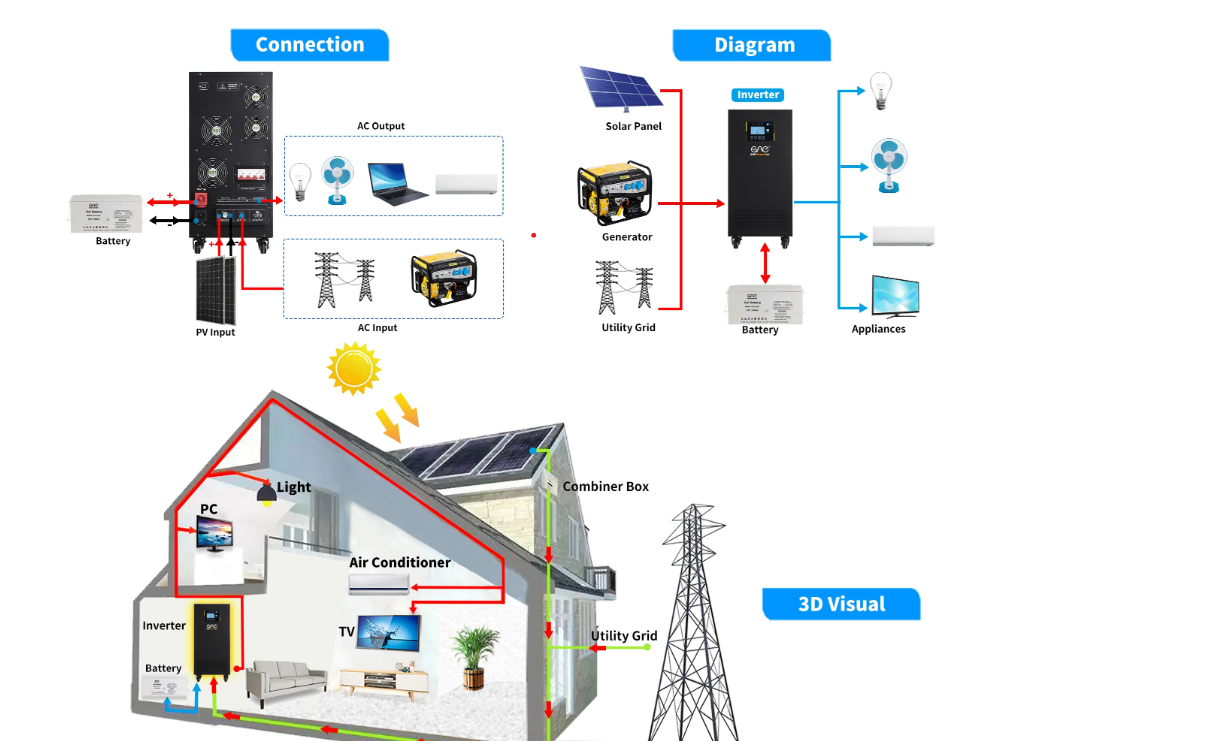
You need an off-grid photovoltaic system (SEE HERE), the only difference from the hybrid system is that the charge controller is separate from the inverter and nothing is connected to the grid. A completely isolated system. In order to use it solely to supply energy, an automatic transfer switch is necessary to detect the grid failure and activate the battery bank.
Or from a hybrid photovoltaic system. The hybrid system includes photovoltaic panels, protection panels, batteries, and a hybrid inverter, which is the brain of the system and already has an automatic grid transfer system. To talk to Bruno Lowczy (11 97656-1952). An example of a diagram:








Seja o primeiro a reagir!