





 Portuguese
  English
  Spanish
  4 min of reading
  0 comments


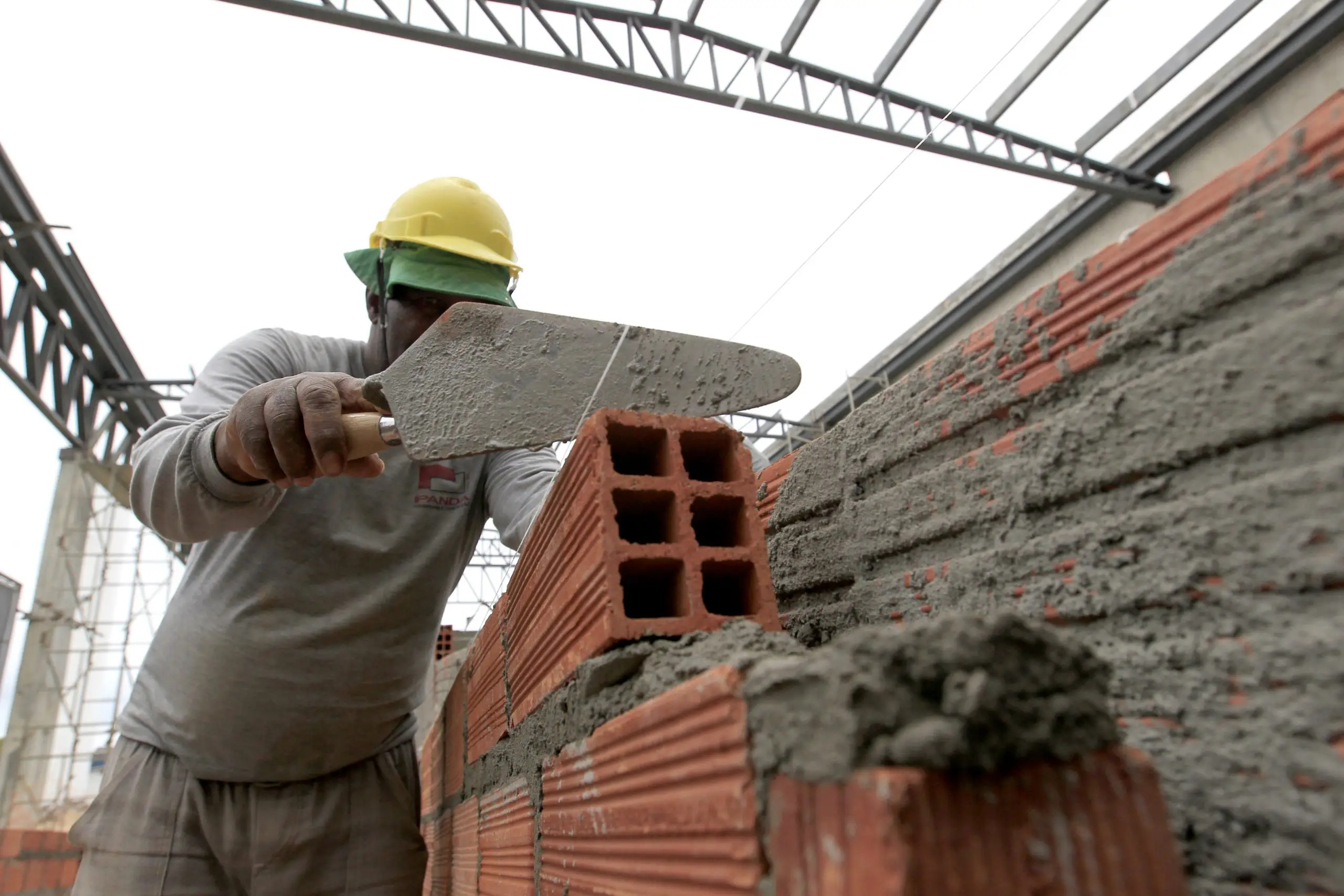
Understand How Generative Artificial Intelligence Is Revolutionizing Construction by Automating Processes, Reducing Costs, Optimizing Schedules, and Increasing the Sustainability of Projects.
Imagine a construction site where the project adapts in real-time, materials are calculated with surgical precision, and potential problems are anticipated even before the first brick is laid. This is no longer a futuristic scenario; it is the reality of modern construction with the rise of generative artificial intelligence. The sector, traditionally resistant to innovation, is waking up to opportunities that promise greater precision, cost reduction, and sustainability.
Generative AI: It’s Not Just Prediction, It’s Creation
Unlike traditional AI, which is limited to analyzing data, generative artificial intelligence goes beyond: it literally designs new possibilities for projects, schedules, materials, and layouts in construction. This means:
- Automatic creation of architectural plans, exploring space optimization, lighting, and ventilation;
- Simulations of whether the project will be affected by weather, resource shortages, or logistical bottlenecks, across multiple scenarios;
- Suggestions for combinations of materials with lower costs and reduced environmental impact;
In other words: generative AI in construction allows designers to “imagine” projects before even breaking the ground.
-
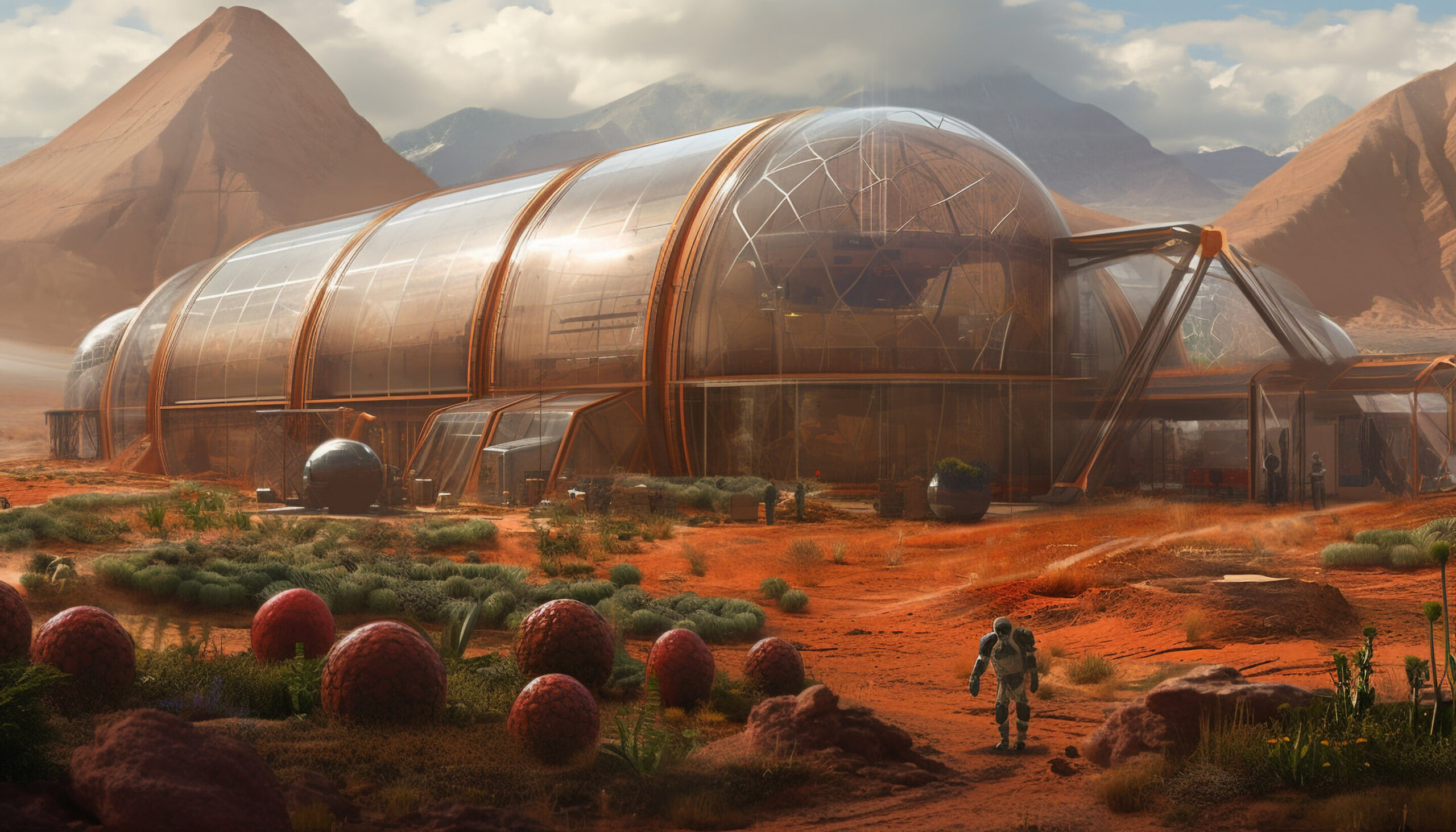
How the terraforming of Mars can transform the planet: artificial aerosols can increase the temperature by up to 35°C in 15 years, creating conditions for liquid water.
-
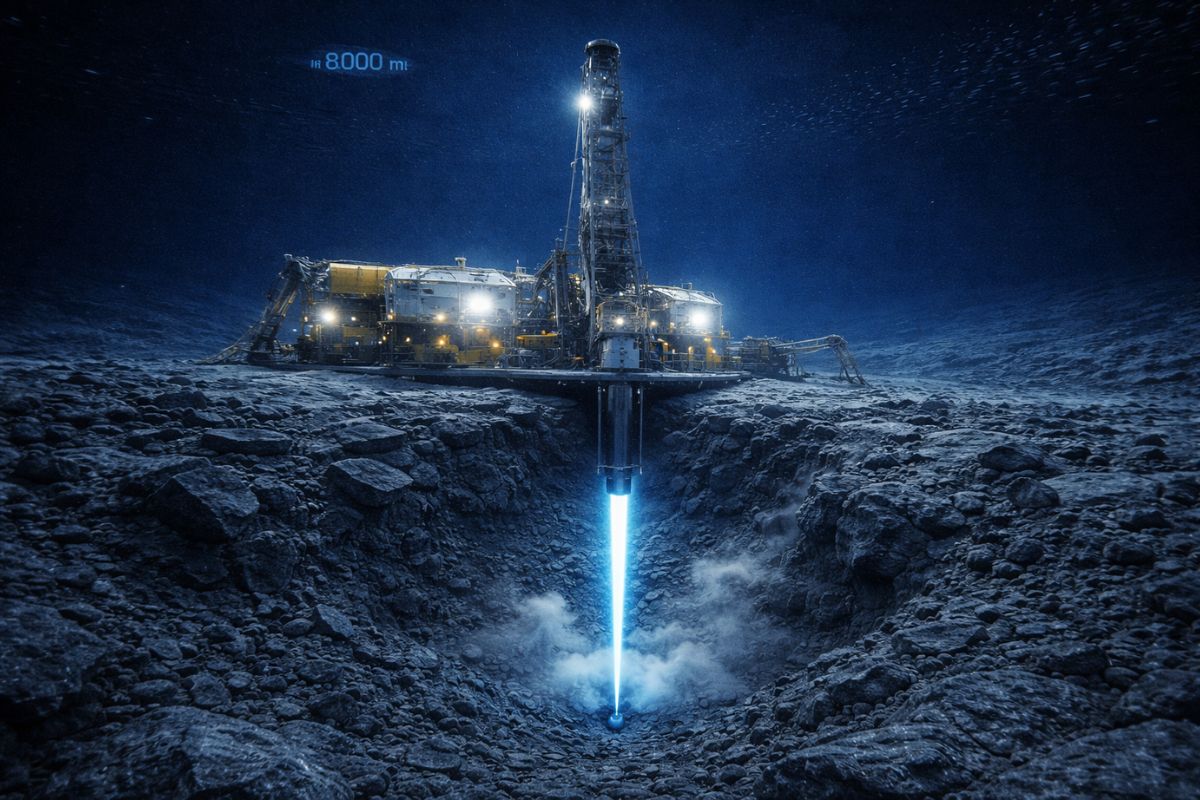
Scientists drilled nearly 8,000 meters into the ocean floor above the fault that caused the 2011 tsunami in Japan and discovered that a layer of clay 130 million years old was responsible for making the wave much worse than any model had predicted.
-
Thousands of years after causing the largest eruption of the Holocene, one of the world’s largest supervolcanoes is rebuilding itself beneath the sea south of Japan, receiving new magma and alarming scientists with its transformation.

-
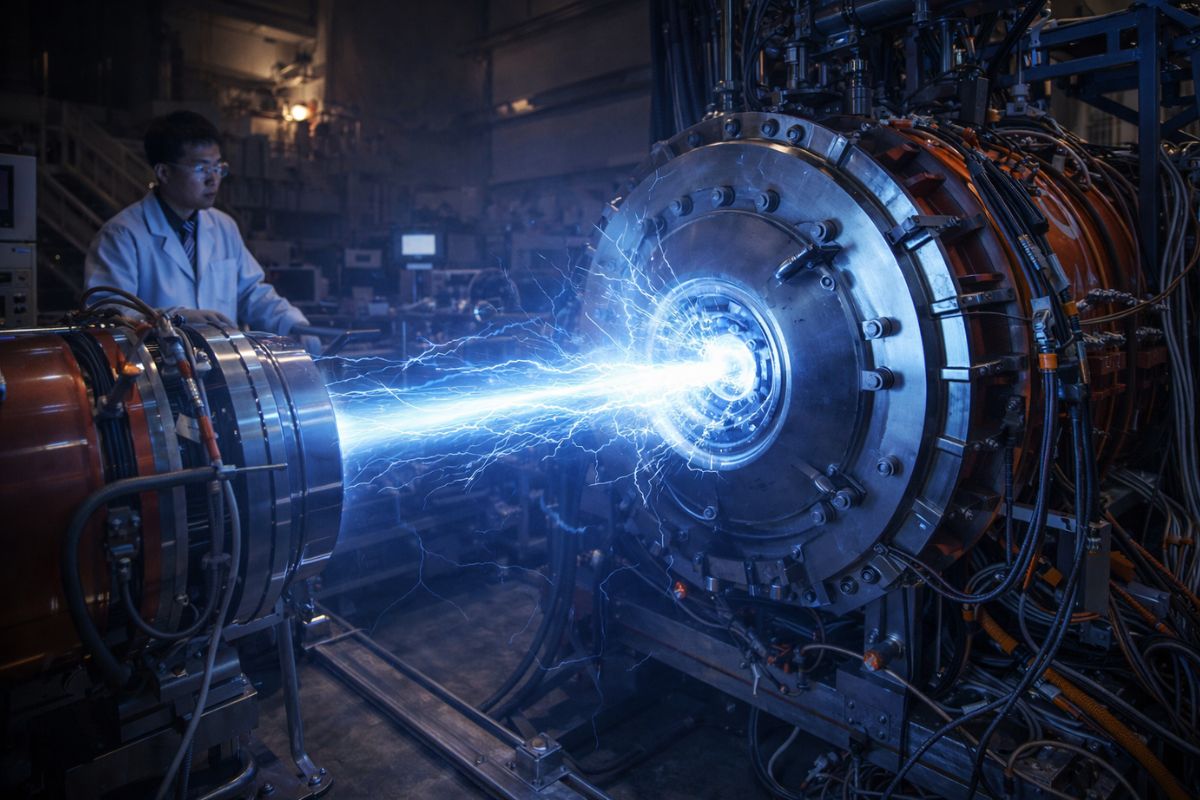
China has activated a magnet 700,000 times more powerful than the Earth’s magnetic field that operates for over 200 consecutive hours while consuming little energy, and now the world wants to know what Beijing plans to do with this technology in 2026.

How This Is Already Working in Practice
- Custom Architectural Design: intelligent algorithms analyze the terrain, legislation, budget, and client profile and deliver optimized plans in minutes.
- Dynamic Schedule Simulations: systems that anticipate delays due to unforeseen events and automatically adjust activities.
- Drone and Sensor Monitoring: real-time data analysis, helping AI detect flaws, risks, and reworks before they become serious issues in construction.
- Optimization of Materials and Supplies: algorithms suggest combinations that reduce costs and waste, already applied by giants like John Holland and GHD, which report savings of 20–30% in material use and up to one hour saved per worker per day in construction.
The Market Is Growing Strongly and the Numbers Prove It
According to recent data, the global generative AI market in construction surged from US$ 299 million in 2024 to US$ 405 million in 2025, projecting growth to US$ 6 billion by 2034, with a CAGR of 35%. Another study indicates that the adoption of AI in construction (general & generative) is expected to reach between US$ 4.9 billion in 2025 and US$ 11.8 billion in 2029, with a CAGR exceeding 24%. In other words: it is evident that we are witnessing a well-founded revolution in figures, not just in expectations.
Companies and Governments Betting Big
- NSW, Australia, has released tens of millions for initiatives involving AI to expedite housing approvals and accelerate the supply of housing.
- Tools like DAISY help municipal councils approve construction projects more efficiently.
- Companies like John Holland and GHD use AI via Microsoft’s Copilot to create multiple versions of bridges with less concrete use and pollution, speeding up bids and eliminating waste.
Voice of Generative AI Specialists in Construction
Patrik Schumacher from Zaha Hadid Architects: “We started using AI for ideation in the office… Now we use the systems almost every time we begin a project. It generates options that we wouldn’t even consider on our own.”
Tim Fu, residential project architect in Slovenia: “AI is a creative partner, it speeds up iterations, discovers unique spatial solutions… But human judgment is still essential.”
Research from StartUs Insights indicates that AI in construction already improves cost estimates with up to 97% accuracy and is expected to generate US$ 22.7 billion in 2032.
Concrete and Measured Benefits
- Accuracy and Flexibility in Projects: fewer errors, zero rework;
- Lower Cost: estimates indicate up to 15% savings on supplies and less waste;
- Faster decision-making, in real time;
- Agile Schedules: automatic reorganization that reduces delays;
- Enhanced Safety: preventive actions based on images and emerging patterns on the job site.
The Challenges That Still Persist
- Fragmented Data: Decentralized information can compromise accuracy;
- Robust Infrastructure: connected job sites, online sensors, integration with systems like BIM, still not a reality in many construction sites;
- Team Training: engineers and technicians need to understand and trust AI recommendations;
- Data Security: projects and sensitive information require effective protection.
The Connection with BIM and Construction 4.0
BIM (Building Information Modeling) is a natural partner of generative AI: together, they enable complex simulations, conflict detection between structures, plumbing, electrical, etc., and cost and timeline estimates with greater accuracy. It is the cornerstone of the so-called Construction 4.0, where technology, digital ecosystems, and execution converge.
- Increasingly Customized Construction: each project will be tailored to the client’s taste and site conditions;
- Integration with BIM, IoT, and Cloud: construction sites as digital laboratories, with information flowing from sensors, drones, and online platforms;
- Automated Predictive Maintenance after delivery, sensors and AI monitor the building post-delivery, preventing future breaks and repairs;
- Cutting-Edge Sustainability: projects that regenerate, calculate emissions, and reduce waste right at the design stage;
- Judicial and Legal Applications: automated documents and disputes resolved with the help of generative AI.
I invite you to join this debate: What do you think of this new phase of construction? Are you already using any AI tools? Comment below or share this article to strengthen the conversation about the future of the sector!










Seja o primeiro a reagir!