





 English
  Francês
  Alemão
  Italiano
  Japonês
  Norueguês
  Portuguese
  Spanish
  2 min of reading
  3 comments


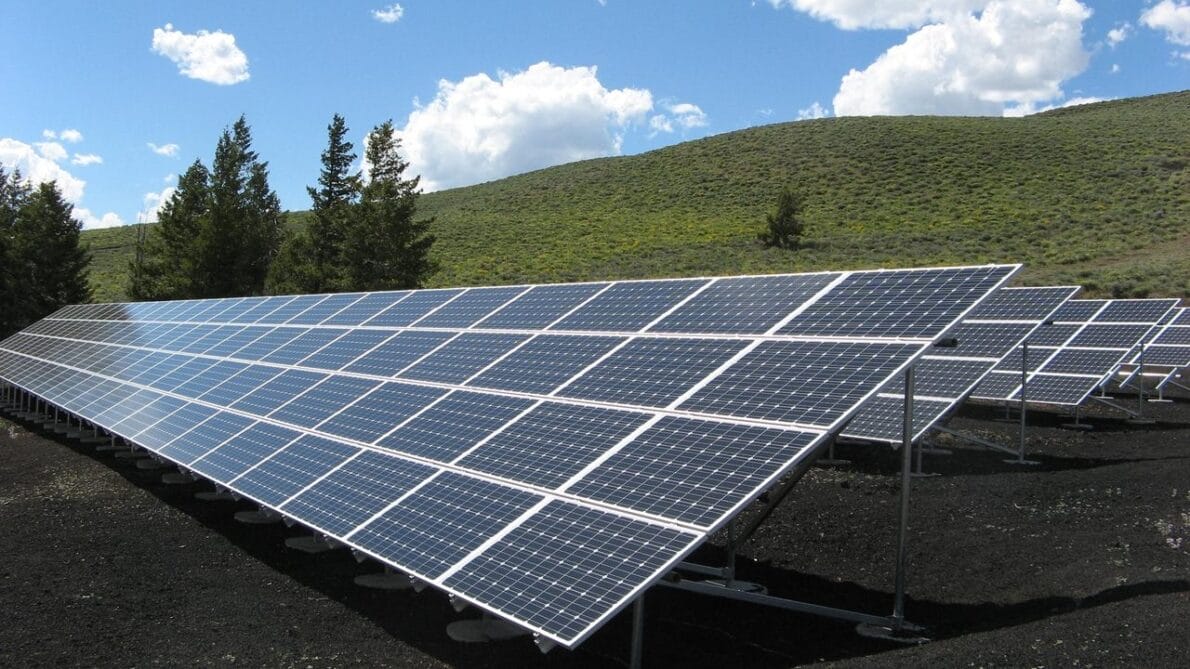

Changes In Import Tax Policy Impact Solar Panel Installation For Consumers Who Want To Adopt Solar Energy
The recent decision by the Brazilian government to remove the tax exemption on essential items for solar panel systems, such as photovoltaic modules and solar inverters, is directly affecting the cost of solar energy installation in homes. This measure, which aims to encourage the national industry, ends up increasing the process for end consumers, according to the Gazeta do Povo website.
Impact Of Taxation On Solar Energy Installation
With the removal of the exemption, the tax on solar panels jumped from zero to 9.6%, directly reflecting on the final cost for consumers. According to the Greener consultancy, this increase could represent about 3% more in the total cost of installing a residential solar energy system.
Another item affected by the change in tax on items for solar panels is the solar inverter, a device responsible for converting solar energy from direct current to alternating current. The taxation of this equipment, decided in March, also contributes to the increase in installation costs.
-
Rio Grande do Sul accelerates energy transition: State invests in renewable technologies and consolidates decarbonization strategies and pathways to attract billions in new industrial investments.

-
With 160,000 m² of collectors, an area larger than 20 football fields, Silkeborg, in Denmark, hosts a solar thermal plant that heats 19,500 homes and could become the largest solar heating plant in the world.

-
A study reveals the expansion of renewable energy procurement in Brazil and shows how companies are taking advantage of opportunities to reduce expenses, ensure energy efficiency, and strengthen strategic environmental commitments.

-
Roraima bets on the sun to escape high tariffs: Amid the energy crisis and price hikes, solar energy is growing in Roraima and transforming consumption in the North region.
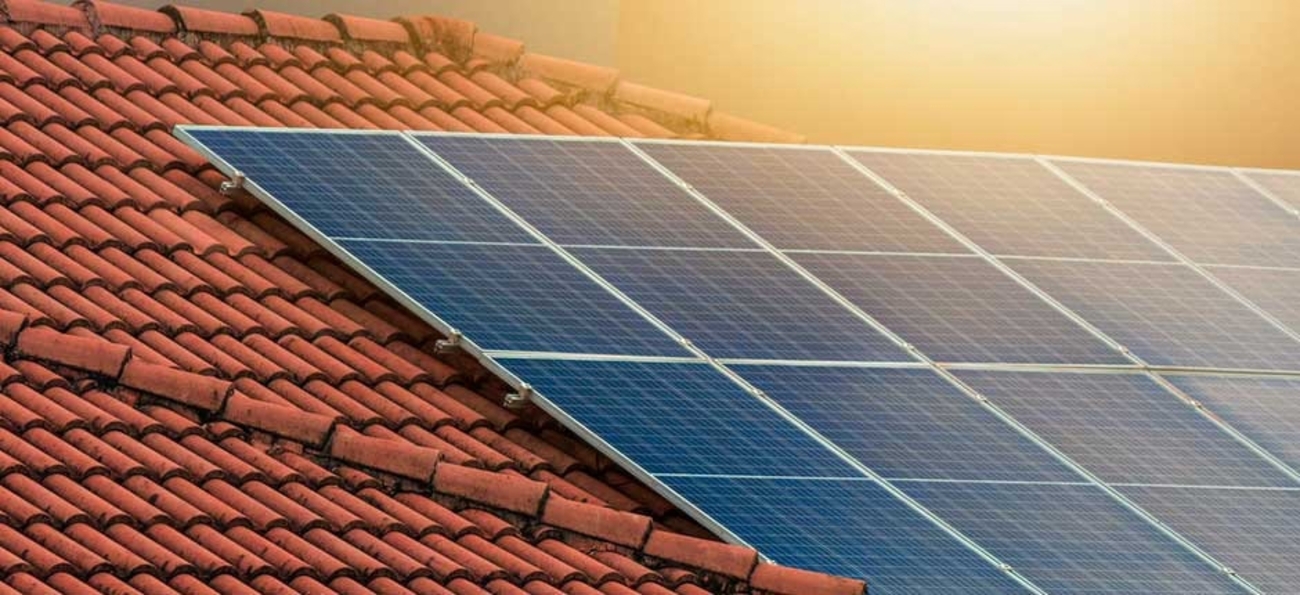

Challenges For The National Industry And Sector Perspectives After Changes In Tax
Although the government’s intention is to boost the national industry, the solar energy sector believes that the removal of tax benefits for solar panels was hasty. The measure jeopardizes the local development in the area and may negatively affect new business and investments in the sector.
Currently, Brazil still does not have sufficient production scale to meet the internal demand of the solar energy chain. This means that, despite the taxation, companies may continue importing products, now with additional tariffs, which reflects in the increased costs for consumers.
For the Brazilian Photovoltaic Solar Energy Association (Absolar), it is essential to establish a transition plan with a minimum period of 24 months for the solar panel equipment in use by the sector. The organization warns of the risk of falling investments, project cancellations, and job losses in the sector, as well as the possible increase in the price of solar energy for Brazilian consumers.






Incentivo à indústria nacional? Só pode ser piada. Todos os equipamentos são importados.
Na verdade, isso é lobby das concessionárias, que não querem perder receita.
São uns fanfarrão falar de indústria nacional, aqui não fabrica nada
Eles comprar na China e colocam a marca nacional, kkkkk.