





 Portuguese
  English
  Spanish
  5 min of reading
  0 comments


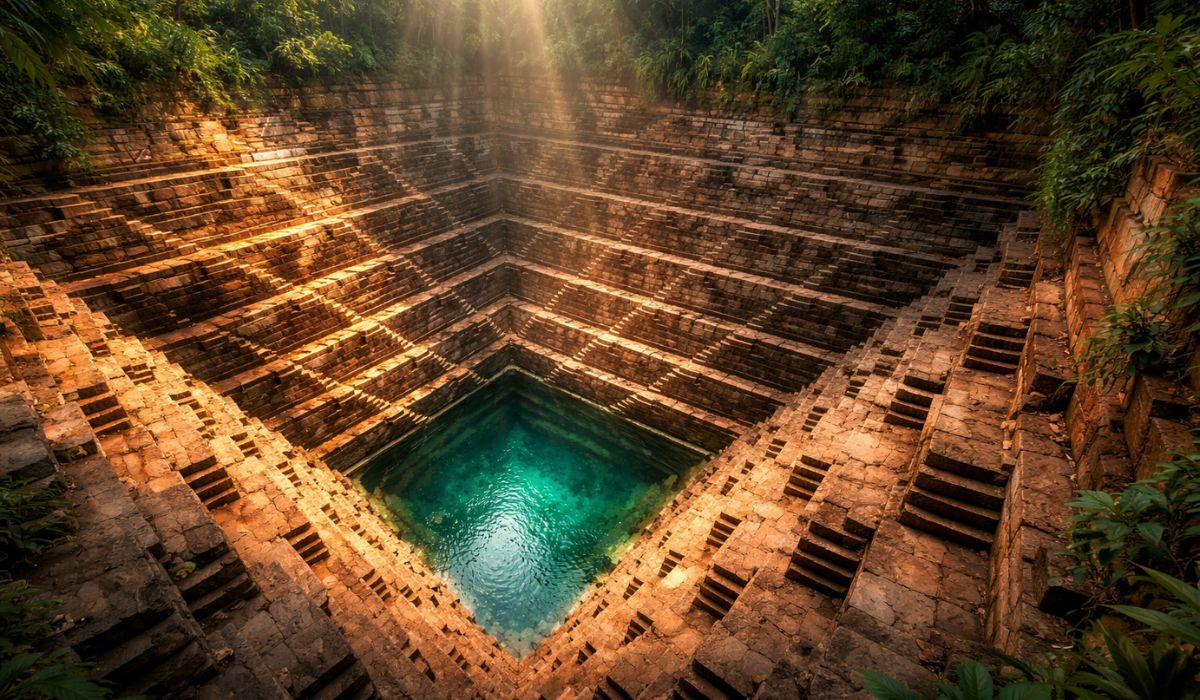
This Ancient Hand Construction Technique Enabled the Creation of a Monumental Underground Pool in the Jungle Using Only Primitive Tools and Transformed the Land into an Amazing Aquatic Paradise
Ancestral Stepwell Technique Inspires Handmade Underground Constructions and Reignites the Debate on Engineering Without Machines, Natural Thermal Comfort, and Water Management in Extreme Climate Environments.
An ancient step excavation technique, disseminated in India by structures known as baoris, currently inspires handmade underground constructions showcased on digital platforms.
The principle is functional: open a large space in the ground and organize it into successive levels until reaching a water reservoir.
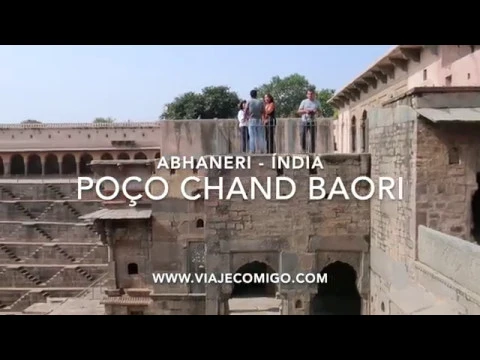
Among the most cited historical examples is the Chand Baori, in the state of Rajasthan, considered one of the largest and deepest stepwells in India, with about 30 meters deep, approximately 13 levels, and around 3,500 steps.
-
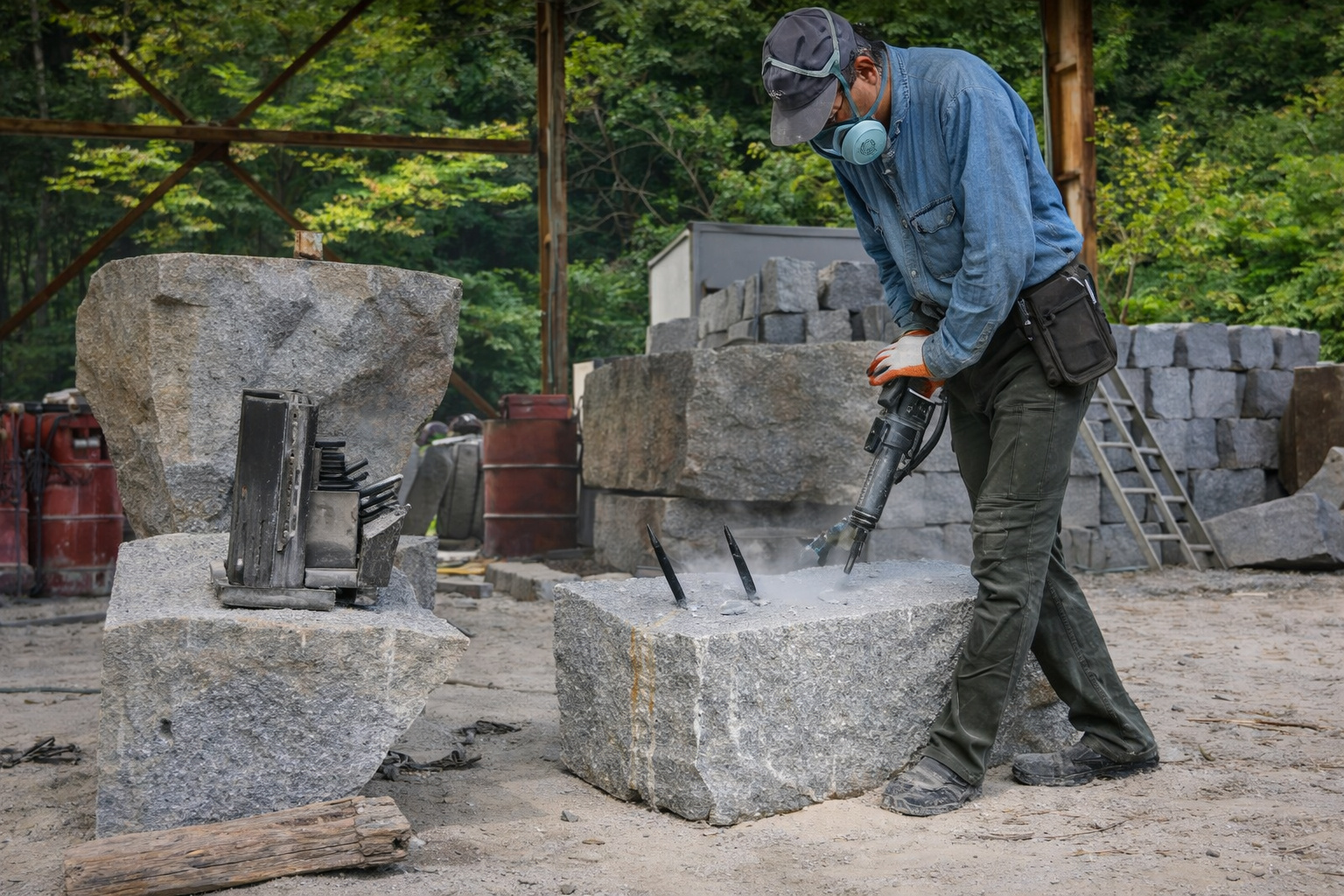
A Japanese mason transforms raw granite into small cups and handcrafted utensils, collects giant stones, cuts with precision, and impresses with detailed manufacturing and finishing.
-
With 1,066 acrylic panels, the building known as the friendly alien is supported by a steel skeleton, has a façade that functions as a giant screen, and impresses the world without any internal columns.

-
Scientists warn that a comet about 1 km in size that has started to release gases may actually change direction in space. It was spotted by NASA and surprises with potential impacts near Earth.

-
These living root bridges and ladders are over 700 years old and help indigenous people survive in one of the rainiest regions in the world.


Baoris and the Indian Stepwell Model
The recurring reference to Chand Baori occurs because the structure synthesizes the architectural model that allowed continuous access to water in dry climate regions.
Located in the village of Abhaneri, the well is described by historical and tourist records as a structure shaped like an inverted pyramid, with symmetrical staircases distributed on three sides and galleries on the fourth.
Historical sources place its construction between the 8th and 9th centuries, although there is no absolute consensus on the exact date or conclusive epigraphic documentation that precisely identifies the responsible party for the work.
The baoris, also called stepwells, were developed to face long periods of drought.
Unlike a conventional well, which has a narrow opening, these structures enlarge the excavated area and create platforms that accommodate the variation in water levels throughout the year.
This configuration allowed the population to reach the reservoir even during droughts, gradually descending the steps.

In addition to the water supply function, historical records indicate that many of these spaces also served as areas for socializing and shelter against the intense heat.
In the case of Chand Baori, the scale and geometric regularity contributed to the monument becoming one of the most studied and visited in India.
Researchers and local guides often highlight the standardized repetition of the steps as a central feature of the architectural design.
Structural Engineering and Underground Stability
From a construction perspective, the stepped shape serves not only an aesthetic function.
The arrangement in successive levels helps distribute the lateral pressure exerted by the soil, reducing the concentrated load on continuous vertical walls.
Engineers and scholars of historical architecture point out that this progressive recession tends to increase the stability of the structure, especially in terrain subject to variations in humidity.
Instead of a single, deep cut, the soil is removed gradually, creating platforms that help contain landslides.
Furthermore, the mass of the stone or masonry construction reinforces containment.
In Chand Baori, the combination of extensive excavation and structural cladding allowed the work to withstand the test of time with relative integrity, according to historical records and architectural surveys.
Natural Microclimate and Temperature Difference
Visitor reports and specialized publications indicate that the temperature at the bottom of Chand Baori can be up to 5 °C or 6 °C lower than that recorded on the surface.
The variation is attributed to the depth of the structure, the constant shade projected by the tall walls, and the presence of water at the lowest level.
Experts in thermal comfort explain that underground environments tend to exhibit a lower thermal range, as the ground acts as a natural insulator.
The evaporation of water also contributes to the sensation of coolness, although the effect depends on local climatic factors.
This microclimate helped make the space more bearable during extreme heat periods.
In desert or semi-arid regions, the combination of access to water and thermal reduction had practical relevance for communities.
Hand Construction in the Jungle and Videos on Social Media
In recent years, videos showing manual excavations in forested areas have been circulating frequently on social media.
One example is the Unique Wilderness channel, which published footage of a manually dug underground pool amidst the vegetation.


The material presents stages such as earth removal, wall finishing, and filling the cavity with water.
Public data from the platform itself indicates that the channel has hundreds of thousands of subscribers, a number that may vary as the page updates.
Although comparisons with historical baoris frequently appear in comments and descriptions, it is important to distinguish contexts.
Chand Baori is part of a consolidated architectural heritage, with documented stone techniques and hydraulic function.
In contrast, the constructions displayed in contemporary videos need to be analyzed individually regarding durability, structural safety, and execution conditions.
Water Capture and Water Management in Arid Regions
Stepwells were conceived as water storage solutions, especially in areas subject to seasonal scarcity.
The stepped structure allowed for monitoring fluctuations in the reservoir level without compromising access.
Historians emphasize that these systems integrated broader water management strategies in different regions of India.
Rainwater harvesting and underground retention were central elements in facing long periods without significant precipitation.
In the case of Chand Baori, the approximate depth of 30 meters increased storage capacity and helped reduce direct evaporation.
The underground location also favored the thermal conservation of the water.
Historical Preservation and Documentary Limits
The longevity of Chand Baori is often associated with the choice of resistant materials and the repetitive geometry that evenly distributes loads.
Tourist and academic records indicate that the structure has remained preserved for over a thousand years, although interventions and restorations have occurred over time.
Still, not all historical aspects are fully documented.
There is no definitive consensus on specific details of the original construction, such as the exact organization of work or the precise set of tools used, which limits categorical statements about each stage of the work.
The current repercussion of manual constructions in natural environments reignites interest in ancient excavation and water storage techniques.






-

-

3 pessoas reagiram a isso.