





 Portuguese
  English
  Spanish
  3 min of reading
  0 comments


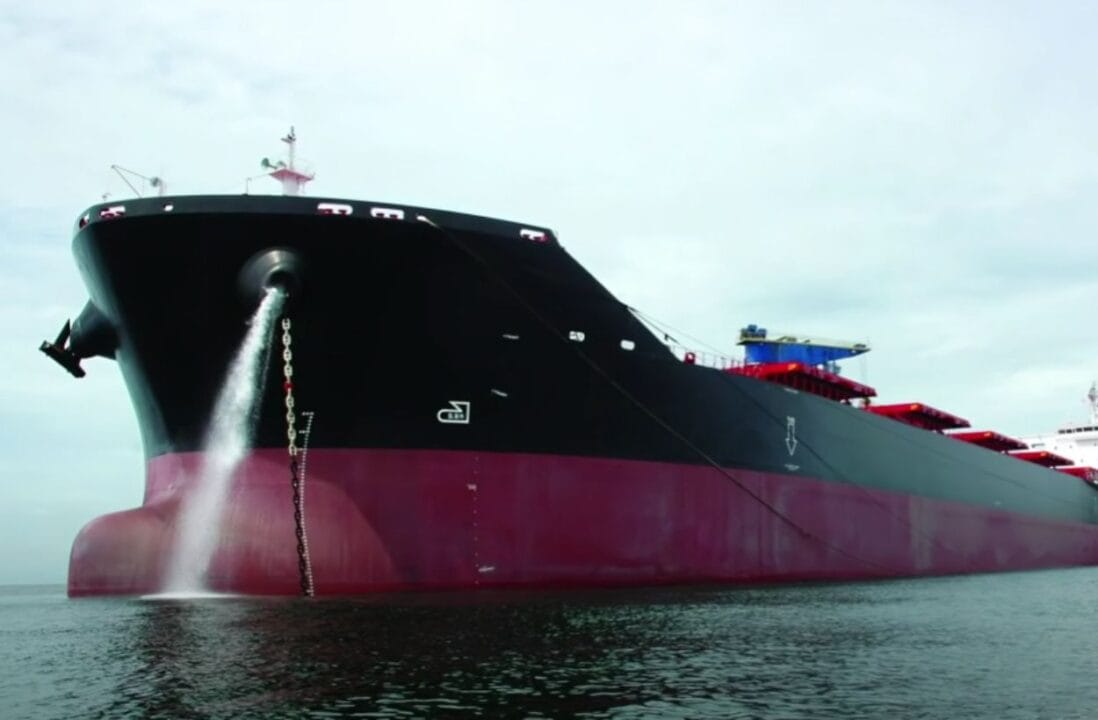
How Ballast Water Is Essential to Maintaining Ship Stability During Their Voyages, Detailing the Process of Adjusting the Weight and Center of Gravity of the Vessel, as Well as Addressing the Environmental Challenges Associated with the Transfer of Marine Organisms Between Ecosystems.
Ships, responsible for about 80% of global cargo trade, often sail with empty spaces. Countries like China, which export more than they import, result in a significant number of empty containers returning. The solution to this apparent inefficiency is ballast water, essential for the safety and stability of ships.
The term ‘ballast’ in Dutch means useless cargo, but paradoxically, ballast water is anything but useless. It is crucial for maintaining the ship’s stability, preventing capsizing during voyages. Container ships, drilling platforms, and even submarines rely on this system to maintain balance at sea.
Mechanism of Ballast Water Function in Ships
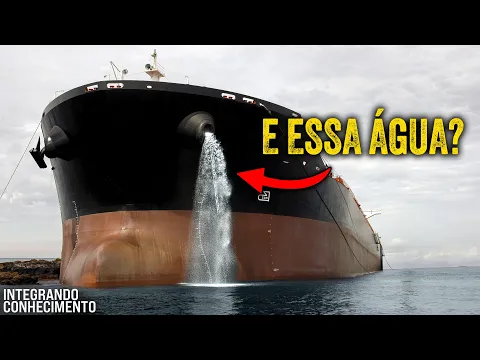

Ballast water is stored in internal tanks, adjusting the center of gravity of the ship and ensuring its stability. This practice is especially important when vessels unload cargo, as it compensates for the loss of weight and maintains structural balance. In extreme cases, such as the El Faro in 2015, the lack of proper ballast water management resulted in tragedy.
-
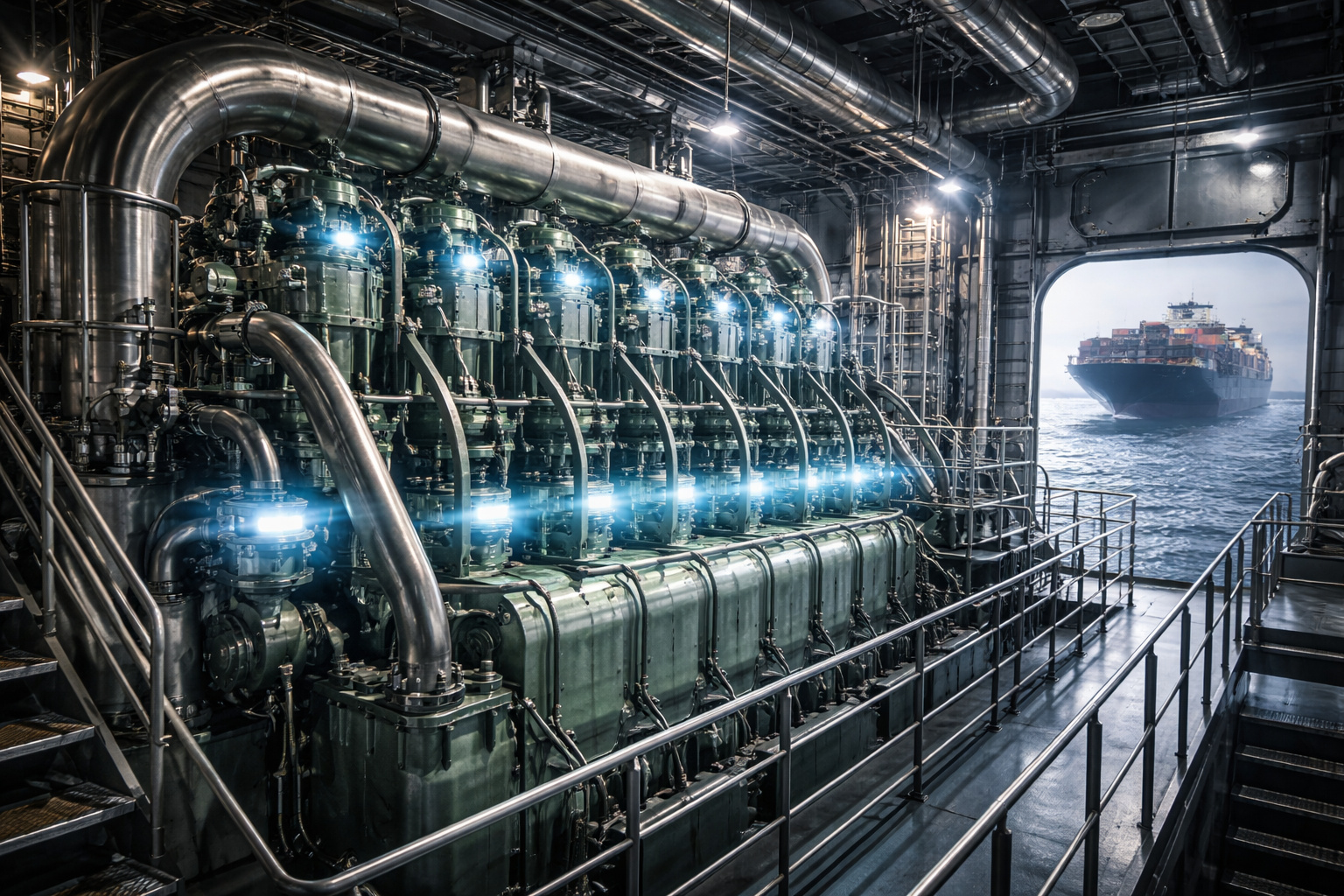
Europe is trying to create an ammonia-powered marine engine without auxiliary fuel, which could unlock the race for giant emission-free ships. The technology aims to eliminate one of the biggest obstacles to clean maritime propulsion.
-
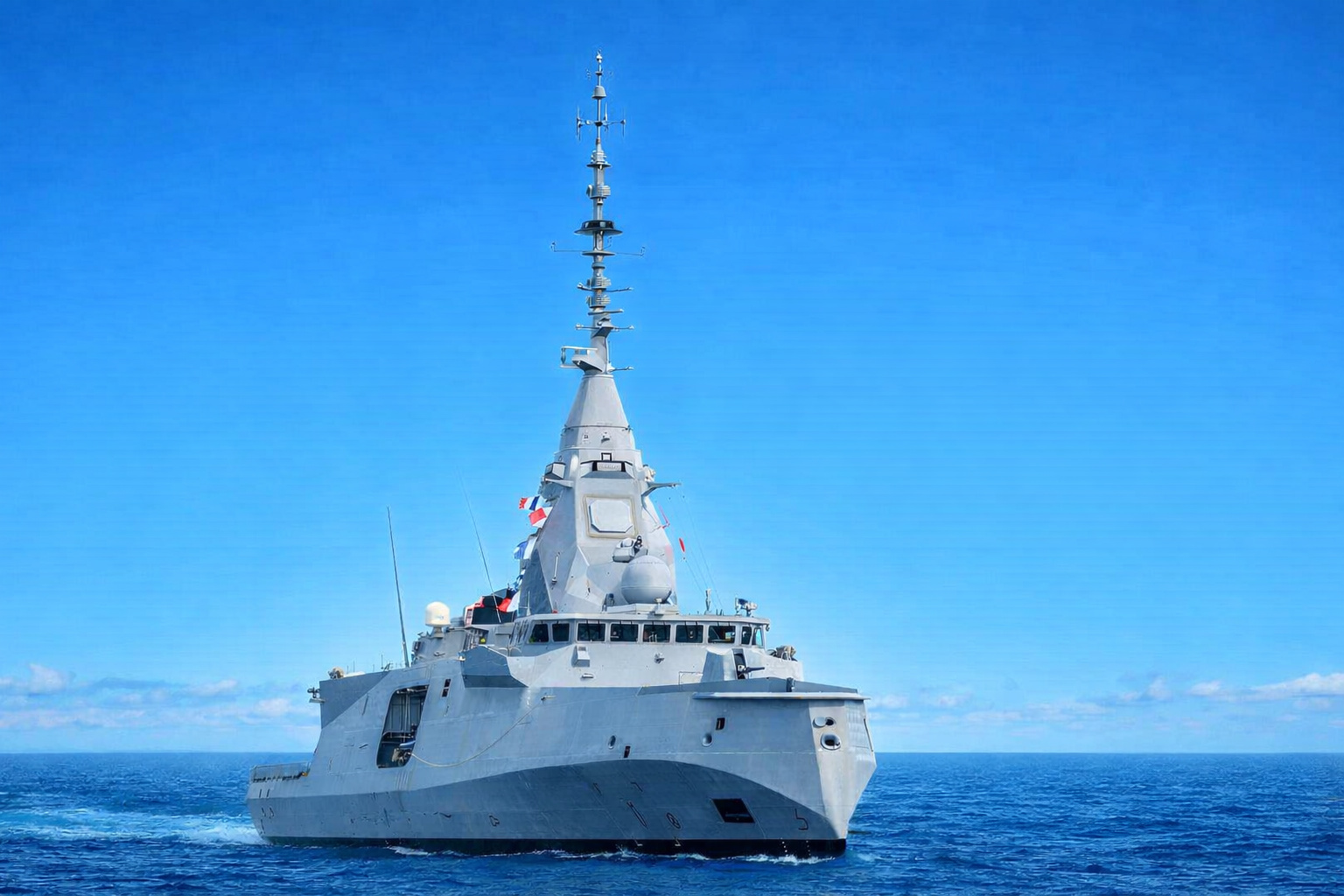
A 4,500-ton frigate with just over 100 crew members, state-of-the-art radar, and cruise missiles is being touted as the new standard of naval warfare in the 21st century.
-
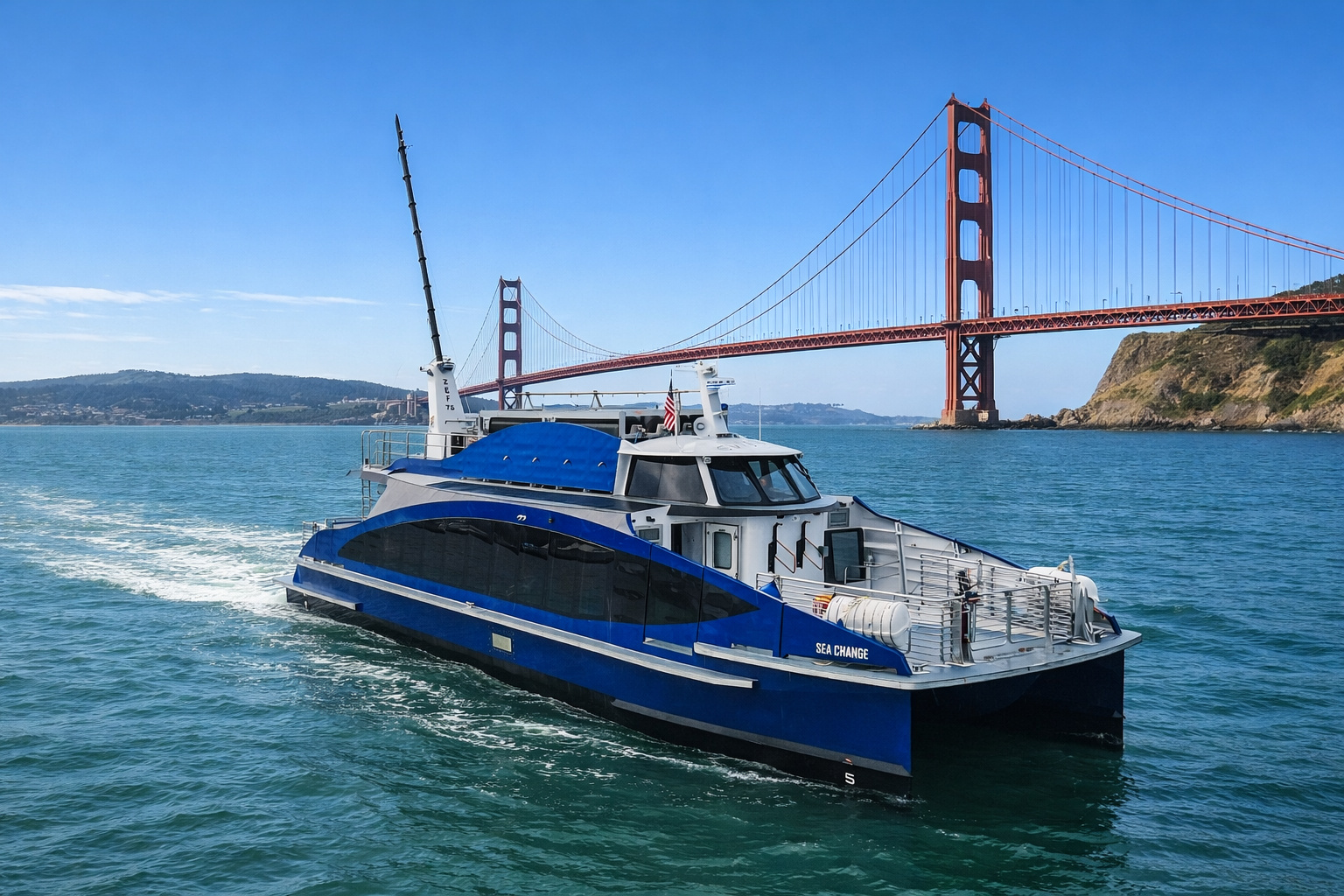
The first commercial hydrogen-powered ferry enters operation in the U.S., eliminates the use of diesel, uses fuel cells to generate clean energy on board, and transforms San Francisco Bay into a landmark of the new era of emission-free navigation.
-
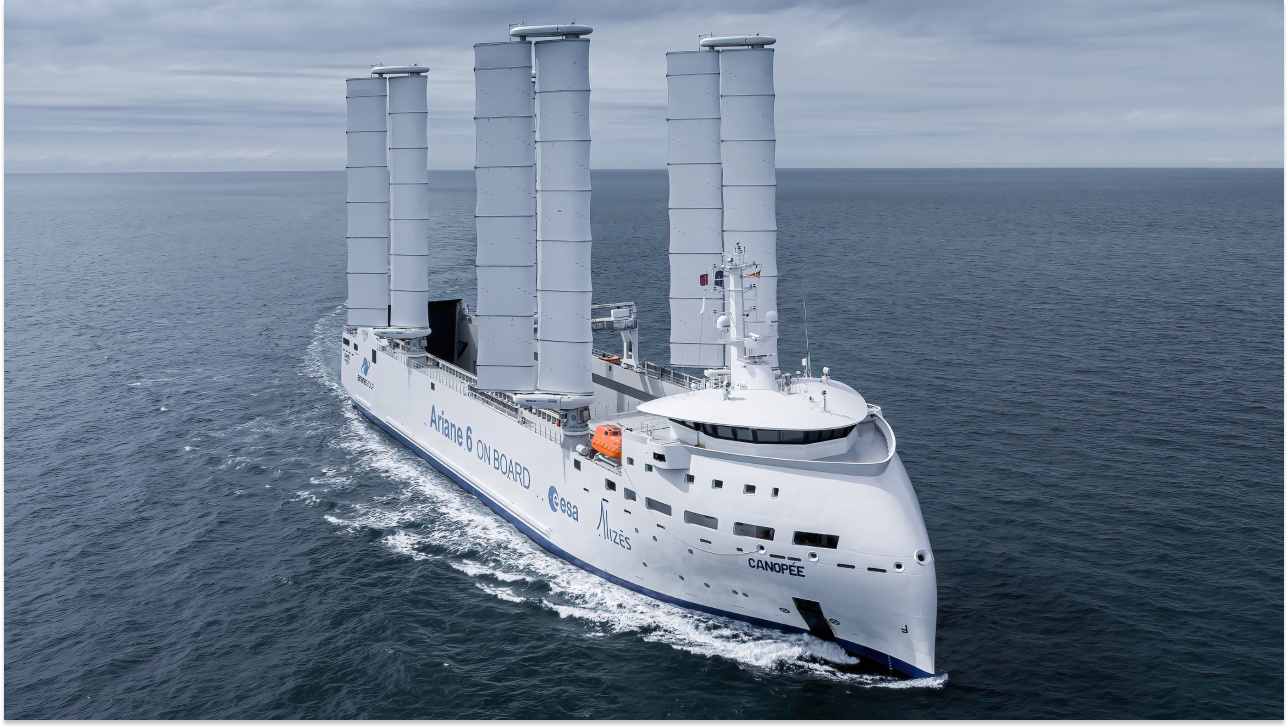
With a length of 121 meters and four rigid sails of 36 meters that automatically rotate to capture the wind, Canopée is the world’s first hybrid industrial cargo ship powered by wind, used to transport rockets and reduce fuel consumption by up to 30% on transoceanic routes.

Transporting ballast water between different maritime regions can introduce invasive species, affecting local ecosystems. To mitigate this, measures such as ballast water treatment, filtration, and ultraviolet radiation are adopted to prevent the spread of foreign organisms.
Evolution and Technology
From rocks and sand to the use of water, the concept of ballast has evolved significantly. Today, ships are equipped with advanced ballast tanks, allowing for precise management of weight and stability.
Ballast water is not just useless cargo, but a crucial component for the safety and efficiency of ships in global trade. As the maritime industry advances, ballast water management continues to be a focus area for optimizing maritime performance and protecting aquatic ecosystems.
What Happened to the El Faro Ship in 2015?
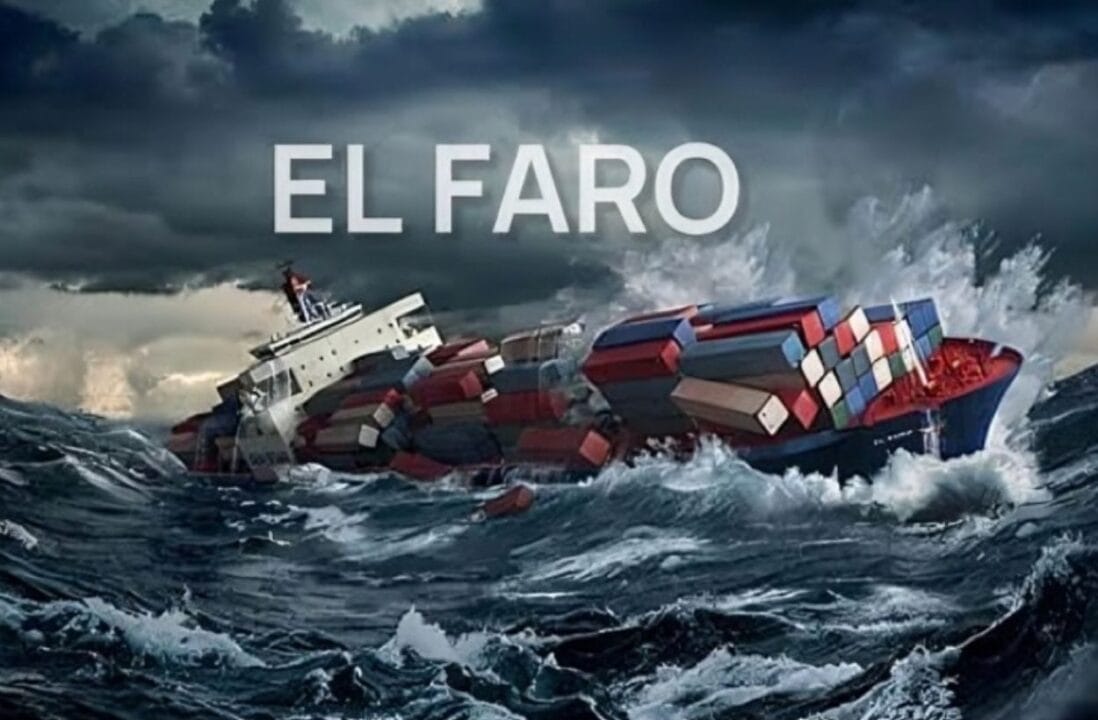
The sinking of the El Faro in October 2015, during Hurricane Joaquin, serves as a painful reminder of the importance of ballast water management and maritime safety. This ship, which departed from Jacksonville heading to San Juan, met its tragic end due to a series of critical failures, despite having been inspected and deemed stable before departure.
The Captain Michael Davidson, while aware of the hurricane, did not appropriately divert the ship from the storm’s path, leading it to face extreme weather conditions. The loss of propulsion and subsequent listing in turbulent waters highlighted significant failures in the vessel’s management, particularly in ballast water management, which could have provided more stability in such adverse conditions.
Water Intrusion in One of the Cargo Holds
As the hurricane intensified, the El Faro began to face serious problems, including water intrusion in one of the cargo holds, exacerbated by the failure of the main engine. The inability to control the situation and the increasing listing demonstrated the vulnerability of the ship in the face of a potent natural disaster.
The investigation conducted by the National Transportation Safety Board (NTSB) identified multiple failures, including inadequate decisions by the captain, ineffective crew management, faulty safety systems of the operator TOTE Maritime, and structural deficiencies of the ship. The absence of an effective damage control plan and inadequate rescue equipment exacerbated the fatalities.
This incident underscores the critical importance of ballast water in maintaining ship stability and reinforces the need for rigorous maritime safety protocols, proper emergency planning, and reliable rescue equipment to prevent such tragedies in the future.








Seja o primeiro a reagir!