






 Portuguese
  Spanish


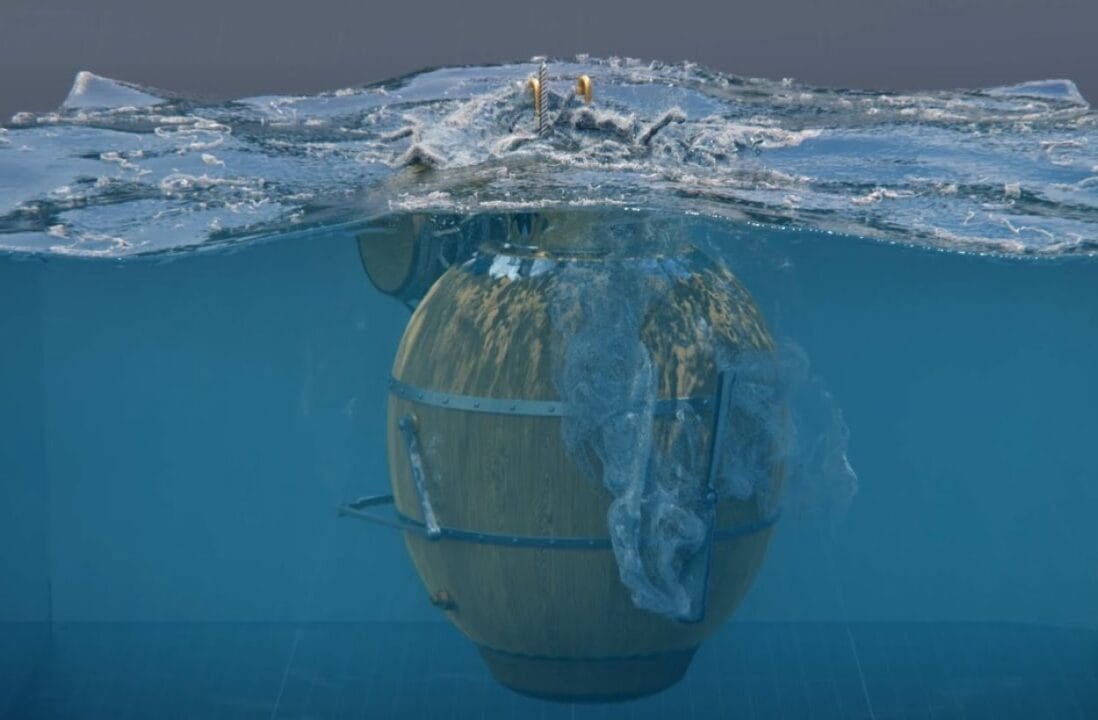

The Evolution of Submarines from the Initial Concepts of Alexander the Great, through the Advances of Da Vinci and Drebbel, to Modern Innovations such as the Nuclear Submarine that Revolutionized the Naval Industry.
The journey of submarines, intertwined with history and technological progress, dates back to ancient legends, such as that of Alexander the Great, whose submerged glass barrel is one of the first conceptions of this type of vehicle. The vision of submersion gained practical contours with Leonardo Da Vinci, even though it never materialized.
In the 17th century, the invention took shape with Cornelius Van Drebbel, introducing the first practical submarine, powered by oars and able to navigate the Thames River. This pioneering development marked the beginning of a new era in the naval industry, culminating with David Bushnell’s Turtle, the first to be used in combat during the American Revolutionary War.
Advances in Submarine Technology
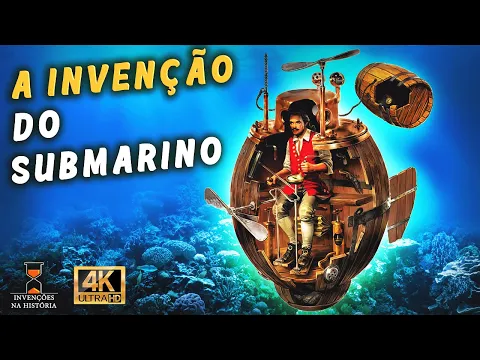

Innovation continued with Robert Fulton’s Nautilus, a significant advancement, although it was not used in combat. Submarine technology took a leap forward with the Plongeur, the first engine-powered submarine, paving the way for the future of naval warfare.
-
French Brand Transforms 6 Million Brazilian PET Bottles into Sustainable Sneakers for Global Fashion Market

-
Abandoned Factory in Rio’s North Zone Becomes Urban Hazard with Standing Water and Debris

-
The U.S. Navy Conducts Submarine Tests in Idaho Lake to Detect Underwater Noises Hidden by the Ocean
-
British Factory Transitions from Mechanical Parts to Producing 420,000 Electric Power Units Annually, Supplying 70% of Ford’s Electric Cars Sold in Europe


The CSS Hunley stood out in the American Civil War as the first submarine to sink a ship in combat, a feat that highlighted both the boldness and dangers of submarine warfare. These developments reflect not only technological advancements but also a strategic shift in the naval industry, where submarines became key pieces in the chess game of maritime warfare.
Brazil’s Nuclear Submarine
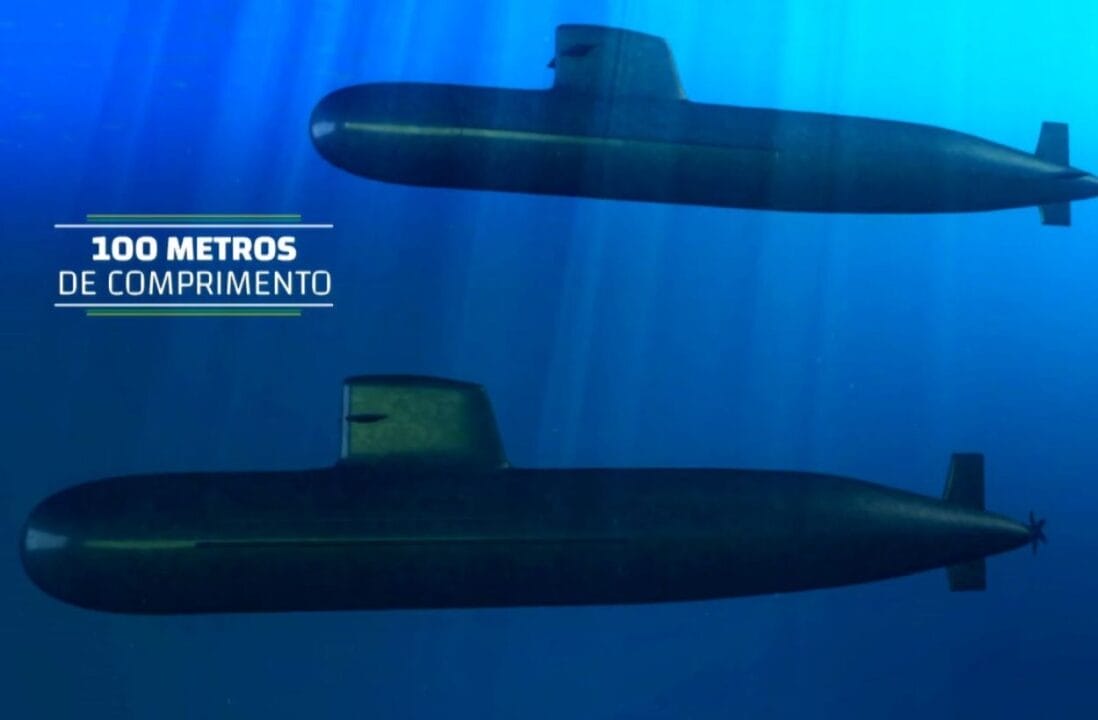
Meanwhile, Brazil advances in its naval program with the development of the SN-BR, its first nuclear submarine, under the Submarine Development Program (PROSUB). This initiative not only represents a significant technological leap for the Brazilian Navy but also marks the country’s entry into the select group of nations with nuclear submarine capabilities.
So, What is the World’s Most ‘Powerful’ Submarine?
In the global landscape, the title of the most powerful submarine is contested by technological giants. The USS Seawolf of the United States, with its advanced S6W nuclear reactor, stands out for its ability to reach speeds over 35 knots submerged and for being armed with Tomahawk cruise missiles. Meanwhile, Russia’s K-329 Severodvinsk, the centerpiece of Project 885 Yasen, combines speed with a stockpile of Kalibr cruise missiles, reaffirming Russian naval power. The Chinese Type 095 Tang, although less publicized, is a formidable force with its third-generation nuclear propulsion and YJ-18 missiles.
Thus, nuclear submarines have impressive depth capabilities, with some able to reach over 600 meters. These vessels are true underwater fortresses, equipped to carry out a wide range of operations, from nuclear deterrence to reconnaissance and strategic attack, thanks to their autonomy provided by nuclear propulsion, allowing them to operate submerged for months without the need to surface.


