





 Portuguese
  English
  Spanish
 5 min of reading
  0 comments


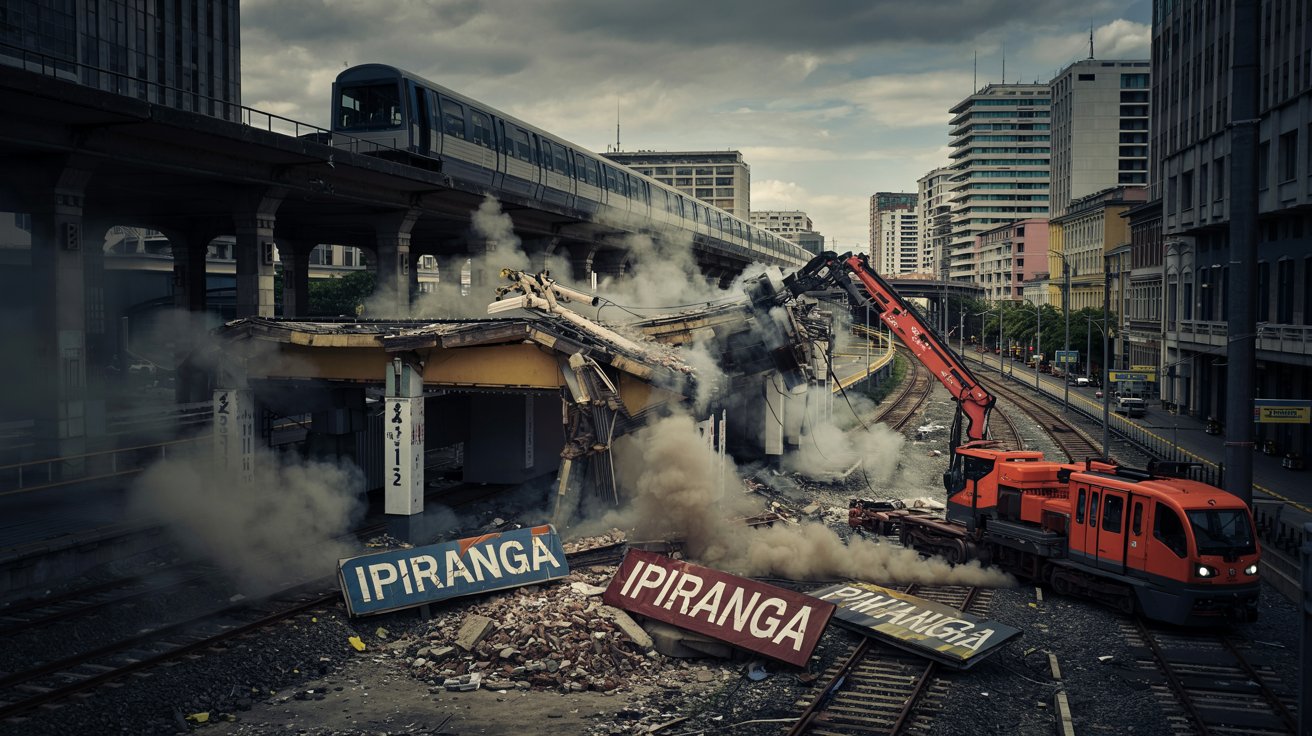
The Historical Ipiranga Station of the CPTM, With Over 135 Years, Will Be Demolished in São Paulo! In Its Place, a Modern Structure Will Emerge With Integration to the Monorail, Escalators, Elevators, and Even Space for the Future Intercity Train. The Promise Is to Revolutionize Mobility in the Capital Until 2027. A Shock Between Past and Future in the Heart of Ipiranga!
One of the oldest railway stations in the capital will be completely replaced by 2027 to make way for a new modern structure, interlinking old tracks and future transportation technologies.
The traditional Ipiranga Station of the São Paulo Metropolitan Trains Company (CPTM), located in the south zone of São Paulo, will be demolished after more than 135 years of history.
Originally built in 1886, the railway point underwent a major renovation only once in 1959.
-
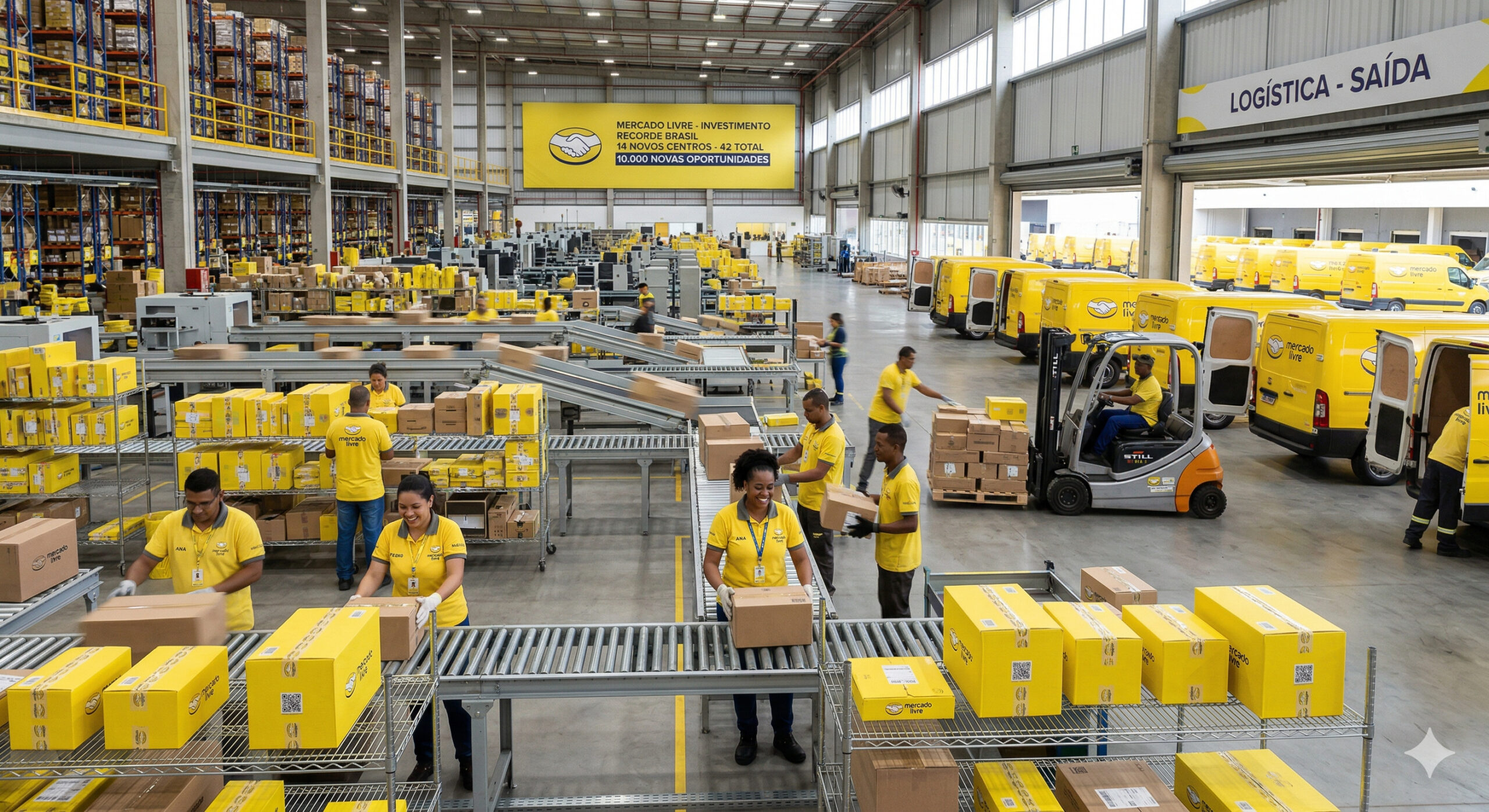
Mercado Livre “opens the vault” and announces a record investment of R$ 57 billion in Brazil in 2026, a value 50% higher than the previous year, with an expansion plan that includes 14 new logistics centers, totaling 42 units in the country and hiring an additional 10,000 employees.
-
How investment in technology can revolutionize the national economy and enhance industrial gains, according to a study that highlights the direct impact on productivity, innovation, and wealth retention within Brazil.
-
The largest food company on the planet, JBS, has just opened a 4,000 square meter laboratory in Florianópolis to develop customized proteins that modulate muscle mass gain, immune response, and metabolic performance.

-
After nearly 30 bids and competition among industry giants, a Spanish company purchases one of the largest airports in Brazil for almost R$ 3 billion and takes over the management of Galeão in a concession that will last until 2039.


Now, it will be completely rebuilt as part of an ambitious urban mobility project.
The new Ipiranga Station will be integrated with the Line 15-Silver monorail, creating an important connection with Line 10-Turquoise, which transports thousands of passengers daily.
The forecast for the completion of the work is set for 2027, as announced by the state government.
The History of a Station That Marked Generations
The current Ipiranga Station carries the weight of time and history.
A silent witness to the urban, industrial, and social transformations of the city, it was originally part of the São Paulo Railway, an English company responsible for connecting the interior to the port of Santos.
Over the years, the Ipiranga neighborhood, known for the landmark of Brazil’s Independence, has grown and modernized around the station, which has become one of the most emblematic of the São Paulo railway network.
However, the arrival of the monorail and new transportation models transformed the region into a true mobility hub—thus demanding a more robust structure prepared for the challenges of the 21st-century metropolis.
Why Will the Station Be Demolished?
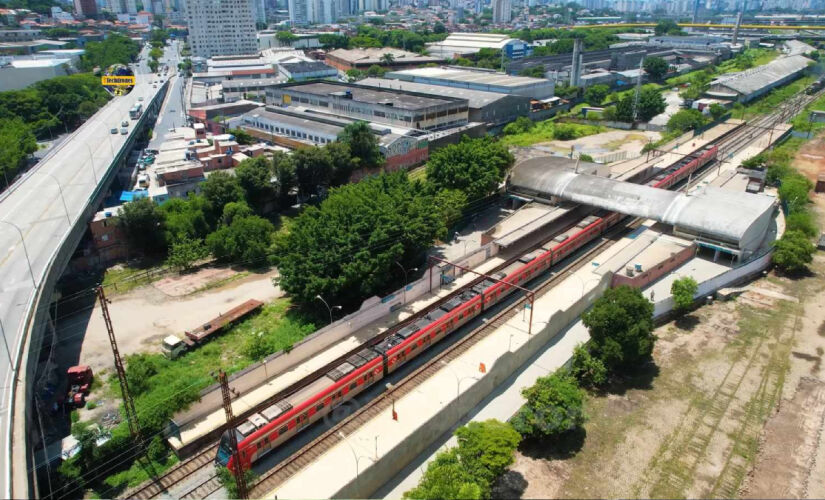
According to information from the ViaTrolebus portal, the demolition of the old structure is directly linked to the concession project for Lines 10 and 14, which is expected to be launched in the coming months.
The draft of the notice requires the construction of a new stop with an elevated central platform, capable of offering direct integration with Line 15-Silver, currently operated by modern driverless monorails.
The work will be carried out near the existing station, which will be entirely dismantled, making room for additional tracks and upgrades aimed also at the Intercity Train—South Axis, a project by the state government to connect the capital to cities like Santos and Sorocaba.
What Will the New Ipiranga Station Be Like?
The design of the new station is ambitious and includes features that follow international standards for railway infrastructure.
According to preliminary information, the new construction will have:
- Elevated central platform with 10,700 m² of built area
- Six elevators and 12 escalators for accessibility and efficiency
- Platform doors for user safety
- Bike parking spaces, encouraging active mobility
- Elevated pedestrian walkway over the railway
- New access points with modern design, focused on efficient circulation
In addition, the new station will have space reserved for freight tracks and future regional train lines, a measure that anticipates growing demand and the need for more connections.
Integration With the Future of Urban Mobility
The connection between the CPTM system and the monorail is considered one of the state government’s main bets to ease traffic, reduce travel time, and offer more transportation options to the people of São Paulo.
With the increasing verticalization of neighborhoods like Vila Prudente and Sapopemba, and the growing number of passengers on Line 15-Silver—which already transports over 150,000 users daily—the integration with Line 10-Turquoise is expected to directly benefit residents of regions like ABC Paulista.
Experts point out that the new Ipiranga Station will be one of the strategic points for urban mobility in São Paulo, serving as a link between traditional transportation and new modalities of the 21st century.
What Does the State Government Say?
The Metropolitan Transport Secretariat has not yet disclosed additional details about the work, such as investment amounts, possible impacts on the surroundings, and measures for preserving the historical memory of the old station.
According to investigations by Gazeta and ViaTrolebus, the state management promises to provide more information in the coming weeks, especially regarding the timeline for expropriations and the logistics of the work, which will be done in a densely populated area with high train traffic.
Preservation of Historical Memory: Challenge or Neglect?
The demolition of a station with over a century of existence also raises the debate about the preservation of Brazilian railway heritage, often neglected in favor of modernization projects.
So far, there is no official confirmation about measures to preserve historical elements of the old station, such as façades, panels, or metal structures.
The absence of memory plans worries residents, historians, and urban planners who warn of the symbolic loss that may occur.
When Will the New Ipiranga Station Be Ready?
The forecast for the completion of the new station is set for 2027, but like any major public work, the timeline is subject to changes.
Depending on bureaucratic hurdles, bidding processes, and economic factors, the delivery may be delayed—similar to previous expansions of the metro-rail system in the capital.
In the meantime, the current Ipiranga Station will continue to operate until the new structure is ready to function.
The government is expected to implement temporary measures to minimize disruptions during the transition.
How to Apply for Jobs in the Future Works of the Station?
There are currently no open notices specifically for hiring related to the reconstruction of Ipiranga Station.
However, those interested in working on public works in São Paulo can follow the selection processes on the official websites of the State Government and CPTM.
The portal Emprega São Paulo also usually publishes job openings for workers, engineers, and technicians linked to urban infrastructure projects.
Do you think modernization justifies the demolition of a station with such history? Or is São Paulo losing yet another piece of its railway memory? Comment below!








Seja o primeiro a reagir!