





 Portuguese
  English
  Spanish
 3 min of reading


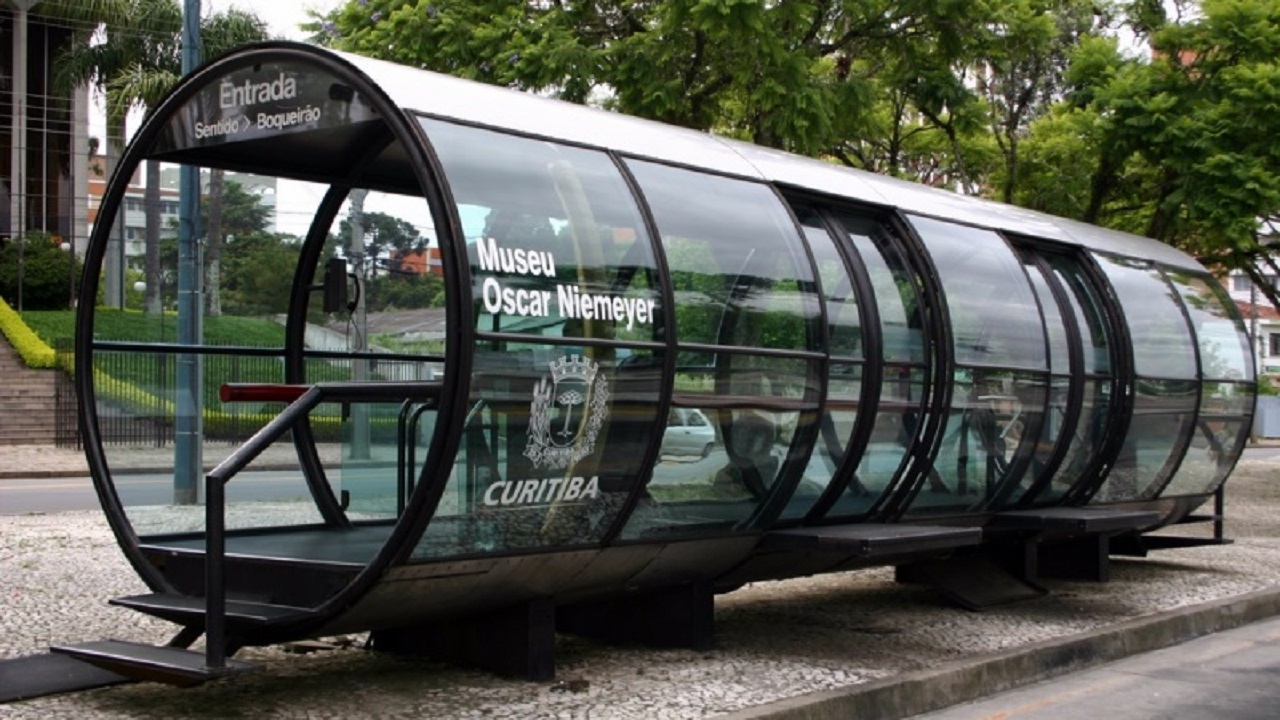
Postcards from Curitiba, Bus Stops for Biarticulated Buses, Known as Tube Stations, Enter Testing Phase to Generate Energy Through the Use of Solar Photovoltaic Panels, After Partnership Between the City Hall and University
Expanding the renewable energy market, the City Hall of Curitiba, in partnership with the Federal University of Paraná – UFPR, will begin tests on energy sustainability, using solar photovoltaic panels that will be placed on top of the bus stops, in the so-called tube stations, considered postcards of the city.
Also Read
Initial Testing Phase
The first tube station to be tested will be the one in Itajubá, located on Avenida República Argentina, in the Água Verde neighborhood, in Curitiba. The tests that will be conducted throughout 2022 are part of a contract signed between UFPR and the Urban Research and Planning Institute of Curitiba, Ippuc.
According to Olga Prestes, the coordinator of the Transport and Mobility sector at Ippuc, the City Hall is moving towards a path where the concept of sustainability in public transportation is practiced. UFPR secured an amount of R$ 243,455.51 in funding from the City Hall to develop the project, implement it, and monitor it for 12 months, providing monthly reports.
-
Argentina debuts its first 100% solar-powered highway and transforms an entire road into a showcase of clean energy.

-
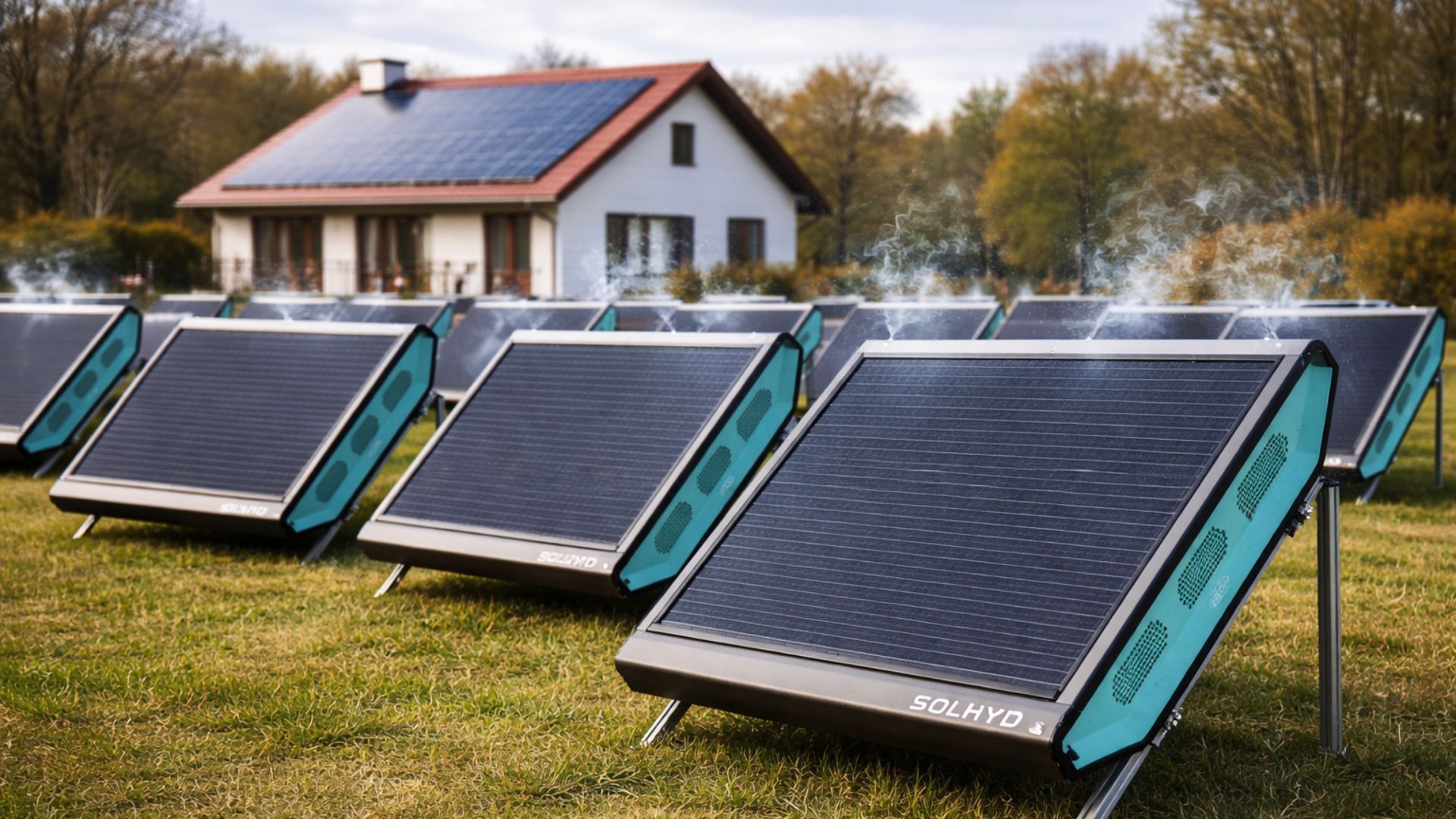
Green hydrogen at home: Belgium launches new technology that makes solar panels produce fuel from the moisture in the air, which could boost the energy transition.
-
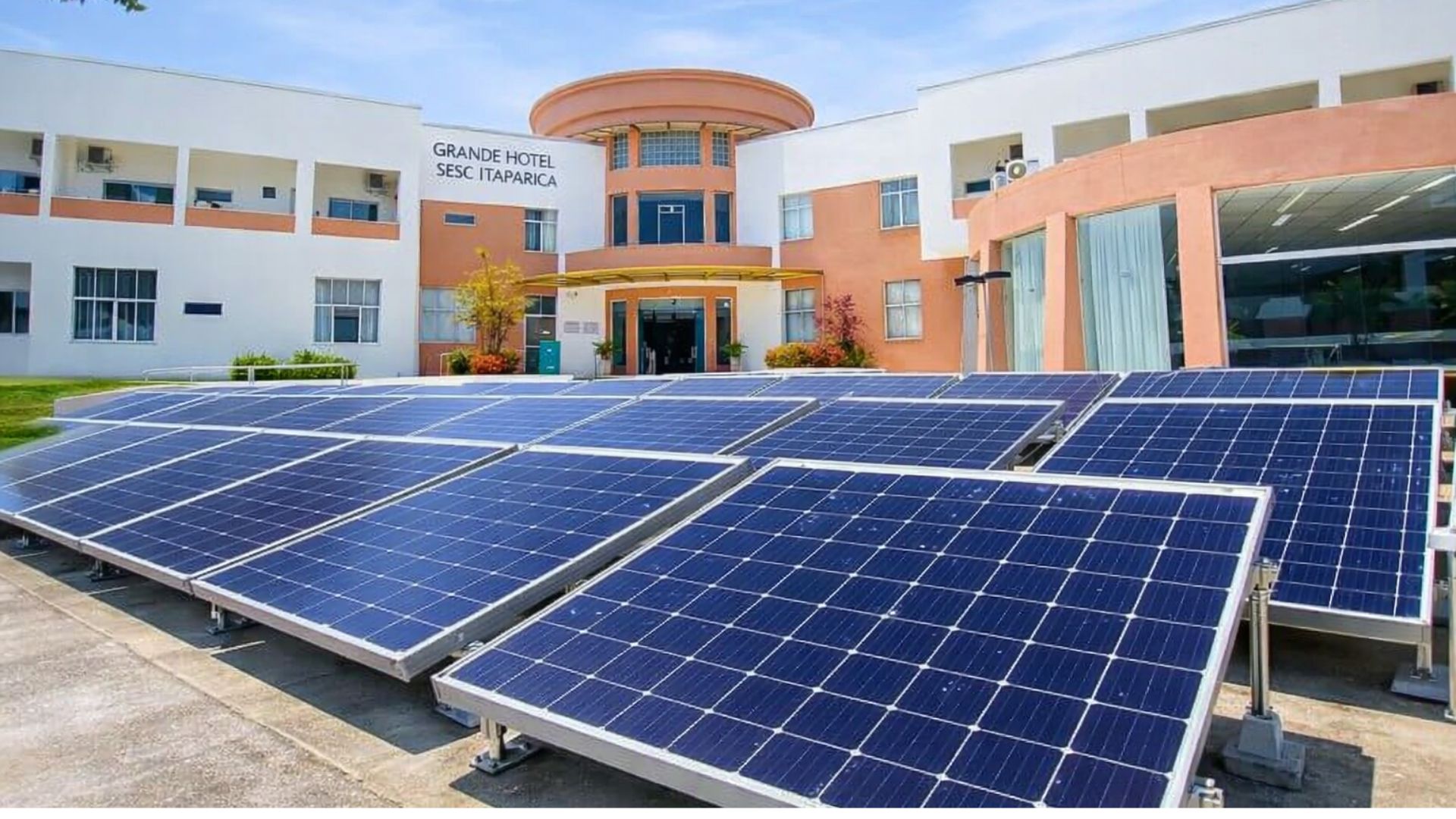
Sesc-BA bets on renewable energy with the support of EDP and drives the energy transition with a direct impact on cost reduction and the sustainability of its operations in Bahia.
-
Technology giant breaks global sustainability records: How Amazon’s leadership in renewable energy procurement transformed the global energy market in the past year.


The technical monitoring of the project will be the responsibility of the Laboratory of Nanostructured Devices – DiNE/UFPR, which will oversee everything from installation to performance monitoring of the solar modules at each of the two tube stations.
Proof of Concept and Installation of Solar Energy Modules
All tests conducted by UFPR will directly lead to a proof of concept for energy generation from Organic Photovoltaic Films, also known as Organic Photovoltaics (OPV), at the tube stations, all based on initial studies applied since 2018 at a single station, which was provided by the City Hall.
In the initial tests conducted by the university, the renewable energy generated by the solar panels installed at the tube stations, within a minimum timeframe of one month, was approximately 80 kWh. The installed OPV modules will be from different manufacturers at the two tube stations in Itajubá.
The project will be managed by Anna Gabriella Tempesta, a physicist and analyst in Science and Technology at the university, and supervised by Professor Dr. Lucimara Roman from DiNE.
Assessment of the Real Conditions of the Tube Stations, to Avoid Unforeseen Events or Any Situation That Could Hinder the Progress of the Renewable Energy Project
As soon as the real usage conditions are meticulously evaluated and the performance comparisons of the OPV modules installed from both manufacturers are completed, the City Hall of Curitiba will have the authority to utilize the technical reports issued by UFPR in order to extend the project to other existing tube stations along the transport corridors.
The university and the city hall also aim to prepare the East-West corridor to accommodate the long-planned electric bus. By hiring UFPR, the city hall waived the bidding process and complied with Federal Law 8.666/93, art. 24, inciso XIII, which states that “the hiring of a Brazilian institution legally mandated for research, teaching, or institutional development, or of an institution dedicated to the social rehabilitation of prisoners, provided that the contracted entity has an unquestionable ethical-professional reputation and is non-profit.”









Seja o primeiro a reagir!