





 Portuguese
  English
  Spanish
 4 min of reading
  0 comments



State Enters History with a Megaproject of R$ 20 Billion to Modernize Its Main Highways. Works Include Duplications, Viaducts, and Bypasses That Promise to Transform Mobility and the Development of Regions.
Paraná is about to experience a revolution in its highway network.
An ambitious project, involving billions in investments, promises not only to improve vehicle flow but also to transform the experience of those traveling on the state’s main highways.
Behind each stretch to be duplicated, each bypass to be built, and each bridge to be expanded, there is a meticulous strategy to ease traffic, improve safety, and boost the economic development of the western and southwestern regions of the state.
-
The Federal Revenue issues a good alert for Brazilian taxpayers: 60.9% are already using the pre-filled tax return, automatic refunds via Pix reach millions, and the government plans for a fully automated income tax in the coming years.

-
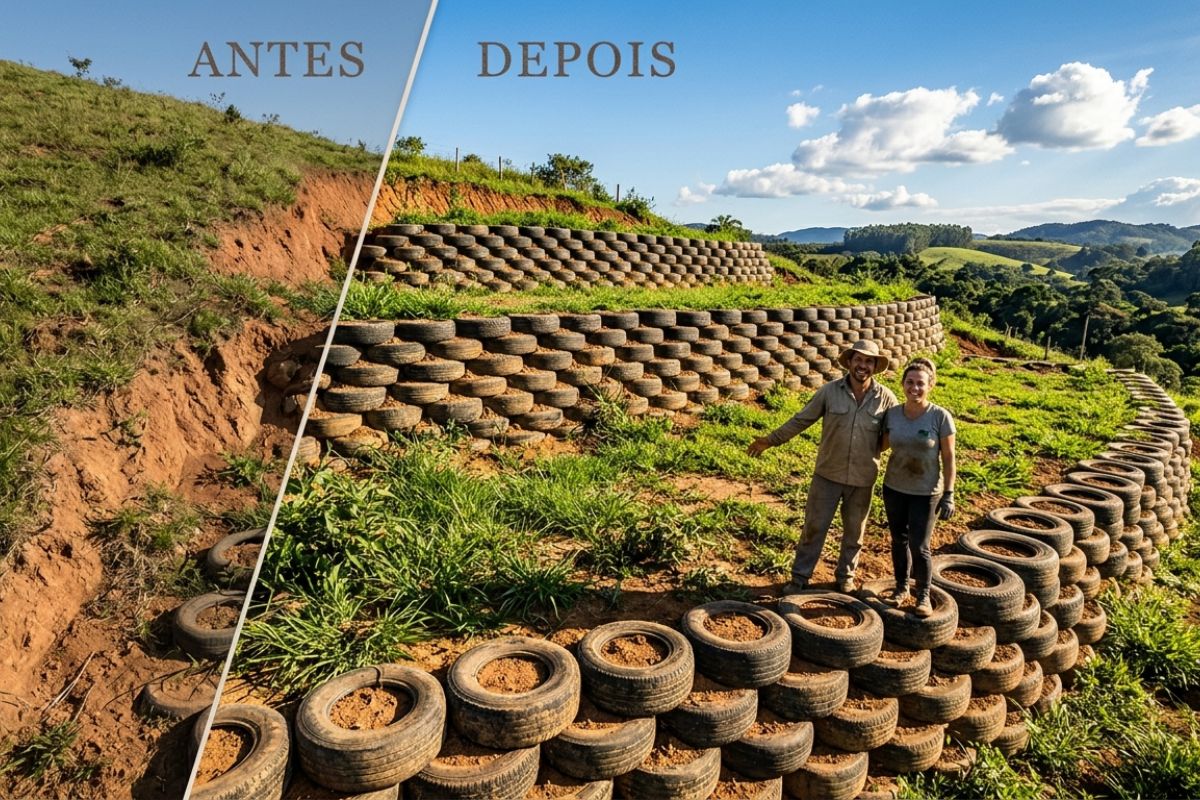
Couple shows how they built a retaining wall on their property using 400 old tires: sloped land turned into plateaus, tires are aligned, filled, and compacted with layers of soil, with grass helping in support and at almost zero cost.
-
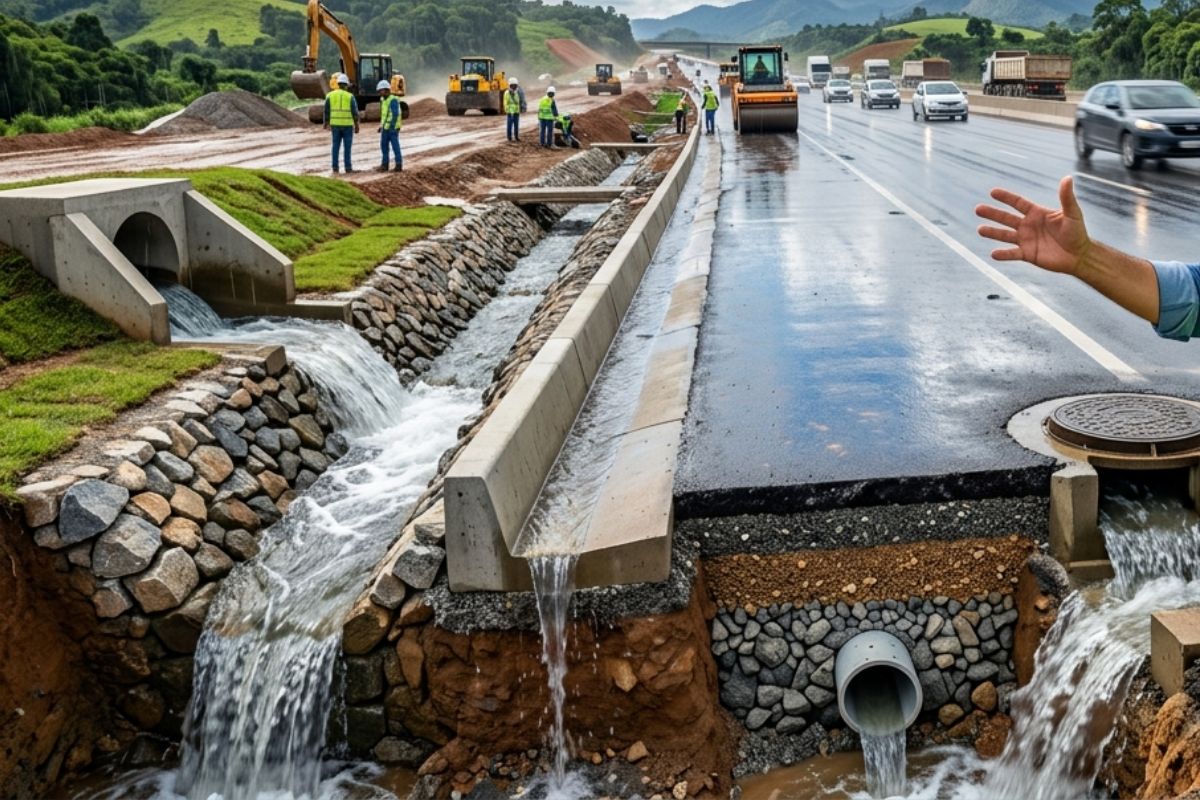
Engineer explains drainage during the rainy season: the difference between surface water and deep water, ditches, gutters, and water outlets on the road, as well as drains and drainage mattresses, to prevent erosion, aquaplaning, and flooding at the construction site today.
-
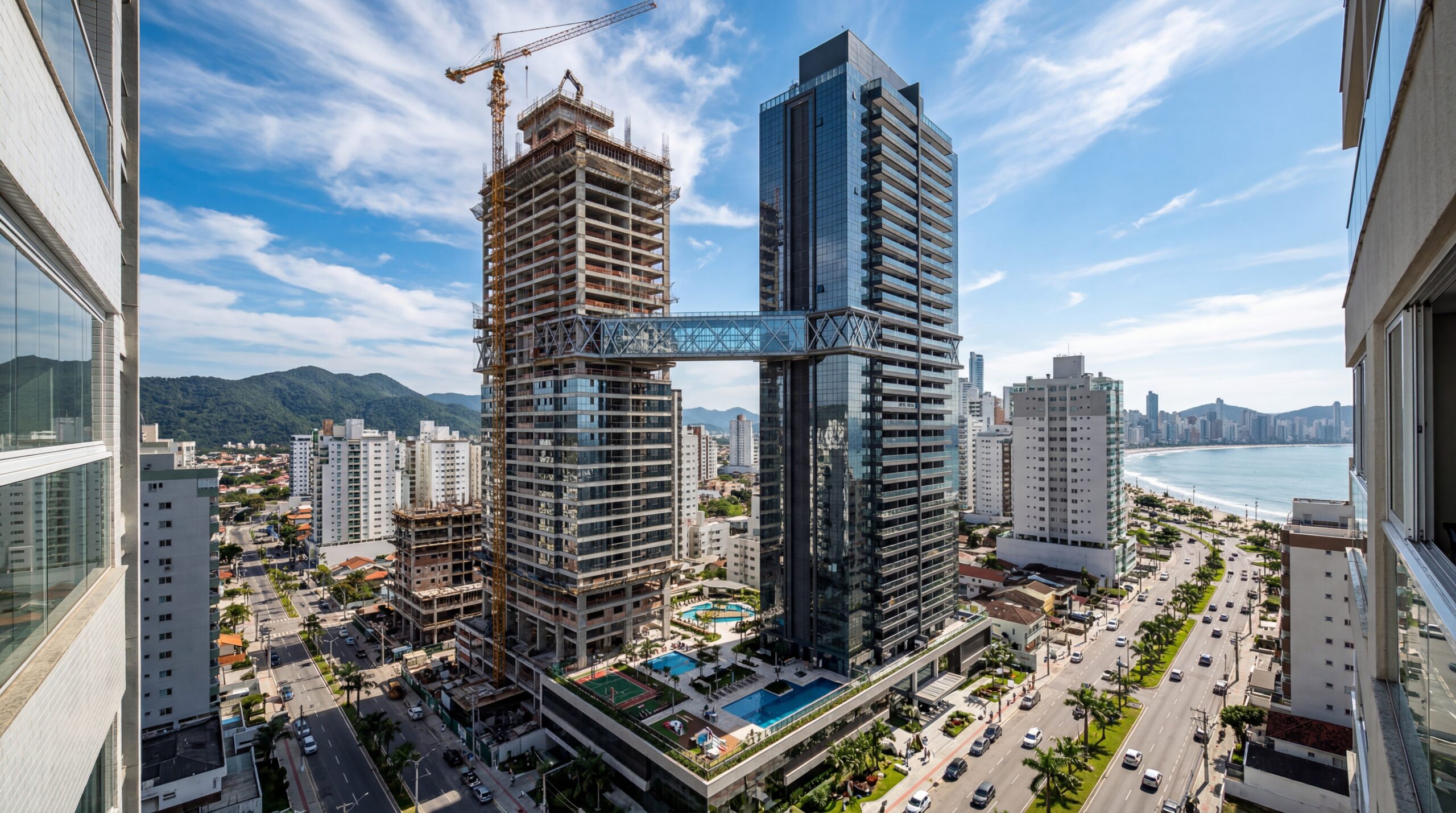
With 55 floors, 177 meters in height, a 15-meter walkway between the twin towers, ventilated facade, and 6,300 m² of leisure space, Ápice Towers already has one tower completed and another nearly at the top.

But what makes this project so grand? And, above all, how can it impact the lives of Parana residents and those traveling on the region’s roads?
What the Project for Lot 6 Says
According to the government, the so-called Lot 6 of Paraná’s highway concessions is a milestone. With a total estimated investment of R$ 20 billion, it is divided into R$ 12.6 billion for works and R$ 7.4 billion for the maintenance and operation of 662.1 kilometers of state and federal highways.
According to the National Land Transportation Agency (ANTT), the bidding document has already been published, and the auction for the concession is scheduled for December 19, 2024, at B3, the Brazilian stock exchange.
The concession includes strategic highways, including sections of BR-163, PR-182, PR-483, PR-180, PRC-280, and PRC-158.
This is the first time these roads, which connect important regions of Paraná, will be managed by the private sector. The promise is of a leap in quality, with safer, modern, and more efficient roads.
Duplications and Infrastructure in Focus
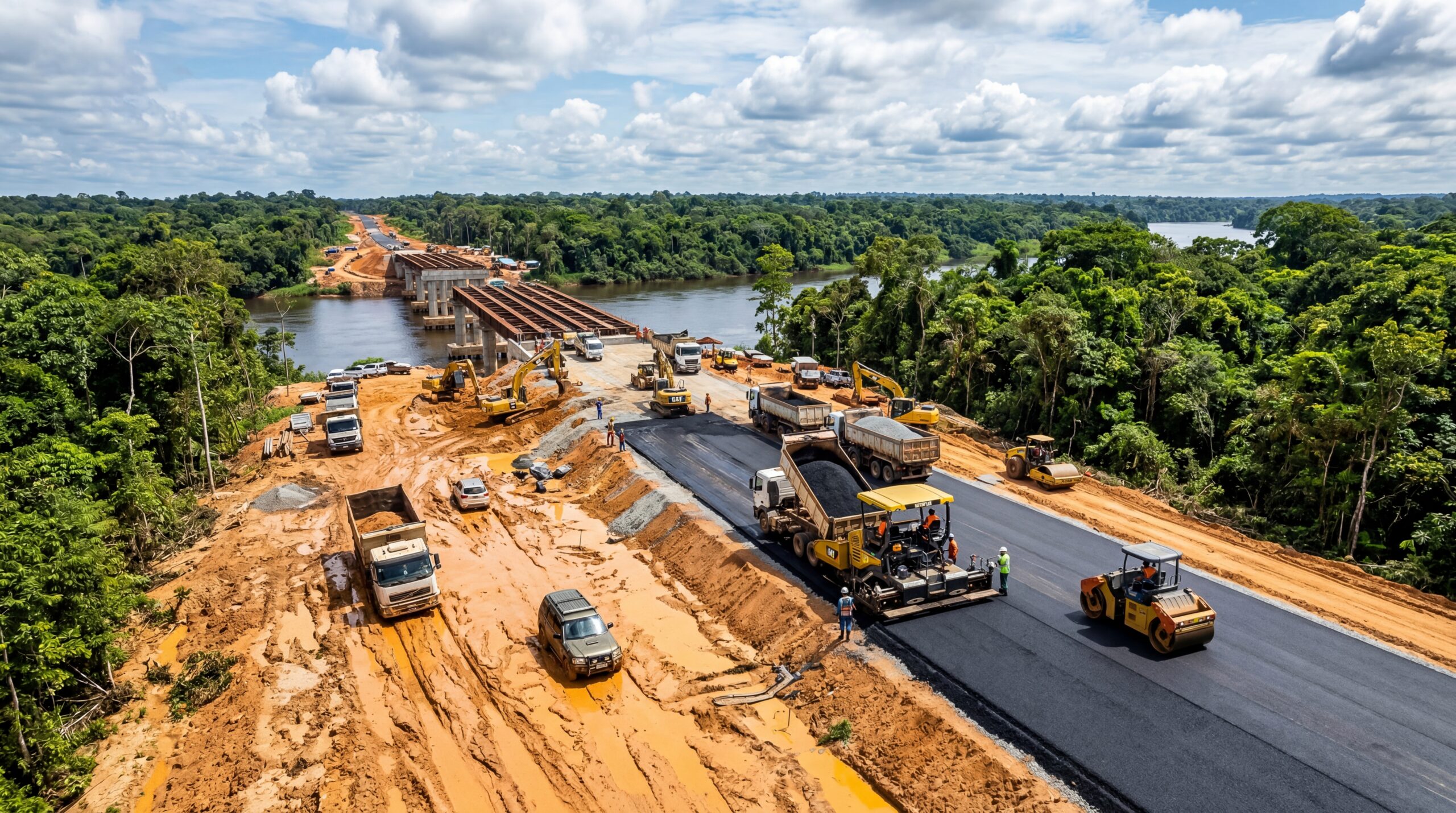
The work plan is extensive and includes the duplication of 141.08 kilometers, construction of viaducts, highway bypasses, walkways, and bike lanes, as well as marginal roads in various sections.
Lindoeste and Santa Lúcia
The municipality of Lindoeste will benefit from a new 6.8-kilometer highway bypass, removing heavy traffic from the city center.
Santa Lúcia will receive duplications, marginal roads, and new walkways within the urban perimeter of BR-163, increasing safety for pedestrians and drivers.
Capitão Leônidas Marques and Realeza
Capitão Leônidas Marques will see improvements on BR-163, including viaducts and duplications that facilitate access to the Salto Caxias Hydroelectric Plant.
In Realeza, in addition to extensive duplicated sections, bike lanes and improvements to the junction with PR-182 are planned, including the construction of a trumpet-type viaduct.
Development in the Southwest
The planned changes for the municipalities of Ampére, Francisco Beltrão, Marmeleiro, Renascença, and Pato Branco represent a significant advance for the region’s infrastructure.
- Francisco Beltrão will have viaducts replacing roundabouts and a new system of marginal roads and bike lanes to organize urban traffic.
- In Marmeleiro, the highway bypass and the duplication of PR-280 will be crucial in diverting heavy traffic from the city center, reducing accidents and optimizing flow.
- In Renascença, improvements such as marginal roads and new bridges over the Santana and Forquilha rivers promise to boost mobility and safety.
Pato Branco, the Final Connection
Pato Branco, in the Southwest, will be the culmination of this mega operation.
The city will gain new marginal roads, bike lanes, and strategic viaducts that integrate PRC-158 and PRC-280, ensuring quick and safe connections between municipalities.
Economic and Social Impacts
This gigantic package of works will not only improve the logistics of the state but also directly impact the economy and quality of life of the population.
More modern highways mean fewer accidents, lower logistics costs for companies, and greater attractiveness for new businesses.
With this, Paraná reaffirms its position as one of the most strategic states for agribusiness and industry in Brazil, as well as boosting tourism in regions such as Foz do Iguaçu, Cascavel, and Pato Branco.
Challenges and Expectations
Despite all the optimism, there are challenges. It will be essential that deadlines are met and that the operation of the granted highways respects the promised quality.
Furthermore, the transition to private management will be closely monitored, especially regarding toll rates.
Now, the question that cannot be avoided: will the billion-dollar investments finally resolve the historical bottlenecks of Paraná’s highways?






Seja o primeiro a reagir!