





 Portuguese
  English
  Spanish
 4 min of reading
  0 comments



Largest Infrastructure Project in Bahia Connects Hundreds of Cities and Promises to Generate Thousands of Jobs, While Overcoming Economic and Environmental Challenges Involving One of the Largest Public Works in the Country, with Significant International Partnerships.
The government of Bahia formalized on Wednesday (4) an unprecedented partnership with Chinese companies to construct a monumental bridge that promises to transform the state’s infrastructure and directly impact 250 municipalities in Bahia.
Bridge Will Have 12.4 Km and Investment of R$ 10 Billion
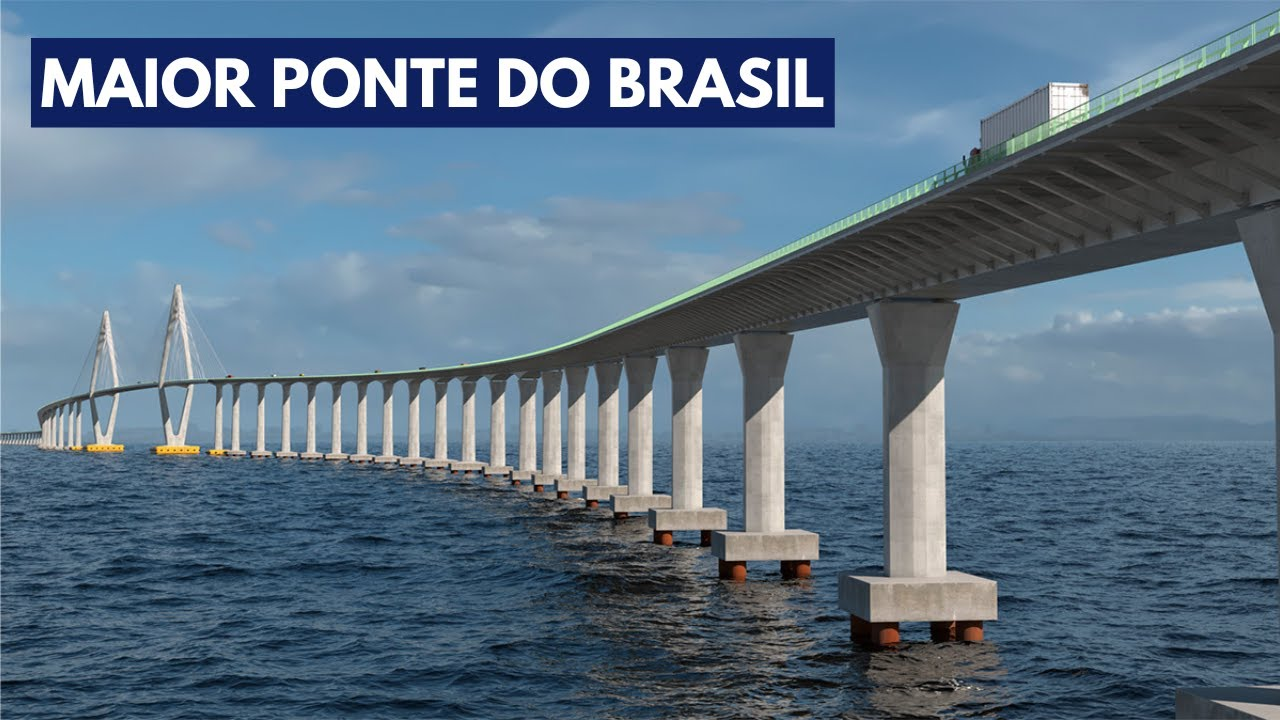
The Salvador-Itaparica bridge, which will span 12.4 km, is budgeted at around R$ 10 billion and is expected to generate approximately 7,000 direct and indirect jobs, especially for professionals in the metropolitan region of Salvador, the Island of Itaparica, Vera Cruz, and the Recôncavo Baiano, as detailed by Governor Jerônimo Rodrigues (PT).
According to CNN Brasil, the project, which will be part of the new Growth Acceleration Program (PAC), aims to connect the capital of Bahia to the Island of Itaparica quickly and safely, reducing the distance between these two points by up to 100 kilometers, which will bring significant gains in logistics, tourism, and economic development for the entire region.
-
Surrounded by cliffs, mist, and chilling stories, the ancient Hotel del Salto has been reborn as a museum while still unable to shake off its reputation as a haunted place.

-
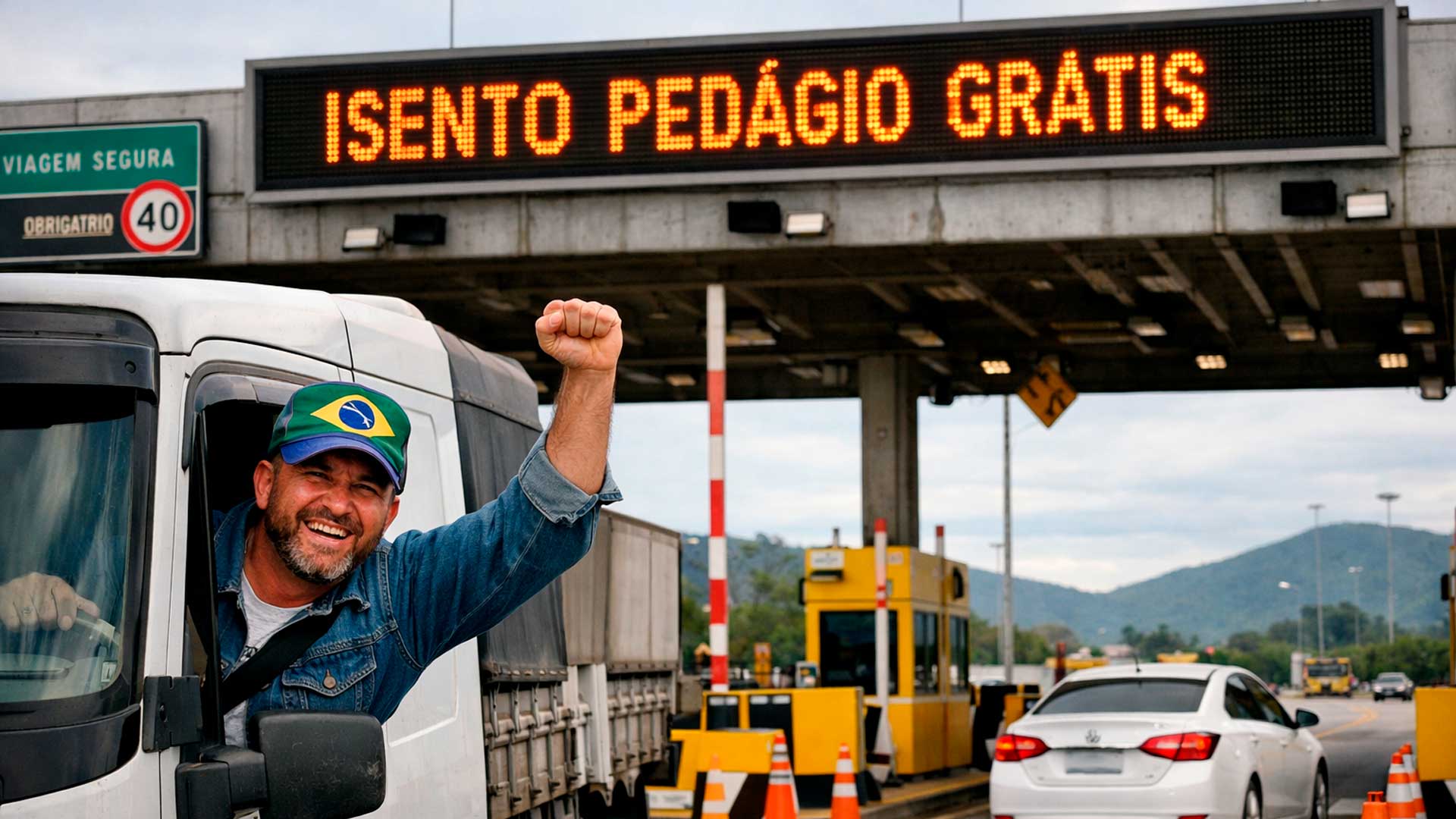
These are the drivers who may stop paying tolls on highways in a project that promises to reduce costs for those who live from transportation in Brazil.
-
This star-shaped fortified construction, hidden near the border of Spain, may be the largest fortress on the planet.

-
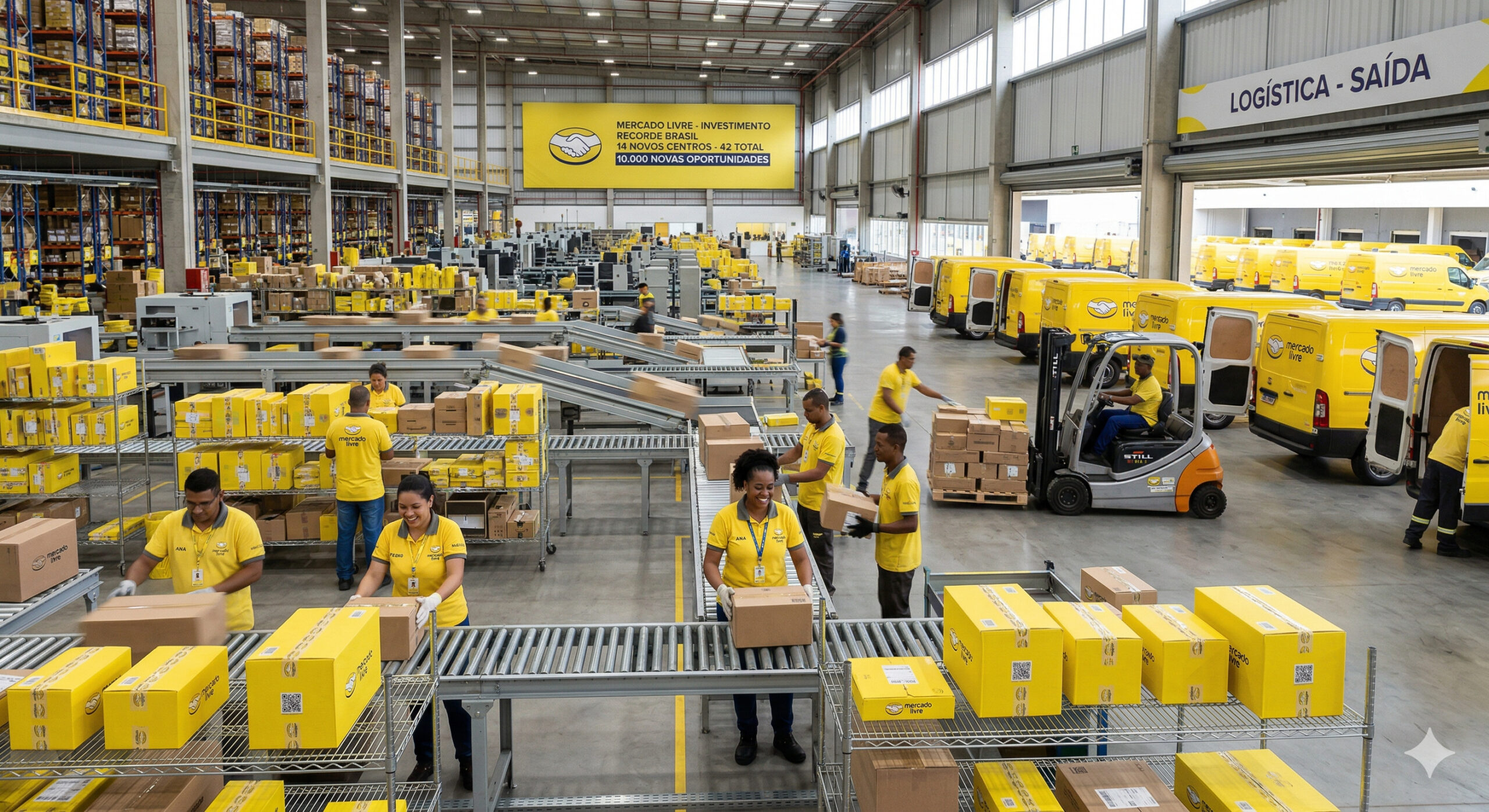
Mercado Livre “opens the vault” and announces a record investment of R$ 57 billion in Brazil in 2026, a value 50% higher than the previous year, with an expansion plan that includes 14 new logistics centers, totaling 42 units in the country and hiring an additional 10,000 employees.

Public-Private Partnership with Chinese Giants
The signing of the Public-Private Partnership (PPP) contract took place between the state government and the Salvador-Itaparica Bridge Concessionaire, formed by the Chinese giants China Railway 20th Bureau Group (CRCC) and China Communications Construction Company (CCCC), both global references in infrastructure works.
The bridge project was initially announced in March 2009 by then-governor and current senator Jacques Wagner (PT), but faced long standsstill.
Although the contract for the execution of the works was signed in 2020, progress was stalled for more than five years, mainly due to the abrupt increase in construction material costs during the Covid-19 pandemic.
After rigorous negotiation, the Bahia State Court of Accounts (TCE-BA) approved a reconciliation proposal in February of this year that raised the budget to R$ 5.07 billion and extended the execution period to six years.
Negotiations Concluded with Virtual Celebration
The end of the negotiations was celebrated in a videoconference between Governor Jerônimo Rodrigues and the Minister of the Civil House, Rui Costa, which included the participation of the presidents of CCCC International and the China Civil Engineering Construction Corporation in Brazil, as well as the Chinese ambassador to Brazil, Zhu Qingqiao.
Job Generation and Professional Training
More than a milestone in Bahia’s infrastructure, the Salvador-Itaparica bridge represents a robust stimulus for the local job market.
The expectation is that about 7,000 jobs will be created during the construction phase, covering various specializations, from engineering to operational labor.
The Secretariat of Labor, Employment, Income, and Sports (Setre) is already coordinating partnerships with the concessionaire to promote professional training courses aimed at residents of Salvador, the Island of Itaparica, and municipalities in the Recôncavo.
These initiatives seek to prepare the workforce to take on roles ranging from operating machinery to managing the construction site, valuing local labor and strengthening the regional economy.


Economic and Social Impacts of the Bridge
In addition to the social impact, the bridge will have broad economic effects.
By integrating different regions of Bahia, it will facilitate the flow of agricultural and industrial products, boost tourism, and stimulate investments in complementary infrastructure, such as roads and public services.
According to consulted experts, the expectation is that the bridge will help reduce the isolation of communities in the Recôncavo, improving the quality of life and expanding access to essential services.
The project also integrates rigorous environmental strategies, as the area of the Bay of All Saints has significant biodiversity and requires special care to preserve its ecosystems during construction.
Given the transformative potential of the project, there is a consensus among authorities, experts, and residents about the importance of monitoring the execution with transparency and environmental commitment.
The Salvador-Itaparica bridge represents more than a step forward in Bahia’s road network; it is a symbol of the integration between Brazil and China in major infrastructure projects that can leverage sustainable development in the country.
Do you believe that this bridge will really transform the economy of Bahia and improve the lives of people in the impacted municipalities?






Seja o primeiro a reagir!