





 Portuguese
  English
  Spanish
  5 min of reading
  0 comments


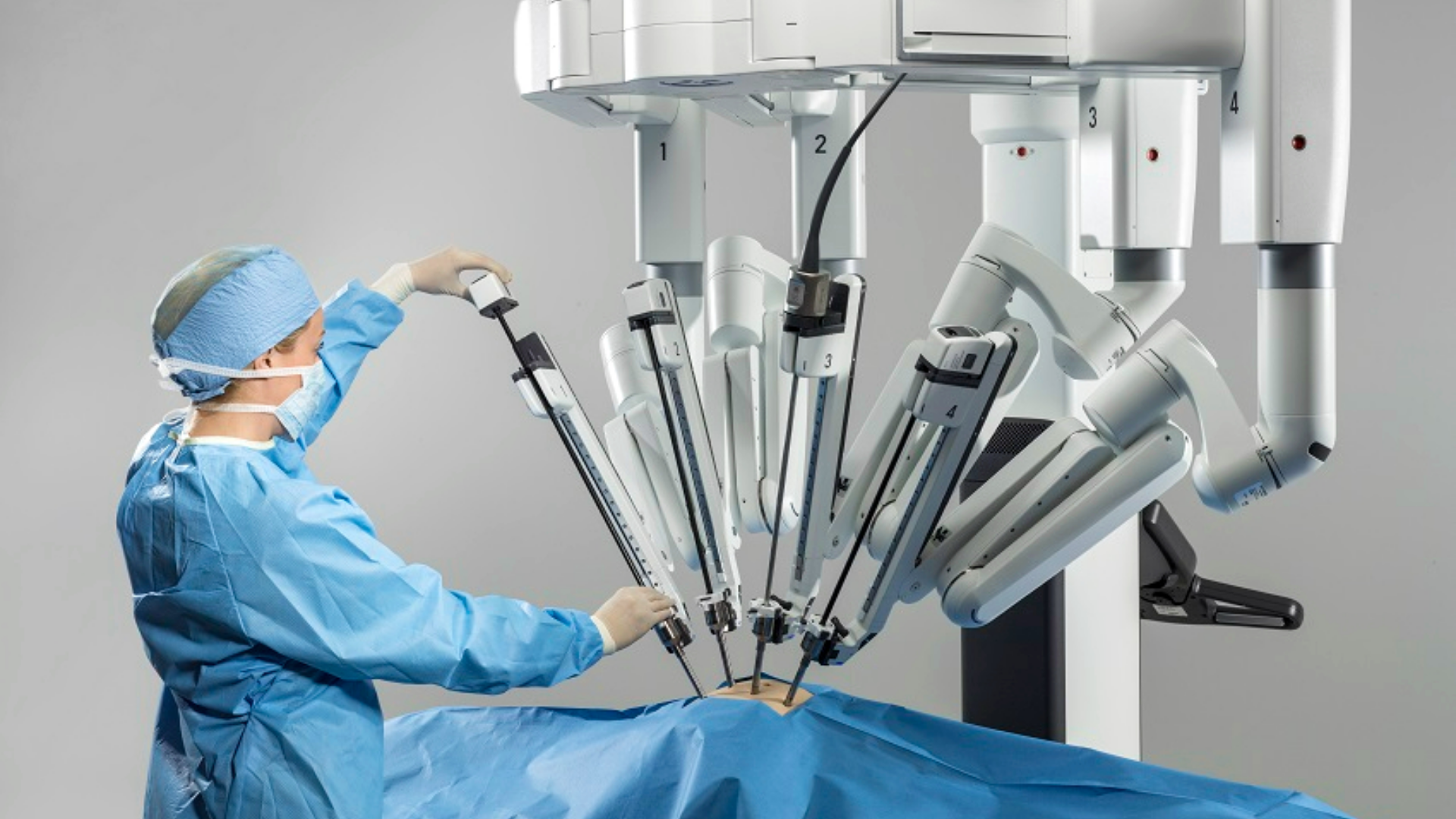
The Use of Minimally Invasive Robots Promises Greater Precision and Less Pain, Providing a Faster Recovery for Patients
The Ceará Cancer Institute (ICC) is at the forefront of medicine, adopting robotic technology to perform minimally invasive surgery in oncological treatments, according to the website olhardigital.
This innovation marks a significant advance in the way cancer is treated, providing substantial benefits to patients.
The use of robots in cancer surgeries not only improves procedural outcomes but also alters the overall patient experience during treatment.
-
Surrounded by the sea, the airport will have a system to prevent airplanes from falling into the water; technology will be installed in Ilhéus (BA), with an investment of R$ 70 million.

-
Church from 1888 becomes a mansion of over 330 m² in Canada after a renovation of R$ 3.4 million and is eventually sold for nearly R$ 4.3 million.

-
How an innovative city combines high technology, well-being, and sustainability to become the largest reference in clean energy on the planet.

-
Couple buys 1846 church in ruins for R$ 660,000, invests R$ 3.2 million in renovations, transforms it into a millionaire mansion, and even preserved a historic cemetery with over 300 graves.


What Are Robotic Surgeries?
Robotic surgeries are complex procedures that utilize robotic systems to perform surgical tasks with incredible precision.
The technology allows surgeons to perform operations with a three-dimensional and enlarged view of the area to be operated on.
Recently, the Haroldo Juaçaba Hospital, located in Fortaleza, performed the first thoracoscopy assisted by the Vinci X robotic platform.
This innovative technique offers a less invasive alternative for the treatment of cancer, especially in cases of lung cancer.
Robotic surgery is an advance in medicine that allows doctors to mimic hand movements during the operation.
This is done through robotic arms that make small incisions in the patient’s body.
Although they are less invasive, these surgeries require a high level of skill and precision, factors that are crucial for the success of the procedure and the patient’s recovery.
Were you already familiar with this technology?
What do you think about the use of robots in surgeries?
Benefits of Robotic Surgeries for Patients
One of the main benefits of robotic surgeries is the reduction in hospitalization time and postoperative recovery.
Patients who undergo these procedures generally experience less pain and a lower risk of complications.
According to thoracic surgeon Renato Torrano, this technique is especially useful for the removal of tumors and pulmonary diseases.
Lung resections, which involve the removal of part of the lung, are often performed on patients with lung cancer but can also be applied to individuals with other pulmonary conditions.
Additionally, tumors in the mediastinum, a delicate area between the lungs, can be treated with the same technique, highlighting the importance of precision in robotic surgeries.
What do you think about the possibility of less pain and a faster recovery for patients?
The Reality of Robotic Surgeries in Brazil

Despite advancements, robotic surgeries are still not covered by the Unified Health System (SUS), which is in an early phase of implementing these procedures.
In the case of the ICC, the surgeries were financed by Pronon, a program aimed at combating cancer.
This limitation in access can be an obstacle for many patients seeking more advanced treatments.
The lack of SUS coverage for robotic surgeries remains a significant challenge, as many patients may not have access to this innovative technology.
However, the advancement of robotic surgeries may encourage the inclusion of this technique in the public system as more institutions begin to adopt these practices.
The Future of Robotic Surgeries in Cancer Treatment
With the incorporation of robotic technology in surgical procedures, cancer treatment gains a new dimension, providing doctors with more effective tools to face the disease.
The use of robots in medicine can revolutionize the way surgeons approach oncological cases, making the procedures less invasive and more effective.
As more hospitals and clinics adopt these techniques, the popularity of robotic surgeries is expected to increase.
This could result in a more effective healthcare system where patients recover more quickly and have fewer complications, alleviating the burden on health services.
Ongoing research in this area is essential to ensure that more patients can benefit from these innovations.
The Impact of Robotic Surgeries on Public Health
The use of robotic technology in cancer surgeries can have a positive impact on public health.
As more hospitals and clinics adopt these techniques, a reduction in surgical complication rates and an increase in treatment efficiency are expected.
This could result in a more efficient healthcare system where patients recover more quickly and have fewer complications.
Additionally, with the reduction in hospitalization time and pain associated with surgeries, patients can return to their normal activities more quickly, which is a significant benefit for both them and the healthcare system in general.
The adoption of robotic surgeries can enhance patients’ quality of life and reduce pressure on hospitals, allowing more people to receive the necessary treatment.
The Role of Healthcare Professionals
Although robots play a crucial role in surgeries, it is important to remember that they do not replace surgeons.
The experience and skill of doctors remain fundamental to the success of robotic procedures.
Surgeons need specialized training to operate these sophisticated machines and ensure that each operation is performed with the highest degree of care and precision.
Furthermore, teamwork among surgeons, nurses, and technicians is essential for the success of robotic surgeries.
This effective collaboration among healthcare professionals is a factor that can determine treatment outcomes and patient satisfaction.
The importance of the medical team cannot be underestimated, and the integration of innovative technologies should be accompanied by adequate training and support.
Education and Awareness About Robotic Surgeries
As robotic surgeries become more common, it is vital for patients and their families to be informed about the options available.
Education about what involves a robotic surgery, its benefits, and potential risks is crucial for helping patients make informed decisions about their treatment.
Informing the population about these technologies can lead to greater acceptance and demand for treatments that use robots.
Healthcare institutions should promote awareness campaigns, highlighting the advantages of minimally invasive surgery and how they can transform the patient experience.
This will help not only to increase the acceptance of robotic surgeries but also to ensure that more patients have access to these innovative treatments.
The Future of Cancer Surgeries
The future of robotic surgeries in medicine looks promising.
As technology advances and becomes more accessible, it is likely that more institutions will adopt these techniques across a variety of medical specialties.
Continuing research and the development of new robotic platforms may open doors to even more complex and innovative procedures.
With the increasing demand for effective and less invasive treatments, the role of robots in oncological surgery and other areas of healthcare is only expected to grow.
Thus, it is important for patients and healthcare professionals to remain informed about these innovations and their implications for cancer treatment.
Invitation to Reflection
The use of robotic technology in cancer surgeries represents a significant milestone in modern medicine.
As this technique becomes more prevalent, it is essential for all of us, as a society, to reflect on the impact that these innovations have on our lives.
What are your expectations regarding the future of robotic surgeries in medicine? Do you believe this technology can change the way we treat complex diseases?
We invite you to share your opinions and experiences in the comments below.
Your perspective is valuable and can contribute to a broader discussion about the future of medicine and robotic surgeries.







Seja o primeiro a reagir!