





 Portuguese
  English
  Spanish
  5 min of reading
  4 comments





São Paulo Will Gain a New International Airport That Promises to Revolutionize Tourism and Logistics. With a Billion-Dollar Investment and the Creation of 5 Thousand Jobs, the City Is Set to Become a Development Hub.
What Would You Do If You Knew That a Billion-Dollar Project Is About to Change the Face of Northern São Paulo? Imagine a small city, known for its hot springs and water parks, now with an international airport capable of attracting millions of tourists.
This reality is not far off, and Olímpia, one of the most beloved cities in the interior of São Paulo, is preparing to welcome what could be one of the biggest landmarks in aviation in Brazil.
Olímpia International Airport: the Project That Promises to Stir São Paulo and Brazil
-
Germany proposes silent propellers to solve a centuries-old problem: the damage caused in the ocean by ship noise.
-
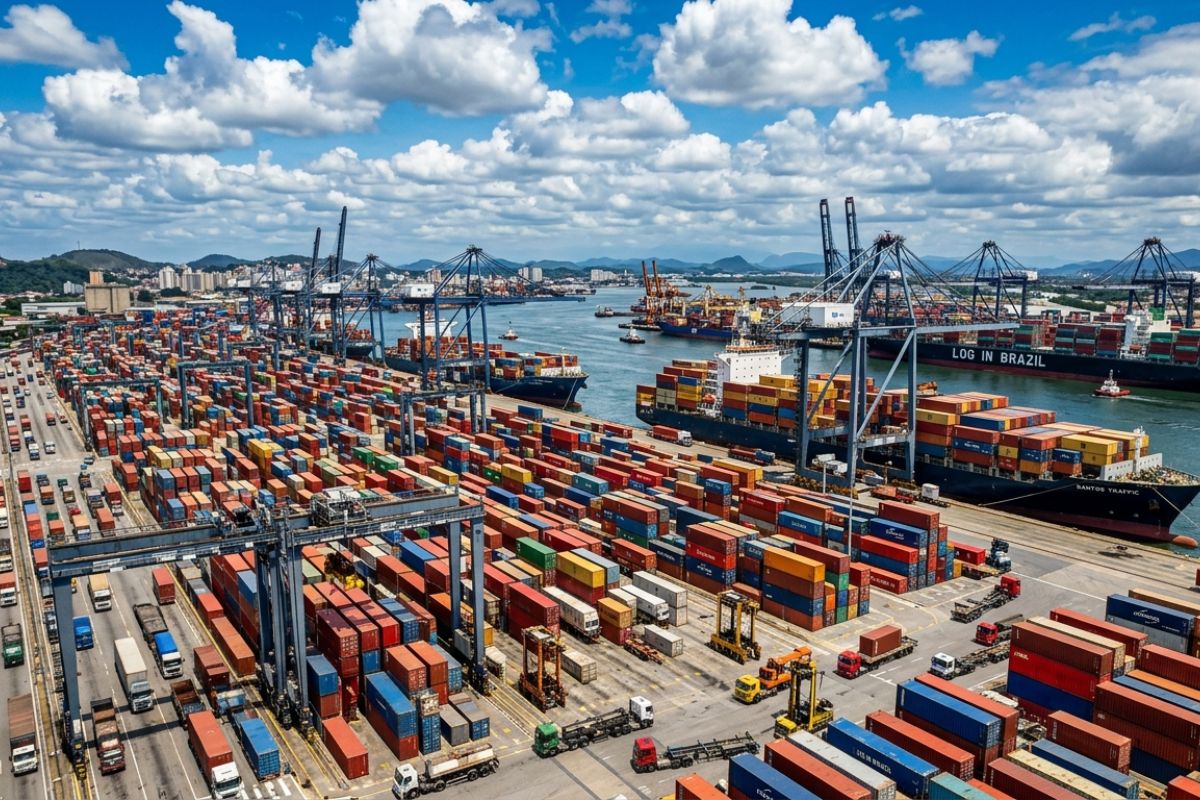
Ports like Santos and Paranaguá are operating at their limits and may block containers as early as 2030, warns a study by Macroinfra; bottlenecks increase costs and delays and push cargo to Rio, Salvador, Pecém, and Suape across Brazil.
-
What the Public House of Julius Caesar was like inside in the Roman Forum: layout, atrium with compluvium and impluvium, tablinium and peristyle, and the scandal of the Bona Dea, revealed in an AI recreation.

-
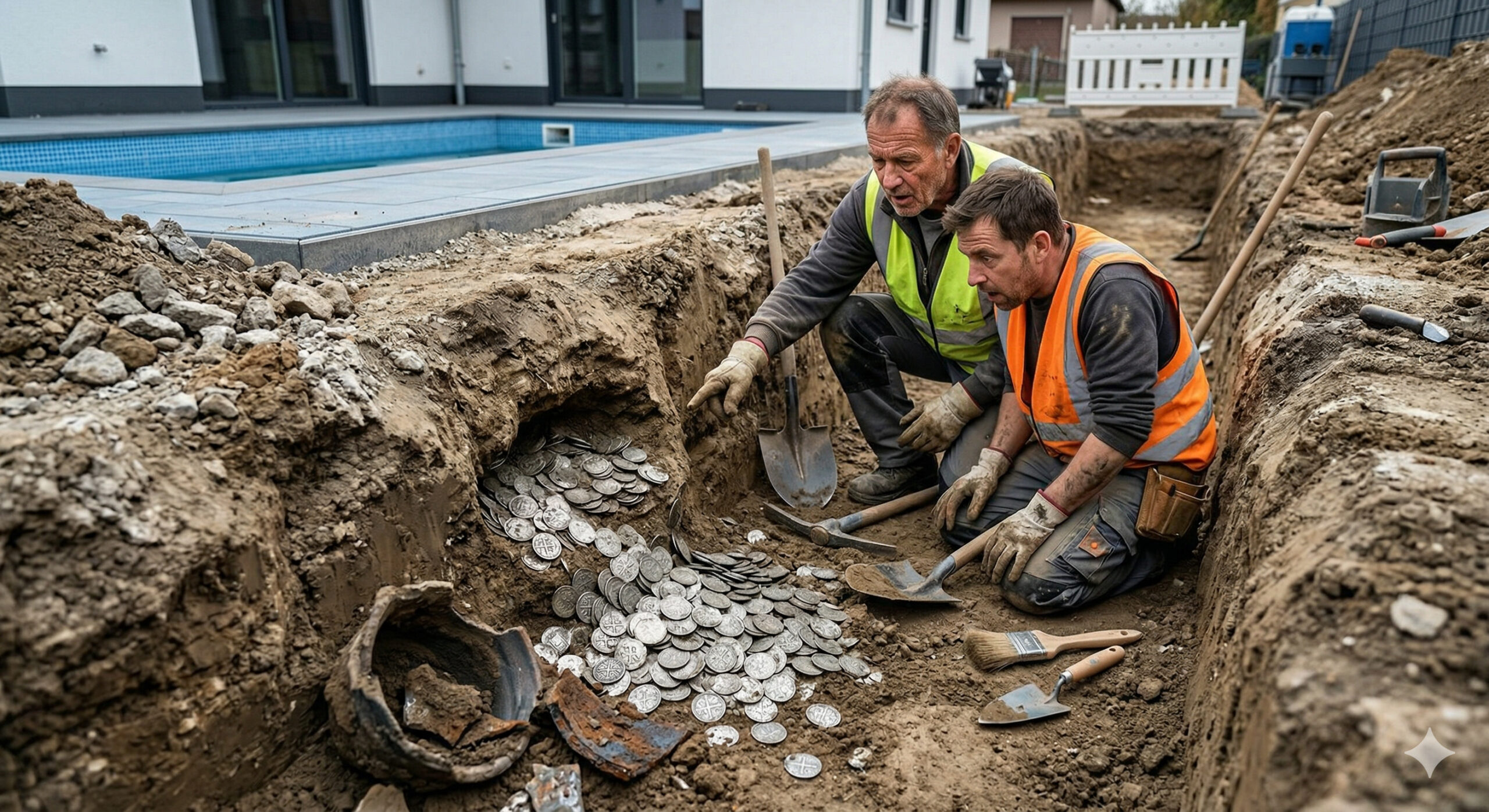
While digging a trench next to a pool in Germany, workers found more than 1,500 silver coins from 1320 in the rubble, revealing a treasure buried for over 700 years.
The construction of the new Olímpia International Airport is not just an infrastructure project; it is a true revolution for the region.
The city, already famous for its thermal springs and tourist attractions, is preparing to take a giant leap toward an even more prosperous future.
The airport’s infrastructure will not only facilitate access for national and international tourists, but it also has the potential to transform Olímpia into a strategically important logistics hub for Brazil.
Generating 5,000 direct jobs, the airport project is one of the greatest promises of regional development.
There will be various opportunities in construction and, subsequently, in airport operations.
Experts estimate that, in addition to the 5,000 direct jobs generated by the project, the airport will create about 2,000 permanent jobs after its inauguration, in areas such as tourism, logistics, food, and security.
The city of Olímpia, which already attracts thousands of visitors each year, could become an even more competitive destination, drawing tourists from all corners of the world.
With the arrival of direct flights, access to the municipality will be quicker and more efficient, and the expectation is that the number of visitors will grow exponentially, doubling in the first years after the airport’s inauguration.
Strategic Location and Impacts on Tourism
The location of the new airport was carefully planned.
With 200 hectares, the project will be installed near the Assis Chateaubriand Highway, one of the main access routes in the region, and just 20 km from the center of Olímpia.
This proximity to major highways and the city ensures that tourists and entrepreneurs can arrive quickly and conveniently, which represents a significant advantage for the new terminal.
With the proximity to São José do Rio Preto and Barretos, neighboring cities, the airport will also facilitate connections to other destinations, not only in Brazil but around the world.
Furthermore, the economic impact will be significant, with expectations of attracting investments in the hotel and commercial sectors.
Analysts in the field believe that the airport will become a true magnet for investments, creating new opportunities in the tourism sector, especially with the increase in hotels, resorts, and restaurants.
The Project: More Than an Airport, a Engine for Economic Development
The construction of the airport is not just a simple expansion of local infrastructure.
The project is part of a strategic vision to transform Olímpia and the region into one of the largest tourism and logistics hubs in Brazil.
This includes significant movement in the freight transport sector, as the airport, with its capacity to handle both domestic and international flights, will serve as a strategic point for the flow of goods.
Logistics analysts point out that, with the airport, the region will become a central distribution point for companies and industries, connecting interior São Paulo with the main international trade routes.
This facilitated logistics will bring even more competitiveness to the local economy, as well as encouraging growth in the industrial sector and attracting large companies to the region.
Billion-Dollar Investments and Public-Private Partnerships
The total cost for the construction of the new Olímpia International Airport is estimated at over R$ 1 billion, an amount that will be divided between public and private resources.
According to Infraero, responsible for the project’s administration, a large portion of the resources will be devoted to the construction of passenger terminals and logistics areas.
The government of São Paulo has demonstrated its financial support for the project, highlighting its potential for economic transformation for the region and the state.
This support is crucial to ensure the project’s viability and attract private investors, who are already eyeing the opportunity for long-term financial returns.
The expectation is that the airport will become self-sufficient after its inauguration, generating revenue through airport fees, rental of commercial spaces, and cargo operations.
The Official Timeline: From Construction to Inauguration
The project for the new airport follows an accelerated timeline. By February 2025, Infraero will complete the technical studies and officially take over the airport’s administration.
From there, construction will begin in the second half of 2025, with completion expected in 2028.
Of course, adjustments to the timeline may occur due to unforeseen factors, such as changes in the project or regulatory adjustments, but the expectation is that the inauguration will take place in late 2028, giving the region a new milestone for development.
Olímpia Airport: A Step Toward the Future of Regional Aviation
The new Olímpia International Airport is much more than just an infrastructure project.
It Represents a Paradigm Shift for the Region, with the Potential to Put Olímpia on the International Radar and Allow the City to Compete with Major Tourist Destinations and Logistics Centers.
The transformation that this project promises to bring to the city of Olímpia is not just about tourism but about sustainable economic development and innovation.
Will Brazil Surprise Us with More Projects Like This, Capable of Redefining the Future of Less Explored Regions? Only Time Will Tell, but One Thing Is Certain: Olímpia Is About to Experience a True Revolution.






Alguém já foi para Olímpia saindo da rodovia WL por catiguá ? A estrada é péssima, cheia de buracos enormes e esse povo pensando em aeroporto ! Olha o aeroporto de rp a 60km de Olímpia totalmente subutilizado !
Será a maior ****. Igual ao aeroporto de Caçapava, no Vale do Paraíba e ao aeroporto internacional de Pouso Alegre, no sul Minas. A região não precisa de mais um aeroporto dessa dimensão.
Ótimo! E a ligação com a cidade de São Paulo e o aeroporto de Guarulhos por trem!!!
Já existe, trem. direto da estação Luz até o aeroporto