





 Portuguese
  English
  Spanish
  5 min of reading
  0 comments



Did You Know That Some Brazilian States Are True Powerhouses in Agribusiness, Moving Billions and Placing Brazil at the Top of Global Agricultural Production? Meet the Leaders Who Boost Our Economy with Record Soybean, Corn, Coffee, and More Productions.
Agribusiness is one of the pillars of the Brazilian economy, moving billions of reais annually and supporting millions of direct and indirect jobs.
With fertile land, cutting-edge technology, and an increasingly heated global market, Brazil is consolidating itself as one of the largest food exporters in the world.
But which states actually drive this sector? Which regions sustain production and ensure the country’s competitiveness on the international stage?
-
The U.S. Army surprises the world by presenting the UH-60MX Black Hawk helicopter capable of flying without pilots, controlled by a tablet, featuring the MATRIX system, smart sensors, and full autonomy in real combat and rescue missions.

-
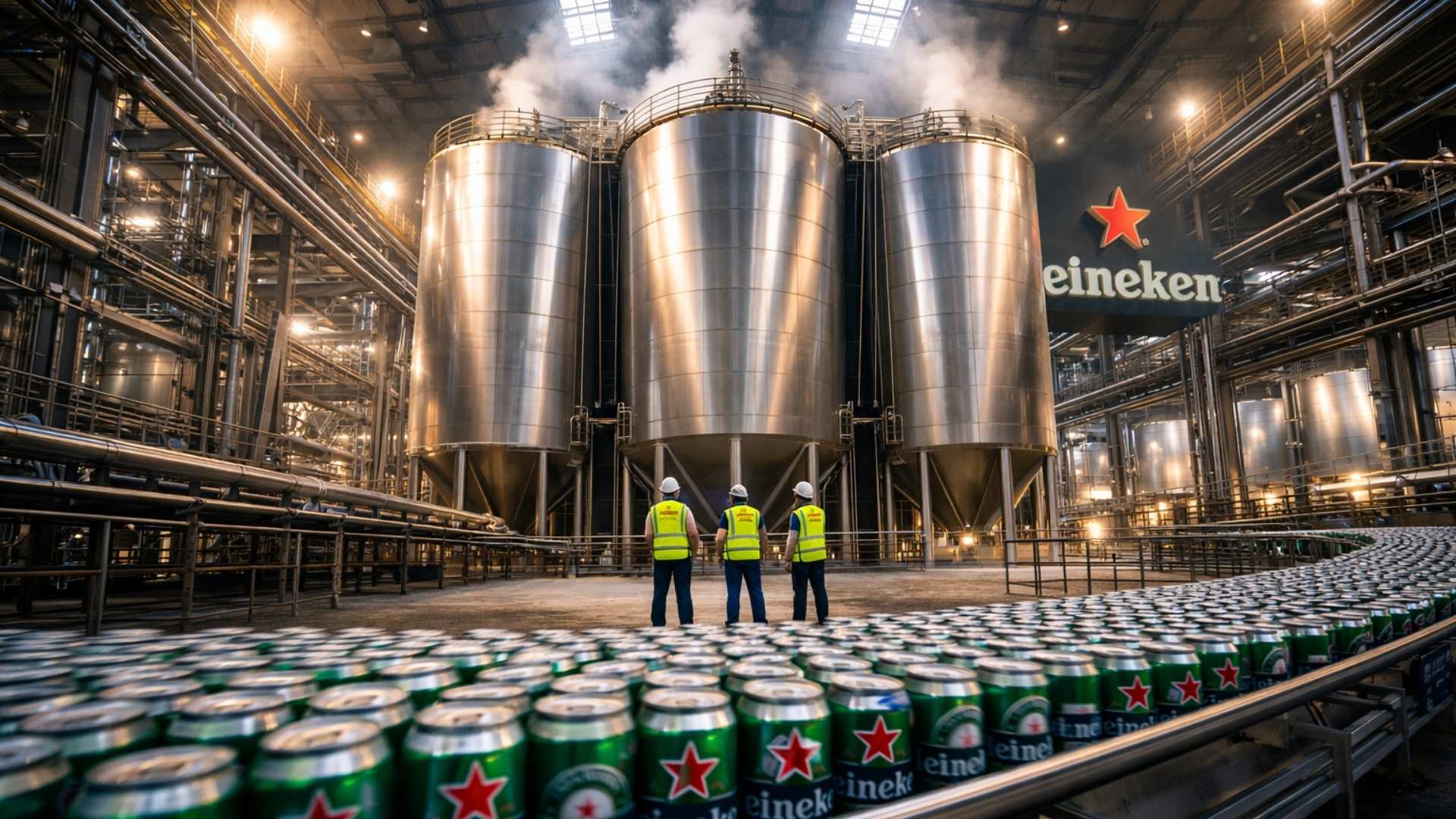
Heineken’s factory in Brazil produces 300 million beer cans in just 4 months, reaches 1 million hectoliters, received R$ 2.5 billion, and is already projecting an annual capacity of 5 million with sustainable technology.
-
Inside an active volcano in Africa, residents use volcanic rocks to build houses in an impressive setting.

-
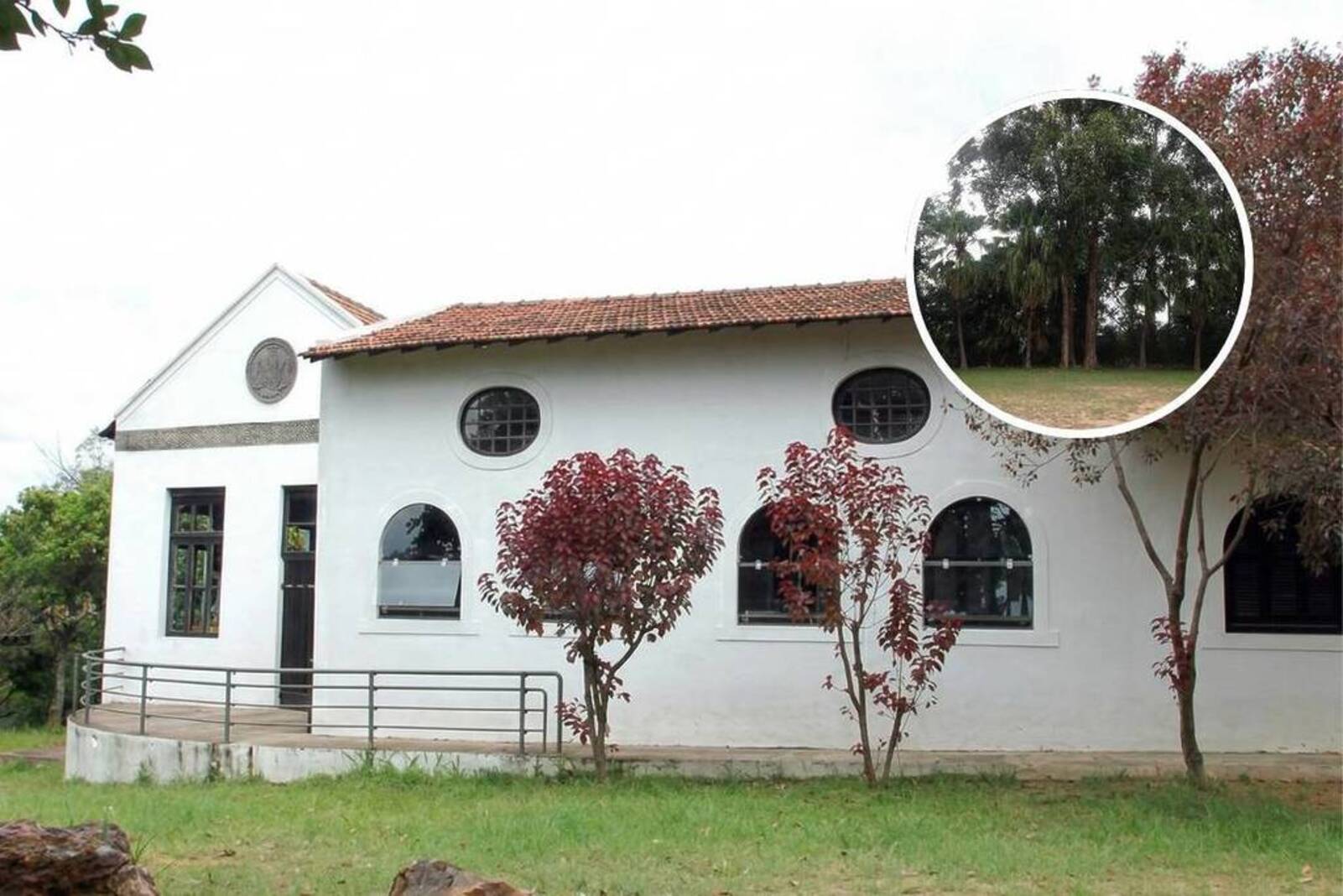
After 14 years of waiting, a rammed earth mansion built in 1702 in the North Zone of São Paulo will become a park with leisure facilities and green areas, with a million-dollar investment.

Some federative units stand out for their productivity, innovation, and diversity of crops and livestock.
According to experts, these states have geographic and structural characteristics that make them essential for the agribusiness chain.
Below, in increasing order, check out Brazil’s agricultural powerhouses and the products that make these regions true engines of the sector.
Mato Grosso: The Giant of Grain Production
Mato Grosso leads grain production in Brazil, with absolute emphasis on soybeans and corn.
The state has vast arable areas and a highly mechanized production system, which ensures high productivity rates.
Moreover, livestock farming is a heavy sector, placing Mato Grosso among the largest beef producers in the country.
The state’s logistical infrastructure has evolved in recent years, with investments in highways and railways to facilitate crop harvesting.
The Port of Miritituba, in Pará, has become a strategic point for Mato Grosso’s agribusiness, allowing for more efficient grain exports to the international market.
Paraná: Diversification and Large-Scale Export
Paraná stands out for its variety of agricultural crops, being one of the largest producers of soybeans, corn, wheat, and coffee.
Additionally, it is a reference in the production and export of animal proteins, with a strong presence in the chicken and pig meat markets.
The state’s infrastructure is one of its strong points. With efficient ports, such as Paranaguá, Paraná can quickly unload its production to various international markets.
Technological advancements in the field have also boosted productivity, making Paraná’s agriculture one of the most modern in the country.
São Paulo: Industrial and Agricultural Powerhouse
Although it is widely recognized for its industrial and financial strength, São Paulo also plays a central role in Brazilian agribusiness.
The state is a leader in sugarcane and orange production, in addition to being one of Brazil’s main coffee hubs.
The proximity to major urban centers and a robust infrastructure provide a competitive edge for producers in São Paulo.
With incentives for agricultural research and investments in biotechnology, São Paulo continues to innovate and ensure high productivity in the field.
Minas Gerais: Land of Coffee and Dairy Products
Minas Gerais has a strong identity tied to coffee production, being one of the largest exporters of the bean in the country.
The Cerrado Mineiro region is globally recognized for the quality of its specialty coffees, which adds value to the product in the international market.
In addition to coffee, the dairy farming in Minas Gerais is one of the most developed in Brazil. The state leads in the production of milk and dairy products, supplying both the domestic and international markets.
The agricultural sector in Minas is also investing in diversification, with significant crops of corn and soybeans.
Goiás: The Strength of Agribusiness in the Midwest
The state of Goiás has established itself as one of the main producers of soybeans, corn, and cotton.
The sugarcane crop has also been growing, boosting the biofuel industry in the region.
Livestock farming in Goiás stands out both in beef production and in dairy farming.
With a dynamic agricultural sector and constant investments in technology, Goiás continues to expand its participation in the national and international markets.
Bahia: The Strength of the Northeast in Agribusiness
Bahia is notable for its production of cacao, tropical fruits, cotton, and soybeans.
The state has advanced in agricultural mechanization and the expansion of cultivated areas, enhancing its participation in Brazilian agribusiness.
The fruit growing industry in Bahia supplies both domestic and international markets, with significant exports of mangoes, papayas, and melons.
The state also invests in strengthening the agro-industrial sector, adding value to its production.
Mato Grosso do Sul: Power in Livestock and Grains
With significant production of soybeans, corn, and beef, Mato Grosso do Sul remains a powerhouse in agribusiness.
The quality of beef from Mato Grosso do Sul has ensured a place in the international market, boosting the state’s livestock sector.
In addition, the advancement of logistical infrastructure and easier access to ports in the Southeast and North have been decisive factors for the competitiveness of local agribusiness.
Rio Grande do Sul: Tradition and Innovation in Agriculture
Rio Grande do Sul is one of the main producers of rice, soybeans, and corn in the country. Additionally, the state has significant relevance in wine production, with internationally awarded wineries.
Another standout sector is milk and dairy production, which drives the economy of the state and supplies various regions of Brazil.
The combination of agricultural tradition and technological innovation ensures the state a prominent position in national agribusiness.
Santa Catarina: Reference in Animal Protein
Santa Catarina has established itself as one of the largest exporters of pork and chicken in Brazil.
The strong integration between small producers and agro-industries makes the state a model of efficiency in animal protein production.
The agricultural sector in Santa Catarina is also diverse, with emphasis on the cultivation of corn, soybeans, and rice. The quality of products and rigorous sanitary certification ensure competitiveness in the international market.
Pará: Expansion and New Markets
Pará has strengthened its presence in Brazilian agribusiness with expressive growth in cacao, açaí, and livestock farming.
The appreciation of these products in the international market has boosted the state’s economy.
Moreover, the expansion of the agricultural frontier and investments in logistical infrastructure contribute to the sector’s growth.
Pará positions itself as one of the emerging states in national agribusiness.
The Engines of Brazilian Agribusiness
The mentioned states play an essential role in consolidating Brazil as a global agricultural powerhouse.
The diversity of climates, soils, and technological investments guarantees robust and competitive production, boosting the economy and ensuring food security for the country and the world.







-

-

-

7 pessoas reagiram a isso.