





 Portuguese
  English
  Spanish
  3 min of reading
  0 comments


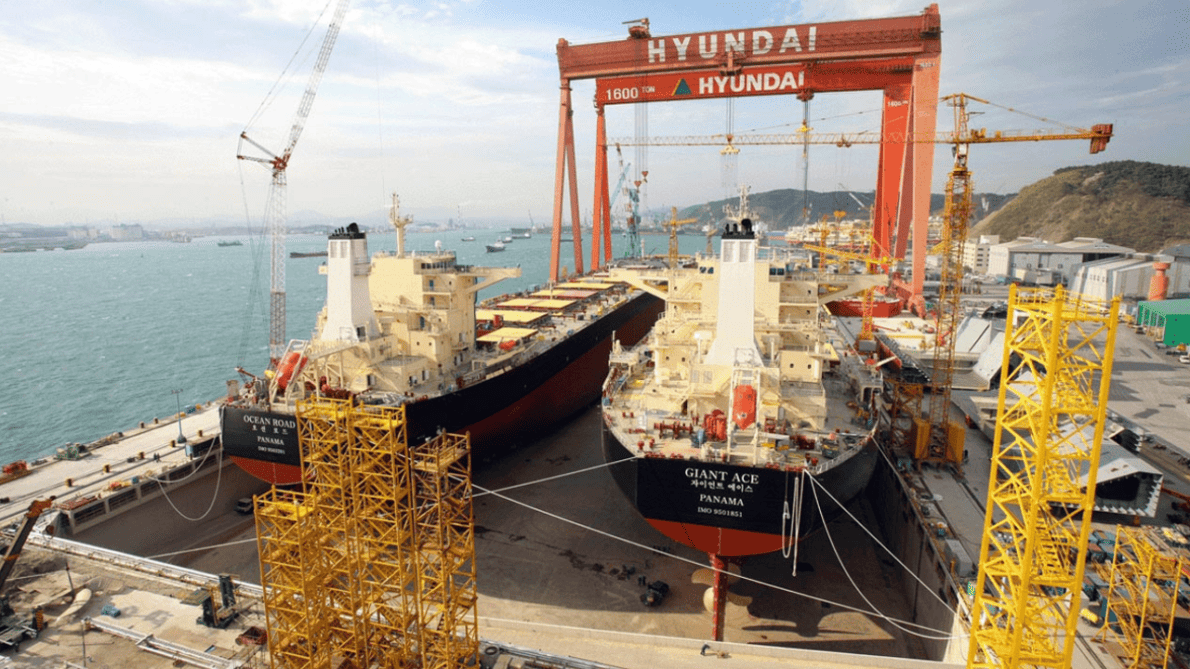
How South Korea Will Help the United States Double Warship Production? Collaboration Between the Countries Could Revolutionize Military Shipbuilding.
At a decisive moment for the global geopolitical landscape, the United States and South Korea have taken a strategic step that could redefine the future of military shipbuilding. The collaboration between two of the world’s largest shipyards — the American Huntington Ingalls Industries (HII) and the South Korean Hyundai Heavy Industries (HHI) — signals a new era of industrial cooperation and international defense.
The alliance, announced at a major defense event in Maryland, emerges as a response to the accelerated advancement of the Chinese Navy and the internal challenges facing the U.S. shipbuilding industry.
Accelerating U.S. Naval Construction
The United States is currently facing a production bottleneck in its shipyards.
-
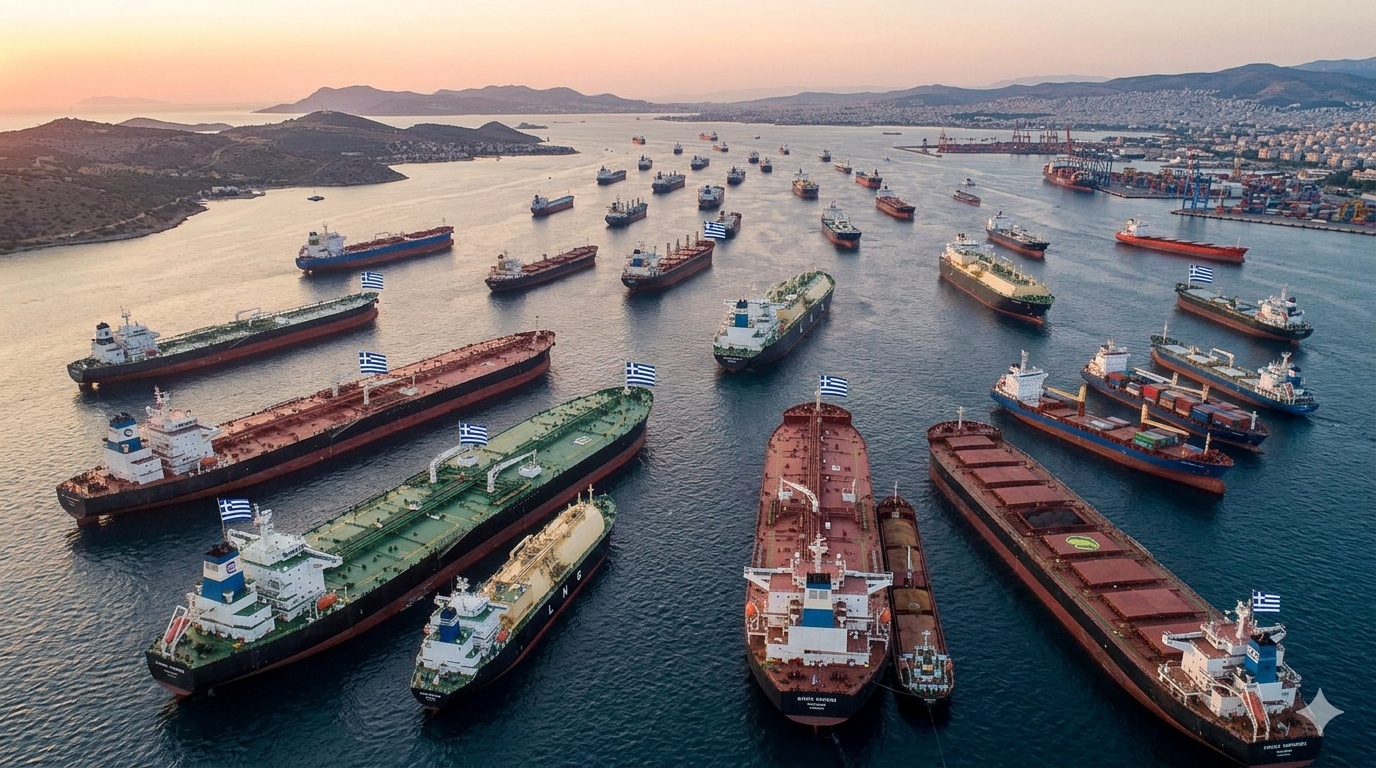
Neither the USA nor China: a small European nation has become one of the largest maritime powers on the planet, controlling one of the largest merchant fleets in the world with thousands of ships and dominating the global transportation of oil and strategic cargo.
-
Scotland and the United Kingdom have created a new anchoring system that floats in the water without touching the seabed, after discovering that the current from a conventional anchor destroys up to 50 m² of seagrass meadow per event and that ship-damaged reefs showed no signs of recovery even ten years later.

-
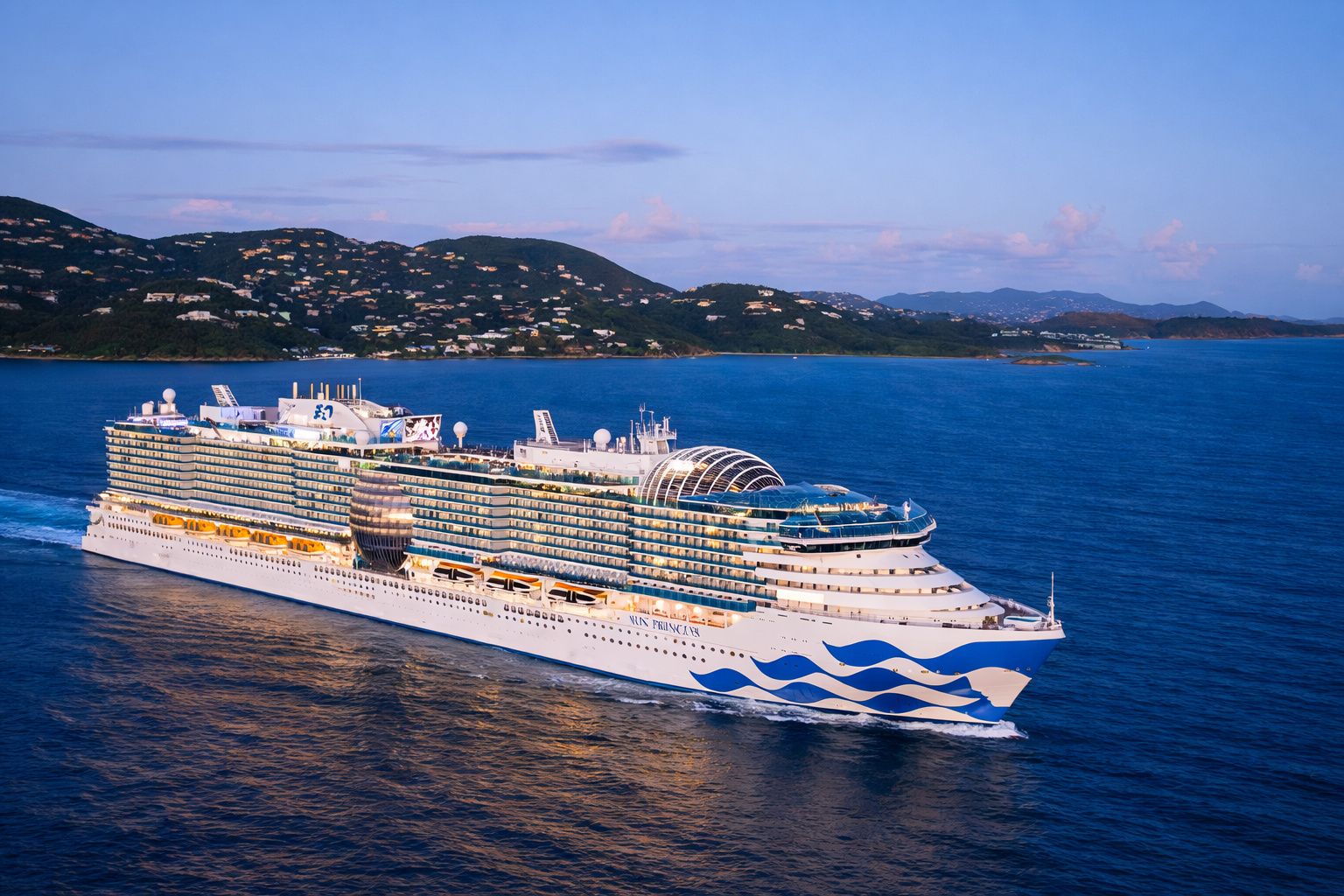
Weighing 175,500 Tons, Measuring 345 Meters Long, and With Capacity for Over 4,300 Passengers, the Sun Princess Becomes the Largest Ship Ever Built by Princess Cruises and Attracts Global Attention for Its Huge Glass Dome Inspired by Santorini’s Architecture Installed on Top of the Vessel
-
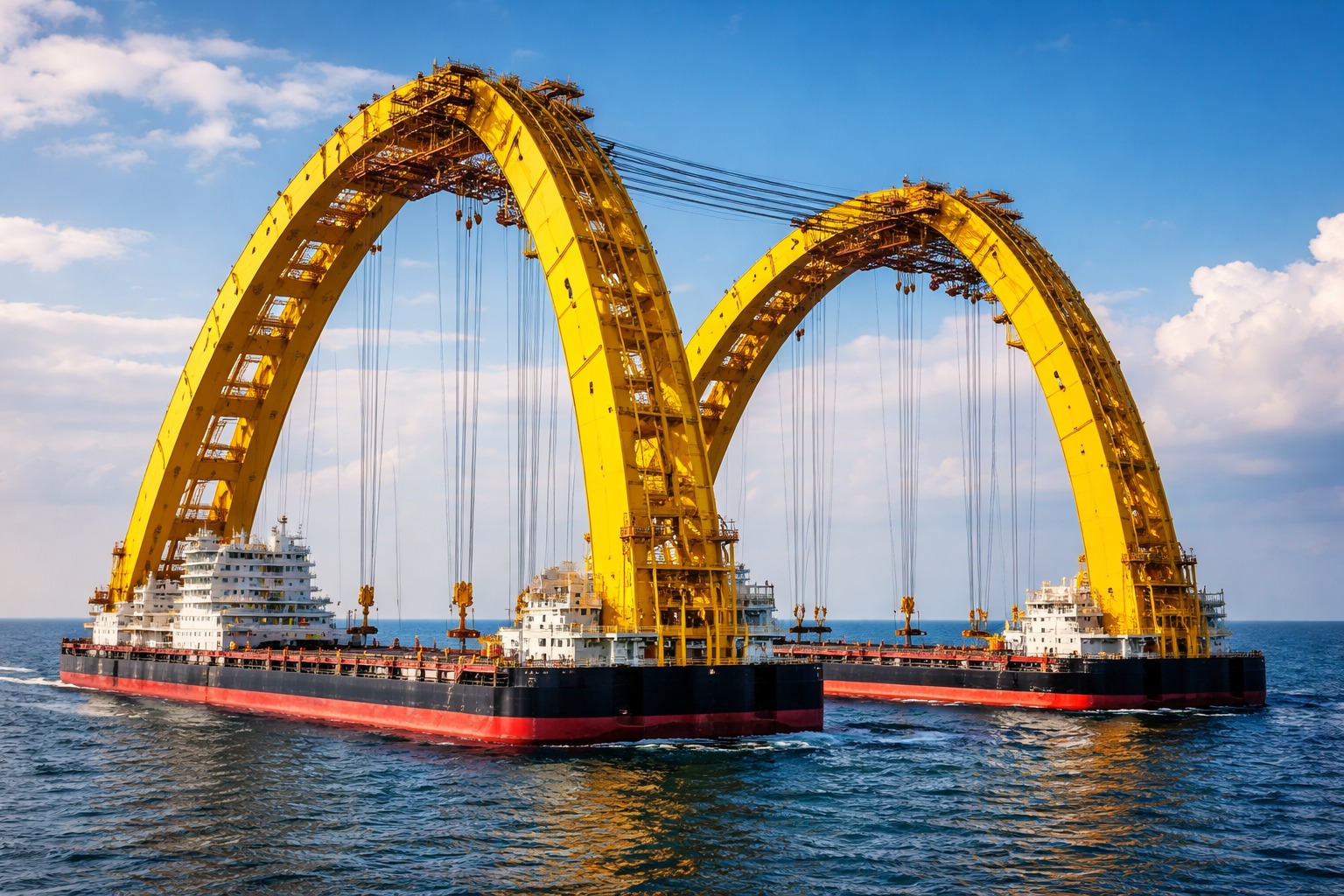
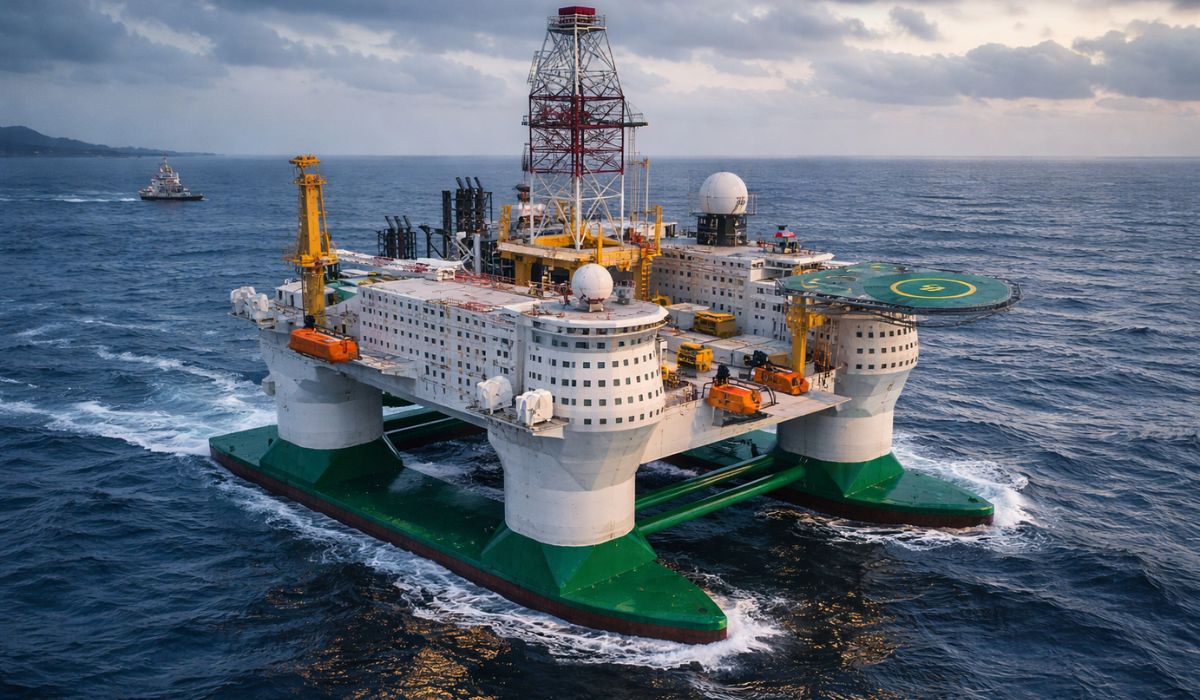
TX-10, The Colossus of The Sea: Largest Lifter Ship in The U.S., With Two Giant Barges, 73-Meter Tall Structure, and Strength to Raise 7,500 Tons of Sunken Oil Rigs

The shortage of skilled labor and infrastructure limitations have delayed schedules and affected the delivery capacity of the U.S. Navy.
The entry of Hyundai Heavy Industries, considered a global leader in shipbuilding, could be the necessary boost to change this scenario.
The company, based in Ulsan, South Korea, has a proven track record in building next-generation warships, including advanced Aegis destroyers.
Technical Knowledge and South Korean Production Scale
With highly modern infrastructure, Hyundai is capable of producing vessels at a rapid pace, something that the U.S. currently cannot match.
While American shipyards deliver an average of two destroyers per year, Hyundai claims to have the capacity to build five or more.
This difference in scale represents a strategic advantage in times of growing tension in the Indo-Pacific region, where the number of ships can be decisive in maintaining military balance.
South Korea and the United States: Cooperation Beyond Ships
The agreement between HII and HHI goes beyond construction itself. One of the central points of the partnership is the transfer of technical knowledge and workforce training in the United States.
This means that engineers and workers in the U.S. can be trained based on the methods applied in South Korea, which could result in a significant productivity leap in American shipyards.
Another important aspect involves logistical support and maintenance of vessels already in operation — areas that frequently create bottlenecks in the U.S. Navy. With the reinforcement of South Korean expertise, this scenario could change rapidly.
Enhanced Regional Security
The alliance between the United States and South Korea also has a strong strategic component. With the Chinese Navy growing at an accelerated pace, experts view the collaboration as a way to deter aggressive moves in Asia.
Furthermore, the presence of a robust American Navy in the Pacific is considered vital to ensure the security of the Korean Peninsula and to manage the constant threats from North Korea.
Bilateral Political and Economic Impact
From a political standpoint, the agreement further strengthens the ties between Washington and Seoul, historical partners in the field of security.
In the economic sphere, it creates new opportunities for both sides, promoting innovation, job creation, and investments in strategic sectors.
Moreover, the initiative also opens up space for future collaborations with other allied countries, such as Japan, expanding the axis of international cooperation in naval defense.
The Future of Shipbuilding Starts Now!
The union between two giants of the shipbuilding industry, with complementary cultures and technologies, can represent a turning point for the U.S. in its quest for greater naval capacity.
If successful, this partnership could not only increase the number of ships produced but also raise the quality standard and reduce delivery times.
This alliance between the United States and South Korea shows that, in the battle for influence and maritime presence, efficient and collaborative shipbuilding can be one of the most powerful weapons.







-

Uma pessoa reagiu a isso.