





 Portuguese
  English
  Spanish
  2 min of reading
  0 comments


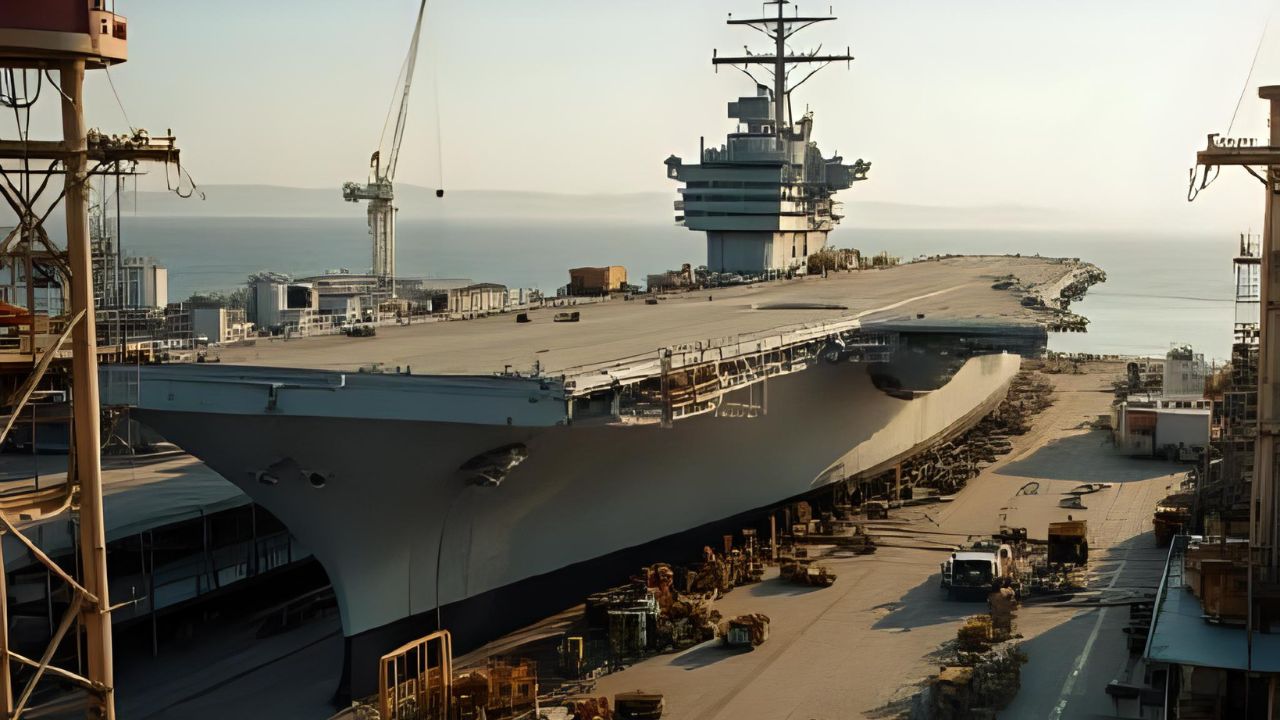
Delays In US Naval Construction Threaten Schedules And Compromise Delivery Of Aircraft Carriers And Essential Ships For American National Security.
The United States Navy is facing significant delays in delivering vessels essential to national security. According to budget documents and industry analyses, the aircraft carrier USS John F. Kennedy (CVN-79), previously scheduled for July 2025, has had its fleet debut postponed to March 2027. The reason? Technical issues with the Advanced Arresting Gear (AAG) system and the Advanced Weapons Elevators (AWE), which have already impacted the previous ship of the same class, the USS Gerald R. Ford.
US Naval Construction Faces Personnel And Production Bottlenecks
In addition to the aircraft carrier, the amphibious assault ships USS Bougainville and USS Fallujah are also experiencing delays of up to a year.
These ships, of the America Flight I class, are being constructed at the Huntington Ingalls shipyard in Mississippi, where a shortage of skilled labor and production line issues have compromised the schedule.
-
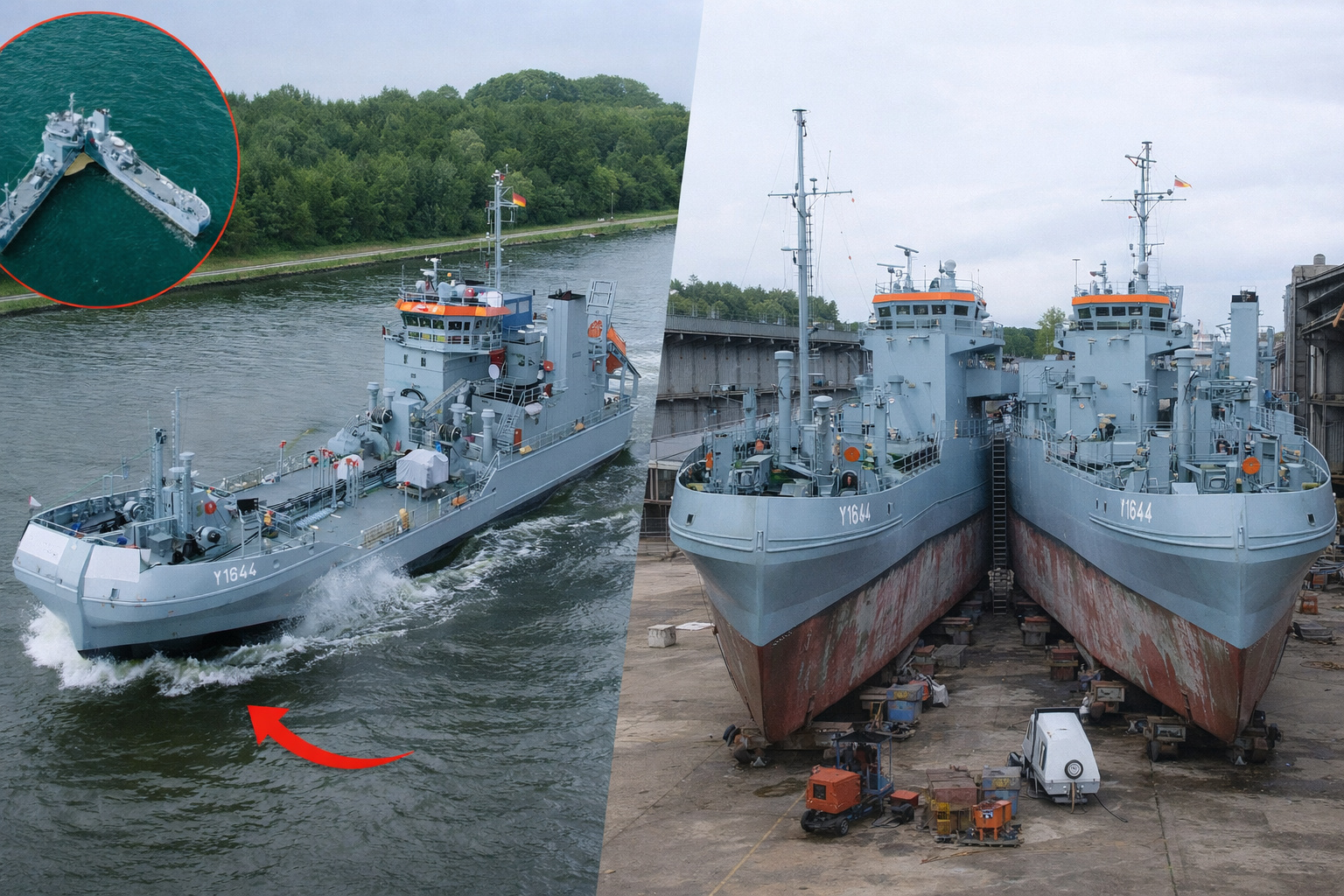
The German ship Bottsand splits its hull in two halves in the middle of the ocean to swallow spilled oil on the surface, separating the oil from the water inside a 790 cubic meter tank and then closing again. It is the only ship in the world factory-designed to split in half as part of normal operations, and the crew of six people who operate everything is civilian.
-
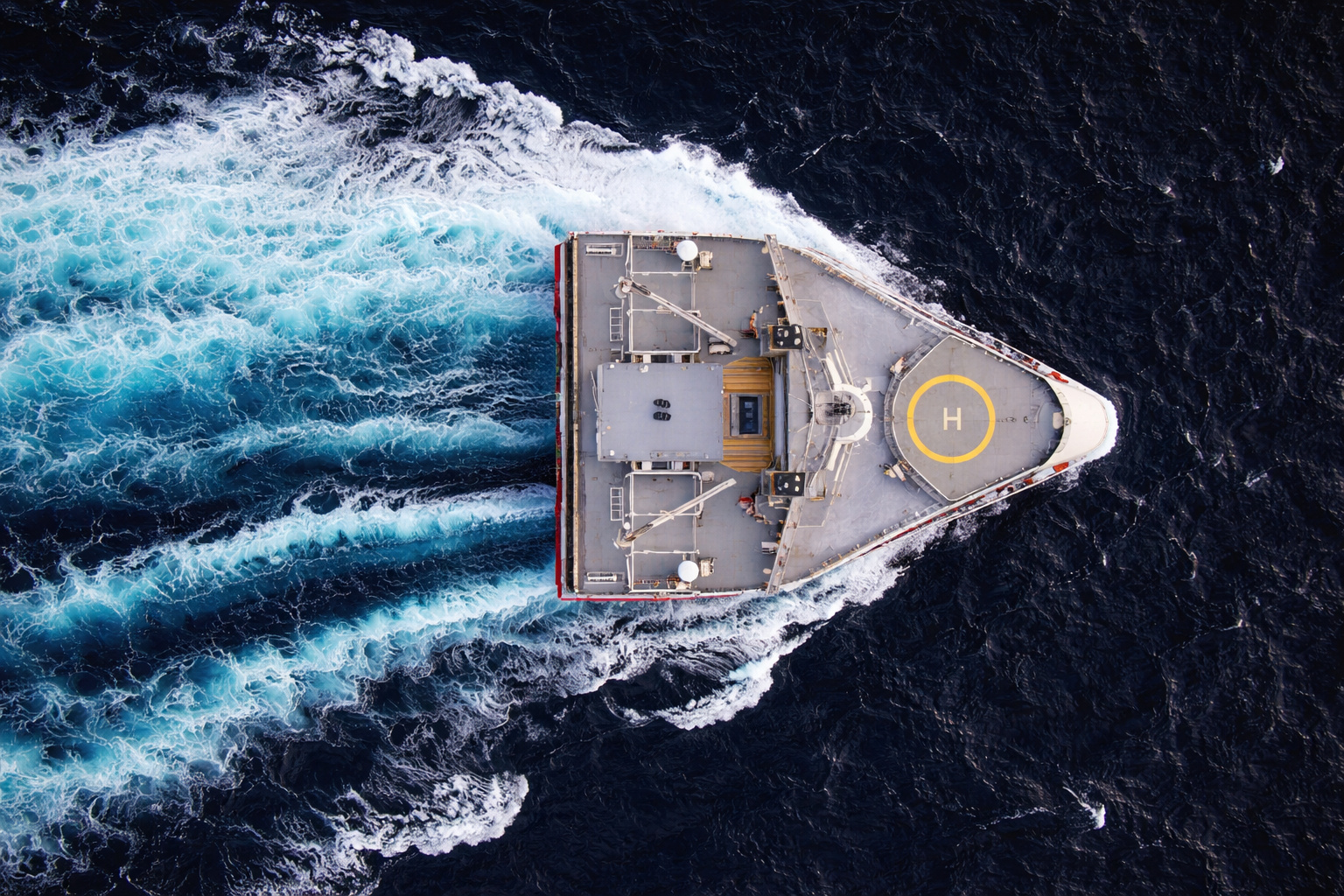
With almost 70 meters in width at the stern and a shape resembling a “giant slice of cheese,” the Ramform Titan tows up to 24 seismic cables to sweep the ocean floor in 3D and reveal oil reserves hidden beneath kilometers of sediment.
-
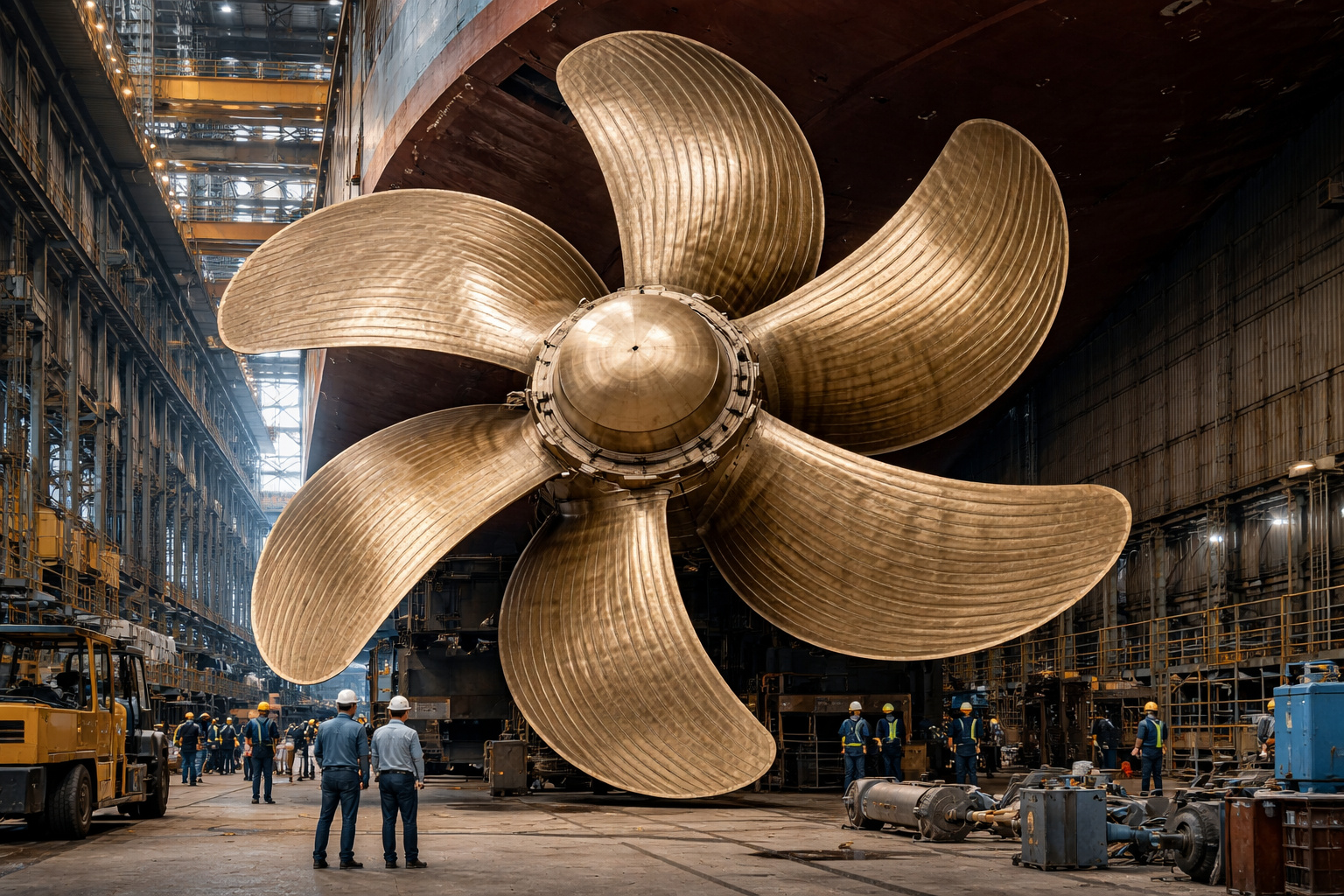
How a 131-ton, 11-meter propeller supports 90% of global trade and transforms the largest container ships on the planet.
-
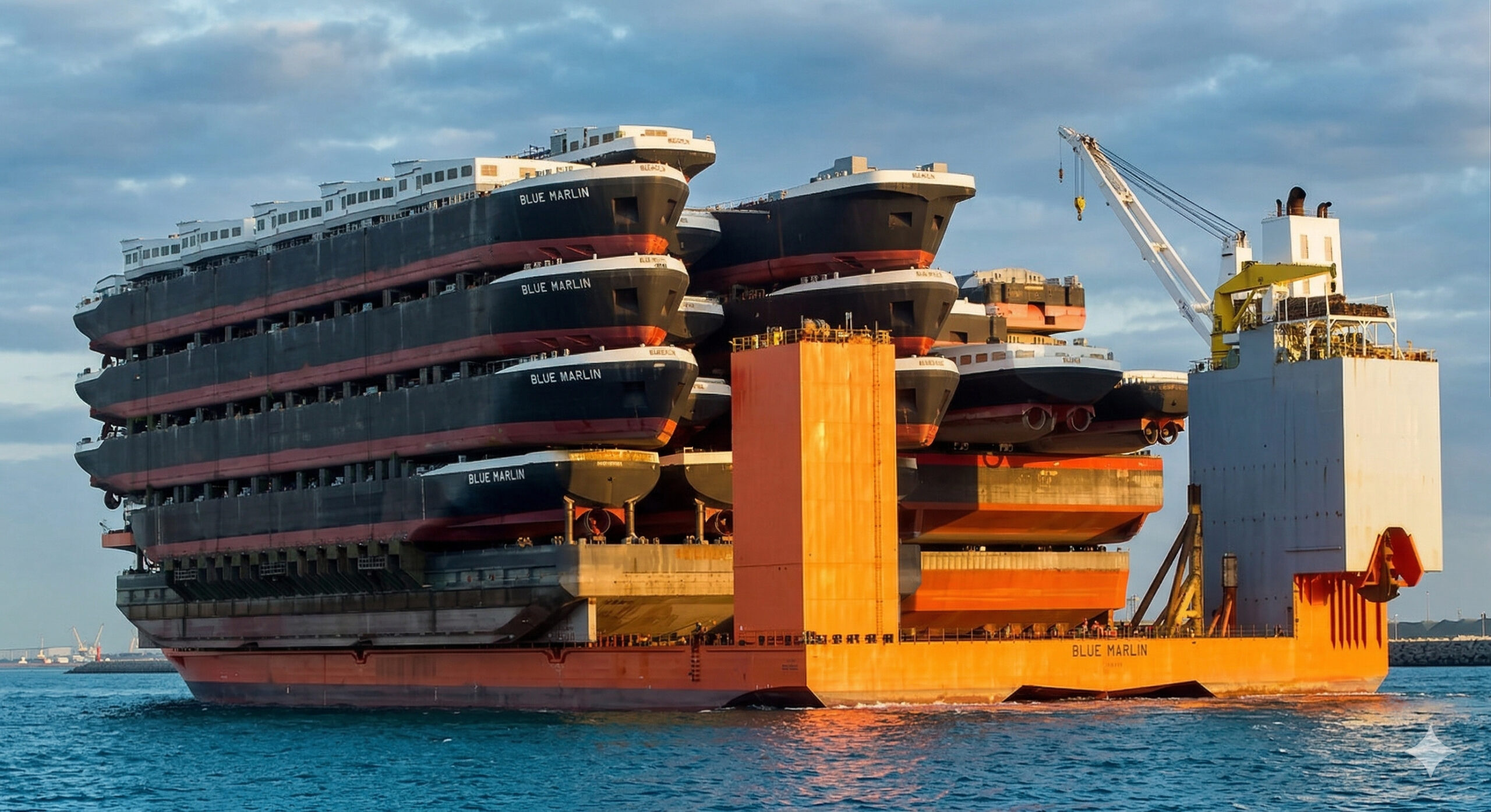
With a length of 225 meters and a capacity of 76 thousand tons, this ship “sinks” its own deck down to 28 meters deep to accommodate war destroyers, oil platforms, and giant radars floating above, and then emerges with everything intact on top like a colossal tray crossing oceans.

Frigates, submarines, and aircraft carriers jeopardized by structural delays
The delays in US naval construction are not limited to these projects. Other strategic vessels, such as the frigates of the Constellation class, the Virginia class submarines, and the future SSBNs Columbia, are also suffering from extended timelines due to the fragility of the industrial base.
Risk of Fleet Reduction Below Legal Minimum in 2026
With the deactivation of the USS Nimitz scheduled for May 2026, the United States may operate with only 10 aircraft carriers, below the legally required minimum.
This undermines response capability in key regions such as the Indo-Pacific and the Mediterranean, compromising global power projection.
Government Seeks To Reverse Scenario With Investments And Restructuring
To curb the delays in naval construction, the Department of Defense and Congress are considering measures such as modernizing shipyards, promoting vocational training, and expanding contracts.
However, experts warn that deep structural changes and robust resources are essential to regain momentum and restore the naval response capacity of the United States.





Seja o primeiro a reagir!