





 Portuguese
  English
  Spanish
  5 min of reading
  9 comments


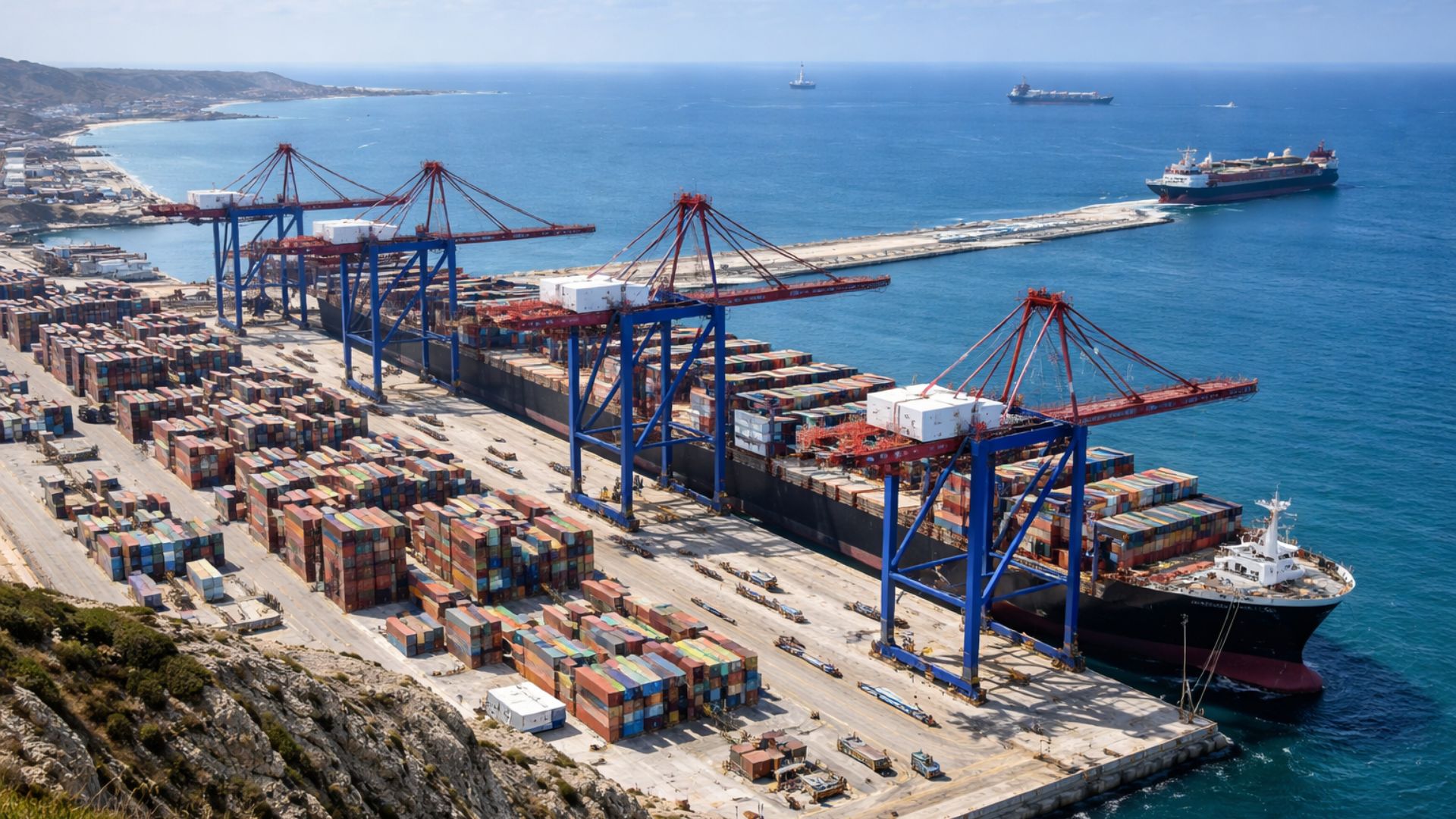


Dispute Over Ports, Trade Routes, and Military Influence Repositions Peru at the Center of Growing Competition Between the United States and China, on a Board That Blends Security, Infrastructure, and Foreign Trade in the South Pacific, With Direct Effects on Regional Logistics and Bargaining Power.
The United States has approved a possible foreign military sale of US$ 1.5 billion to Peru for works and services at the Callao naval base.
Meanwhile, China has already put the Chancay port into operation, a project that is part of a broader plan estimated at US$ 3.5 billion along the Peruvian coast.
This move reinforces the competition for logistical, commercial, and strategic influence in the South Pacific, with Peru at the center of this reconfiguration.
-
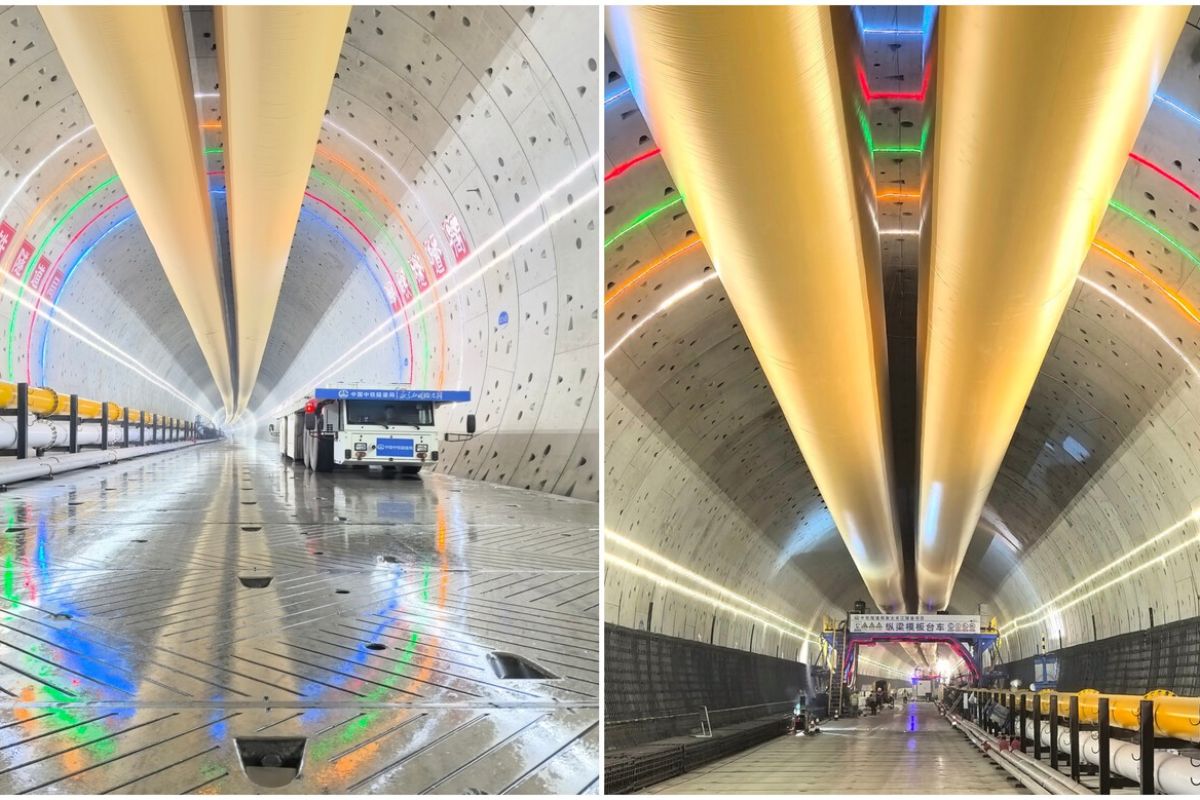
China completes the most critical section under the Yangtze River with the intelligent tunneling machine Linghang, excavating 11.32 continuous kilometers at depths of up to 89 meters and transforming the Chongming-Taicang tunnel into a landmark that redefines the scale of high-speed rail engineering in the 21st century.
-
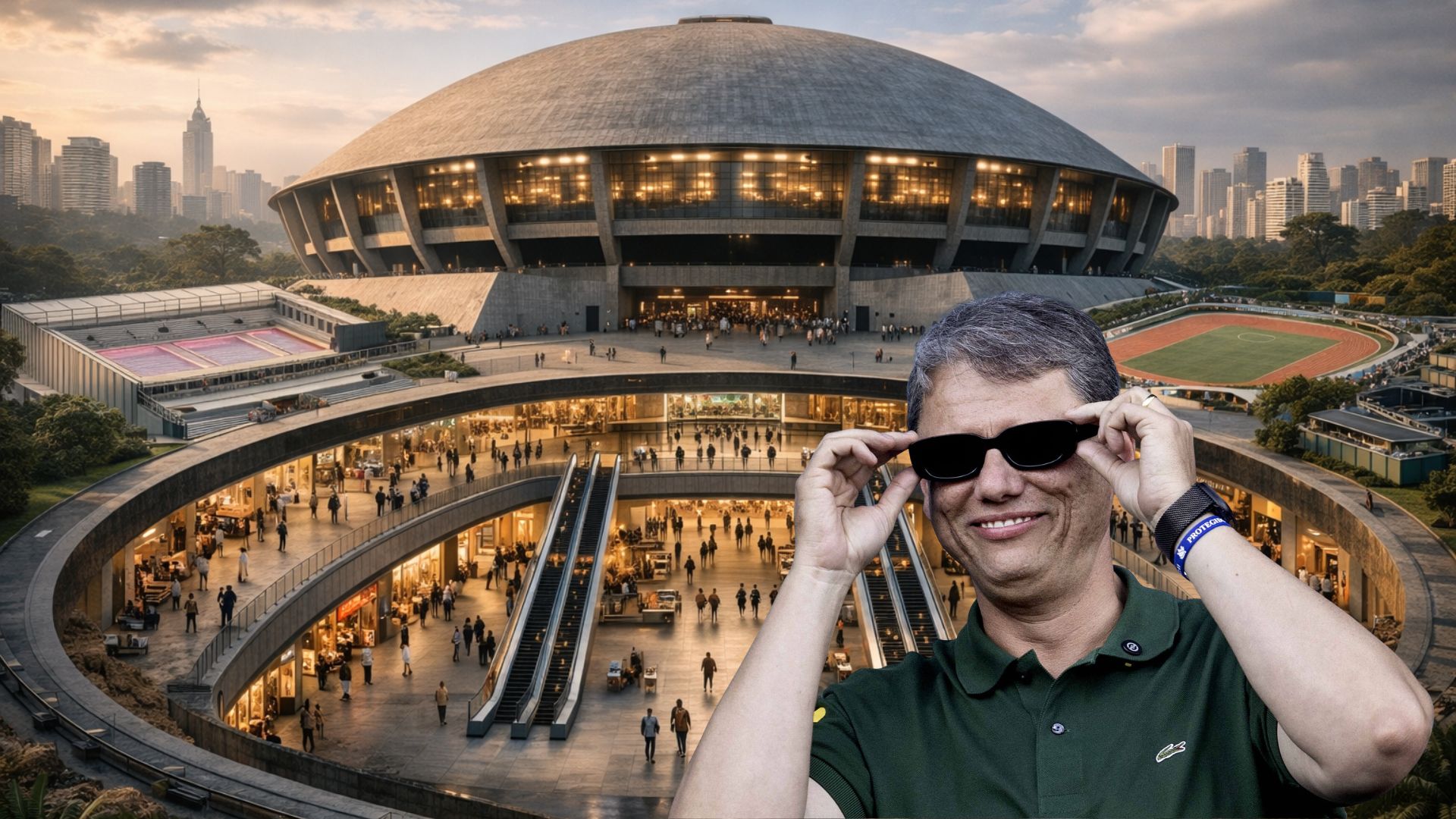
The government of São Paulo surprises South America with a plan to transform the famous Ibirapuera with underground shops, air conditioning, and a 25-year concession in a billion-dollar project that expands the audience, alters a protected area, and provokes an immediate reaction.
-
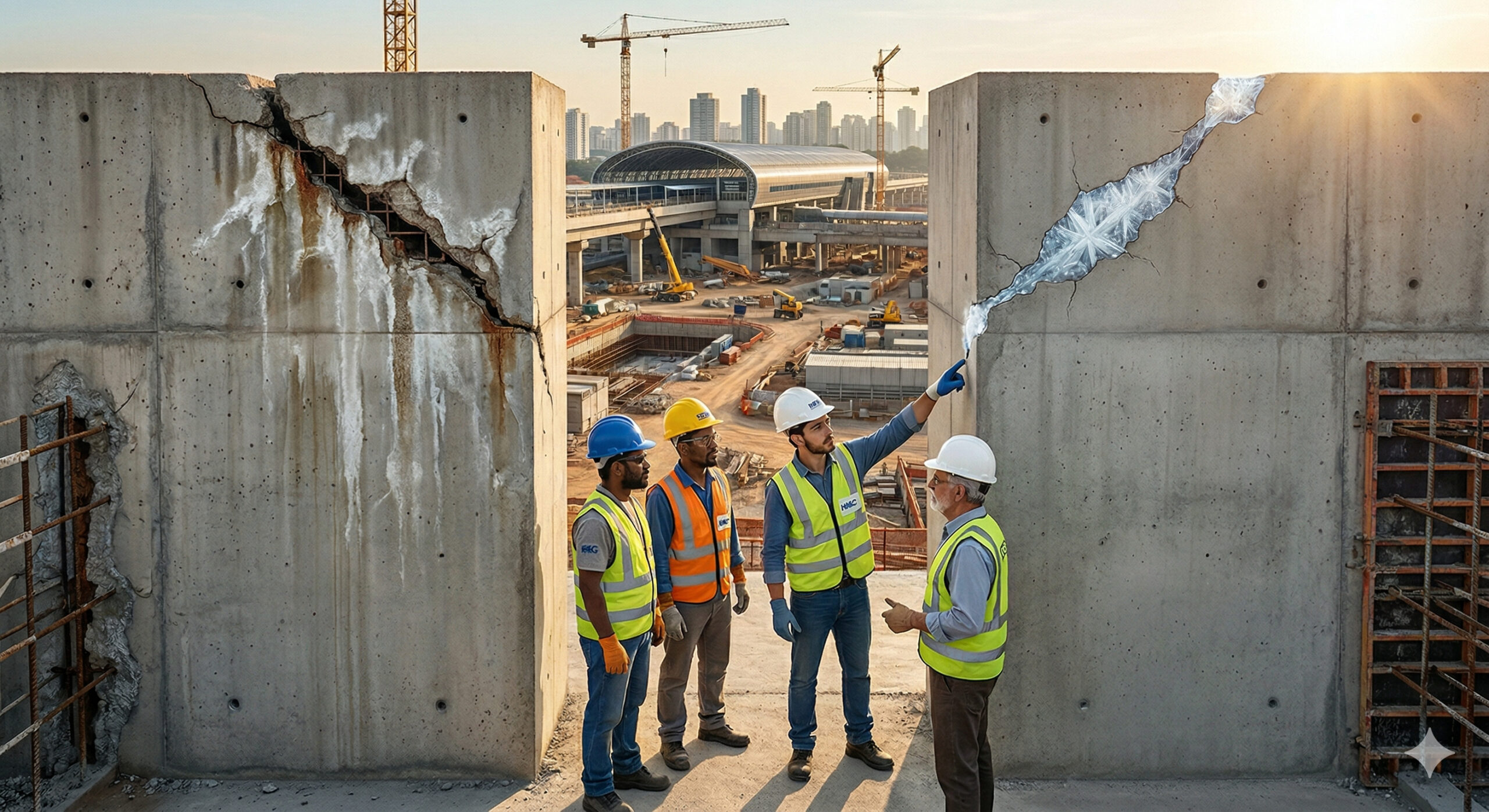
With a lifespan of up to 60 years and a cost up to 30% higher than conventional concrete, self-healing concrete is already being used in Brazil to eliminate leaks, reduce maintenance, and is changing the real cost of construction projects.
-
Engineered wood CLT challenges steel and concrete and promises construction that is up to 2x faster with a lower environmental impact in modern civil engineering.
The American authorization was announced by the Defense Security Cooperation Agency on January 15, 2026.
According to the agency, the proposal covers design, construction, project management, engineering studies, infrastructure assessments, and technical support to adapt the Callao base to the current and future needs of the Peruvian Navy.
The notification sent to the U.S. Congress treats the operation as a possible sale, not as a completed transfer.
According to the design presented by Washington, execution may require the presence of up to 20 representatives from the American government or contracted companies in Peru for a period of up to ten years, focusing on management and oversight of the works.
The agency itself claims that the measure would serve to enhance the security of a partner considered relevant for political stability and economic progress in South America.
Callao Naval Base Gains Importance in U.S. Strategy
The most sensitive point of this initiative is in Callao, the main port complex of Peru and the country’s maritime gateway.
For the United States, modernization of the naval area could reduce the overlap between civilian and military operations and create a more efficient logistical support platform.
The official American justification emphasizes operational gains and does not mention altering the regional military balance.
At the same time, Callao has already been undergoing expansion on the commercial side.
In June 2024, DP World completed an investment of US$ 400 million in the southern terminal of the port, increasing container handling capacity by 80%.
The expansion strengthened the role of the terminal as a hub for Peruvian trade on the South American west coast and helps explain why the reorganization of the naval base has gained importance on the bilateral agenda between Lima and Washington.
Furthermore, in November 2025, APM Terminals announced a new investment of US$ 550 million to expand another area of Callao.
The project was announced at a time when the port began operating direct routes with China and South Korea, reducing transit time to about 23 days on certain trade links.
This data shows that the clash is not limited to the military field: it also involves logistical speed, port capacity, and control over goods flows.
Chancay Port Expands Chinese Presence in Peru
In the case of China, the most visible asset is the Chancay port, inaugurated on November 14, 2024 during the APEC summit in Lima, at a ceremony attended by Xi Jinping and Peruvian President Dina Boluarte.
The facility is located north of the Peruvian capital, with the distance described by different sources as around 60 to 80 kilometers, depending on the reference point adopted.
Although the project is frequently cited as a mega port worth US$ 3.5 billion, this value refers to the total development plan.
The first phase was put into operation with an investment ranging from US$ 1.3 billion to US$ 1.4 billion, according to reports from Reuters, AP, and information released throughout the implementation.
The distinction is important because it avoids treating an amount that, in practice, corresponds to the planned expansion for future stages as an executed expense.
The importance of Chancay lies in its long-term design.
The terminal was conceived to become a direct corridor between South America and Asia, with the capacity to accommodate large vessels and integrate export chains for minerals, food, and industrial cargo.
For Beijing, this is an asset that enhances commercial presence, shortens routes, and strengthens its engagement in critical infrastructure outside of Asia.
In April 2025, for instance, Guangzhou launched a direct route to Chancay, a movement described by Reuters as part of China’s strategy to deepen trade ties with Latin America.
The report pointed to expectations of reduced logistical costs and highlighted the Peruvian port as a relevant piece of the Chinese maritime expansion in the region.
Peru Becomes a Central Piece in Geopolitical Dispute
The succession of investments shows that Peru has begun to operate less as a peripheral point and more as a territory of contention among major external actors.
On one side, the United States associates Callao with security and strategic coordination with a regional ally.
On the other side, China bets on trade infrastructure to consolidate long-term economic presence and redesign the trans-Pacific flow.
This repositioning occurs in a country that remains among the largest South American economies but does not hold the fifth position in the most recent nominal rankings by the IMF.
In the 2025 estimates compiled from the Fund’s database, Peru appears behind Brazil, Argentina, Colombia, and Chile, placing it out of the nominal top 5 in the region.
Still, the country retains sufficient regional weight to attract capital in ports, mining, energy, and logistics.
Besides the dispute between Washington and Beijing, the Peruvian case draws attention because it includes investments that do not automatically cancel each other out.
While Chancay grows as a bet for new routes with Asia, Callao seeks to maintain its centrality with civil expansions and reorganization of naval structure.
The coexistence between the two poles may generate complementarity in some flows but also increases competition for cargo, services, and influence over regional integration.
In the end, the most concrete fact is that Peru has stopped being merely a backdrop and has become an active piece in a broader dispute for maritime corridors in the Pacific.
Chancay already operates as a showcase for Chinese presence in infrastructure.
Callao, on the other hand, concentrates on commercial expansion and now a naval project supported by the United States, repositioning the country on an agenda that blends defense, foreign trade, and geopolitics.






Podem vir. Basta acabar com Foro de São Paulo e o narcotráfico.
EUA, como sempre atrasados em relação à China
Ótima informação difícil de encontrar em jornais populares.