





 Portuguese
  English
  Spanish
  2 min of reading
  0 comments


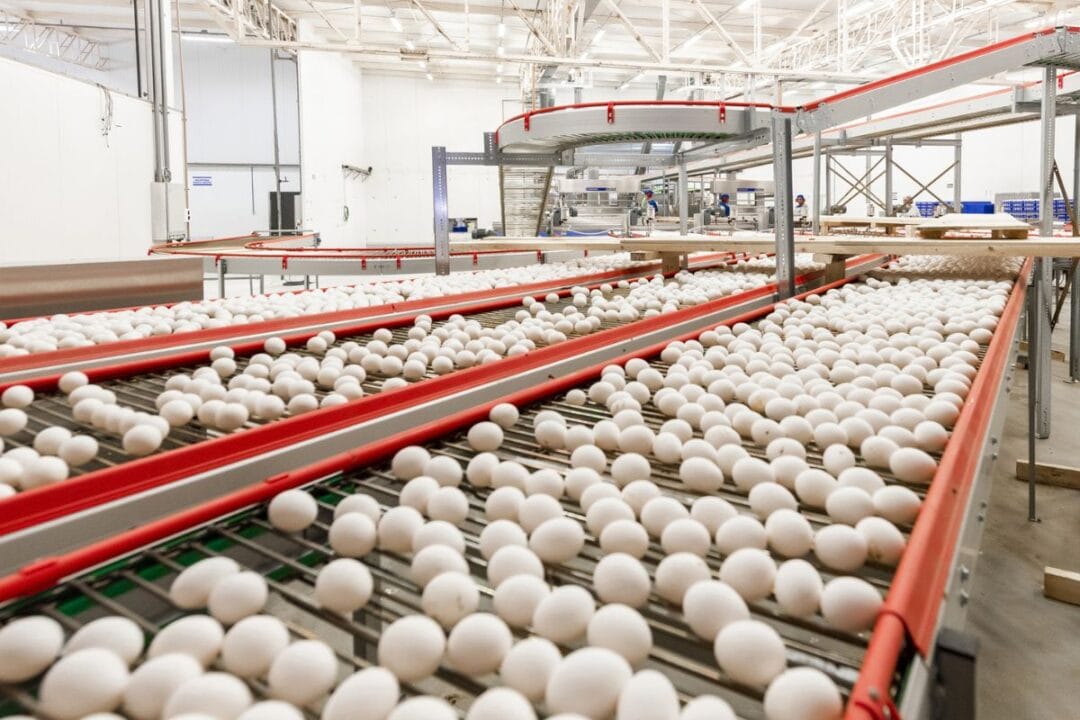
High Demand, Health Crisis, and Surge in Internal Prices Explain How the US Became the Largest Importer of Eggs from Brazil in 2024
The Brazilian egg market has gained a new international protagonist. For the first time, the United States has taken the position of largest importer of eggs from Brazil, far surpassing countries like the UAE, Japan, and Chile. This information was released by the Brazilian Animal Protein Association (ABPA) this week.
Imports Surge Over 340%
According to the organization, between January and March of this year, Americans purchased 2,705 tons of Brazilian eggs — an impressive growth of 346.4% compared to the same period in 2023.
-
Russia cut fertilizers, China cut fertilizers, and oil prices soared with the war in the Middle East: sugarcane producers in the interior of São Paulo are seeing costs explode from all sides and warn that the effects will take months to be absorbed.

-
It does not come from flowers, is produced only every two years, and more than 90% goes straight to Europe: meet the bracatinga honeydew honey from Santa Catarina, considered one of the rarest in the world and overlooked by Brazil itself.

-
They said no to 26 million dollars and would do it all over again: mother and daughter from Kentucky reject a million-dollar offer from a mysterious company that wants to build the largest data center in the state on more than 2,000 acres of rural land.

-
While corn requires rain and is expensive, sorghum produces almost the same volume per hectare at a cost up to 80% lower and uses less water, and it is revolutionizing dairy farming in the Triângulo Mineiro, where producers save hundreds of reais per hectare.

The second place in the ranking, the UAE, imported 1,422 tons, showing a decline of 9%. Following are Chile (1,182 tons), Japan (846 tons), and the newly added Mexico (576 tons).
Avian Flu Outbreak in the US Boosts Purchases

The reason behind this change is clear: the US is facing a severe avian flu outbreak that has decimated thousands of birds and drastically reduced local production. With supply falling and internal prices hitting record highs, importing became the only option — and Brazil, the ideal supplier.
Ricardo Santin, president of ABPA, believes that the official opening of the American market for Brazilian eggs intended for thermal processing was a crucial step.
“We are seeing concrete results from this opening. And the best part: exports represent only 1% of national production, meaning they do not affect internal supply,” he stated.
Strong Demand Also Pressures the Domestic Market
Despite Brazil being free of avian flu in commercial farms, the domestic market also felt the impact. In March alone, the price of eggs rose 20% compared to February, according to IBGE. The reason? An explosive combination: high demand during Lent, intense heat that reduced the birds’ production, and rising corn prices.
Nevertheless, the country remains a reliable and competitive supplier in the global scenario, which helped the US consolidate as the largest importer of eggs from Brazil.
New Era for Egg Exports?
With the United States leading the purchases, the Brazilian poultry sector enters a new level. The presence of the largest importer of eggs from Brazil at the top of the list shows that there is room for growth — as long as sanitation, quality, and production remain under control.
And in light of an increasingly unpredictable global scenario, it is possible that Brazilian eggs, previously limited to the domestic market, may fly even further.









Seja o primeiro a reagir!