





 English
  Francês
  Alemão
  Italiano
  Japonês
  Norueguês
  Portuguese
  Spanish
  2 min of reading


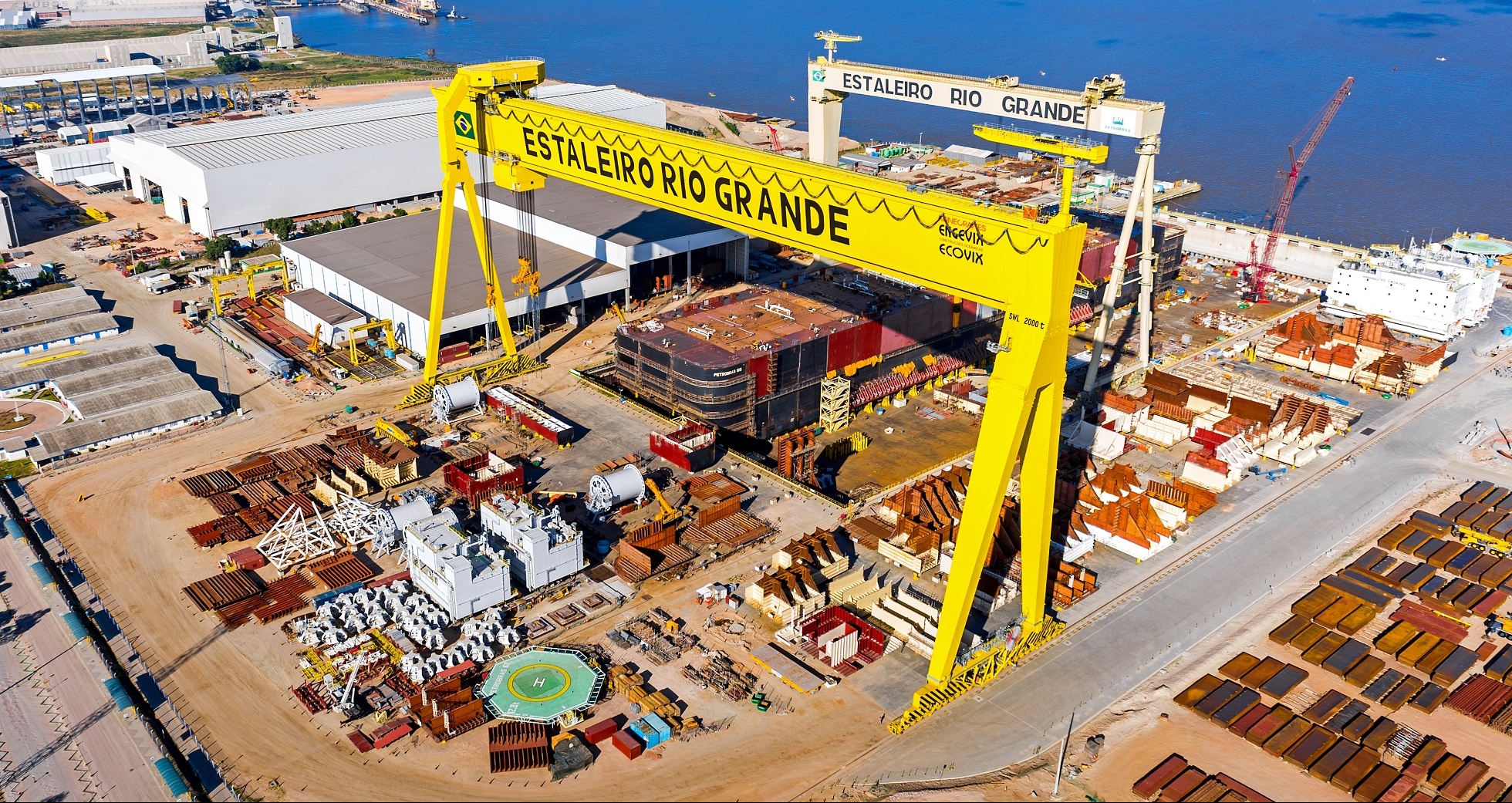
After An Intense Assembly With The Creditors Of Ecovix, Its Shipyard Will Now Be Able To Resume Activities
Great and sensational news for the Estaleiro Rio Grande, which belongs to Ecovix in Brazil. Its creditors showed sensitivity and allowed the plan to recover the company, along with one of its largest naval hubs in Brazil, in Rio Grande Do Sul. The majority voted in favor, with 84 votes for and 11 against the project; this session lasted about 4 hours on June 26. The idea is that this project can serve as a precedent for other idle shipyards across Brazil.
/i.s3.glbimg.com/v1/AUTH_59edd422c0c84a879bd37670ae4f538a/internal_photos/bs/2018/z/i/pJGmwrThKq8CzNQblyFA/ecovix-assembleia-rg-26063.jpg) The total amount of Ecovix’s debts at this time is over 7 billion reais. Until now, the shipyard’s facilities have been abandoned due to a lack of projects and contract projections. With this decision made, the risk of the shipyard’s bankruptcy has diminished, allowing for the acquisition of new contracts for the shipbuilding industry in Rio Grande do Sul. Although confidential, Ecovix has been seeking to resume the following service modalities with other companies:
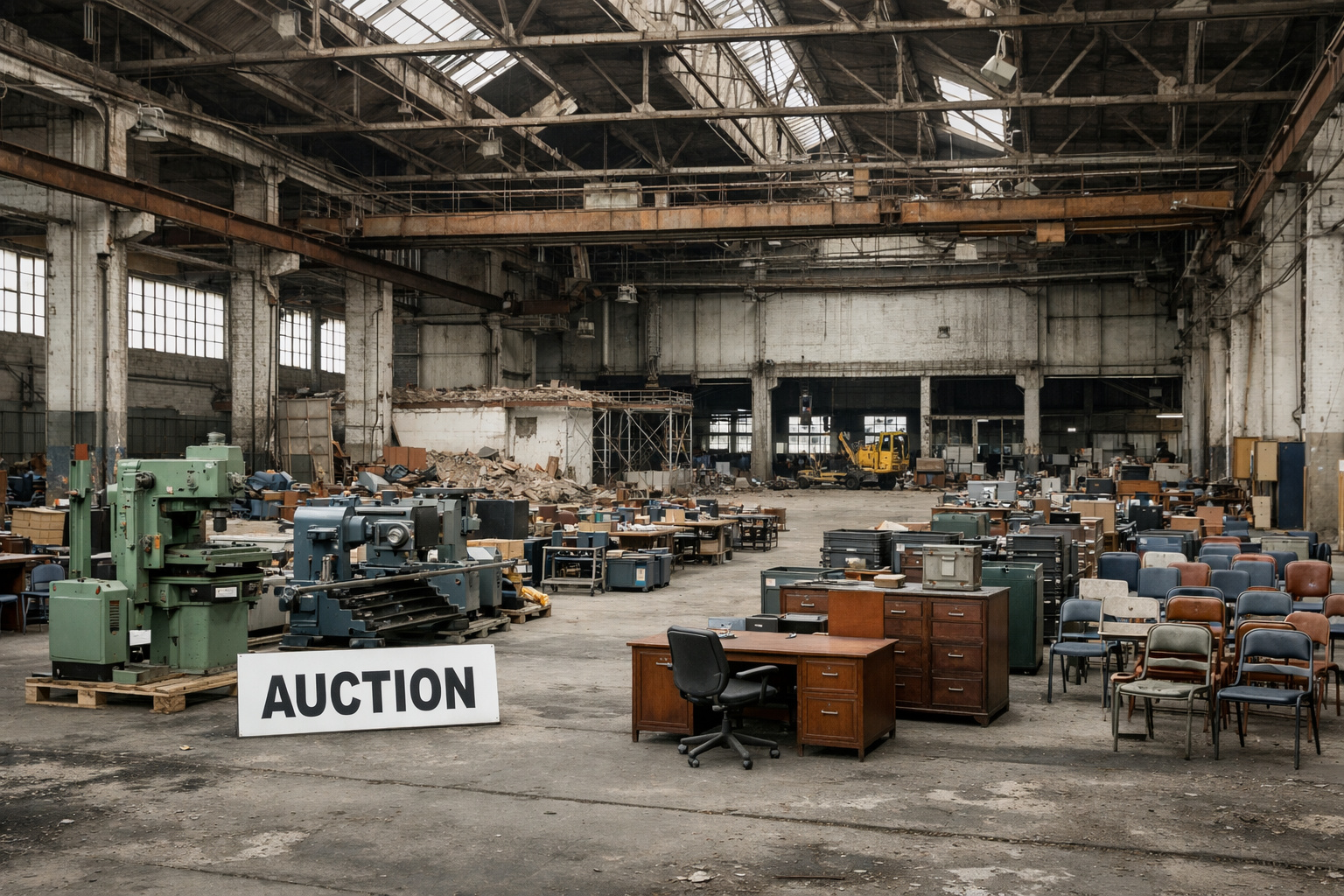
The total amount of Ecovix’s debts at this time is over 7 billion reais. Until now, the shipyard’s facilities have been abandoned due to a lack of projects and contract projections. With this decision made, the risk of the shipyard’s bankruptcy has diminished, allowing for the acquisition of new contracts for the shipbuilding industry in Rio Grande do Sul. Although confidential, Ecovix has been seeking to resume the following service modalities with other companies:
-
Government unlocks R$ 554 million for a highway that has been requested for decades and accelerates the duplication of BR.
-
Without bricks, without cement, and without endless construction: the cardboard house that is assembled in modules and can be moved.

-
Billions of barrels on the equatorial margin could lead Amapá to double its oil production in Brazil — the state aims to enter the route of companies in the Campos Basin, attract investments, and boost jobs and businesses in the oil and gas sector.
-
Without bricks, without cement, and without endless construction: the cardboard house that is assembled in modules and can be moved.

- Port Activities,
- Repairs on Oil Platforms and Vessels,
- Steel Processing for the Metalworking Industry
- Completion of Platform P-71, which was canceled by Petrobras
How The Crisis At Ecovix Started
To recap, Petrobras hired Ecovix in 2010 to build 8 platform hulls, and after 3 years, the activities were interrupted when the Lava Jato operations were initiated, practically halting all of the state-owned company’s activities at that time. By the end of 2016, the project, which cost more than 9 billion reais, was aborted, causing mass layoffs of over 3 thousand workers.






Seja o primeiro a reagir!