





 Portuguese
  English
  Spanish
 3 min of reading
  0 comments


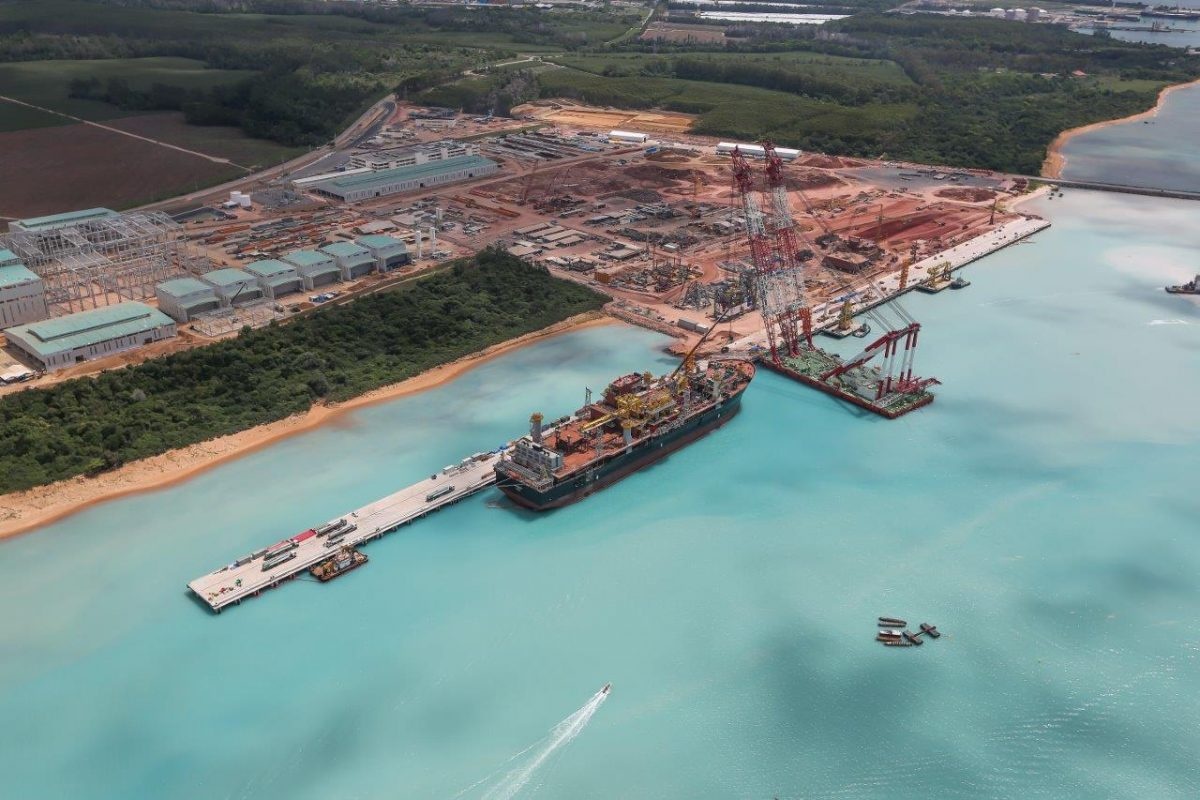
Capixaba Shipyard Enters the Race for 48 Vessels from Petrobras, With Potential to Transform the Regional Economy
The Seatrium Shipyard in Aracruz, formerly known as Jurong, is positioning itself as one of the main candidates for the construction of 48 new vessels announced by Petrobras. This project, set to contract by December 31, 2026, aims to strengthen the Brazilian shipbuilding industry, requiring a minimum local content of 40% in the production of the vessels. Petrobras’s initiative, announced by President Magda Chambriard during the Nova Indústria Brasil Forum in May 2025, foresees investments of R$ 118 billion and the creation of approximately 180,000 jobs.
Seatrium Aracruz Already Participates in Major Petrobras Projects
Currently, the Seatrium Aracruz shipyard is involved in the construction of the modules for platforms P-84 and P-85, which will be installed in the Atapu and Sépia fields, respectively, in the pre-salt of the Santos Basin. The P-84, with a capacity to process 225,000 barrels of oil per day, is expected to start operations in 2029, while the P-85 is scheduled to begin operations in 2030. The construction of these platforms is divided between Brazil, China, and Singapore, with the capixaba shipyard being responsible for three modules of the P-84, representing 20% of the total structure.
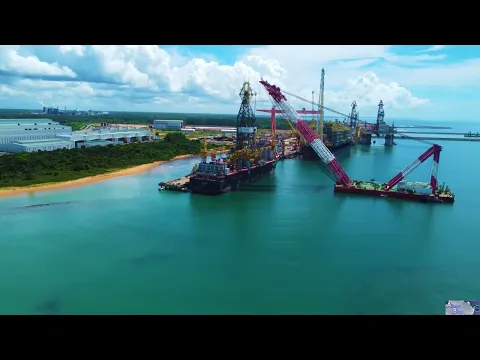

Economic Impact and Job Creation in Espírito Santo
The participation of Seatrium Aracruz in these projects has a significant impact on the local economy. During the peak of construction, it is estimated that around 3,500 direct and indirect jobs will be created. Furthermore, the construction of the platforms boosts various sectors, such as logistics, hospitality, food, and local commerce. The Vice Governor and Secretary of Development of Espírito Santo, Ricardo Ferraço, emphasized that the shipyard’s projects “add significant strength to our economy,” highlighting the importance of Seatrium Aracruz as the largest shipyard in Brazil.
-
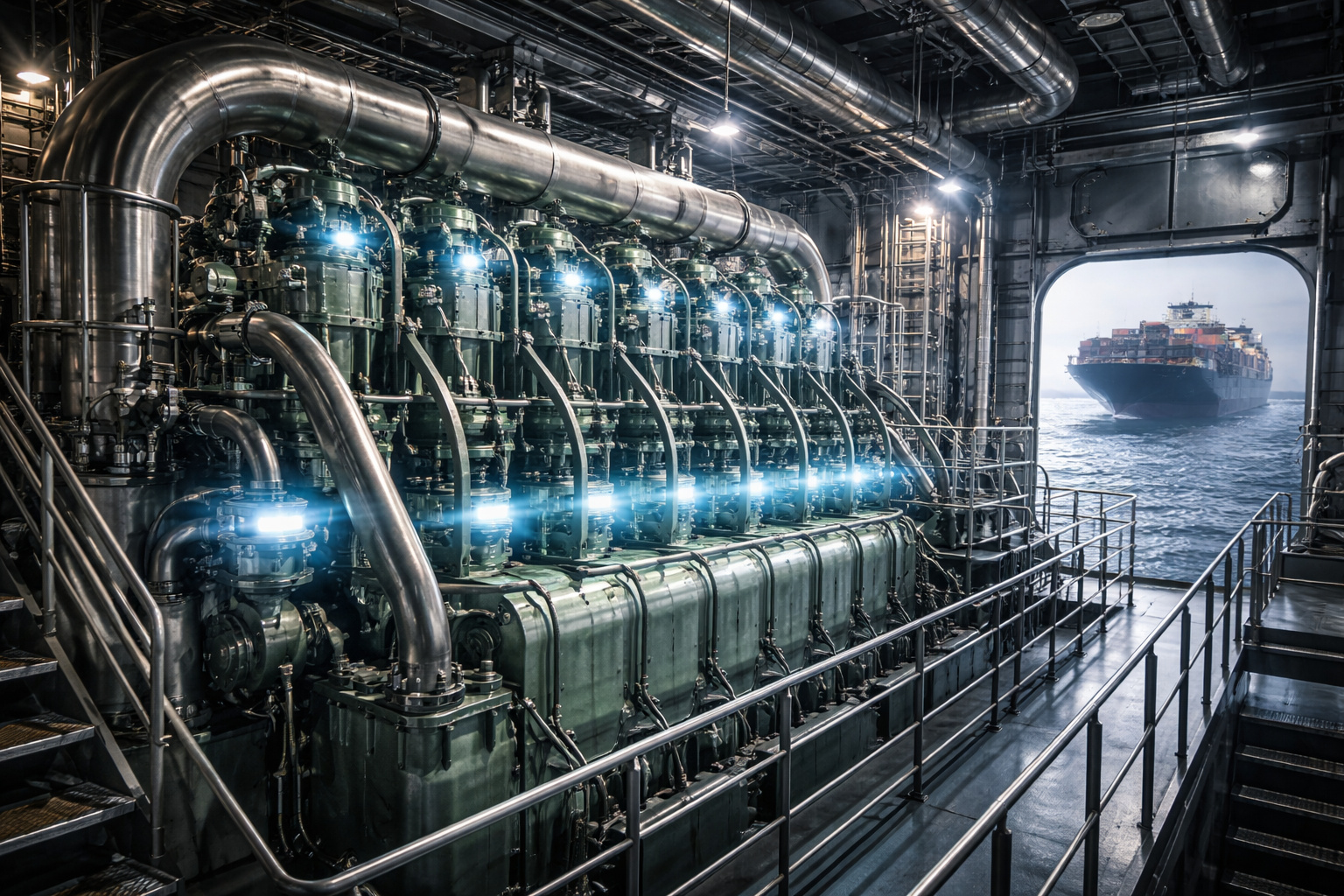
Europe is trying to create an ammonia-powered marine engine without auxiliary fuel, which could unlock the race for giant emission-free ships. The technology aims to eliminate one of the biggest obstacles to clean maritime propulsion.
-
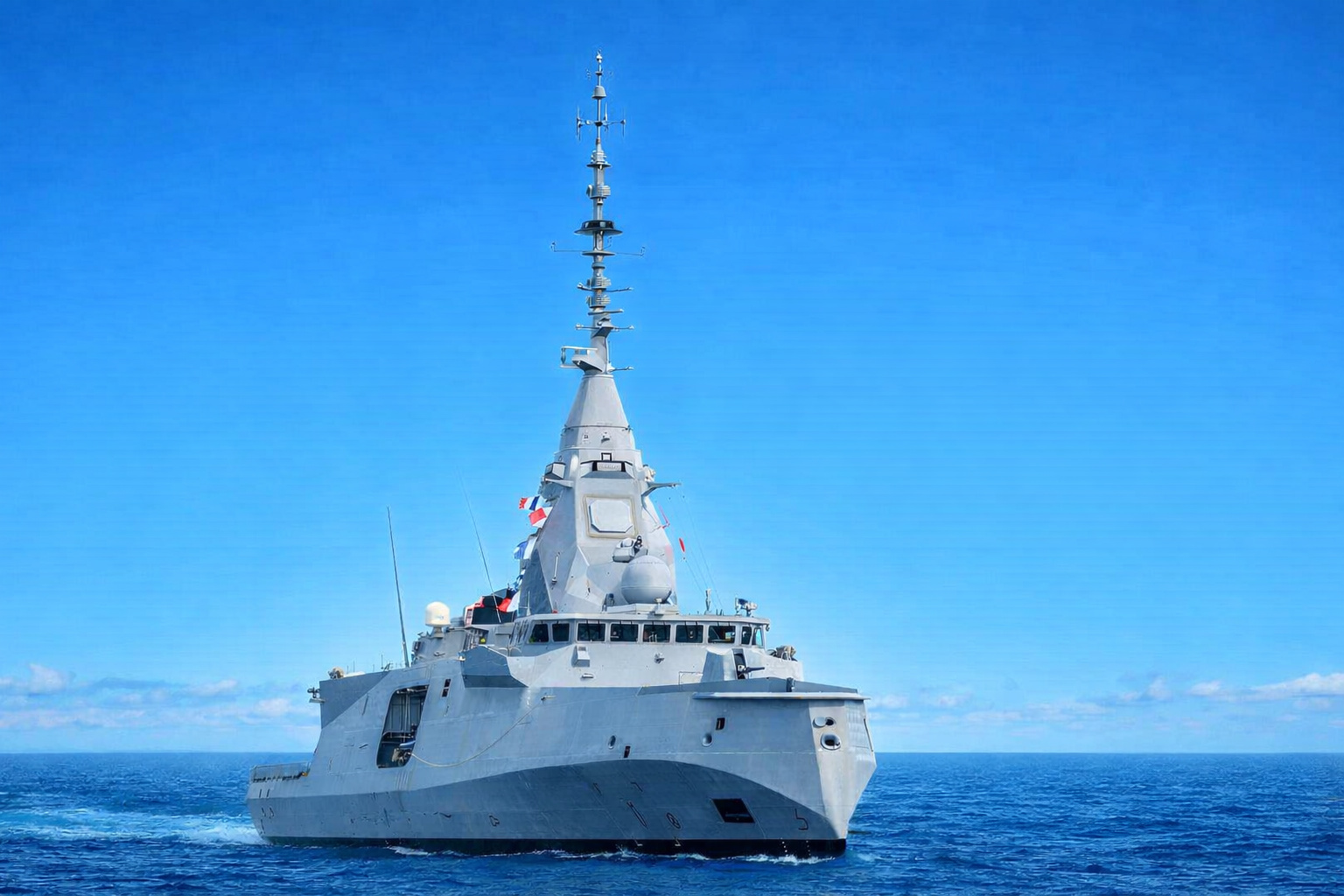
A 4,500-ton frigate with just over 100 crew members, state-of-the-art radar, and cruise missiles is being touted as the new standard of naval warfare in the 21st century.
-
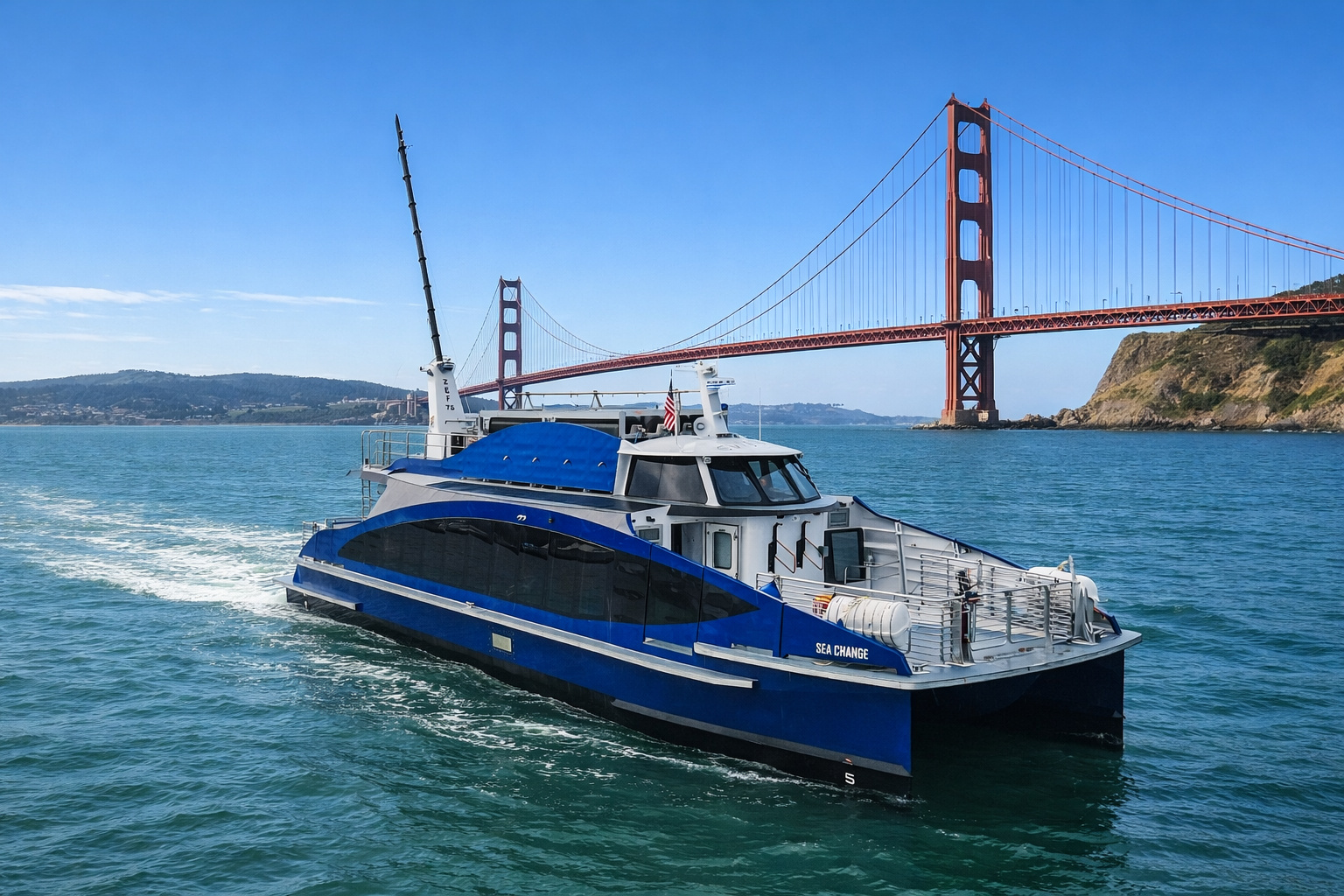
The first commercial hydrogen-powered ferry enters operation in the U.S., eliminates the use of diesel, uses fuel cells to generate clean energy on board, and transforms San Francisco Bay into a landmark of the new era of emission-free navigation.
-
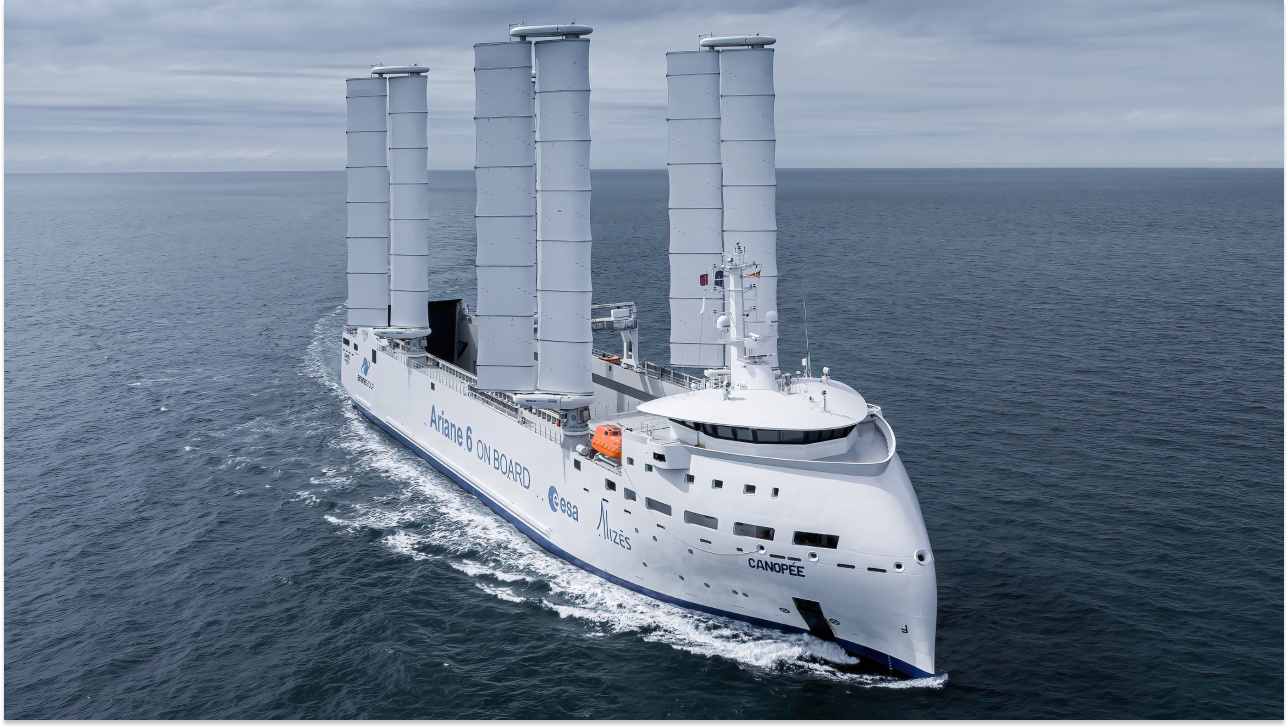
With a length of 121 meters and four rigid sails of 36 meters that automatically rotate to capture the wind, Canopée is the world’s first hybrid industrial cargo ship powered by wind, used to transport rockets and reduce fuel consumption by up to 30% on transoceanic routes.

Competitive Potential of the Capixaba Shipyard
With a modern and highly qualified structure, Seatrium Aracruz stands out as one of the most prepared shipyards in the entire naval sector. Additionally, the company has engineering expertise from Singapore, which further strengthens its technical and international performance. Since the 1980s, it has performed various repair and conversion projects for Petrobras vessels. Therefore, many people widely recognize its accumulated experience. The Secretary of Economic Development of Aracruz, José Eduardo Faria de Azevedo, praised the competitive capability of the local shipyard. According to him, Seatrium Aracruz has a real potential to secure a significant portion of future contracts if it participates in the bidding process.
Expectations for the Future of the Naval Industry in Espírito Santo
The confirmation of Petrobras’s investments, along with the involvement of Seatrium Aracruz, reinforces the growth of the naval industry in Espírito Santo. Therefore, according to Undersecretary Christiane Vargas de Souza Menezes, the impact on the capixaba economy will be substantial, with new jobs and strengthened sectors. Thus, the arrival of new contracts and the expansion of the shipyard solidify Espírito Santo as a strategic hub for the naval industry. In this way, the state directly contributes to the economic and social advancement of the region, strengthening its position in the national scenario.







Seja o primeiro a reagir!