





 English
  Francês
  Alemão
  Italiano
  Japonês
  Norueguês
  Portuguese
  Spanish
  3 min of reading


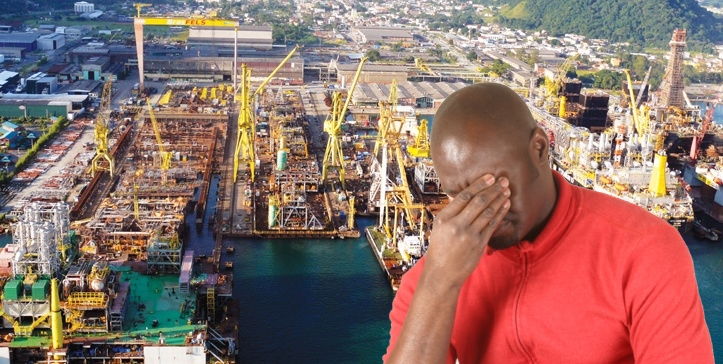
The President of Sinaval Sergio Bacci Says That the Situation of Shipyards Is More Serious Than One Might Think and the Number of Jobs Could Reach ZERO by 2019, Understand and Watch the Video
Since 2002, it has been a tradition of Sinaval, when President Lula implemented his first electoral program at the shipyard in Angra dos Reis, where he committed to the revival of the Brazilian naval industry. From that moment on, Sinaval understood that it would be important to engage with presidential candidates in every election to demonstrate the significance of the industry and what it represents for job and income generation. This year, the institution is preparing a document for all candidates in 2018 to show what was accomplished from 2000 to 2014 (594 vessels were built) and what happened from 2014 to 2016. Sergio Bacci states that the problem was not the wrongdoing, especially since he punished himself; the issue was “breaking the company.” He intends to show what could happen in this industry moving forward.
Shipyards Will Only Be Competitive in 10 Years
Brazil needs to become competitive again, for that the country’s shipyards require stable construction demand for vessels to be viable in competing in the international market and offering better prices to clients, and this can naturally only be achieved through learning, investing in technology, and skilled labor.
Petrobras Is Essential for This Sector
Petrobras plays an important role in this sector simply because it is the main demander of naval services in the country. It is pointless to think that Shell or Exxon will build in Brazil, especially since there is a lot of cheap labor around the world and with the same construction standards, this role falls to Petrobras, mainly because it is a state-owned company. The lack of viable investment funds is also a factor that has hindered leverage, such as the Merchant Marine Fund and the Guarantee Fund, which due to bureaucratic and tax issues are not viable at the moment, despite SETE Brasil making progress in negotiations with Petrobras using one of these modalities.
-
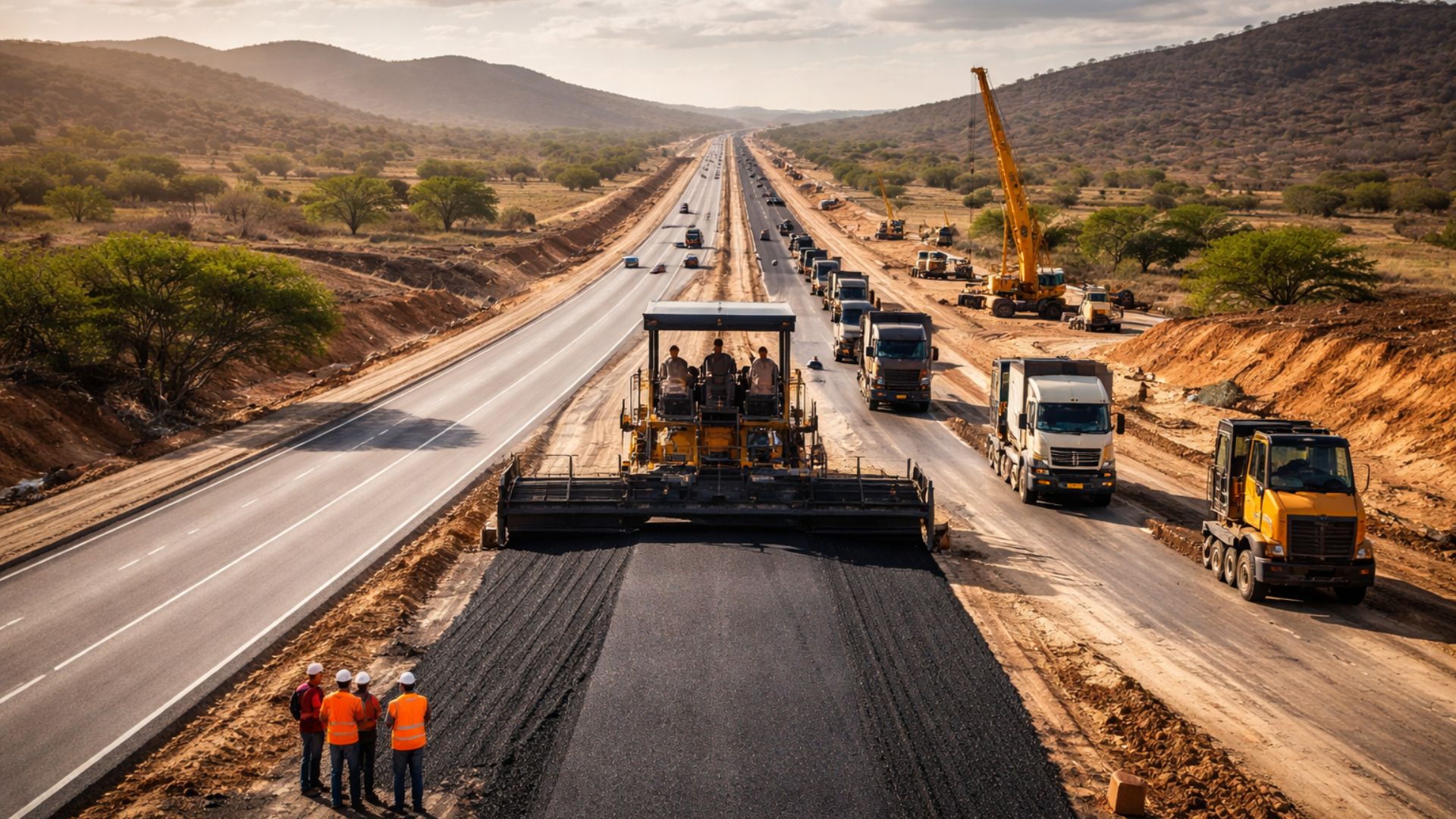
Government unlocks R$ 554 million for a highway that has been requested for decades and accelerates the duplication of BR.
-
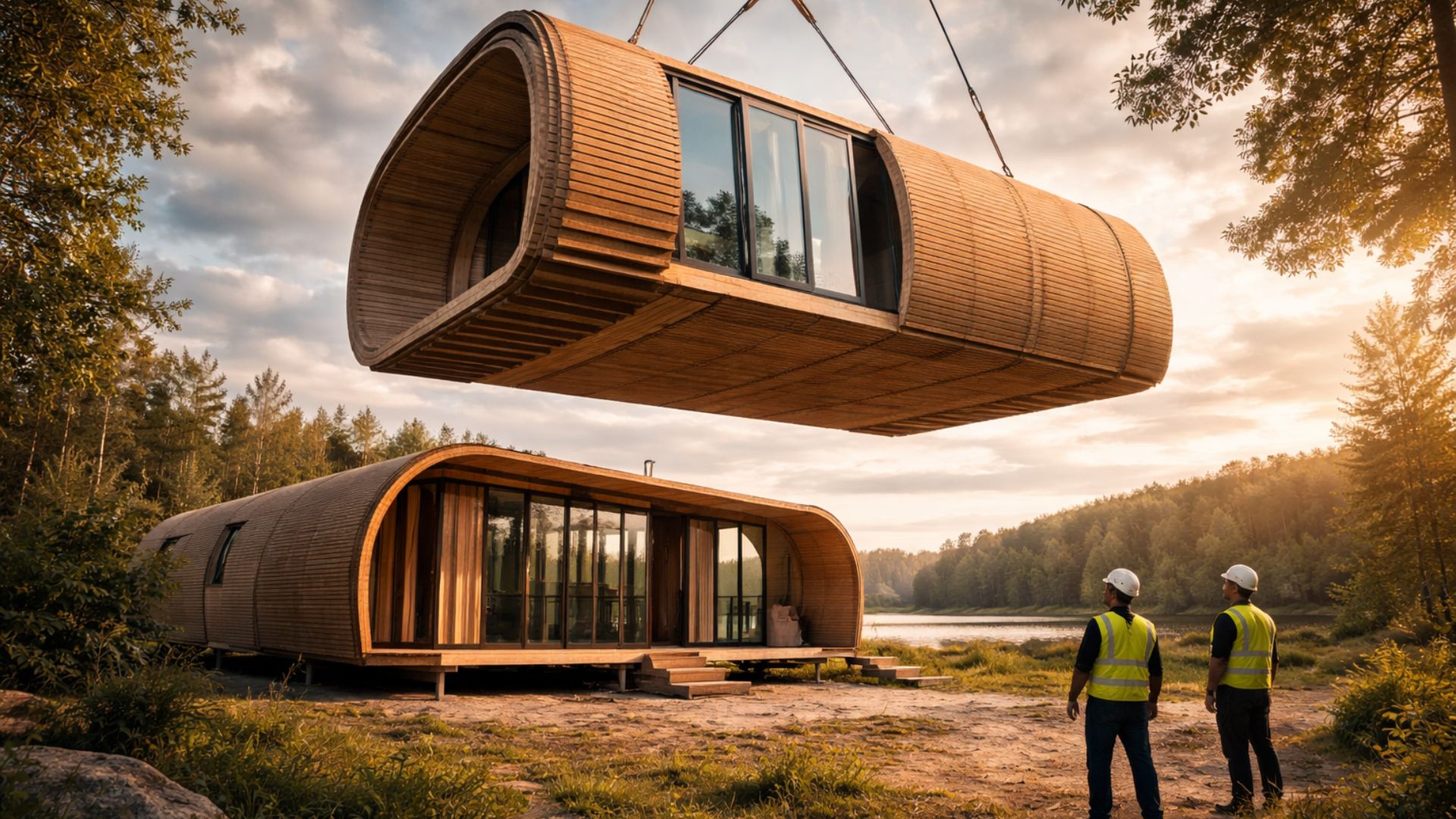
Without bricks, without cement, and without endless construction: the cardboard house that is assembled in modules and can be moved.
-
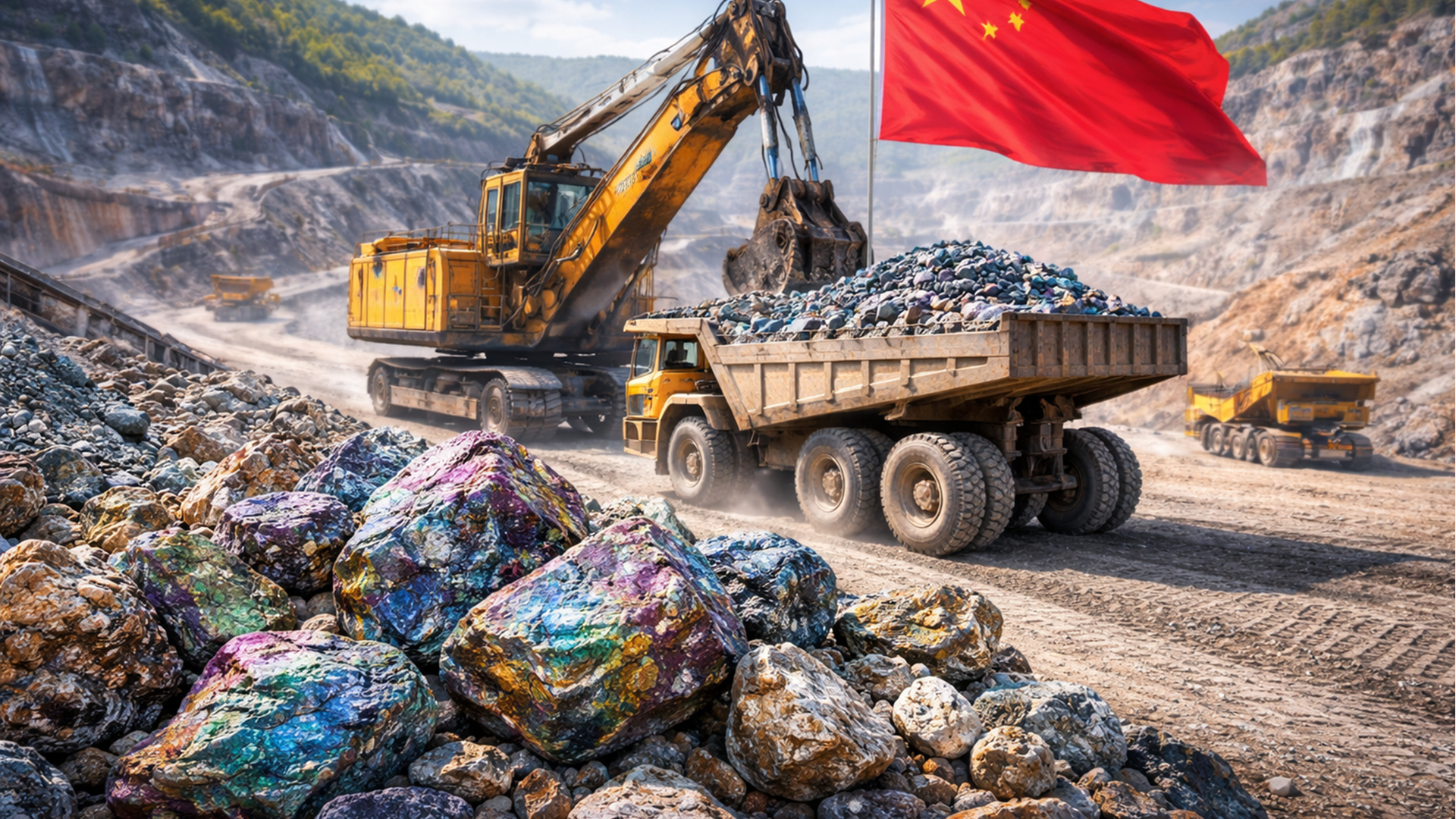
Billions of barrels on the equatorial margin could lead Amapá to double its oil production in Brazil — the state aims to enter the route of companies in the Campos Basin, attract investments, and boost jobs and businesses in the oil and gas sector.
-
Without bricks, without cement, and without endless construction: the cardboard house that is assembled in modules and can be moved.

Current Situation of Shipyards and Perspectives
Over the past 60 years, this industry has had many happy moments. From the 2000s onward, the construction of support vessels also began, generating about 82,000 direct jobs and 320,000 indirect jobs in the naval sector by the end of 2014, in short, the industry was in full swing. Nowadays, up to “today”, approximately 52,000 jobs have been lost, and if nothing occurs in the coming months or by the end of 2019, we will have a figure very close to zero. People, institutions, and unions (yes, it’s true) are working to prevent this from happening and to restart construction as soon as possible. Watch the video here.








Seja o primeiro a reagir!