





 Portuguese
  English
  Spanish
  4 min of reading
  0 comments


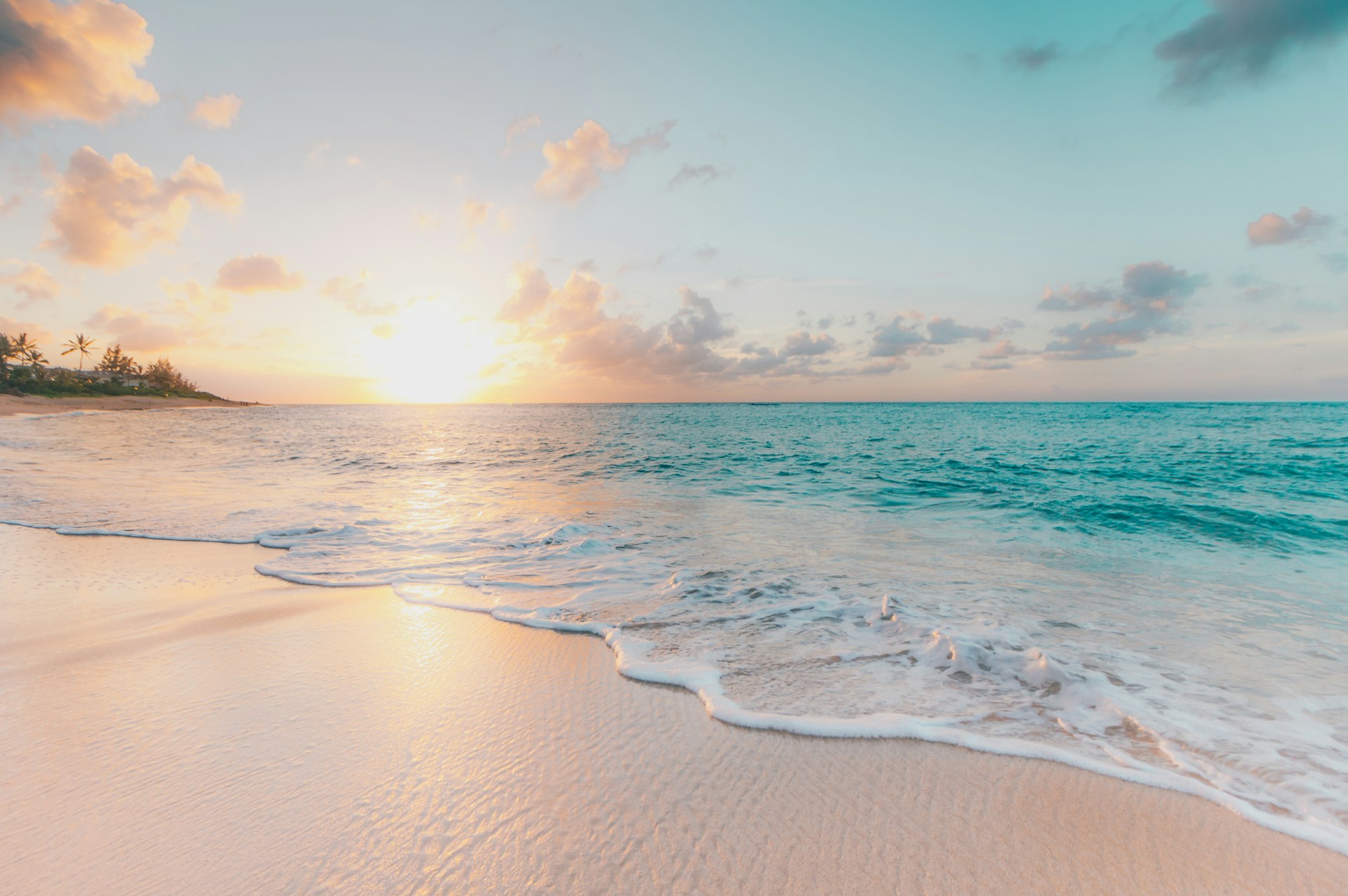
Sand Shortages And High Costs Challenge Cities Like Rodanthe, Miami And Barcelona, Forcing Drastic Decisions To Deal With Coastal Erosion
The disappearance of beaches may be more concerning than the emergence of algae or the presence of fecal matter in the water. In many places, coastal erosion surpasses in severity the “theft” of shoreline areas for construction. It is an ongoing process that consumes billions without lasting results.
A Critical Example: Rodanthe
The Financial Times recently highlighted the situation in Rodanthe, in the Outer Banks of North Carolina. The locality loses between 3 and 4.5 meters of beach per year.
Since 2020, eleven houses have already collapsed into the sea. The phenomenon is exacerbated by more intense storms, strong tides, and the rising sea level linked to climate change.
-
A 68-year-old pizza delivery driver went off route to buy a soda that was missing from a visually impaired customer’s order, refused an extra tip, and now Dan Simpson has over R$ 546,000 in donations from people around the world who want to ensure he can retire peacefully on April 30.

-
Amateur archaeologists were searching a forest in Poland with metal detectors when they found a ceramic pot buried for over 1,500 years. Inside was a pure gold necklace weighing 222 grams, folded to fit in the vessel, and when experts examined the piece, they discovered it was the first Gothic torque ever found in Polish territory.

-
Millions of people have been eating pomegranates for centuries without knowing that this ancient fruit contains punicalagins, which scientists are studying for their possible effects on memory and vascular health.

-
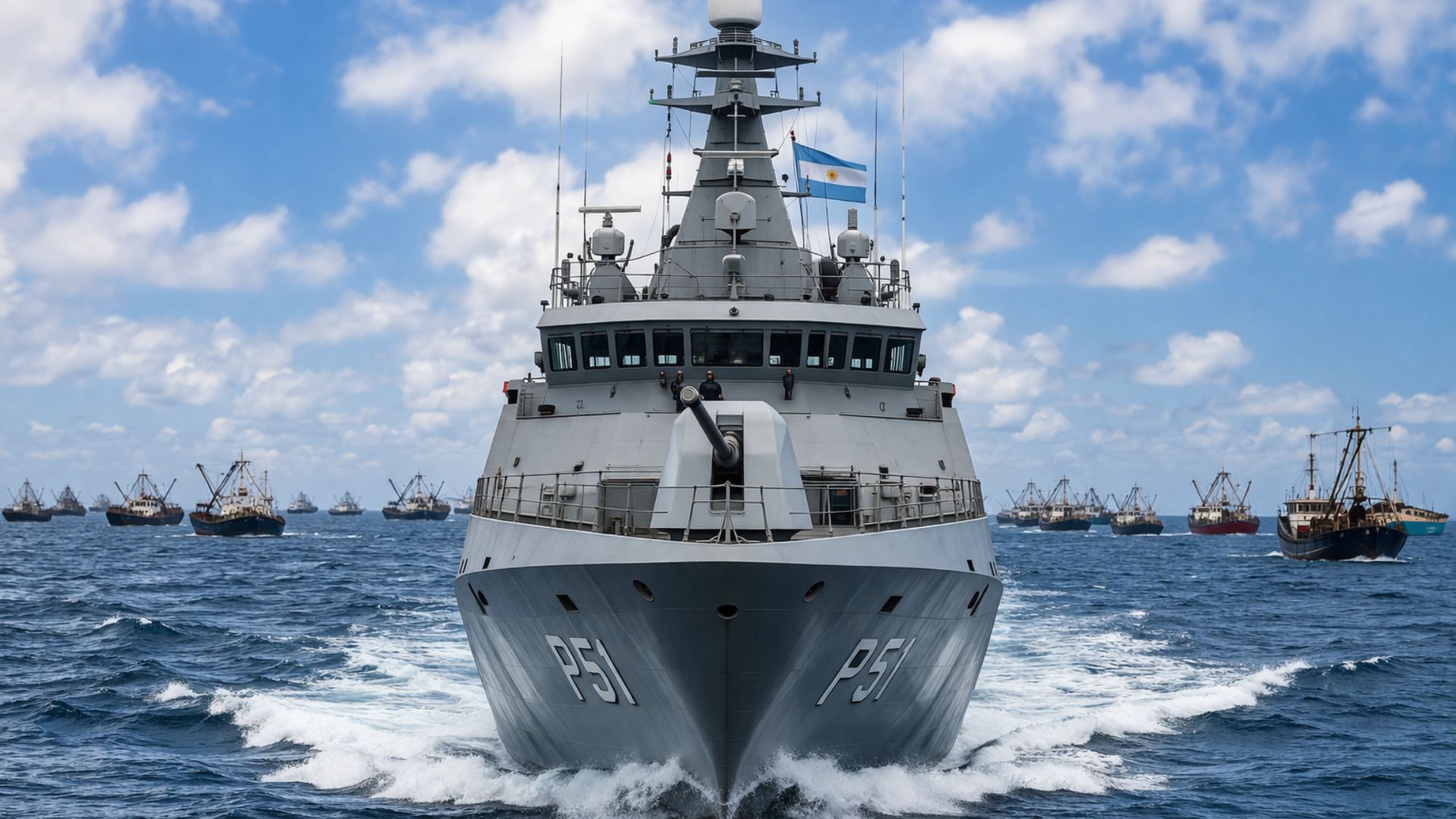
Argentina patrols the South Atlantic with ships built in France and monitors over 1.1 million km² with 87 m OPVs, a range of 7,500 miles, 360° radar, and a 30 mm cannon against illegal fishing in the 200-mile zone.
The problem has gained a new component: the sand shortage. This natural resource acts as a barrier against flooding and storms, but its growing demand, especially from the construction industry, raises costs and limits availability.
The main measure used to combat erosion is called “beach nourishment,” which consists of transporting sand from other locations.
In Rodanthe, the initial cost would exceed 40 million dollars, an impractical amount for the local administration. This leaves two options: planned removal of infrastructure or resistance until the sea prevails.
Cities And Economies At Risk From Sand Loss
The challenge is not limited to Rodanthe. Miami, Barcelona, and Australia’s Gold Coast are experiencing constant sand loss.
In Barcelona, the annual erosion of 30,000 m³ worsens with each storm, and neither seawalls nor groins have prevented the sea’s advance.
On the Gold Coast, Cyclone Alfred in March removed so much sand that parts of the seawall were exposed.
The recovery will take three years and cost 40 million Australian dollars. About 10% of the world’s population lives within 5 km of the coast. Urbanization blocks natural sand flows, worsening the situation.
Limits Of Sand Replenishment
Maintaining artificial beaches is becoming increasingly difficult and expensive. In some cases, scientists advocate allowing the coastline to advance inland, despite the social and political impact.
Sand replenishment is preferable to rigid structures, which can exacerbate erosion in neighboring areas. However, it is a temporary solution.
The durability depends on factors such as local geology, climate, and human pressure. Some beaches need replenishment every two years, while others can last up to ten.
Logistical And Environmental Challenges
In the United States, the technique has been used for a century. Nearly 600 beaches have undergone the process, which peaked at 50 million m³ in 2019.
But finding suitable sand is becoming increasingly difficult. In North Carolina, local reserves have run out. In Miami, it needs to be transported from inland.
Environmental objections also complicate logistics, as extraction can affect marine habitats. Additionally, severe storms can eliminate millions in investments within days.
In regions with moderate erosion and abundant sand, such as the Netherlands, replenishment is state policy.
The country invests 0.3% of its annual GDP in flood risk management and has 12 million m³ of sand per year, enough to protect entire cities.
When Retreat Is The Only Option
In areas with severe erosion and uncontrollable costs, planned relocation may be the most viable solution. This requires expropriations and controlled demolitions.
In Rodanthe, the National Park Service purchased and demolished two houses valued in the millions to return the land to public use.
Without resources to expand the program, many residents accept that the sea will continue to advance. The strategy, for some, is to sell before the water reaches the nearby wetlands.
A Global Dilemma
The shortage and high cost of sand, combined with the advance of erosion, indicate that maintaining beaches will be unfeasible for many communities.
Although replenishment continues to be the most common solution to protect properties and economies, its physical, financial, and environmental limits force the search for alternatives.
The dilemma is clear: invest increasingly to try to hold back the sea or return land to nature. This choice will define the future of much of the inhabited coastal areas.
Meanwhile, time and climate change accelerate the struggle between human resistance and the inevitable force of the ocean.
With information from Xataka.





-

Uma pessoa reagiu a isso.