





 Portuguese
  English
  Spanish
  6 min of reading
  45 comments





Before Buying a Used 3-Cylinder Car, Know the Models That Accumulate Mechanical Failures
In recent years, 3-cylinder engines have flooded Brazil with promises of economy, lightness, and efficiency. Many people fell for the hype, buying hatchbacks, sedans, and even compact SUVs, believing they were making a good deal. However, in the real world, the story was not quite so positive. Some models that use this type of engine are turning out to be true mechanical nightmares, even with low mileage. And it’s not just about getting the oil changed regularly: there are issues that the average owner wouldn’t even suspect are about to fail.
In this article, we will discuss not only the problematic engines but mainly the cars you should scrutinize if you’re considering buying used. These are popular models that are easy to find on the used car market but hide problems that could end up costing much more than they appear.
1. Chevrolet Onix and Tracker: Beautiful on the Outside, Problematic on the Inside

The Chevrolet Onix has been the best-selling car in Brazil for several consecutive years. And for good reason: attractive design, good fuel efficiency, competitive price, and that appeal of a “complete” car. However, when GM decided to use the 1.0 3-cylinder engine with an oil-soaked timing belt, what was once a success began to turn into a problem.
-
The car stored for 38 years: when opening the barn door, what appears is breathtaking and looks like a scene from a movie!

-
Fiat works miracles in the Brazilian market, lowers the price of its 0 km hatch to R$ 69,990, reestablishes the model as the cheapest car in the country, and reignites the battle against Kwid and C3.
-
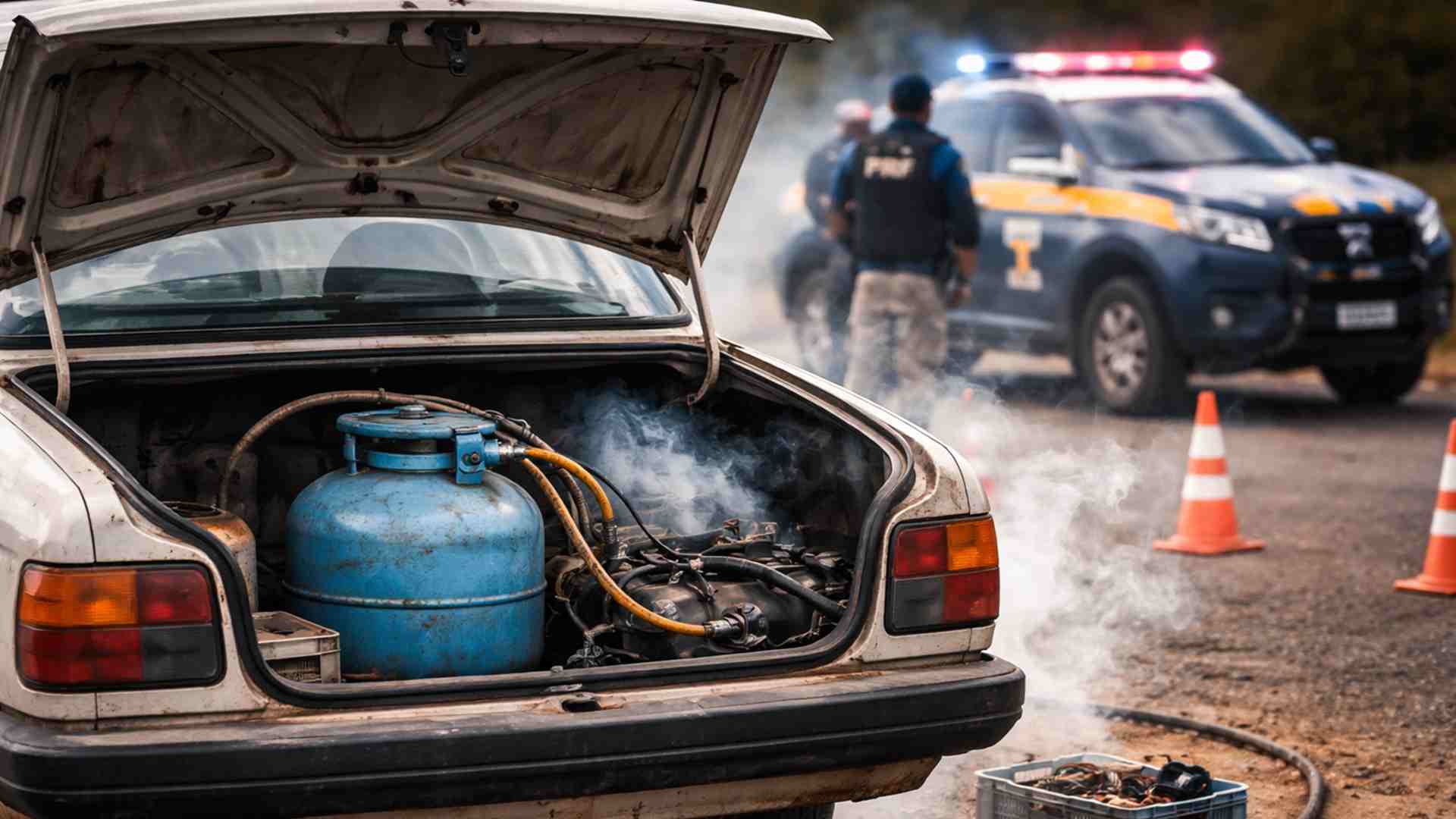
Chevette with cooking gas: How the gas cylinder ends up being used in cars clandestinely and why this makeshift solution can result in leaks, explosions, damaged engines, and seized vehicles.
-
Fiat launches the new 2027 Toro hybrid with 48V, 176 hp, an electric motor of 15.5 hp, a 0.85 kWh battery, up to 7% fuel savings, 8% fewer emissions, and possible exemption from IPVA.


This engine is also found in the 1.0 turbo Tracker, a compact SUV that became popular among those looking for a modern vehicle. However, this engine has a serious defect: the oil-soaked timing belt, which should last longer, simply breaks down prematurely. When this happens, the oil becomes contaminated, the lubrication pump gets clogged, and the engine can seize, even with less than 50,000 km.
Additionally, the vacuum pump, made of Bakelite, tends to break easily. Result? The brake pedal becomes hard out of nowhere. Some owners keep up with all the maintenance, yet find themselves replacing the engine with just 40,000 km. In other words, the Onix and Tracker may be complete and comfortable cars, but if they come with this engine, the low price could turn out to be costly.
2. Ford Ka and Ka Sedan: The “Trimilique” That Vibrates Even the Wiring Harness

The Ford Ka 1.0 Ti-VCT is another example of a car that sold a lot but left many people longing for the old Zetec Rocam. This 3-cylinder engine from Ford has become a joke in repair shops. And it’s not an exaggeration: the nickname “trimilique” arose for a very real reason.
The engine shakes so much that over time, it can loosen the battery terminal, break engine mounts, cause premature wear on the wiring harness, and even mess with the throttle body. Even with just 20,000 or 30,000 km, the first signs of wear are already appearing. And the car doesn’t even need to have been driven much: sometimes normal urban use is enough for it to start displaying these issues.
The Ka and Ka Sedan have pleasant steering, good fuel economy, and decent interior space for the category. But under the hood, the design seems to have been rushed. To make matters worse, the engine requires very specific oil. Used any other? Expect premature wear. In other words: a car that was supposed to be affordable ends up being a ticking time bomb disguised as a compact urban vehicle.
3. Fiat Mobi, Argo, and Uno: The Firefly That Flies… Straight to the Workshop

Fiat launched the 1.0 Firefly engine as a modern and more robust solution, replacing the older Fire engines. And really, in theory, it seems good: timing chain instead of a belt, compact block, good low-end torque. But in practice, there are more pitfalls than it seems.
The Firefly is present in the Mobi, Argo, and also in the Uno (in the latest produced versions). The most serious problem occurs during maintenance: if the mechanic turns the engine in the wrong direction, the timing chain can jump the timing. When this happens, the synchronization goes out the window, and the only fix is to dismantle everything.
Furthermore, this engine suffers from chronic issues with the water pump, which can cause oil and water to mix, confusing even an experienced mechanic. The engine mounts also break easily, and the cost for replacement can exceed R$ 3,000. In other words, what was supposed to be an urban and economical little car becomes a headache if the maintenance isn’t done with extreme precision.
4. Renault Kwid, Logan, and Sandero: Noise, Oil, and Too Much Heat

If you’re considering the Renault Kwid as your first car, it might be better to reconsider. It comes equipped with Renault’s SCe 1.0, the same engine found in versions of the Logan and Sandero. It’s an engine that, despite using a timing chain, hasn’t convinced many people, especially those who have had to take the car to the shop.
One of the biggest problems is the camshaft, which wears out quickly and begins to emit a metallic noise that sounds more like an old car from the 90s. There are Kwids with 30,000 km that already sound like a Monza with a blown gasket. To make matters worse, the engine consumes too much oil, with many owners carrying an extra liter in the trunk.
The ignition coils also burn out frequently because they are too close to the engine cover, where the heat is intense. In short: a popular car that seems simple, but hides a bunch of annoying problems — and they appear sooner than you might think.
5. Peugeot 208, 2008, and Citroën C3: The PureTech That Turned Into a Nightmare

The 1.2 PureTech engine seemed like the most promising of the new generation of 3-cylinder engines. Light, powerful, modern, and with excellent energy efficiency. It powers cars like the Peugeot 208, 2008, and also the Citroën C3. But the beauty was short-lived.
The main culprit, once again, is the oil-soaked timing belt. Just like in GM’s engine, it degrades prematurely and contaminates the oil, clogging the lubrication channels. The result is always the same: accelerated wear, and sometimes, engine failure with 40,000 km.
Another tricky point is the maintenance. When it’s time to replace the belt, the mechanic needs to “unload” the variable pulleys by manually turning the engine. If this isn’t done correctly, the engine goes out of sync, and the car leaves the shop worse than it came in.
This engine requires an experienced and specialized mechanic. Local garages? Forget it. And this significantly limits options for those living far from major cities.
Is It Worth Buying a Used 3-Cylinder?
This is the question many people ask after reading the reports. And the answer is: it depends a lot. There are good 3-cylinder engines on the market, like the 1.0 from Hyundai/Kia or the TSI from Volkswagen, which have a good reliability record. But the models mentioned above deserve extra caution.
If you are thinking about buying a used one with one of these problematic engines, the ideal is to:
- Request a complete technical inspection report (including a motor analysis);
- Check the maintenance history (with invoices and a stamp in the manual);
- Talk to mechanics who know the model;
- Look for forums and YouTube videos with reports from other owners.
Buying a used car is always a gamble. But when the engine is known for failing even with low usage, it’s a sign that the project has failed. In that case, the best economy is to run away while you still can.








Observando os comentários acima, o melhor mesmo é adquirir um carro de 2016 pra baixo. Possui uma pálio adventure 2008, vendi com a quilometragem 286.000 km motor stand , manutenção básica, troca de óleo no tempo certo. Esses carros novos só dão problemas! Tenho hj um Frontier 2009 , 327.000 km rodado manutenção dia, nada a reclamar! Adquiri em 2016 com 227.000km rodado.
Corrigindo : adquiri a Frontier com 127.000km e não com 227.000
Essa notícia está generalizando o que aconteceu de ruim com alguns modelos, não são todos iguais, ok correia dentada banhada a óleo da problema, mas tudo depende do cuidado com o veículo e do tipo de condutor que você é
Tenho um kwid 2023, com 85000km, não teve nenhum desses problemas citados, é confortável, não é barulhento como falam, econômico, eu utilizo etanol o carro fica afiado na cidade