





 Portuguese
  English
  Spanish
  4 min of reading
  0 comments


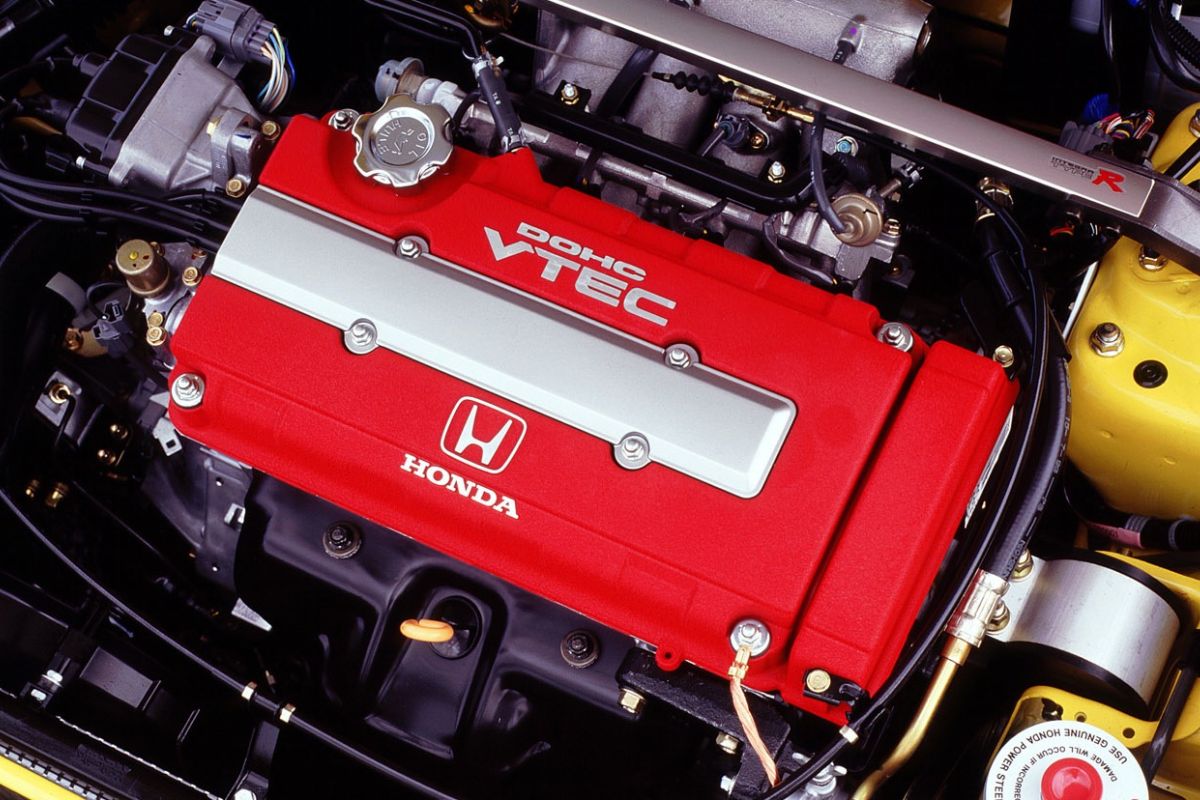
They Spin High, Last Long, and Have Conquered Millions: Check Out the Five Most Incredible Japanese Engines with Just Four Cylinders
When the subject is four-cylinder engines, Japan clearly dominates. We’re talking about a true engineering lesson, where reliability, performance, and longevity meet. From naturally aspirated engines that spin at 9,000 rpm to turbocharged blocks that leave the factory with over 300 hp, Japanese four-cylinder engines helped shape an entire generation of car enthusiasts – and they continue to be a reference today.
In this article, we will dive into five of the most iconic engines ever produced in Japan, all with inline (or boxer) four cylinders, each with its legacy in models that made history. Spoiler: there’s Mitsubishi Lancer Evo, Honda Civic Type R, and even the legendary Subaru Impreza 22B. The list is not in any specific order – after all, all here are legends.
Honda K20 and K24: The Kings of Durability and Tuning
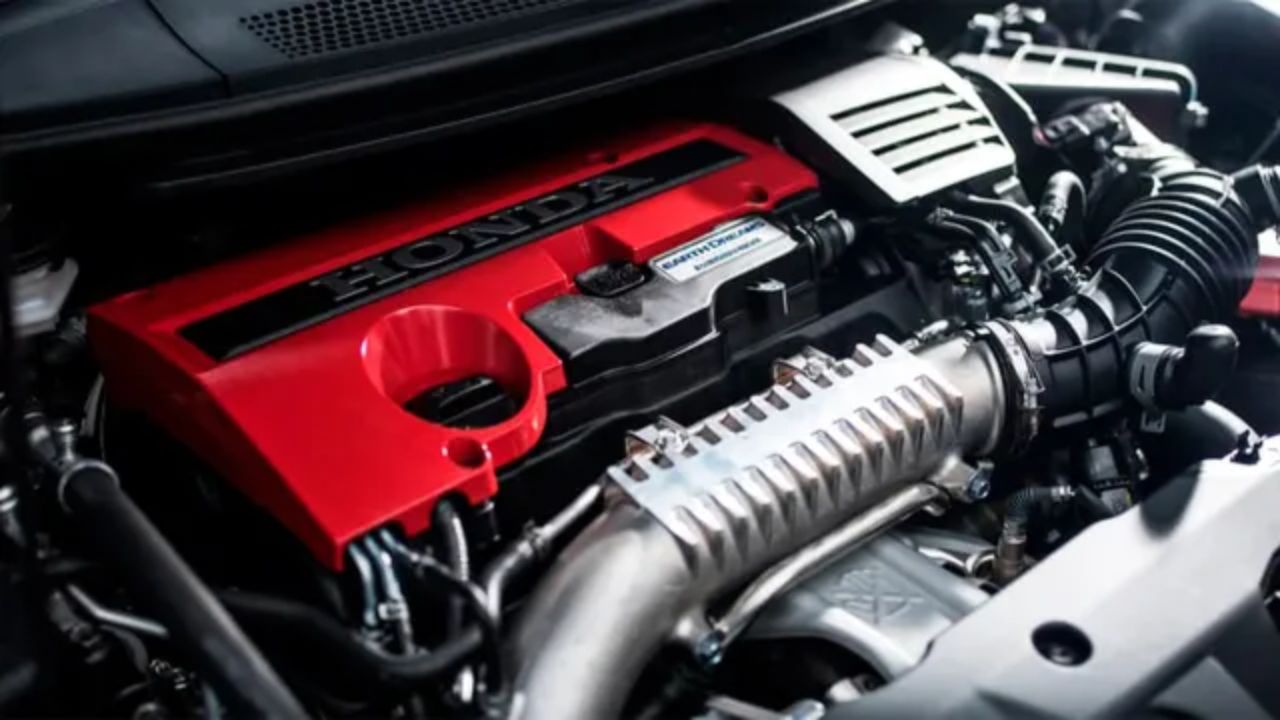
Few Japanese engines have been as ubiquitous as Honda’s K series. With 2.0 and 2.4-liter variants, the K20 and K24 dominated the brand’s models in the early 2000s. They were everywhere: Civic Type R, Accord, CR-V, Integra, among others.
-
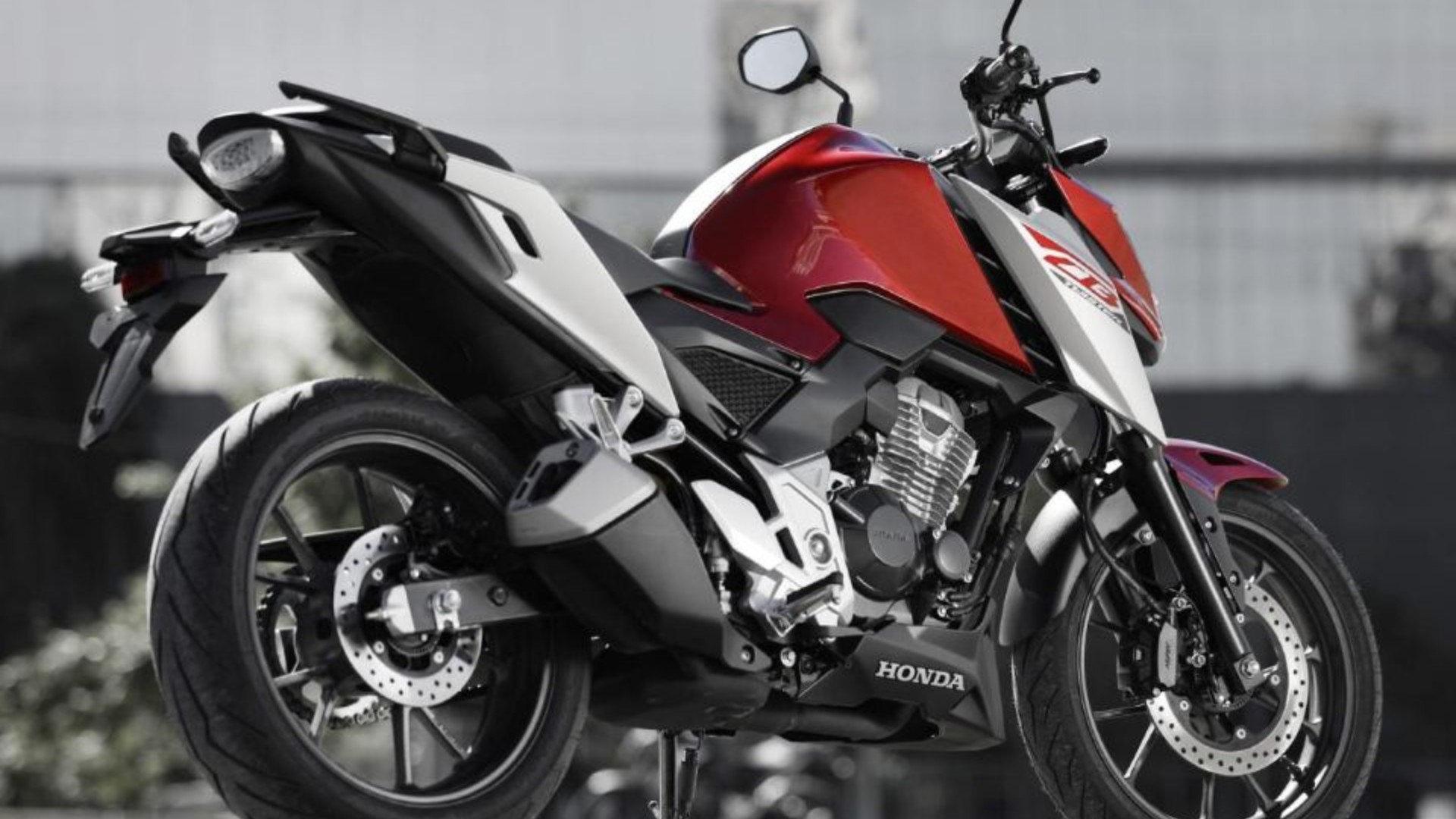
With a 293.5 cm³ engine and a range of up to 400 km with a 14.1-liter tank, the Honda CB 300F Twister 2026 has up to 24.7 hp, an initial price of R$ 25,150, and already exceeds R$ 29,000 in the Fipe Table.
-
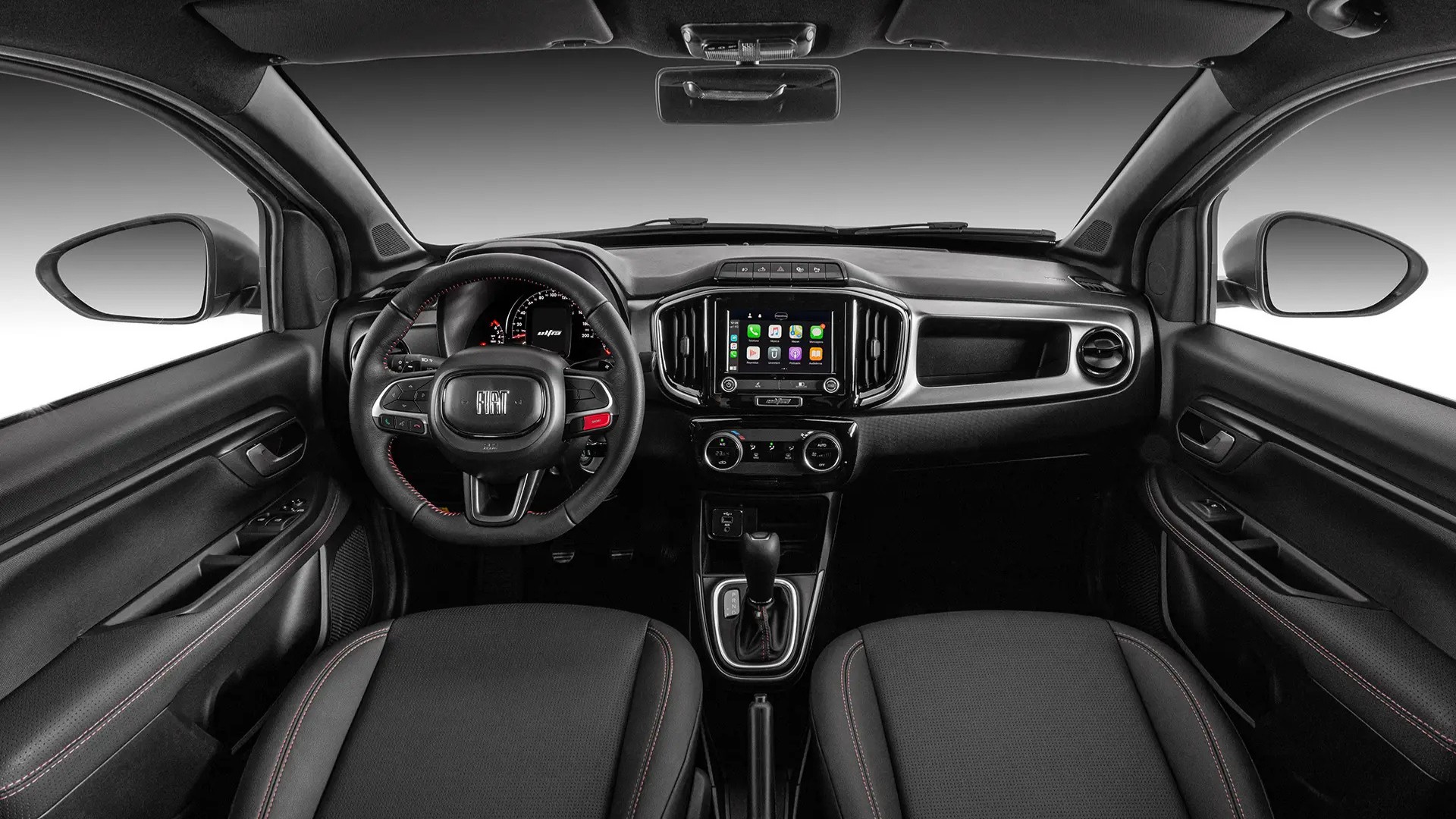
With a 1.3 engine, nearly 700 km of range, and Turbo 200, the Fiat model surpasses Polo, Tera HB20, and Onix, becoming the best-selling car in March; see the numbers for the Fiat Strada and others.
-
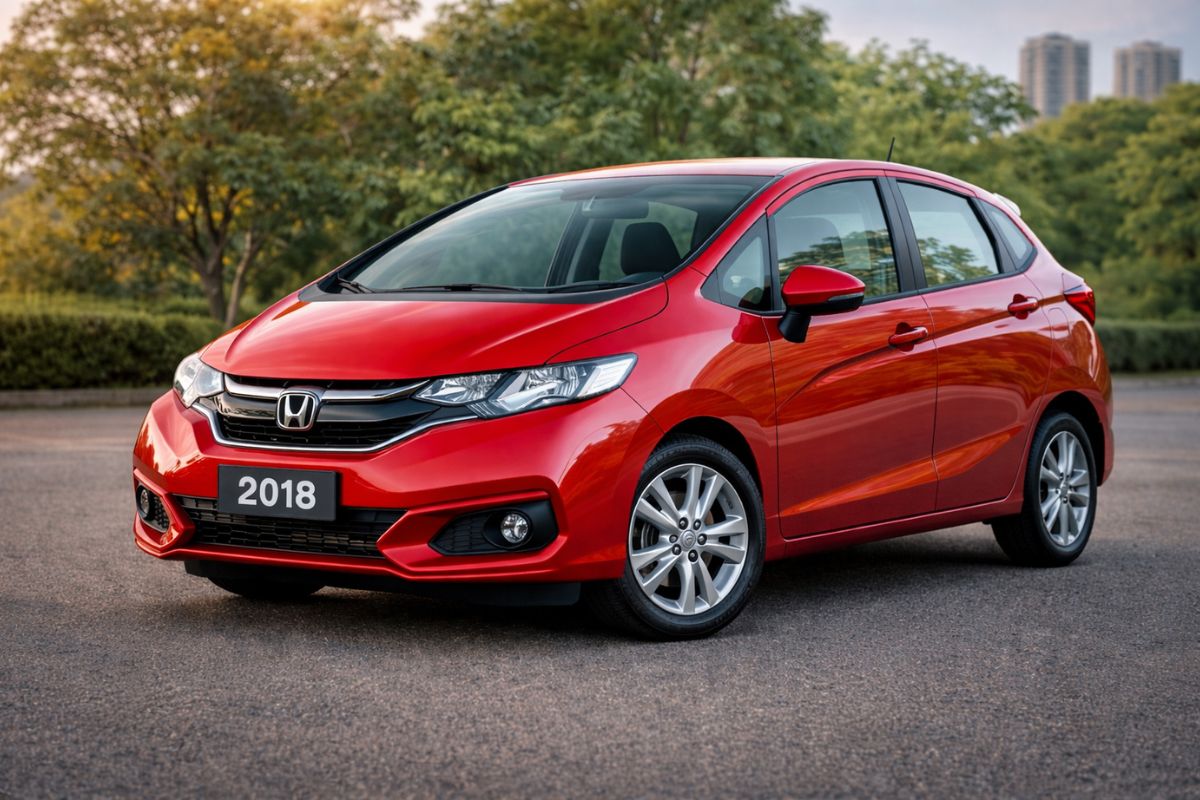
The Honda Fit has been discontinued for years, but the 2018 model is worth more today in the Fipe table than it cost brand new, proving that this used car, valued with a 1.5 i-VTEC engine and Magic Seat, only increases in price.
-
Volkswagen unveiled the 2027 Atlas with a 282-horsepower EA888 turbo engine, a 15-inch screen, massage seats, and a completely new interior to finally elevate the three-row SUV built on the MQB platform to a new level.

Although turbocharging was absent, these naturally aspirated engines surprised with their performance. In some versions, they exceeded 220 horsepower, with revs surpassing 8,000 rpm. But the highlight doesn’t stop there: the block is so robust that many enthusiasts can tune it to over 300 hp with relative ease, without compromising durability.
According to specialized forums like K20a.org, there are reports of K24 engines that exceeded 300,000 km without major interventions. That’s no small feat in a world where modern turbo engines sometimes don’t last beyond 150,000 km without expensive maintenance.
Mitsubishi 4G63T: The Heart of the Lancer Evolution
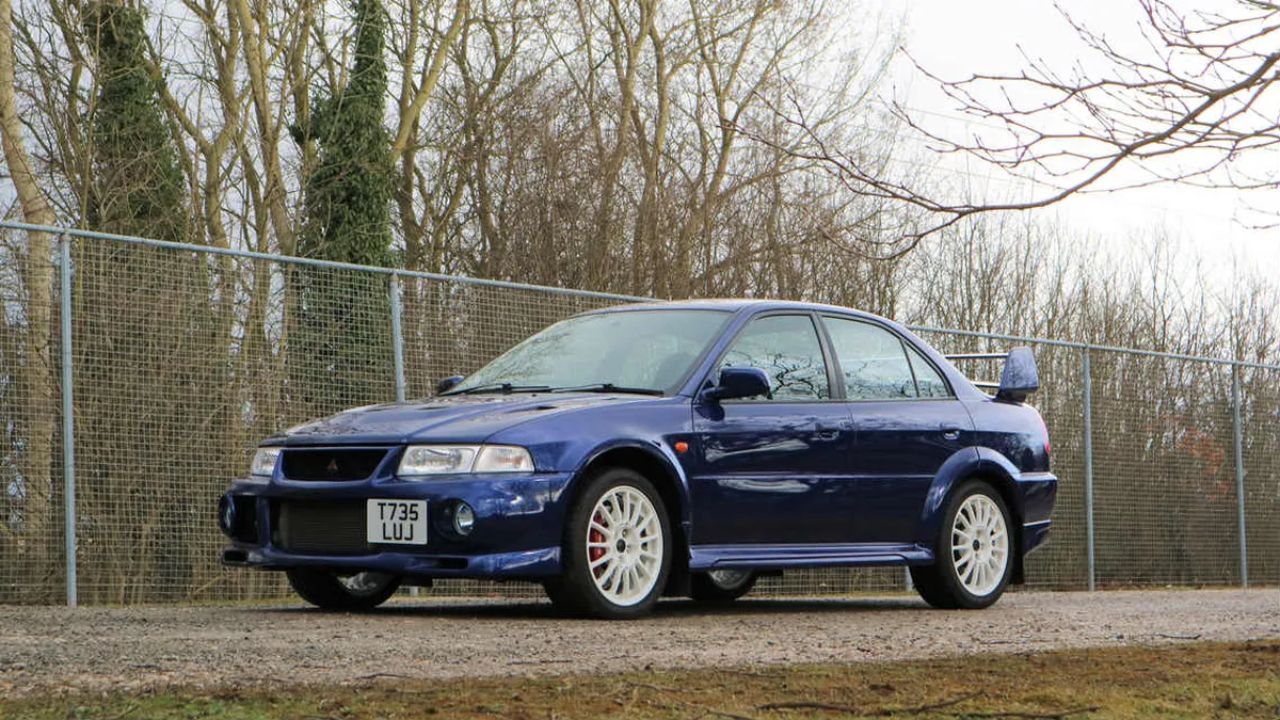
Throughout the 90s and 2000s, Mitsubishi probably experienced its best phase – much of it thanks to the 4G63T engine. This 2.0 turbocharged engine was the soul of models like the Lancer Evolution I to IX, as well as special versions of the Eclipse and Galant VR-4.
In its original configuration, its power ranged from 195 hp to 345 hp, depending on the model and year. But tuners quickly realized that the block was a true gem. With forged camshafts, adjustments to the turbo, and proper injection, there are tune-ups that exceed 600 hp. And the most impressive part: the engine can handle revs of up to 11,000 rpm without faltering.
The magazine Super Street has listed the 4G63T as one of the most “tunable” engines in history, precisely because of its robustness, versatility, and ease of parts.
Nissan SR20DET: Power with Drift DNA
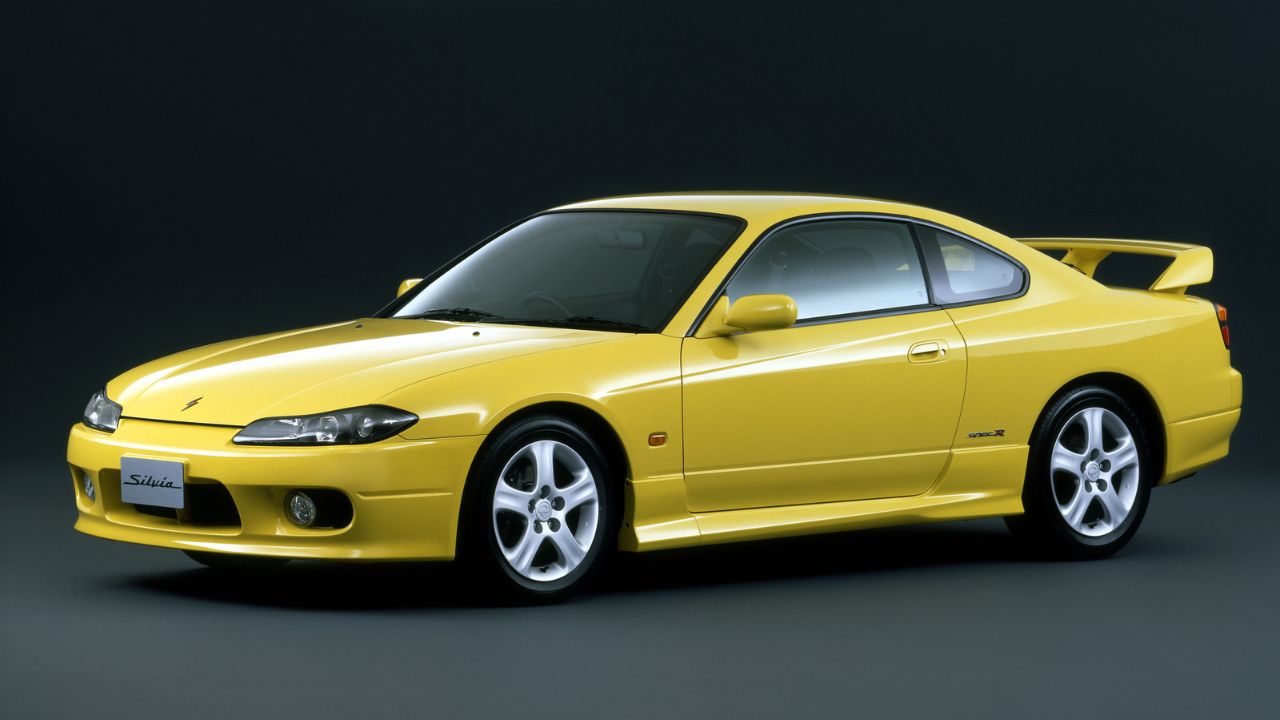
Before becoming synonymous with SUVs, Nissan dominated the tracks with cars like the Silvia and 180SX. And the engine that powered these models was the legendary SR20DET, a 2.0 inline four-cylinder turbo that delivered up to 205 hp in the factory version, but could yield much more with minor alterations.
This engine was popular not only among speed enthusiasts but also in the drift world, thanks to its linear torque, durability, and easy adaptability. It’s not uncommon to see builds with over 400 hp, using forged pistons and larger turbos. The Japanese channel Option Video has showcased versions with nearly 500 hp, running on professional tracks without any signs of instability.
Moreover, the combination of this engine with rear-wheel drive made the Silvia S13/S14/S15 one of the most sought-after cars for competition and personal projects.
Subaru EJ22: Exclusive, Rare, and Absolutely Legendary
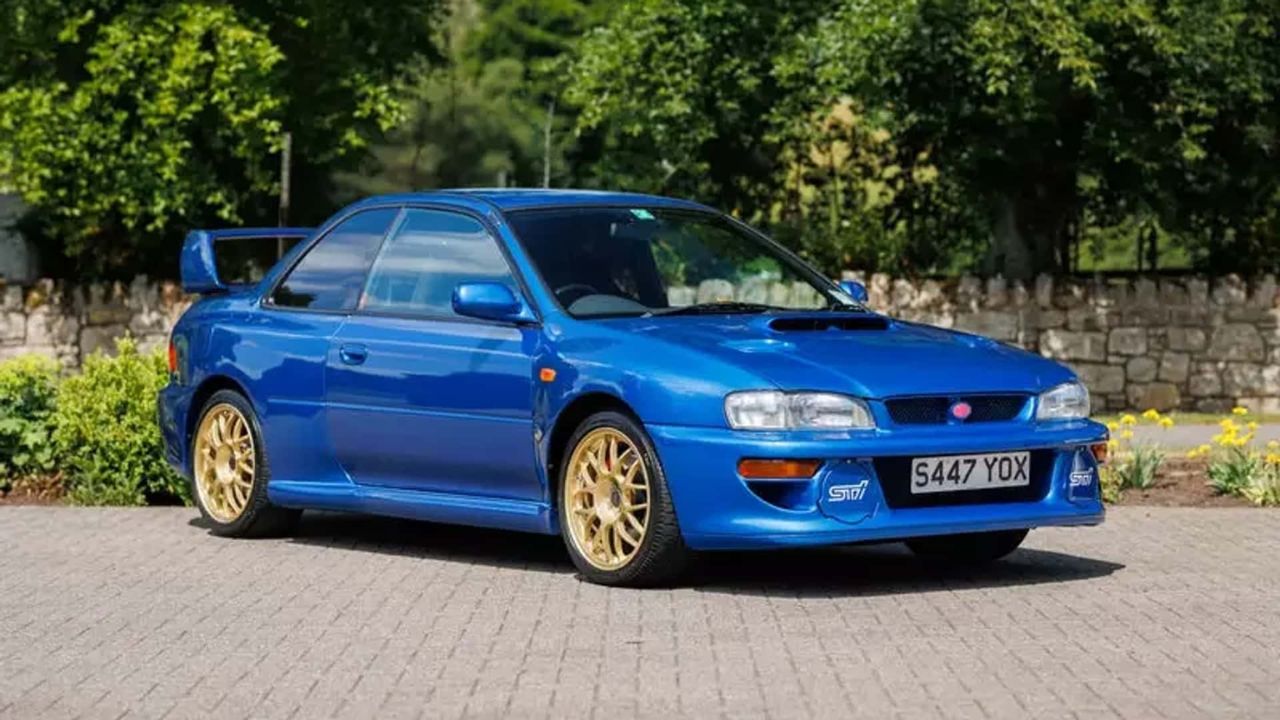
The EJ22 engine is so special that it was only used in one single model: the unparalleled Subaru Impreza 22B STi, launched in 1998 to celebrate Subaru’s three WRC titles. Only 424 units were produced, all with this 2.2-liter turbo boxer engine.
On paper, it delivered 275 hp, but various independent tests indicate that the actual number was much higher – around 290 to 300 hp. With a lower center of gravity thanks to the boxer architecture, the engine provided quick response, stability, and a unique growl.
If today an Impreza 22B is worth over R$ 2 million in the international market, much of that is due to the exclusivity of this engine, which never appeared in any other car from the brand.
Honda F20C: Absurd Power per Liter
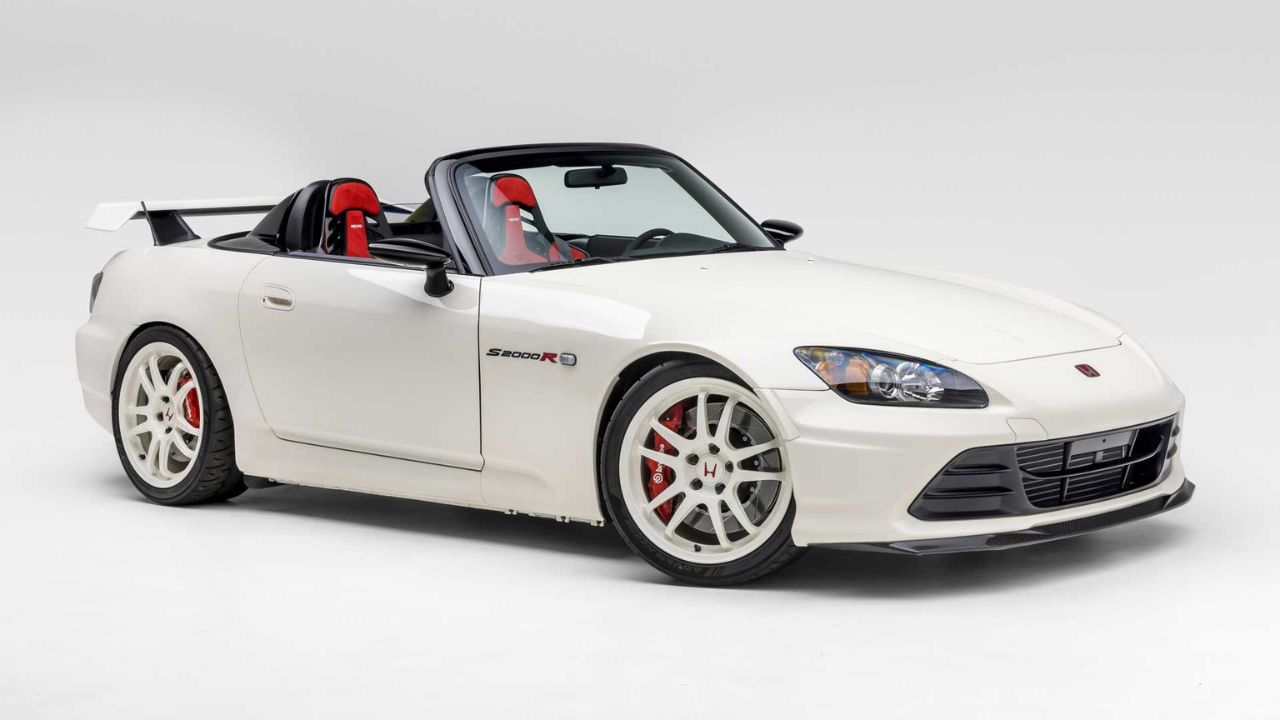
Closing with a golden key, we have the F20C, an engine that exclusively equipped the Honda S2000. Naturally aspirated, four cylinders, 2.0 liters, 240 hp at 8,600 rpm, and torque of 200 Nm at 7,500 rpm. This is the technical specification for the American version. But in Japan, the engine reached 247 hp, with redline approaching 9,000 rpm.
For years, the F20C was the naturally aspirated engine with the highest specific power in the world: 120 hp per liter. This was only surpassed much later by supercar engines like the Ferrari 458 Speciale.
It also gained an F22C version, with 2.2 liters and 210 Nm of torque, more suited for urban use without losing its sporty soul.
A Japanese Lesson in Engineering
What unites all these engines is not just the number of cylinders or the country of origin. It’s the Japanese obsession with building blocks that withstand time, extreme use, and still offer breathtaking performance. Even decades after their launch, they are still revered – and some, like the K20 and 4G63T, are still used in professional and amateur builds worldwide.
Whether you are a fan of Honda, Mitsubishi, Nissan, or Subaru, one thing is certain: these engines left a definitive mark on automotive history and continue to live on in accelerated hearts today.







-

Uma pessoa reagiu a isso.