





 Portuguese
  English
  Spanish
  4 min of reading
  47 comments


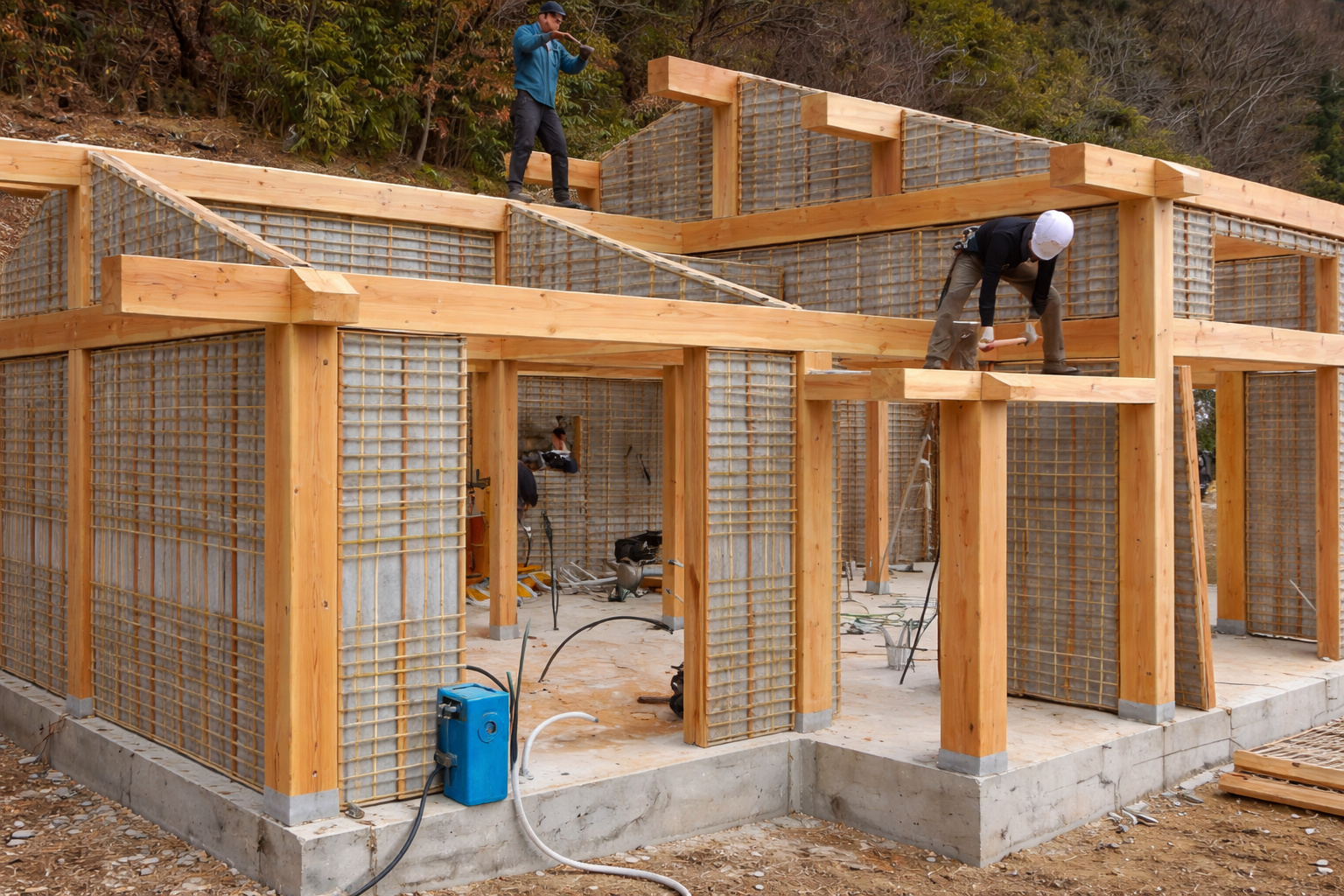


Solid Wood Structure, Chiseled Joints, and Curved Roof Reveal How the Korean Construction Style Transforms Traditional Carpentry into High-Level Structural Engineering
No Metal Plates, No Improvisation. A house begins to rise only with solid wood and calculated cuts. This all originates from a traditional Korean construction technique that prioritizes precise structural notches and sequential assembly. The result looks industrial but is made manually, piece by piece.
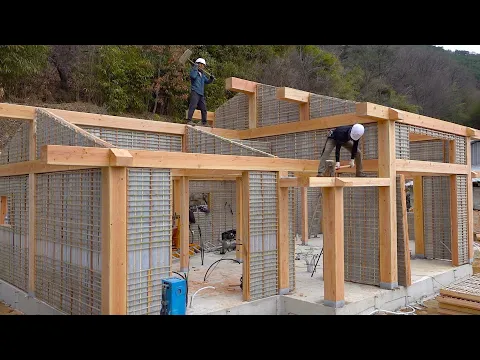

In a scenario where concrete and steel dominate civil construction, this approach brings wood back as a structural protagonist. And that explains why so many people are taking a second look at this method.
The Base of the Korean Style Starts with a Solid Wood Skeleton
In traditional Korean style, the house is born from the skeleton. Thus, square-section pillars are positioned vertically and receive robust horizontal beams on top, forming a rigid frame.
-
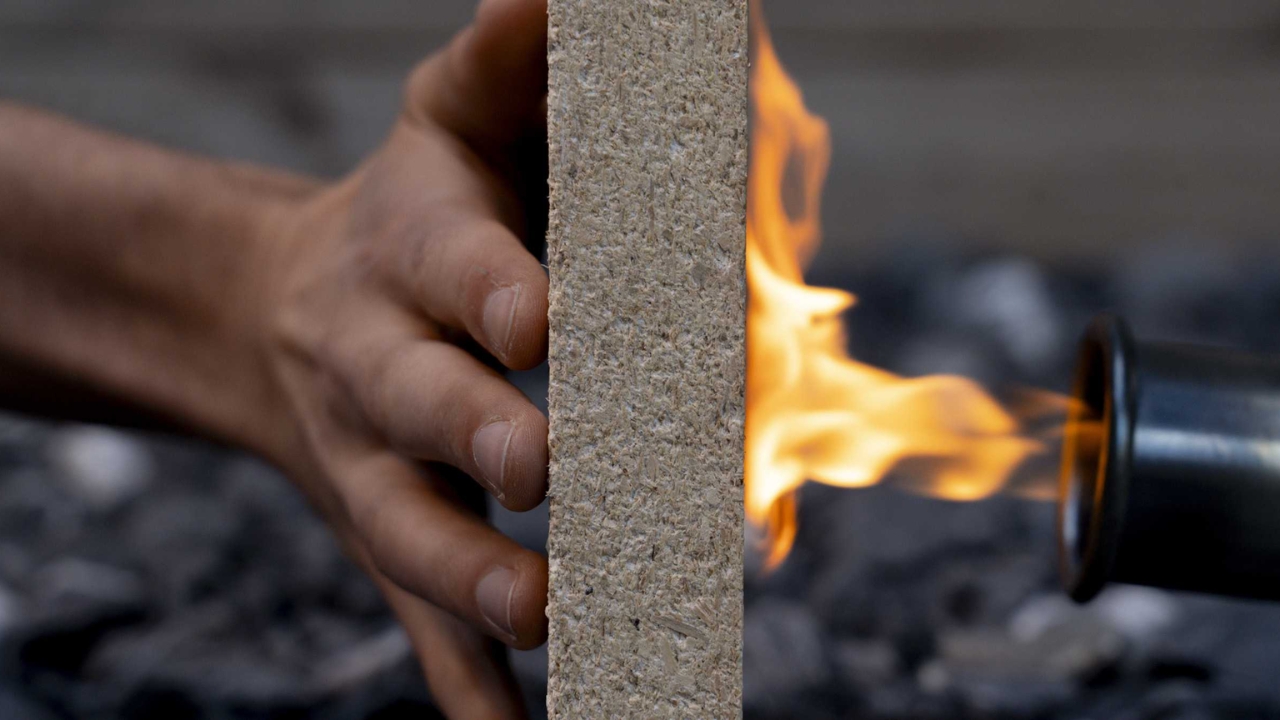
Scientists transform sawdust into fire-resistant panels, stabilize the compound with an enzyme extracted from watermelon seeds, and turn waste into promising material for construction.
-
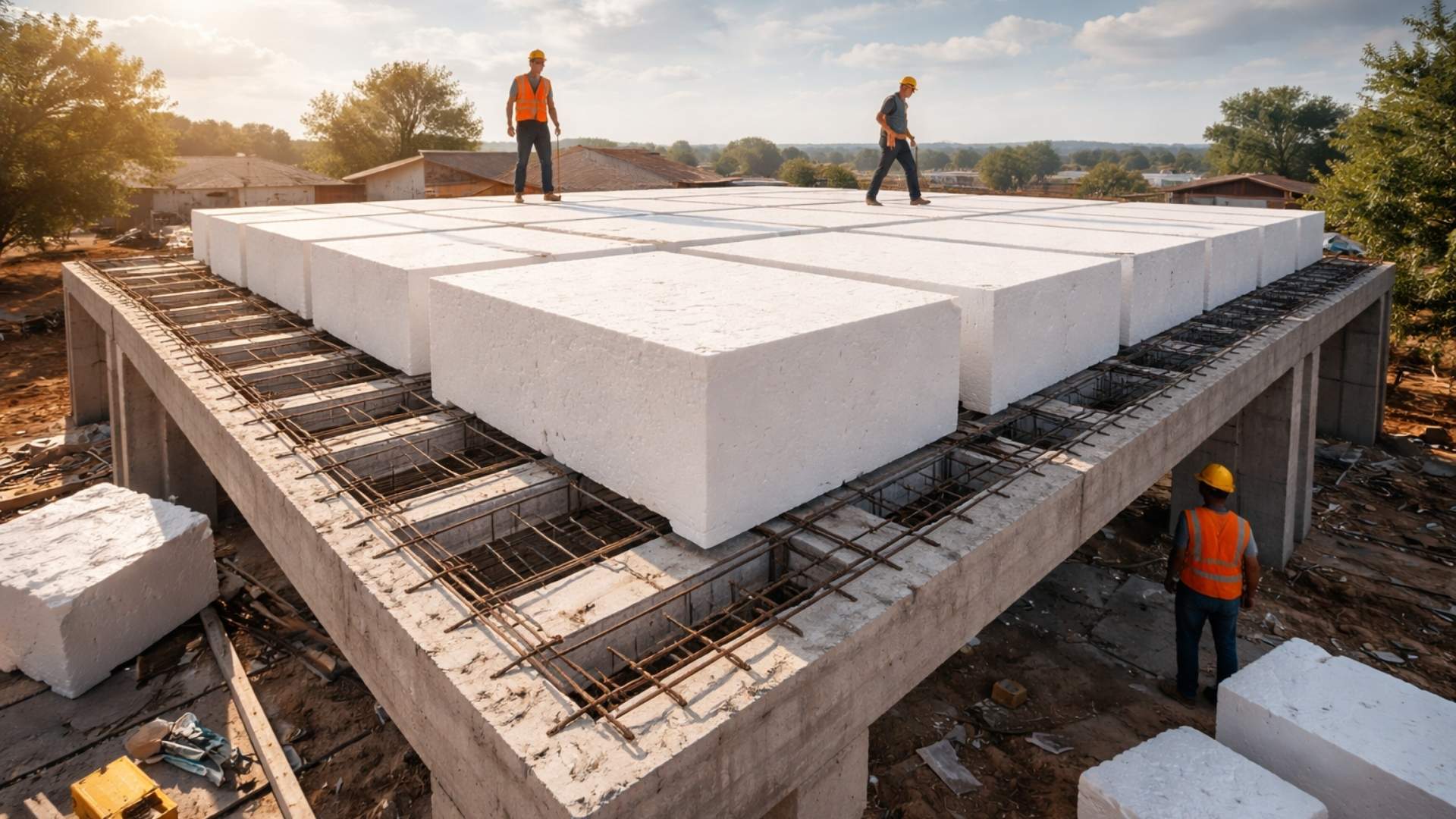
Forget concrete: architects are replacing tons of concrete with giant blocks of expanded polystyrene to build the roofs of houses and reduce structural weight by up to 50%, cut costs, improve thermal insulation, and speed up construction.
-
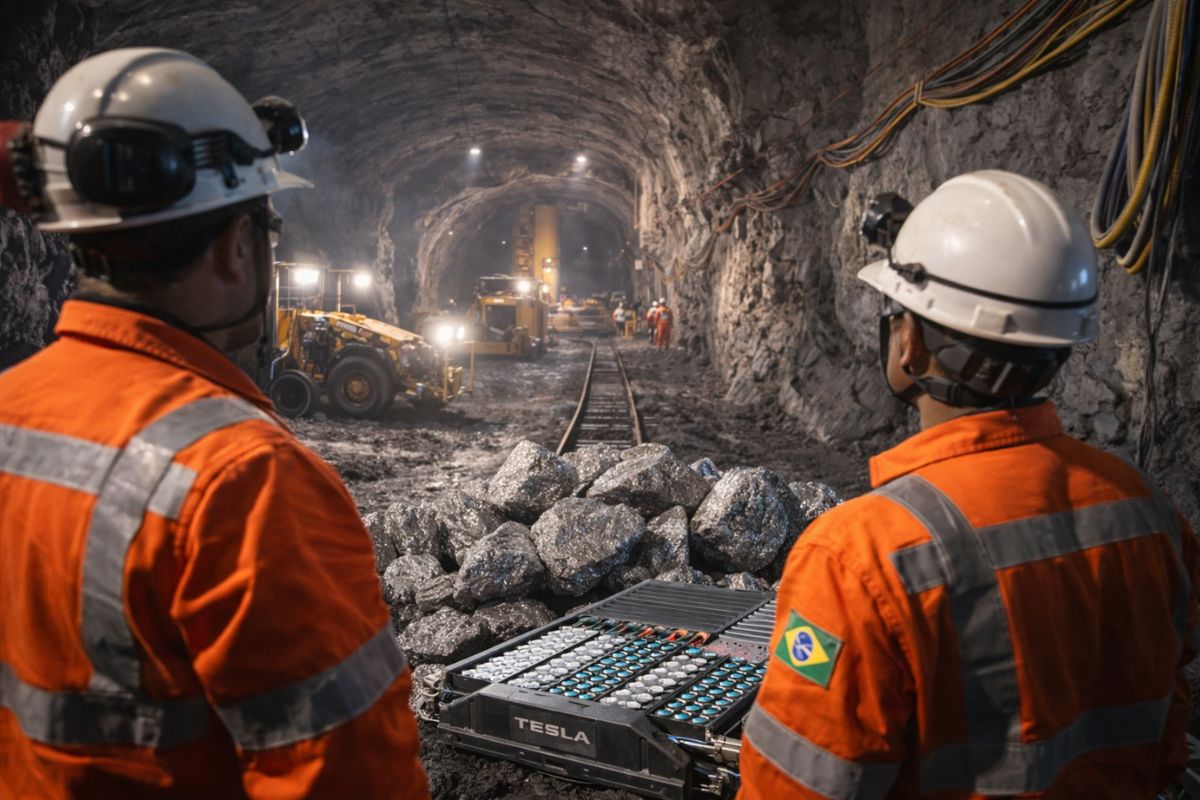
The Brazilian state enters the center of the global race for critical minerals by starting the construction of the largest underground nickel mine in Latin America, a mineral essential for electric car batteries that the entire world is competing for at this moment.
-
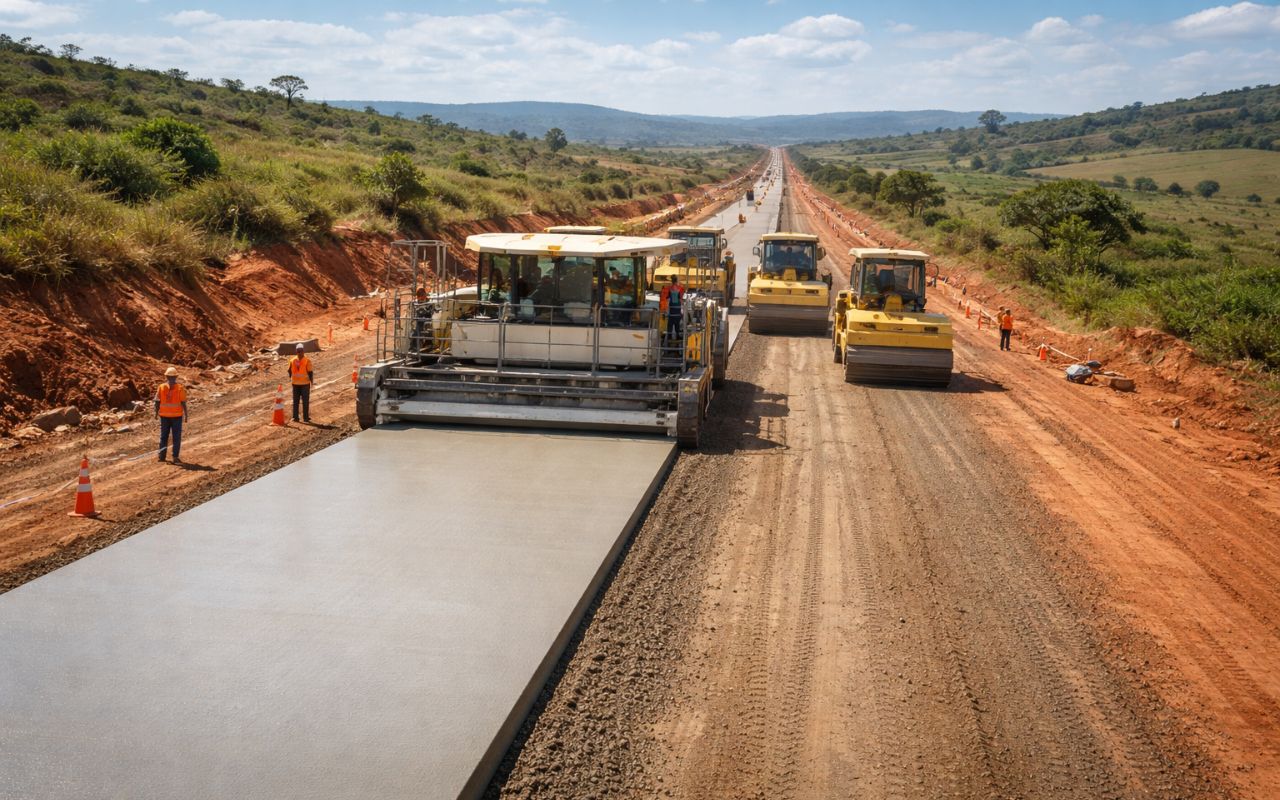
New CCR concrete paving technology promises roads up to 3x more durable, less maintenance, and cost reduction in Brazil.

Each pillar features carved cavities that receive the ends of the beams. There are no visible screws taking the main role. The direct fit between the pieces creates the initial locking.
When the upper beams settle onto the pillars, the structure already demonstrates stability. The wood becomes the very load-bearing structure, eliminating visible external reinforcements.
This method values precision in cutting. If the notch fails, the entire structural logic is compromised.
Manual Notches Replace Metal Hardware and Reveal the Secret of the Technique
The differential of the Korean style lies in the notch. The ends of the beams display rectangular cuts that fit into open cavities in the pillars with millimetric adjustments.
The work with chisel and hammer removes small shavings until the internal surface is flat. The goal is to eliminate any slack and ensure total contact between wood and wood.
When the beam descends and locks into the pillar, the structure becomes rigid. The pressure generated by the fit prevents lateral displacements and distributes weight evenly.
This detail works as the engineering framework. The resistance comes from the cut design, not from an external metal element.
Curved Roof Expands the Identity of the Korean Style and Increases Structural Demand
With the base assembled, the inclined rafters resting on the upper beams come in. They define the sharp incline that characterizes the traditional Korean roof.

On top of these rafters, horizontal battens then form a continuous grid that supports the curved ceramic tiles. The sequence of installation creates visible layers, organized in precise rows.
As the tiles accumulate, therefore, the weight increases on beams and pillars. It is at this moment that the quality of the joints is put to the test.
The roof is not just aesthetic. It requires that each structural joint withstand constant load without showing misalignment.
Traditional Method Challenges Modern Standards and Rekindles Debate in Civil Construction
The comparison with contemporary methods is inevitable. While many systems rely on reinforced concrete and metal connectors, the Korean style bets on the geometry of wood.
In this case, therefore, the pillars, beams, rafters, and tiles form a cohesive set without visible hardware. The assembly follows a logical sequence, where each step depends on the previous one.
This difference creates tension in the sector. On one side, industrialized processes that prioritize, then, speed. On the other, structural carpentry that prioritizes absolute precision.
The final result draws attention because it combines tradition and structural performance into a single system.
What This Precision Carpentry Indicates About the Future of Wooden Construction
The process makes it clear that solid wood can support a robust structure when worked with refined technique. The chiseled joint functions as an invisible fastening system.

Each aligned pillar, each adjusted beam, and thus, each overlapping tile reinforces the logic of the Korean style. The house does not depend on improvisation, but on controlled planning and repetition.
This model reignites discussions about sustainability, structural efficiency, and the appreciation of traditional carpentry in today’s market.
In the end, what impresses is not just the clean aesthetics. It is the realization that precise cuts and well-executed joints can support an entire house with firmness and structural coherence.
Do you believe that traditional techniques like the Korean style can gain space in Brazilian construction? Leave your opinion in the comments.








Acredito, gostaria de uma casa nesse modelo.
Deve ficar caríssimo uma casa assim,mas em compensação lindíssima.
Faz uma pra mim. Não tenho dinheiro só o terreno