





 Portuguese
  English
  Spanish
  4 min of reading
  0 comments


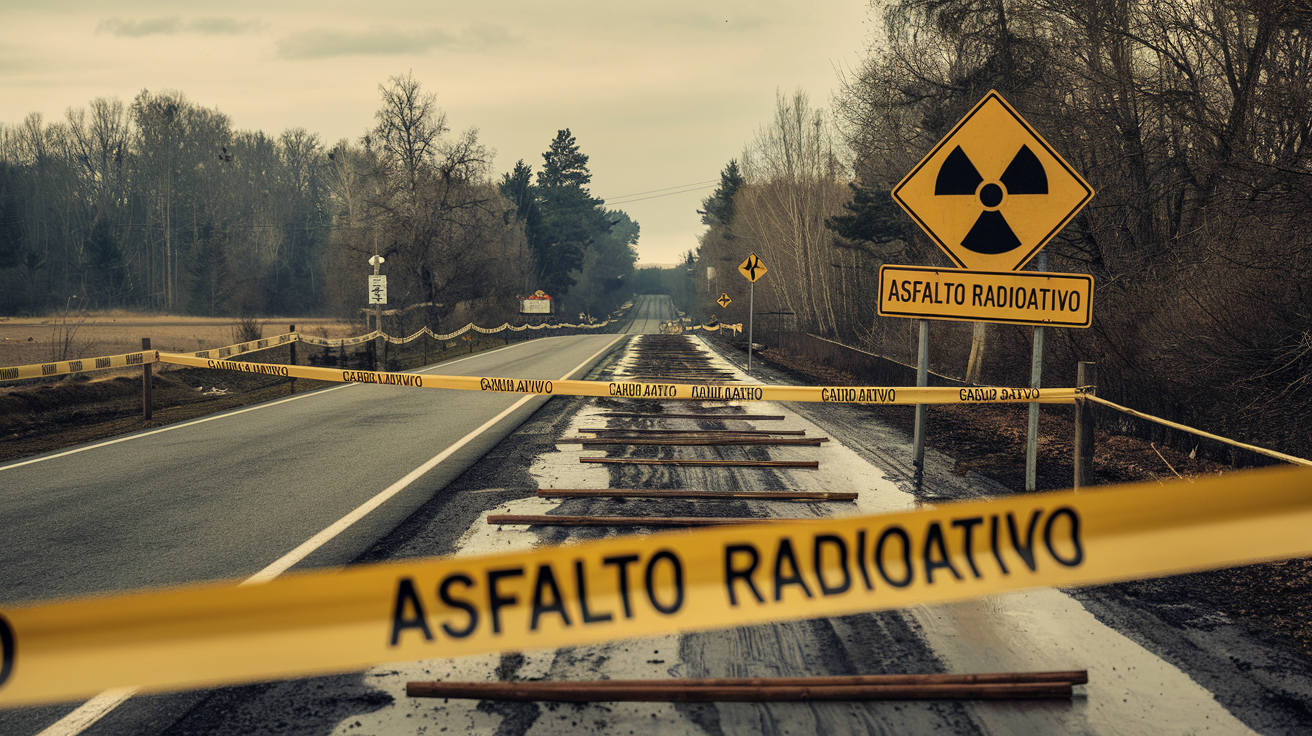
Use of Phosphogypsum, a Byproduct of Fertilizer Production, Concerns Experts Due to Radon Gas Release. Project Approved by the EPA Sparks Debate on Safety and Environmental Impacts.
Radioactive Asphalt? A road built with radioactive waste in the state of Florida, USA, has generated controversy and raised public health concerns. The material used, called phosphogypsum, is a byproduct of phosphoric acid used in fertilizer production. Despite being covered by a 10 cm asphalt layer, experts point to potential risks to human health due to radon gas release, which is associated with increased cancer risk. The issue gained prominence after the U.S. Environmental Protection Agency (EPA) approved a pilot project that utilizes this material. But is this innovation really safe? Let’s understand the details.
What is Phosphogypsum?
Phosphogypsum is a waste product generated during the production of phosphoric acid, an essential component for fertilizer manufacturing. The material contains traces of radium, a chemical element that decomposes and releases radon gas. This highly radioactive gas is known for its health risks, especially when inhaled in enclosed spaces.
Typically, phosphogypsum is stored in large piles designed to minimize human exposure. However, the pilot project approved by the EPA proposes a different application: using it in road construction, encapsulated by an asphalt layer.
-
While the world looks at oil, the war with Iran is already disrupting helium supply from Qatar, affecting car and iPhone chips, threatening AI expansion, and putting pressure on aluminum packaging at the highest value in four years.

-
Global warming will expose a treasure hidden under the ice of Antarctica and may spark an international dispute over gold and valuable minerals.

-
A street vendor from Praia Grande built a robot made of scrap from scooters and washing machines that pulls his popcorn cart on the beach, emits sounds, and interacts with customers, becoming an attraction on the coast of São Paulo.

-
The specifications of the Xiaomi 18 Pro Max have been leaked, and the highlight is a dual 200 MP camera with a new 22-nanometer technology that promises to consume less energy and capture details in shadows and bright areas using LOFIC HDR.


The Test Road in Florida
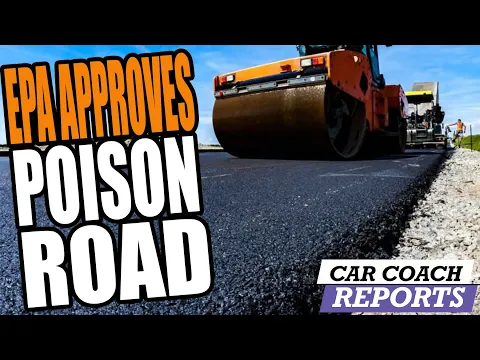
The pilot project, approved by the EPA, involves the construction of a two-lane road on private property in Florida. The road will have four sections containing phosphogypsum and another four made with conventional materials. Each section with phosphogypsum will be 152 meters long, while the sections without the material will measure 91.4 meters.
The EPA states that phosphogypsum will be encapsulated under a 10 cm asphalt layer, which theoretically would prevent direct contact with the radioactive material. Additionally, the project will be conducted in a controlled environment, reducing the risk of public exposure.

Why Use Phosphogypsum?
The idea of using phosphogypsum in road construction arises as an attempt to find a practical application for the material, which is typically discarded in giant piles. Besides freeing up storage space, this approach seeks to harness phosphogypsum as a resource instead of treating it merely as waste.
However, this proposal divides opinions. While some experts believe that encapsulating the material under asphalt is safe, others warn of long-term risks, including the gradual release of radon into the atmosphere.
Health Risks and Radioactive Asphalt
Despite the EPA’s assurances, the use of radioactive waste in road construction raises significant concerns. Radon gas, released during the decomposition of radium present in phosphogypsum, is extremely dangerous to human health. Prolonged exposure to radon has been linked to an increased risk of lung cancer, even at low concentrations.
Although the EPA downplays the risks, arguing that asphalt acts as an effective barrier, critics highlight that cracks or wear over time could compromise the safety of the encapsulation.
Political and Historical Context in the U.S.
The idea of using phosphogypsum in road construction is not new. In 2020, during Donald Trump’s administration, the EPA approved the use of the material in infrastructure projects. However, this approval was revoked by the government of Joe Biden, who raised concerns about the safety and environmental risks associated.
The pilot project in Florida represents a renewed effort to explore the potential of phosphogypsum. However, it faces resistance from environmentalists and public health experts who question the need to take risks with such a controversial material.
Benefits and Concerns of U.S. Authorities
Benefits
- Utilization of Waste: Using phosphogypsum reduces the need to create enormous disposal piles, freeing up space and minimizing storage costs;
- Reduced Cost: Incorporating the material into infrastructure can lower road construction expenses;
- Sustainable Proposal: The project explores ways to turn waste into useful resources.
Concerns
- Health Risks: Even under asphalt, the material can still release radiation over time;
- Environmental Impact: Exposure to phosphogypsum may affect air quality and soil in the vicinity;
- Future Damages: Cracks or failures in the encapsulation may release the radioactive material, exposing humans and animals to risks.
The Future of Phosphogypsum in Construction in the U.S.
The debate over the use of radioactive asphalt in road construction is far from over. As the pilot project advances, it is essential to monitor the results to determine the feasibility of this application on a large scale. Future studies will need to assess long-term impacts to ensure that economic and environmental benefits do not outweigh health risks in the U.S.
The case of the road in Florida is a reminder that innovative solutions must always be evaluated with caution, especially when they involve materials with significant potential impact. Public and environmental safety should be the priority in any infrastructure initiative.








Seja o primeiro a reagir!