






 Portuguese
  Spanish


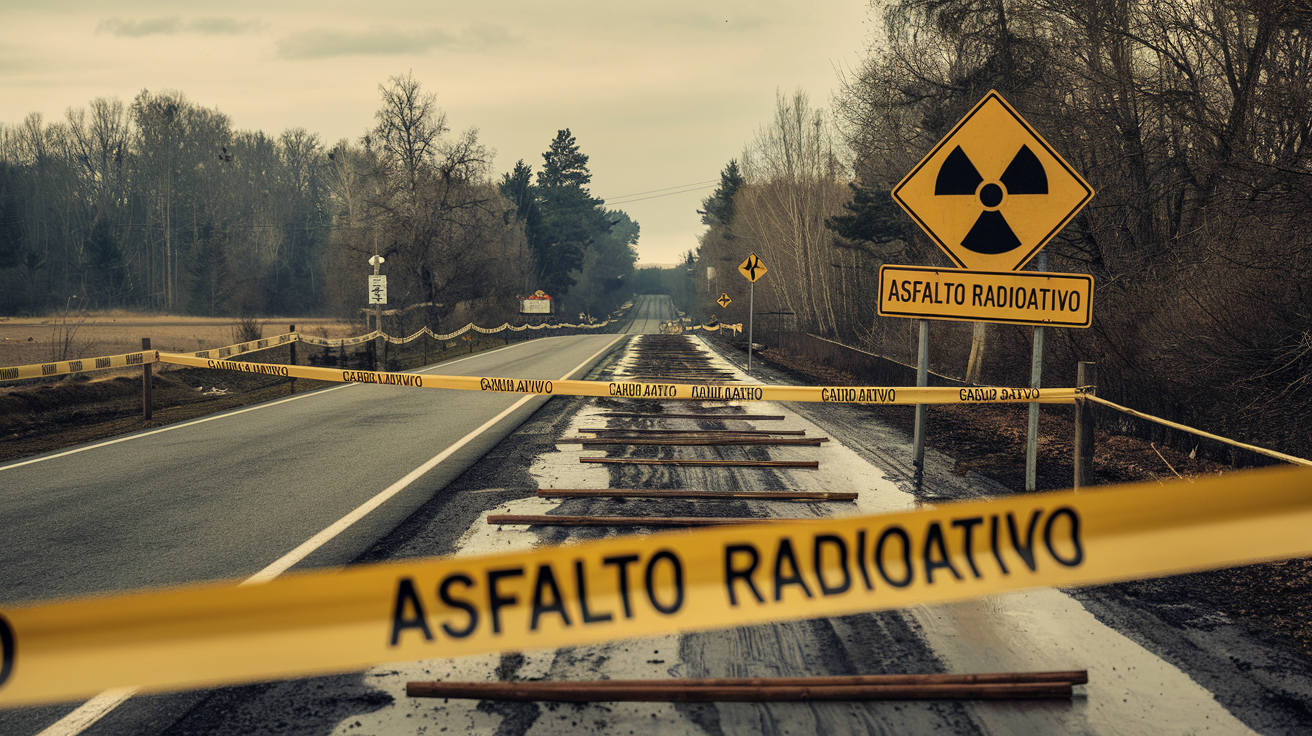

Use of Phosphogypsum, a Byproduct of Fertilizer Production, Concerns Experts Due to Radon Gas Release. Project Approved by the EPA Sparks Debate on Safety and Environmental Impacts.
Radioactive Asphalt? A road built with radioactive waste in the state of Florida, USA, has generated controversy and raised public health concerns. The material used, called phosphogypsum, is a byproduct of phosphoric acid used in fertilizer production. Despite being covered by a 10 cm asphalt layer, experts point to potential risks to human health due to radon gas release, which is associated with increased cancer risk. The issue gained prominence after the U.S. Environmental Protection Agency (EPA) approved a pilot project that utilizes this material. But is this innovation really safe? Let’s understand the details.
What is Phosphogypsum?
Phosphogypsum is a waste product generated during the production of phosphoric acid, an essential component for fertilizer manufacturing. The material contains traces of radium, a chemical element that decomposes and releases radon gas. This highly radioactive gas is known for its health risks, especially when inhaled in enclosed spaces.
Typically, phosphogypsum is stored in large piles designed to minimize human exposure. However, the pilot project approved by the EPA proposes a different application: using it in road construction, encapsulated by an asphalt layer.
-
Meta to Launch Arena, a New Prediction App Targeting 3.56 Billion Users, Competing with Polymarket and Kalshi

-
Scientist Challenges Famous Human Evolution Theory, Argues Homo Sapiens Evolved Gradually Over Thousands of Years
-
15-Year-Old American Builds Ocean Generator with PVC Pipe and 3D-Printed Propeller for $12, Wins National Prize, Presents at White House, and Makes Forbes 30 Under 30 List

-
$12 Billion Invested in AI Data Centers in Semi-Desert Mexican State, But 17 of 18 Municipalities Now Face Water Shortages, Residents Receive Water Only 3 Days a Week




The Test Road in Florida
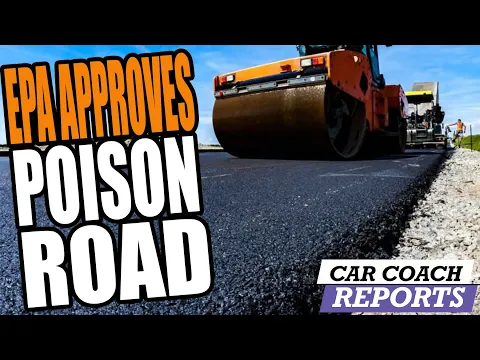
The pilot project, approved by the EPA, involves the construction of a two-lane road on private property in Florida. The road will have four sections containing phosphogypsum and another four made with conventional materials. Each section with phosphogypsum will be 152 meters long, while the sections without the material will measure 91.4 meters.
The EPA states that phosphogypsum will be encapsulated under a 10 cm asphalt layer, which theoretically would prevent direct contact with the radioactive material. Additionally, the project will be conducted in a controlled environment, reducing the risk of public exposure.

Why Use Phosphogypsum?
The idea of using phosphogypsum in road construction arises as an attempt to find a practical application for the material, which is typically discarded in giant piles. Besides freeing up storage space, this approach seeks to harness phosphogypsum as a resource instead of treating it merely as waste.
However, this proposal divides opinions. While some experts believe that encapsulating the material under asphalt is safe, others warn of long-term risks, including the gradual release of radon into the atmosphere.
Health Risks and Radioactive Asphalt
Despite the EPA’s assurances, the use of radioactive waste in road construction raises significant concerns. Radon gas, released during the decomposition of radium present in phosphogypsum, is extremely dangerous to human health. Prolonged exposure to radon has been linked to an increased risk of lung cancer, even at low concentrations.
Although the EPA downplays the risks, arguing that asphalt acts as an effective barrier, critics highlight that cracks or wear over time could compromise the safety of the encapsulation.
Political and Historical Context in the U.S.
The idea of using phosphogypsum in road construction is not new. In 2020, during Donald Trump’s administration, the EPA approved the use of the material in infrastructure projects. However, this approval was revoked by the government of Joe Biden, who raised concerns about the safety and environmental risks associated.
The pilot project in Florida represents a renewed effort to explore the potential of phosphogypsum. However, it faces resistance from environmentalists and public health experts who question the need to take risks with such a controversial material.
Benefits and Concerns of U.S. Authorities
Benefits
- Utilization of Waste: Using phosphogypsum reduces the need to create enormous disposal piles, freeing up space and minimizing storage costs;
- Reduced Cost: Incorporating the material into infrastructure can lower road construction expenses;
- Sustainable Proposal: The project explores ways to turn waste into useful resources.
Concerns
- Health Risks: Even under asphalt, the material can still release radiation over time;
- Environmental Impact: Exposure to phosphogypsum may affect air quality and soil in the vicinity;
- Future Damages: Cracks or failures in the encapsulation may release the radioactive material, exposing humans and animals to risks.
The Future of Phosphogypsum in Construction in the U.S.
The debate over the use of radioactive asphalt in road construction is far from over. As the pilot project advances, it is essential to monitor the results to determine the feasibility of this application on a large scale. Future studies will need to assess long-term impacts to ensure that economic and environmental benefits do not outweigh health risks in the U.S.
The case of the road in Florida is a reminder that innovative solutions must always be evaluated with caution, especially when they involve materials with significant potential impact. Public and environmental safety should be the priority in any infrastructure initiative.





