





 Portuguese
  English
  Spanish
 5 min of reading
  0 comments



40-Km Section Between Assis Chateaubriand and Toledo in Paraná Will Have Rigid Concrete Pavement, Overpasses, and Safety Improvements, in a Project Expected to Last 26 Months and That Promises to Reduce Maintenance and Increase the Durability of Highways.
The Paraná Department of Highways (DER/PR) published the notice to restore and widen, with rigid pavement, 40.09 kilometers of PR-239 and PR-317, between Assis Chateaubriand and Toledo, in the western part of the state.
The intervention includes the application of the whitetopping technique, three overpasses, and improvements in capacity, safety, and comfort for users.
The bidding will take place on December 12 on the compras.gov portal, in the integrated contracting modality; the total execution period is 26 months.
-
American Airlines starts selling trips as if they were flights, with check-in and baggage check at the airport, but on short routes, passengers board luxury buses connecting cities to major hubs in the U.S.

-
São Paulo surprises the world with a colossal railway network project that promises over 1,000 km of tracks, R$ 194 billion in investments, and 40 projects connecting the capital to the interior with fast and sustainable trains.

-
The world’s largest escalator, measuring 905 meters in China, reduces urban travel time from 1 hour to about 20 minutes and transforms mobility in mountainous regions with an engineering solution adapted to the terrain.

-
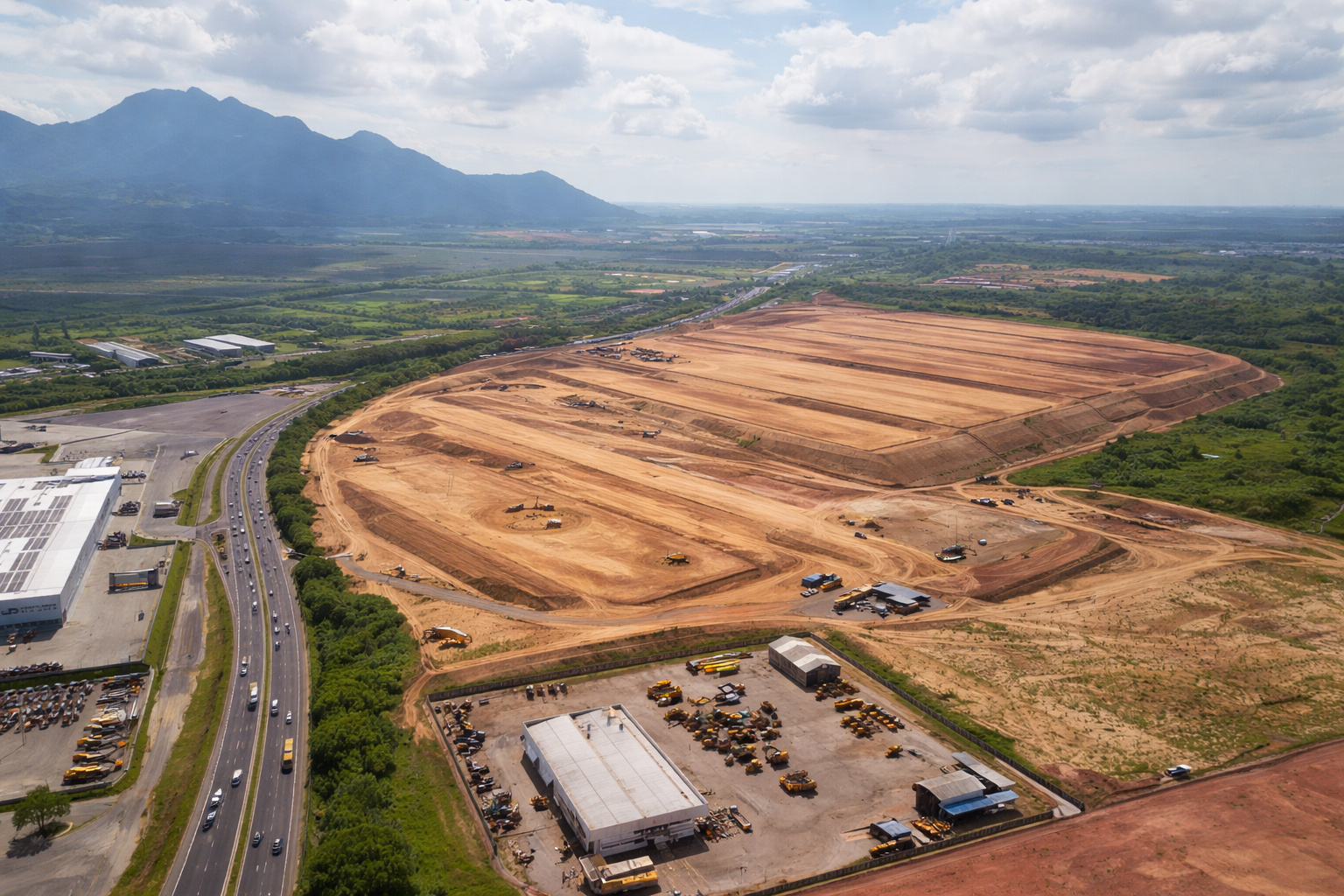
A R$ 300 million logistics giant is taking shape in Serra with over 100,000 m² and raises a question: how can this transform e-commerce and distribution in the state?

Concrete Pavement with Whitetopping
The project will adopt whitetopping, a method in which the existing asphalt surface receives corrections and serves as a base for a new layer of concrete.
The solution transforms the pavement into a rigid one, enhancing load resilience and reducing the frequency of typical asphalt maintenance.
The DER/PR classifies the work under the modernization program of the network and highlights that the agency is linked to the Infrastructure and Logistics Secretariat (SEIL).
In a statement, the state Secretary of Infrastructure and Logistics, Sandro Alex, stated: “This is excellent news for the 200,000 residents of Toledo and Assis Chateaubriand and for the entire productive sector. The new concrete pavement will bring more safety and less need for maintenance over the next 20 years, ensuring comfort for users and competitiveness for producers.”
Widening of Lanes, Third Lanes, and Marginals
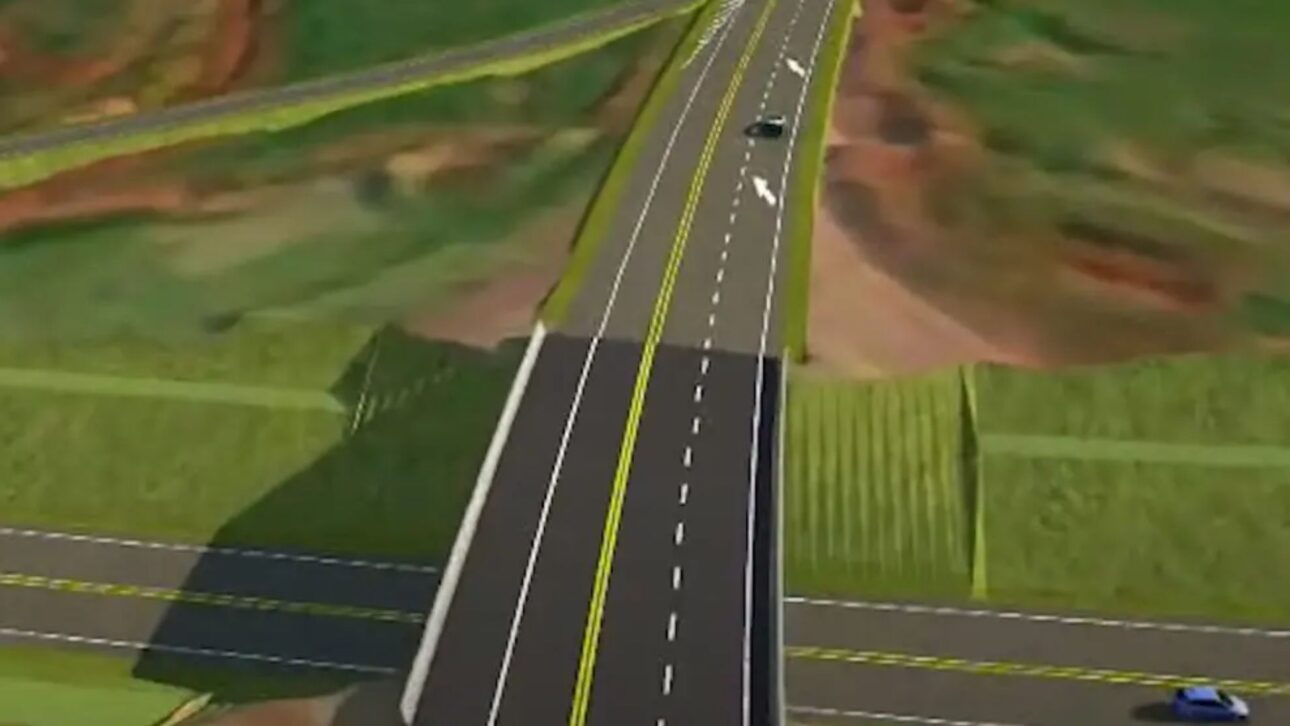
The restoration will be accompanied by geometric widening.
The traffic lanes will be widened to 3.6 meters, with external shoulders of 2.5 meters.
5.7 kilometers of third lanes are planned at five critical overtaking points and 2.2 kilometers of marginal roads in the urban area of Assis Chateaubriand, in both directions.
The marginals will feature two lanes of 3.5 meters and sidewalks of 2 meters.
The preliminary project also includes horizontal and vertical signage, road safety devices, lighting at intersections and marginals, bus shelters, accessibility ramps, and landscaping.
Three Overpasses for Safer Intersections
The package includes three overpasses at high traffic points.
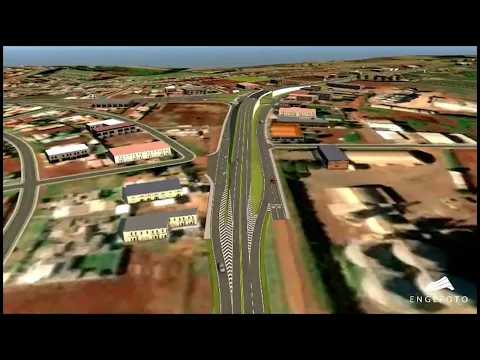
The first will be at km 591 of PR-239, at the junction with Avenida Tupãssi, within Assis Chateaubriand; the road will be elevated, and a roundabout under the overpass will connect the marginal roads.
The second will be installed at km 612 of PR-239, at the entrance to PR-581 towards Tupãssi, with the lowering of PR-581 and trumpet-shaped ramps.
The third overpass will occur at the junction of PR-317 with PR-182, in Toledo, with elevation of PR-182 and a roundabout under the new structure.
The Director-President of DER/PR, Fernando Furiatti, explained that the preliminary project studies identified these three solutions as the most appropriate to ensure traffic flow, safety, and agility at the grade-separated intersections, and that the executive projects may confirm them or suggest even more efficient alternatives.
Integrated Contracting and Project Schedule
The notice uses integrated contracting, bringing together project development and service execution.
The bidding session is scheduled for December 12 on the federal government’s portal (compras.gov).
The budget remains confidential, according to federal bidding legislation, so that bidders can formulate prices based on the technical analysis of the documents.
The overall timeframe of 26 months is divided into six months for basic and executive projects and 20 months for field services.
Why Concrete? Durability and Maintenance
In addition to modernizing the stretch, the choice of concrete pavement aims for benefits in the investment life cycle.
Sector technical references indicate a service life of 20 to 30 years for rigid pavements, with minimal maintenance based on the selective replacement of slabs, while asphalt often requires resurfacing at much shorter intervals.
In comparative studies, whitetopping is associated with a minimum service life of 20 years, whereas CBUQ-type bituminous coverings may require significant interventions within 10 years, depending on traffic and weather conditions.
In its own announcement, the Government of Paraná refers to less need for maintenance over 20 years in the segment between Assis Chateaubriand and Toledo, aligning performance expectations with the choice of concrete.
In heavy traffic environments and the presence of cargo vehicles — a reality of regional connections in the West — rigid pavement typically shows greater resistance to wheel tracks and temperature variations, providing a direct benefit to safety.

Impacts for Users and Producers
Alongside the capacity increase — widening of lanes, third lanes, and marginals — the grade-separated structures are expected to reduce conflicts at intersections, potentially shortening travel times and the logistical costs of agricultural and industrial flow from Toledo, Assis Chateaubriand, and neighboring municipalities.
The execution under integrated contracting may also shorten the transition between project and work, provided that the licensing stages, land expropriations, and network interferences occur as planned.
The DER/PR centralizes these fronts under a single contract, which usually improves technical coordination.
What Comes Next
With the notice published, interested companies will analyze the preliminary project and its annexes to prepare technical and pricing proposals.
Once the winning bidder is defined, the contractor will develop the basic and executive projects and subsequently initiate the implementation of whitetopping, the construction of overpasses, and the other improvements.
Throughout the process, the disclosed schedule anticipates 26 months until completion, encompassing the project phase and field services.
The Secretariat emphasizes that the confidential budget adheres to the bidding regulations, a practice used to mitigate price alignments and protect public interest.
How can the adoption of concrete and grade-separated intersections transform your travel time and safety in day-to-day life between Assis Chateaubriand and Toledo?








-

Uma pessoa reagiu a isso.