





 Portuguese
  English
  Spanish
  4 min of reading
  0 comments


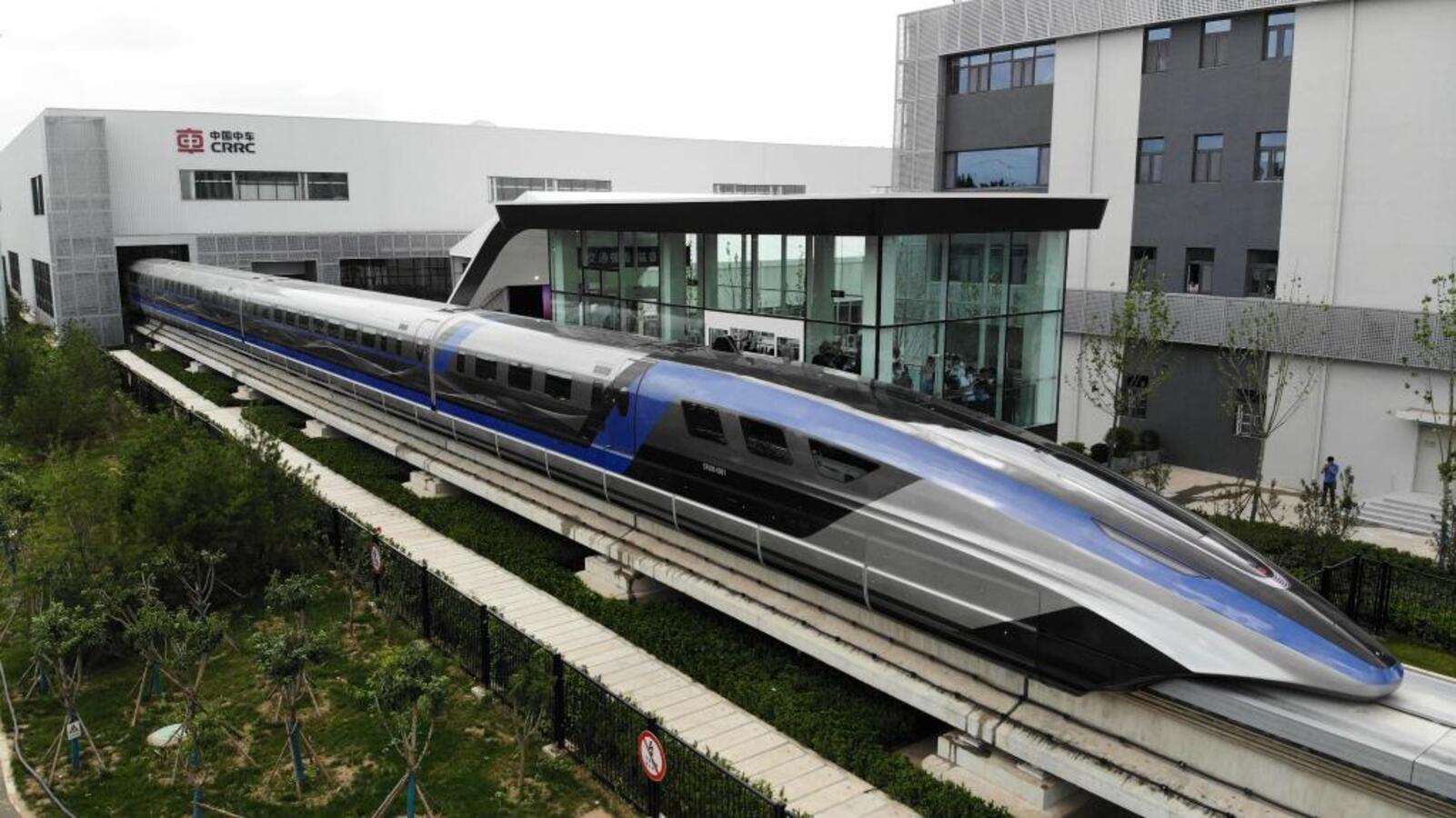
Technology Created by Chinese Engineers Reduces Tunnel Boom by Up to 96%, Main Obstacle for 600 km/h Maglev Trains
Chinese railway researchers say they have solved one of the biggest obstacles to the commercial operation of high-speed magnetic levitation trains: the boom caused when exiting tunnels.
The noise, compared to thunder, arises from a pressure explosion that disturbs residents, animals, and operators living near the tracks.
The solution involves installing a 100-meter sound absorption buffer at the tunnel entrance. This system, according to lab and field tests, reduces pressure fluctuations caused by the passage of the train at 600 km/h by up to 96%.
-
Engineers rewrote all the apps from scratch and bet everything on a buttonless screen: now the creator of the iPhone says that Apple needs to make the same revolution again because of AI.

-
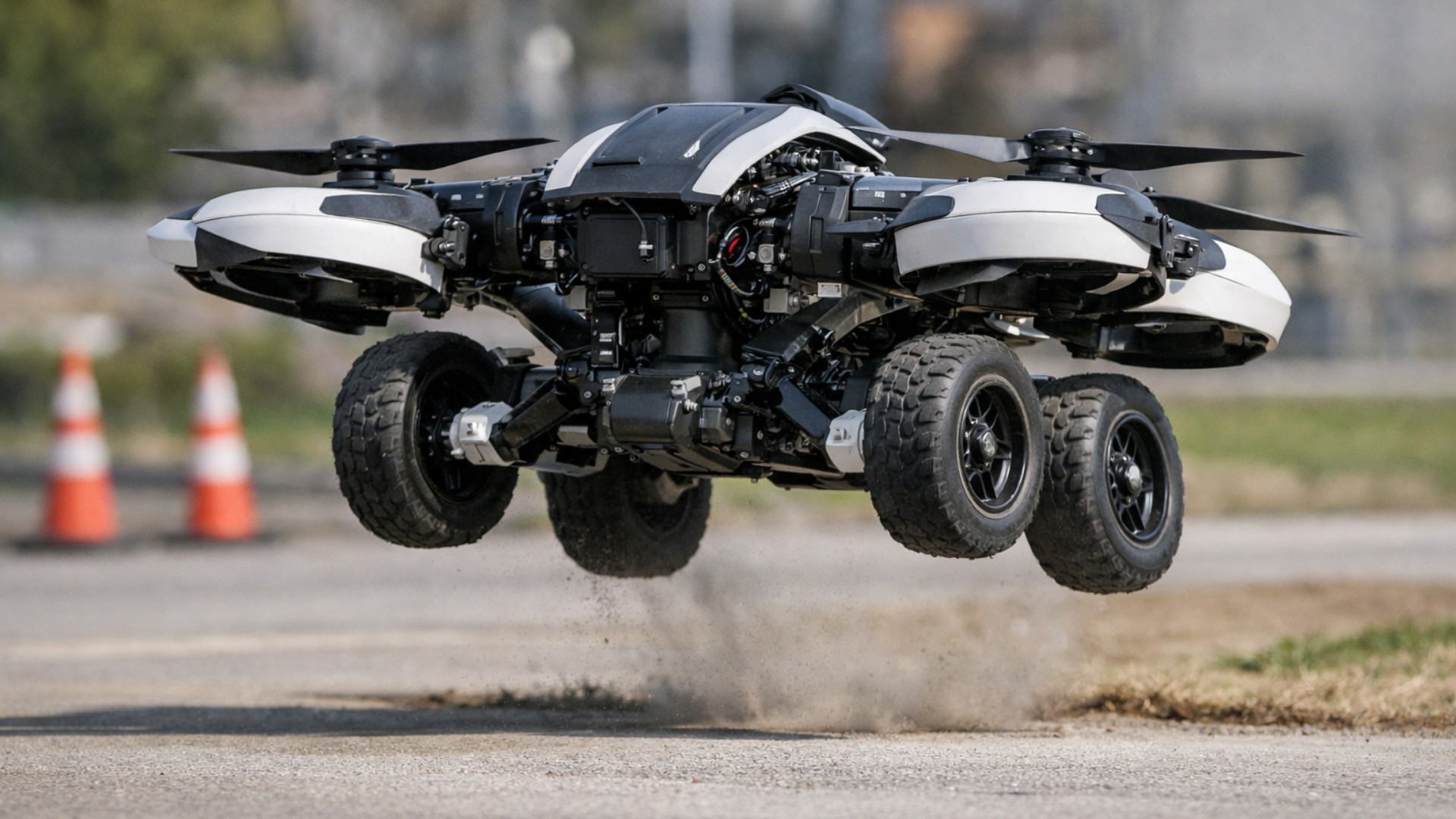
Researchers in the U.S. have created a flying robot that transforms into a land vehicle while still in the air. The technology, based on aerodynamic transition, converts landing into a scene worthy of Transformers and redefines mobility between sky and ground.
-
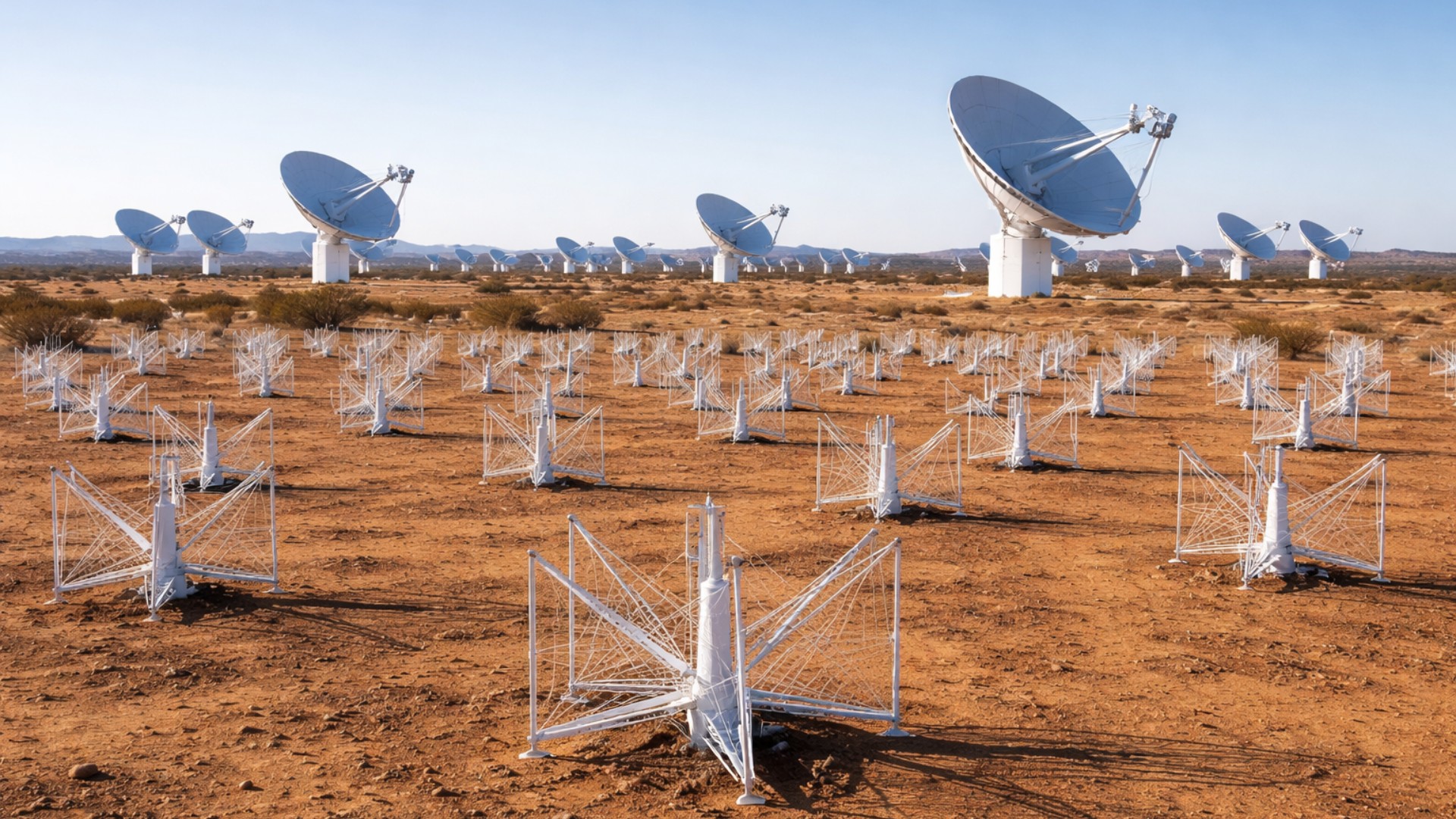
Spread across two continents, with 197 parabolic antennas in South Africa, 131,000 2-meter antennas in Australia, and a range of up to 150 km, the SKA begins to “listen” to the Universe on an unprecedented scale and accelerates the search for black holes, primitive galaxies, and nearly invisible radio signals.
-
Goodbye batteries: a new sensor created by Japanese scientists uses sweat as an energy source and points to a promising path for more sustainable devices, with greater autonomy and less need for frequent recharging.


What Causes the Boom
When a high-speed train enters a tunnel, it acts like a piston, pushing the air in front of it.
This compressed air collides with the external environment upon exiting, creating a bang. This effect is what technicians refer to as the “tunnel boom.”
The most important thing is that the problem worsens as the train’s speed increases. In maglev trains at 600 km/h, the boom can occur in tunnels as short as 2 kilometers.
In comparison, conventional trains at 350 km/h require tunnels of 6 kilometers for the same effect to occur.
To overcome this, Chinese engineers developed a damper made from lightweight, porous material.
Additionally, they lined the first sections of the tunnel wall with a similar material. This combination allows air to escape before the train reaches the end of the tunnel, functioning similarly to a firearm suppressor.
Tests Indicate Success
In the initial tests conducted, peak pressure dropped to nearly normal levels. According to the project’s leaders, the system is simple, does not significantly increase construction costs, and can be easily replicated.
This represents an important advance toward making the 600 km/h maglev feasible on a large scale.
While traditional trains face physical limits due to friction between wheels and tracks, magnetic levitation trains float a few millimeters above the guide, avoiding this contact.
This enables much higher speeds, provided that aerodynamic problems, such as air compression in tunnels, are resolved.
New Phase for Maglevs in China
The pressure relief structure will be used in the new model from China Railway Rolling Stock Corporation, launched in 2021.
The train was designed to operate continuously at 600 km/h, making it the fastest in the world in its category.
Currently, China has only one maglev train in operation. It connects Shanghai’s airport to the city center, using German Transrapid technology. Despite reaching 460 km/h, the line covers only 30 kilometers.
For years, the country prioritized expanding its network of conventional high-speed trains, now totaling 48,000 kilometers.
However, authorities are once again betting on maglev, believing that its silent, wheel-free operation can compete with domestic flights on busy routes like the Beijing-Shanghai axis.
Advantages Over Airplanes
If the new line is built, the maglev train could cover the route in about 2.5 hours. This time is equivalent to that of a complete air travel experience, considering travel to the airport, check-in, boarding, and disembarking.
Additionally, the operation of the maglev would allow for a reduction in air travel costs by half and decrease carbon emissions by up to seven times. This would also alleviate overcrowded airports.
Although no route has been officially approved, some provinces are pressuring the central government for the first commercial line of the 600 km/h maglev.
Divided International Scene
China is not the only country investing in magnetic levitation trains. Japan is working on the Chuo Shinkansen, a train aimed at connecting Tokyo to Osaka at 505 km/h.
The journey, currently taking 2.5 hours, would drop to just 67 minutes. However, delays in construction threaten the planned debut for 2027.
South Korea is already operating two shorter maglev services. In the United States, on the other hand, the only federally supported project has been canceled.
Transportation Secretary Sean Duffy suspended the subsidies after nearly ten years of planning without results, high local opposition, and out-of-control costs.
Therefore, the Chinese solution to reduce tunnel boom could become a game changer. If large-scale tests confirm the initial results, the country will be closer to launching a viable and clean alternative to short-distance air travel.
With information from Interesting Engineering.







Seja o primeiro a reagir!