





 Portuguese
  English
  Spanish
  3 min of reading
  0 comments


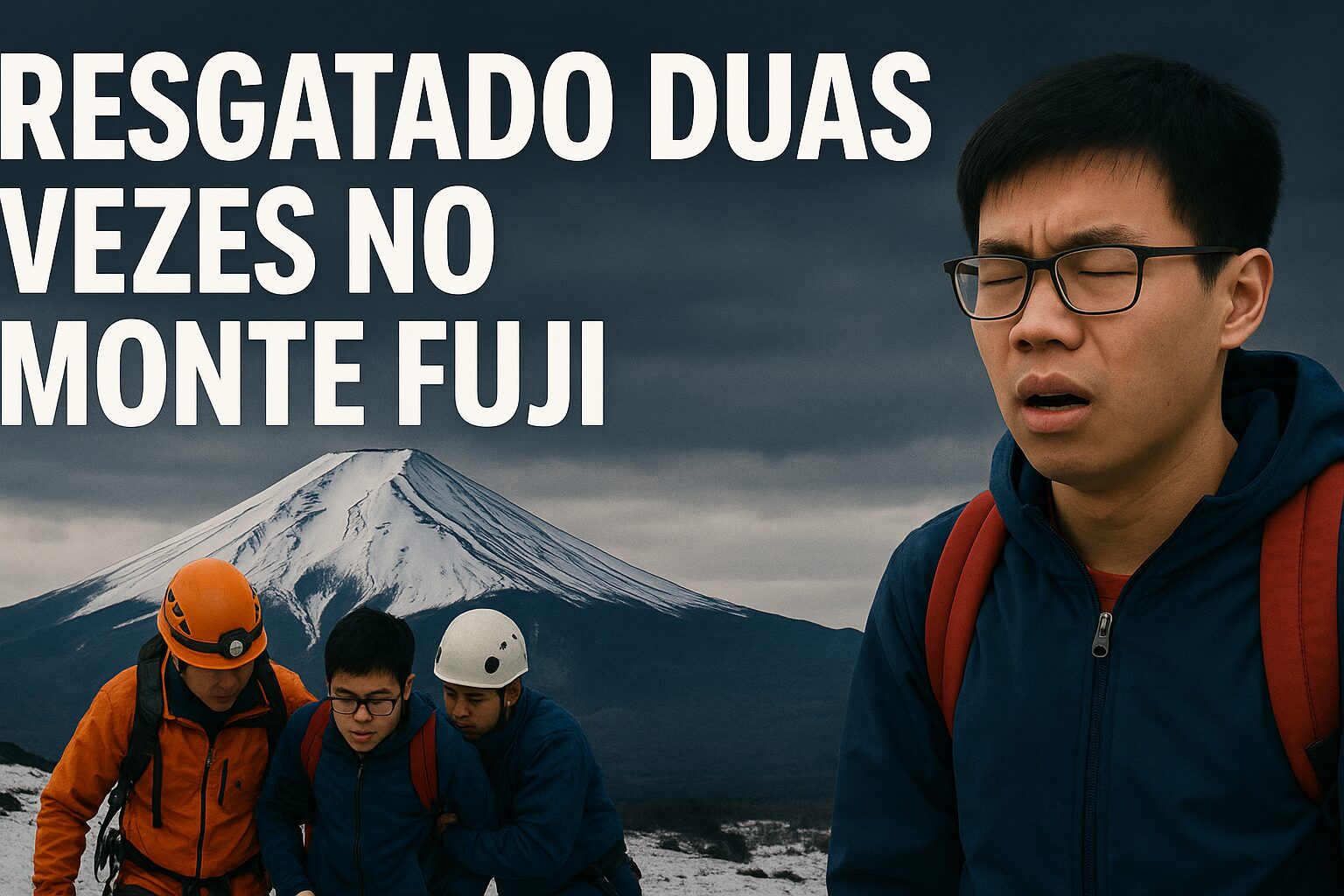
27-Year-Old Chinese Student Rescued Twice From Mount Fuji After Ignoring Off-Season Climbing Dangers — All Because of a Cell Phone
A Japanese student needed to be rescued twice on Mount Fuji, the highest mountain in Japan. After being saved the first time, he surprised the rescue teams by returning alone to the trail to retrieve his cell phone — and ended up having to call for help again.
Last week, an unusual case put Japanese authorities on alert. A 27-year-old Chinese student needed to be rescued twice from Mount Fuji, the highest point in Japan.
The first time occurred after the young man fainted from altitude sickness. The second time, days later, when he returned to the mountain to retrieve his cell phone.
-
Luciano Hang revealed that Havan’s air fleet has already accumulated more than 20,000 landings, 10,000 flight hours, and 6 million kilometers traveled, and he says that without the planes, the company would never have grown so quickly.

-
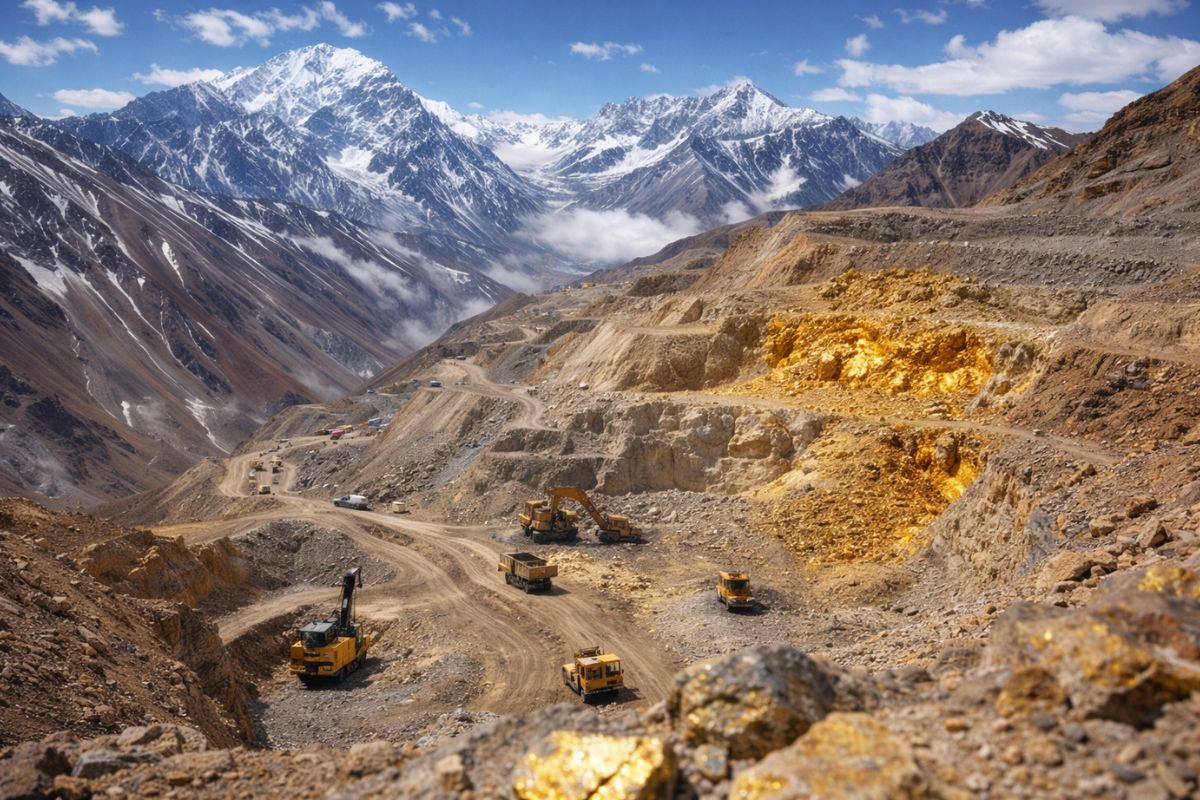
A historical discovery in the Andes Mountains reveals a gold deposit valued at 770 billion reais hidden over 4,000 meters above sea level on the border between Chile and Argentina, and the whole world is watching.
-
With just joint compound, white glue, and pigment, you can make a homemade paint that yields double the conventional amount, saves up to 70%, and leaves the wall with a finish that no one would believe wasn’t store-bought paint.

-
Home environment can influence the brain, mood, and well-being: studies indicate an increase of up to 15% in productivity, a reduction of 12% in stress with plants, and a direct impact of the circadian rhythm on the 24 hours of the day.


First Rescue: Altitude and Carelessness
Mount Fuji, at 3,776 meters high, is known for attracting hundreds of thousands of visitors annually.
But not everyone can face it, especially off-season, which runs from July to early September.
During this period, there are guides, medical facilities, and properly marked trails.
Even so, the Chinese student decided to climb the mountain in April, when the conditions are hostile, with snow, strong winds, and frozen trails.
He chose the Fujinomiya trail, one of the most well-known routes, but lost his crampons — metal spikes used for walking on ice — and was unable to descend.
With the heightened risk, rescue teams used a helicopter to retrieve him from an altitude of 3,000 meters.
Despite the conditions, the rescue was considered standard. However, the story was far from over.
Second Rescue: Returning for a Cell Phone
Four days later, to the surprise of authorities, the same student returned to the mountain.
According to the police in Shizuoka Prefecture, he decided to recover personal items forgotten at the summit, including his cell phone.
Once again, altitude sickness hit him. Without assistance or proper preparation, he suffered physically and needed to be rescued again.
Authorities confirmed that the student was okay, but the case generated a strong reaction across the country.
Off-Season Tourism Challenges Authorities
Mount Fuji is a national symbol and a tourist destination of enormous appeal.
The search for the sunrise at the mountain’s summit, known as “Goraiko,” attracts thousands of people. However, the excess of unprepared visitors, especially outside the recommended season, has raised concerns.
Outside the official period, the scene changes drastically. Huts are closed, signage is removed, and risks increase.
Experienced hikers recognize the danger, yet many still insist on tackling the climb without knowledge or proper equipment.
Stricter Measures to Protect the Mountain
In response to cases like that of the Chinese student, authorities from the Shizuoka and Yamanashi Prefectures announced important changes for the next climbing season.
From now on, anyone wishing to climb Mount Fuji will have to pay a mandatory fee of ¥ 4,000 (about US$ 28) and book online.
The maximum number of climbers per day will be limited to 4,000 — a significantly stricter limit than in previous years.
Additionally, a safety course and passing a basic test on trail rules and risks will be required. There will also be a curfew: from 2 PM to 3 AM, only those staying in official shelters may remain on the mountain.
For Yamanashi Governor Koutaro Nagasaki, these actions are essential to preserve the mountain. “By strongly promoting comprehensive safety measures for climbing Mount Fuji, we will ensure that Mount Fuji, a treasure of the world, is passed on to future generations,” he stated to CNN.







Seja o primeiro a reagir!