





 Portuguese
  English
  Spanish
  4 min of reading
  0 comments


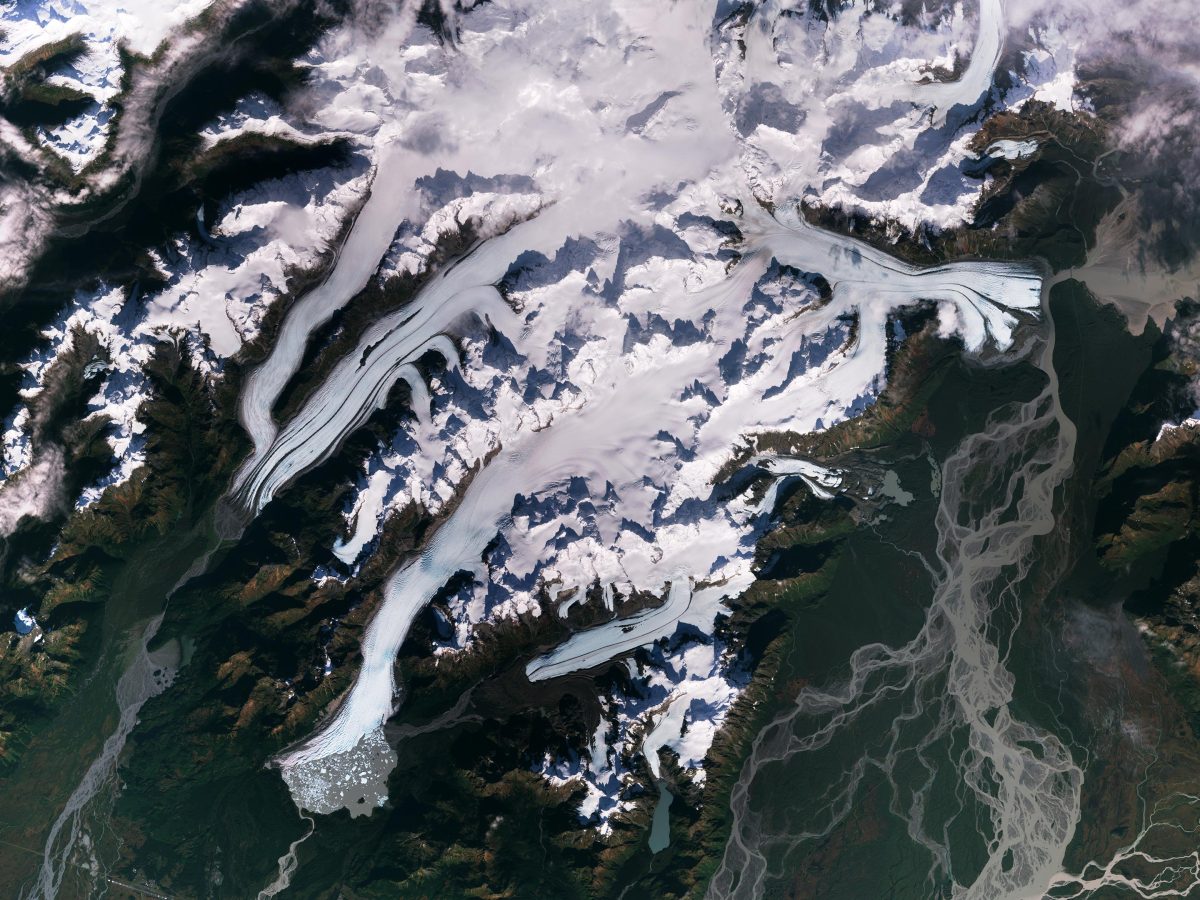
The Melting of Glaciers Advances Alarmingly, Affecting Ecosystems, Coastal Communities and Increasing the Challenges of Climate Change on the Planet
The glaciers of the world are melting at an alarming rate. Since 2000, about 5% of the total ice mass has been lost, with significant differences between regions. While the glaciers of the Antarctic and Subantarctic Islands have lost 2% of their mass, in Central Europe the reduction has reached 39%.
Each year, approximately 273 billion tons of ice disappear. The rate of loss has increased by 36% between the periods of 2000–2011 and 2012–2023. This melting has a direct impact on sea level, which has already risen 18 millimeters as a consequence of this reduction in glaciers.
International Research Reveals Worrying Data
A global study led by the World Glacier Monitoring Service (WGMS) at the University of Zurich analyzed the loss of mass from glaciers between 2000 and 2023.
-
Researchers in the U.S. have created a flying robot that transforms into a land vehicle while still in the air. The technology, based on aerodynamic transition, converts landing into a scene worthy of Transformers and redefines mobility between sky and ground.

-
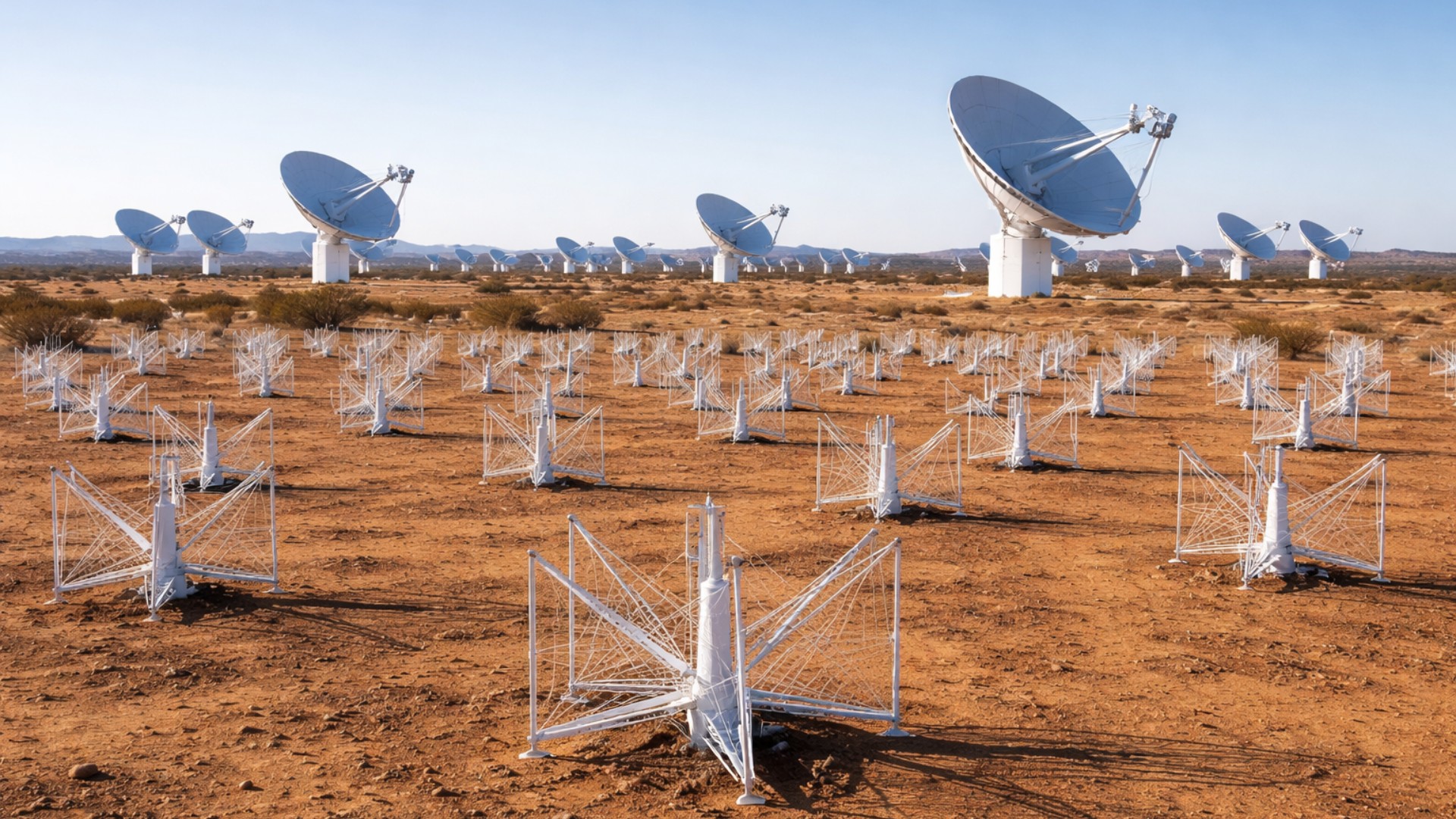
Spread across two continents, with 197 parabolic antennas in South Africa, 131,000 2-meter antennas in Australia, and a range of up to 150 km, the SKA begins to “listen” to the Universe on an unprecedented scale and accelerates the search for black holes, primitive galaxies, and nearly invisible radio signals.
-
Goodbye batteries: a new sensor created by Japanese scientists uses sweat as an energy source and points to a promising path for more sustainable devices, with greater autonomy and less need for frequent recharging.

-
The Brazilian Army inaugurated the assembly line for the Guaicurus armored vehicle with a contract for 420 units by 2033, and the same vehicle has already been tested in combat in Afghanistan and Lebanon by European armies.


Scientists collected and compared different measurement methods, such as field observations and satellite images, to create an accurate overview of what is happening with glaciers in various regions of the planet.
The research involved 450 experts from 35 teams and generated 233 estimates of ice mass loss. The study also allowed for a better understanding of regional variations and differences between observation methods, helping to improve future projections.
Michael Zemp, a professor at the University of Zurich and leader of the study, highlighted that the combination of different scientific approaches brought new perspectives on the phenomenon. “By combining the advantages of different observation methods, GlaMBIE provides not only new insights into regional trends and year-to-year variability. We also identified differences between observation methods, which is an opportunity to better understand and improve future estimates,” he stated.
The Impact on Freshwater and Sea Level
The total ice loss between 2000 and 2023 reached 6.542 billion tons. Each year, the reduction of 273 billion tons of ice adds 0.75 mm to the global sea level. Currently, glaciers are the second largest factor in sea level rise, following only the warming of the oceans.
The melting also affects the supply of freshwater. In some regions, such as Central Asia and the Central Andes, glaciers are essential sources of drinking water during dry seasons.
Scientist Inés Dussaillant from the University of Zurich emphasized that these areas heavily depend on seasonal melting of ice. “Glaciers are vital freshwater resources, especially for local communities in Central Asia and the Central Andes, where glaciers dominate runoff during warm and dry seasons,” she said.
In addition to the direct impact on water supply, melted ice from regions like the Arctic and Antarctica plays a significant role in sea level rise. It is estimated that about 25% of the glaciers’ contribution to this increase comes from Alaska.
Melting Glaciers: Projections and Challenges
The study was released at a critical moment, on the eve of the International Year of Glacier Preservation in 2025 and the Decade of Action for Cryospheric Sciences (2025-2034), promoted by the United Nations.
The dataset raised by researchers will serve as a basis for future studies, helping to refine projections about ice melting and its effects.
Climate models indicate that the trend of glacier mass loss will continue in the coming decades. In some scenarios, the process may even accelerate. Samuel Nussbaumer, a glaciologist at the University of Zurich and manager of the GlaMBIE project, highlighted that the research reinforces the urgent need for concrete actions to mitigate climate change.
“This supports the call from the Intergovernmental Panel on Climate Change for urgent and concrete actions to reduce greenhouse gas emissions and the associated warming to limit the impact of glacier wastage on local geological risks, regional freshwater availability, and global sea level rise,” stated Samuel.
The Weight of Environmental Decisions
The acceleration of ice loss from glaciers reinforces the scientific community’s warning about the risks of climate change. If nothing is done to curb global warming, the impacts will become increasingly severe.
The rise in sea level endangers millions of people living in coastal areas, while the reduction in water resources threatens entire populations.
The study led by the WGMS shows that science has the tools to measure and predict changes, but political and economic decisions will be decisive for the future of the planet.
The scenario is challenging, but there is still time to reduce damage and protect glaciers, fundamental sources of freshwater and global climate balance.
With information from Sci Tech Daily.





-

Uma pessoa reagiu a isso.