





 Portuguese
  English
  Spanish
  5 min of reading
  0 comments



New International Study Indicates That the Human Brain Reaches an Overlooked Peak Between 55 and 60 Years, When Experience, Crystallized Intelligence, Empathy, and Emotional Self-Control Combine for More Thoughtful Decisions in Family, Career, Finances, and Life Planning in Maturity Breaking Myths About Aging and Cognitive Decline
An international study gained attention for pointing out that the human brain can reach its peak between 55 and 60 years, and not just in youth. The research indicates that during this phase, abilities such as emotional intelligence, empathy, and practical wisdom tend to be more consolidated, favoring more thoughtful decisions and more consistent life strategies.
Far from the idea of automatic decline with aging, the study describes a scenario of cognitive and emotional maturation, where experience and reflection gain prominence. The central conclusion is that the human brain in maturity is no longer just slower but becomes more strategic, integrating reasoning, life memory, and reading of one’s own and others’ emotions.
Why the Human Brain Reaches Its Peak Between 55 and 60 Years
When stating that the human brain reaches its peak between 55 and 60 years, it is not just about measuring memory or speed of reasoning.
-
Novo drone Guardian debuts in the United States with an 8-mile range, robotic battery swapping, and Starlink connectivity for continuous response.

-
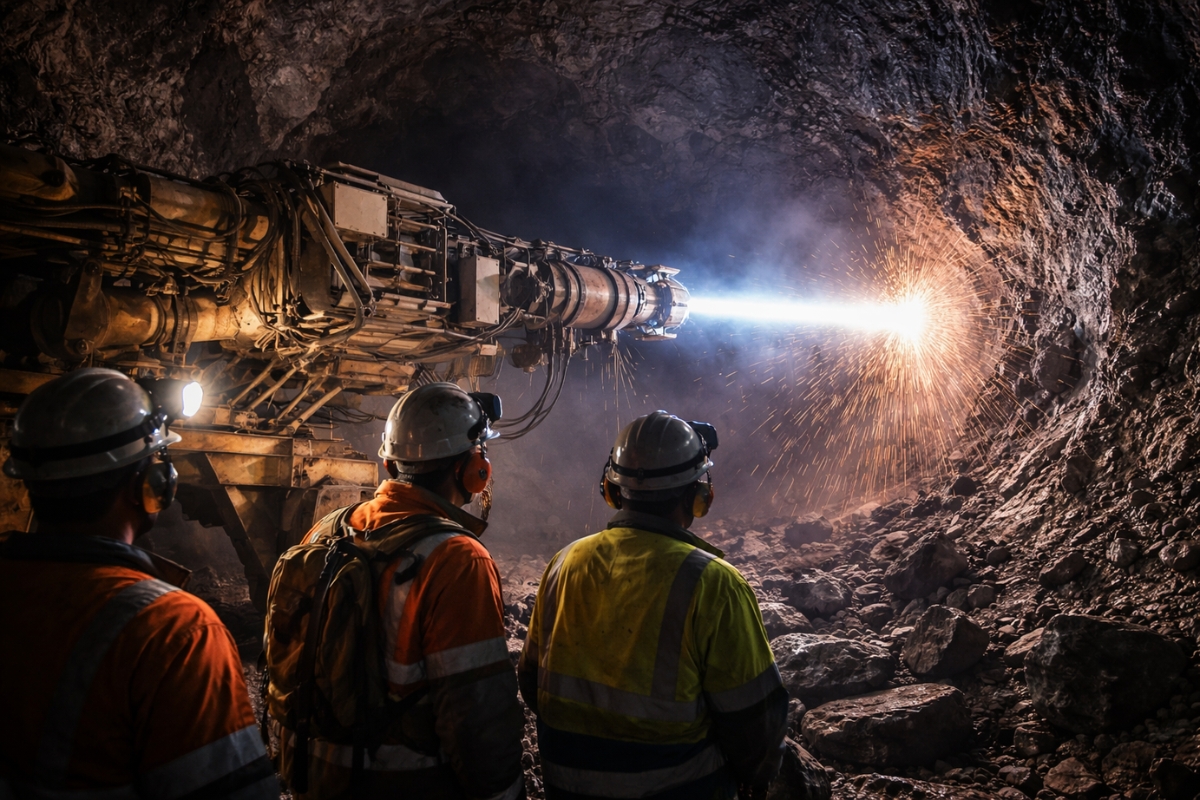
100 kW megalasers are already pointing to a new industrial phase, with enough power to cut thick steel, drill through rocks, accelerate mining, and increase productivity in operations previously considered too difficult.
-
Thousands of people in poor countries are paid cents to film household tasks, label images, and operate systems remotely all day long, and this invisible work fuels a $17 billion market that trains the artificial intelligences of Google, Tesla, and Meta.

-
Technology created in the United States uses deep drilling to store high-level nuclear waste.


The main focus is on crystallized intelligence, linked to accumulated experience and the ability to interpret complex situations based on years of personal and professional experiences.
This crystallized intelligence involves a repertoire of reading, study, work, crises faced, and conflicts managed.
It allows the human brain to make a finer reading of family, corporate, and social contexts, identifying emotional nuances and anticipating risks.
Instead of impulsive responses, there is a pattern of more careful decision-making, concerned with short- and long-term effects.
In practice, the brain in this age range tends to integrate reason, emotion, and life history.
This translates into more balanced decisions about finances, career, health care, and interpersonal relationships.
The research indicates that between 55 and 60 years, many people become less reactive and more analytical, better articulating what they feel, what they know, and what they intend to avoid.
Fluid Intelligence, Crystallized Intelligence, and the Timeline of the Human Brain
The report differentiates two main axes of performance of the human brain: fluid intelligence and crystallized intelligence.
Fluid intelligence, associated with cognitive agility and quick resolution of novel problems, tends to peak between 20 and 30 years. It is during this phase that young people respond more quickly to new stimuli, absorb instructions in a short time, and adapt quickly to abrupt changes in context.
On the other hand, crystallized intelligence does not follow the same curve.
It continues to grow throughout life, supported by years of study, reading, professional practice, and various social interactions.
This includes skills such as an expanded vocabulary, strategic vision, conflict management, and greater tolerance for frustrations, characteristics that emerge more strongly precisely in the 55 to 60 year range.
The study also describes a sort of timeline of abilities. Quick reasoning tends to exhibit better performance between 18 and 22 years.
Physical performance, which articulates body and brain for intense activities, tends to remain high between 20 and 30 years.
Traits such as kindness seem to reach a peak around 50 years, associating emotional maturity and the ability to see the other’s perspective.
Meanwhile, moral reasoning, linked to ethical reflection and a sense of justice, tends to stand out even later, around 75 years.
How Activities After 50 Strengthen the Human Brain
The study also emphasizes that the peak of the human brain between 55 and 60 years is not automatic.
It largely depends on how the person has built habits over the previous decades.
Activity centers for people aged 50 and over are cited as strategic environments for preserving and enhancing cognitive capabilities, as they combine movement, social interaction, and continuous learning.
In these spaces, routines usually include physical, mental, and social practices that work as a global training for the brain.
Among the activities frequently associated with the maintenance and strengthening of cognitive functions are:
Physical practices such as gymnastics, weight training, walking, and dancing, which promote circulation, cardiovascular health, and, indirectly, oxygenation of the human brain.
Workshops and short courses, including reading groups, logic games, and discussion circles, which stimulate memory, attention, language, and argumentation.
Artistic activities, such as music, painting, and crafts, that enhance creativity, mental flexibility, and openness to new forms of expression.
Structured social interaction, with group projects and support networks, which help prevent isolation and loneliness, factors often associated with poorer cognitive performance in old age.
The message of the study is clear: the way the human brain reaches 55 to 60 years is the result of decades of choices involving movement, sleep, diet, chronic disease management, and intellectual stimulation.
A sedentary lifestyle, constant stress, and little social interaction tend to reduce the potential of this peak.
About the Peak of the Human Brain Between 55 and 60 Years
Does taking care of health before 50 lead to better cognitive performance at this peak?
Yes. Habits such as regular physical activity, balanced diet, quality sleep, and chronic disease management favor better performance of the human brain in the range of 55 to 60 years, according to the study.
Does learning new things after 60 still make a difference?
It makes a difference. Learning languages, playing an instrument, participating in courses, workshops, or reading groups stimulates new neural connections and helps keep the human brain more active, plastic, and responsive, even after age 60.
Can constant stress hinder this peak performance?
Elevated and prolonged stress levels are associated with difficulties in memory, attention, and emotional regulation. This can limit the full expression of the capabilities of the human brain precisely when experience reaches its highest point. Stress management techniques become part of cognitive care.
Does everyone reach peak cognitive performance exactly between 55 and 60 years?
No. The range between 55 and 60 years represents an average observed in the analyzed sample. Genetic factors, lifestyle, educational background, socioeconomic context, and health conditions can advance, delay, or reduce this peak for each individual, without a unique and fixed age.
In light of this new view of the human brain, do you think society fully leverages the experience of people between 55 and 60 years in making important decisions in companies, governments, and families?








-

-

-

-

-

17 pessoas reagiram a isso.