





 Portuguese
  English
  Spanish
  2 min of reading
  0 comments


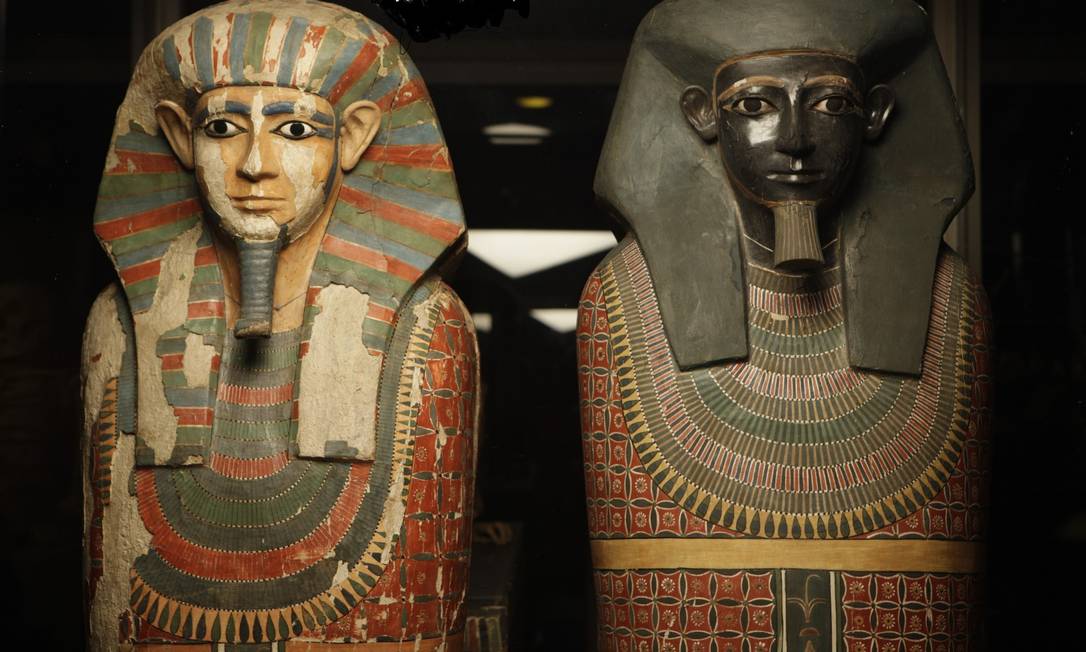
Researchers Analyze The Smell Of Egyptian Mummies, Revealing Woody And Sweet Aromas, And Discover Clues About Mummification Rituals
A study published in the Journal of the American Chemical Society revealed a curious approach to assessing the state of preservation of Egyptian mummies: the smell. Researchers analyzed the aromas emitted by mummies up to 3,500 years old, finding surprisingly familiar notes.
Ancient Odors Reveal Secrets
Scientists investigated the smell of nine mummies preserved in the Egyptian Museum in Cairo, dated between 1500 BC and 500 AD.
Some were wrapped in fabric, others encased in sarcophagi made of wood or stone. The analysis was conducted using small tubes and pumps that captured the air around the bodies.
-
Friends have been building a small “town” for 30 years to grow old together, with compact houses, a common area, nature surrounding it, and a collective life project designed for friendship, coexistence, and simplicity.

-
This small town in Germany created its own currency 24 years ago, today it circulates millions per year, is accepted in over 300 stores, and the German government allowed all of this to happen under one condition.

-
Curitiba is shrinking and is expected to lose 97,000 residents by 2050, while inland cities in Paraná such as Sarandi, Araucária, and Toledo are experiencing accelerated growth that is changing the entire state’s map.

-
Tourists were poisoned on Everest in a million-dollar fraud scheme involving helicopters that diverted over $19 million and shocked international authorities.


A Mix Of Aromas
The results showed a complexity of odors:
- Seven of the nine mummies had a woody and spicy aroma.
- Five had a sweet smell.
- Three emitted notes similar to incense.
But not everything was pleasant. Some emitted musty and rancid odors, diminishing the impact of time and preservation conditions.
For scientists, these smells reflect the complexity of the composition and substances used in mummification.
Sources Of Odors From The Mummies
The researchers identified four main sources for the aromas of the mummies:
- Mummification Materials – Substances such as resins, oils, and herbs used in embalming.
- Microorganisms – An explanation caused by microbes over the centuries.
- Synthetic Repellents – Modern products applied for preservation.
- Vegetable Oils – Used in antiquity to preserve bodies.
These combined elements developed a unique olfactory identity for each mummy, allowing for a detailed analysis of the funerary techniques employed.
Familiar Smell In A 3,500-Year-Old Body
The research brought surprises. According to Dr. Cecilia Bembibre, co-author of the study, the smell of some mummies reminded her of something quite common: tea.
“Just the idea that you can put your nose in this small tube and smell the aroma of a mummified body with 3,500 years of history, and then, most surprisingly, smell something as incredibly familiar as tea… It was astonishing,” she told The Guardian.
Scientists know that these odors do not exactly reflect the original smell of the time, as factors like oxidation and variations have modified the compounds over time.
However, the data helps to better understand the funerary rites of Ancient Egypt and the variations in embalming processes.
A New Window To The Past
This innovative approach offers a non-invasive method to study mummies, without the need to open sarcophagi or remove preserved materials.
In addition to revealing details about mummification, olfactory analysis can assist in the preservation of historical relics, ensuring that this millennia-old heritage remains intact for future generations.
With information from Science & Vie.









Seja o primeiro a reagir!