





 Portuguese
  English
  Spanish
  4 min of reading
  0 comments


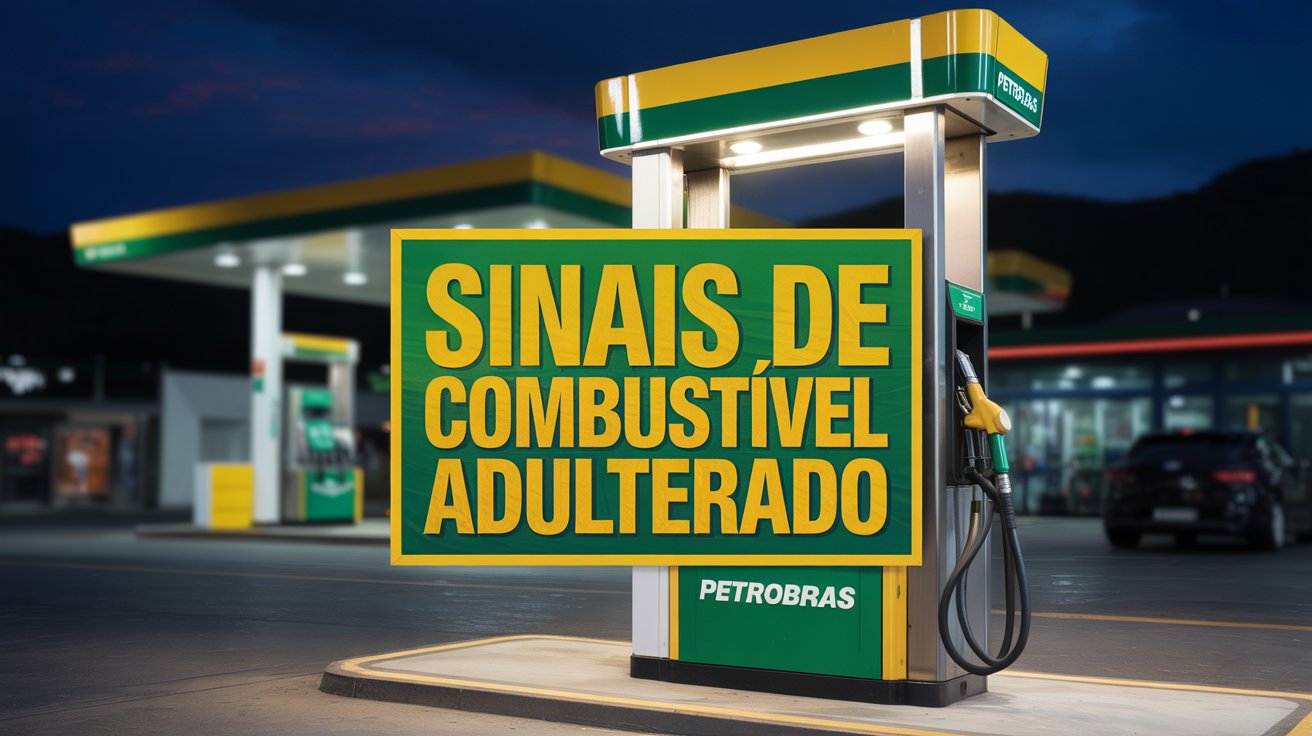
Contaminated Fuel Can Cause Engine Failures, Increase Consumption, and Even Compromise Vehicle Safety. Experts Explain the Main Signs of Contamination and Provide Guidelines to Avoid Greater Losses.
Refueling a vehicle in Brazil may seem like a simple routine, but it involves risks that many drivers still ignore.
The contamination of fuels continues to be a recurring problem and affects both those who use gasoline and those who prefer ethanol or diesel.
The impact goes beyond finances: the car’s performance decreases, the engine’s lifespan is reduced, and the driver’s safety can be compromised.
-
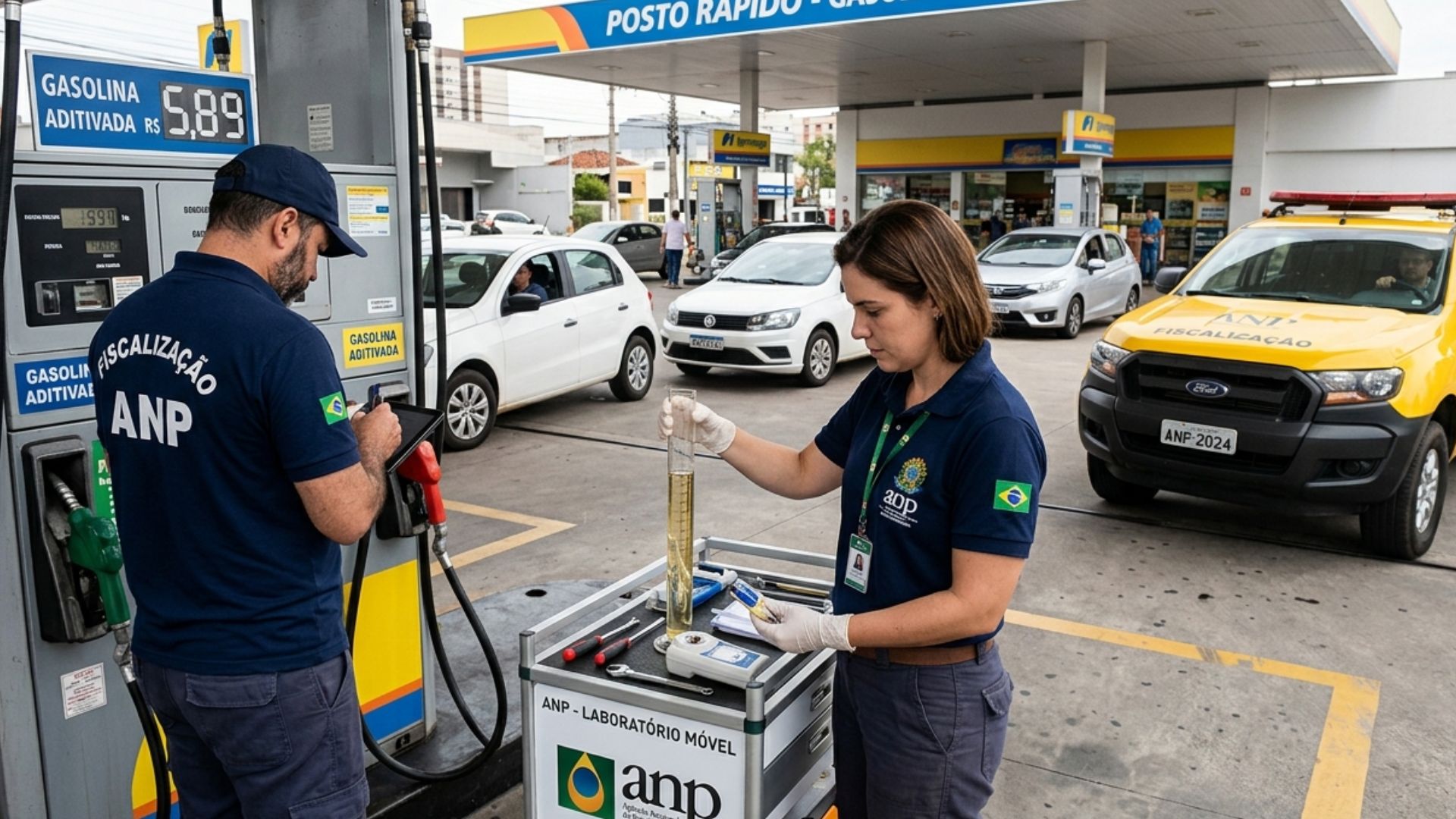
Fuels come into focus: national task force expands oversight at over 5,300 fuel stations, identifies price distortions, and promotes measures that enhance consumer protection and transparency in the sector.
-
3 times more ethanol per hectare can be produced with Eike Batista’s supercane amid rising gasoline prices — how can this technology change fuel prices in Brazil?

-
Former president of IBP highlights that dependence on diesel imports pressures prices in Brazil, increases vulnerability to global crises, and underscores the need for more robust and sustainable energy policies.
-
Middle East War Drives Up Oil Prices, And Petrobras Increases Diesel: Fuel Reaches R$ 3.65 Per Liter At Distributors

The fraud occurs when prohibited substances or those in excess of legal limits are mixed with the product.
Some of the most common examples include solvents, excess ethanol in gasoline, and even water.
This type of practice results in irregular combustion, increased pollutants, and failures that appear quickly in the vehicle’s operation.
Experts in automotive engineering consulted for the report highlight that there are clear signs that the tank received contaminated fuel.
Identifying these signs early can prevent greater losses and allow the driver to take preventive measures.
Power Loss and Performance Failures
The first warning is usually power loss.
When the car feels “sluggish” right after refueling, struggling to regain speed or to overtake, there is a high chance of fuel irregularity.
This instability is a result of incorrect combustion inside the cylinders.
Stuttering when starting from stoplights is also part of the picture, especially in vehicles that are not flex-fuel, which are less adapted to variations in the gasoline and ethanol mix.
Another common symptom is difficulty starting, accompanied by irregular idling.
According to Clayton Zabeu, a professor of Mechanical Engineering at Mauá Institute of Technology, “the idle becomes unstable, with vibrations.”
In flex-fuel vehicles, the electronic control unit tries to compensate, which masks the problem to some extent.
In the case of diesel, the driver may notice power loss accompanied by excessive smoke.
Above-Normal Fuel Consumption
When the car starts to run fewer kilometers with the same amount of fuel, it’s time to investigate.
A sudden increase in fuel consumption, especially with ethanol, is one of the most direct signs of contamination.
In these situations, the engine’s operation becomes rougher, and efficiency noticeably decreases.
For those who closely monitor fuel expenses, the change quickly draws attention.
Check Engine Light On and Knocking Risk
More severe cases of contamination bring indications that leave no room for doubt.
Low octane levels or the presence of solvents can trigger pre-ignition, a phenomenon popularly known as “knocking”.
This process occurs when the mixture ignites too early, causing metallic noises and overloading the engine.
According to Professor Zabeu, demanding power from the car under these conditions considerably increases the risk of serious damage, such as engine seizure.
Another concerning factor is the addition of methanol, a toxic substance that can generate dangerous gases.
In many situations, the first visible sign is the illumination of the check engine light on the dashboard.
Damaged Components and Expensive Repairs
In addition to immediate problems, contaminated fuel corrodes internal components over time.
Fuel injectors and fuel pumps are the first to show failures.
Juliano Barbosa, a professor of Materials Engineering at Mackenzie Presbyterian University, explains that if there is no quick intervention, the corrosion can spread to spark plugs, valves, pistons, and even the exhaust system.
The damage can reach a complete engine overhaul, a repair that typically comes with a high cost.
For many drivers, this means spending amounts that far exceed the illusory savings achieved by refueling at suspicious stations.


How to Reduce Risks When Refueling
Avoiding problems starts with choosing the right gas station. Experts recommend prioritizing establishments with a known brand that already have the trust of family or neighbors.
Keeping the receipt for each refueling is also a way to protect yourself, in case you need to file a complaint.
If symptoms appear shortly after filling the tank, the ideal is to seek a trusted workshop to empty the reservoir.
The shorter the time the engine runs on contaminated fuel, the lower the chances of damage.
In cases of severe failures, the guidance is not to force the vehicle and to call a tow truck.
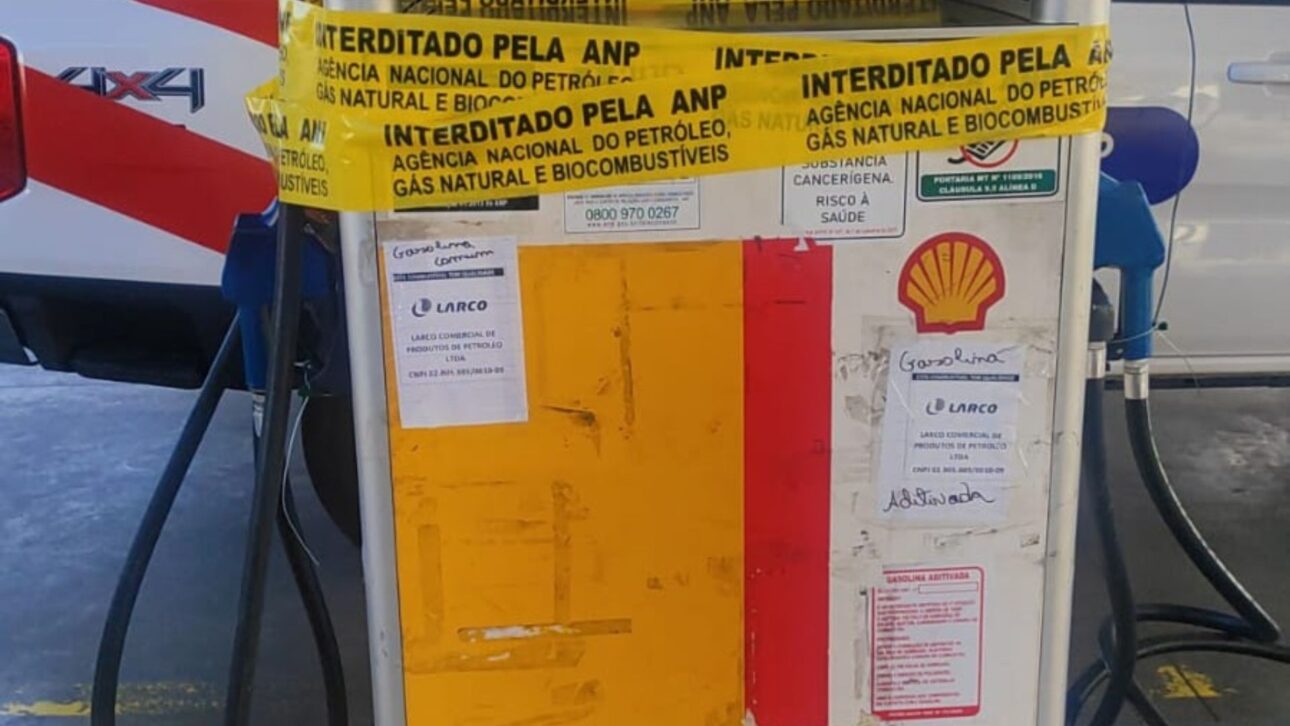
Reports of irregularities can be made directly to the National Agency of Petroleum, Natural Gas and Biofuels (ANP), by calling 0800 970 0267 or on the official website of the agency.
Inspections can result in the shutdown of pumps, fines, and even the suspension of the activities of the involved gas station.
Pollution and Environmental Impact
The problem does not only affect drivers. The improper burning of contaminated fuels releases more pollutants into the atmosphere, increasing emissions of harmful gases.
This intensifies urban pollution and contributes to public health problems, in addition to compromising environmental goals related to emission reductions.
In a scenario where there is increasing talk of energy efficiency and sustainability, the consumption of non-standard fuels represents a setback with broad consequences.
Refueling may seem like a routine gesture, but the signs of contamination show that attention must be doubled. Have you ever experienced a situation where your car showed failures right after leaving the gas station?








Seja o primeiro a reagir!