





 Portuguese
  English
  Spanish
  3 min of reading
  0 comments


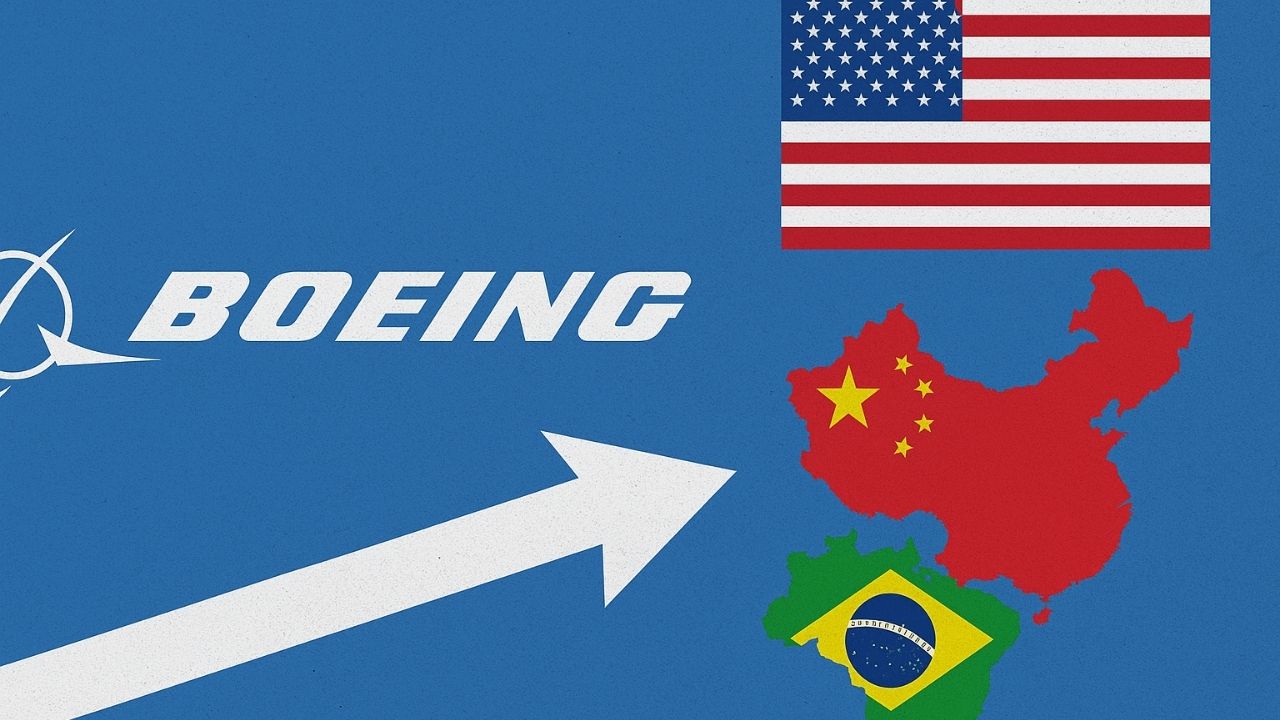
Trade War Between the US and China May Limit Boeing Exports; Brazil Takes Advantage of Opportunities in Exports and Imports.
On Friday (10/10/2025), the President of the United States, Donald Trump, announced that the country may impose export controls on Boeing parts destined for China.
This measure is part of the American response to China’s restrictions on the export of rare earth minerals and arises amid the new escalation of the trade war between the US and China.
“We have a lot of things, including a big thing which is the plane. They have many Boeing planes and need parts and a lot of things like that,” Trump told reporters at the White House.
ARTICLE CONTINUES BELOWSee also
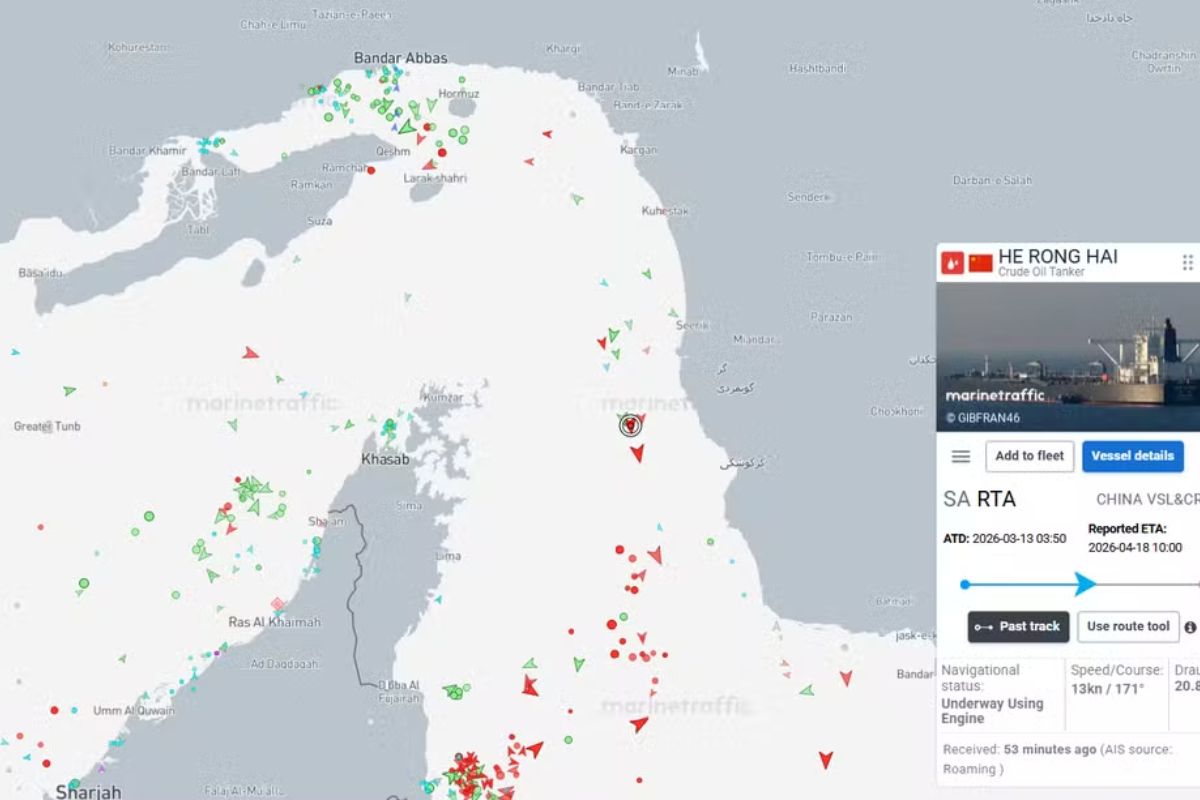
Two Chinese supertankers chartered by Asia’s largest refiner have just crossed the Strait of Hormuz and may be the first to leave the Persian Gulf since the ceasefire between the United States and Iran on a route that still has mines and uncertainties.
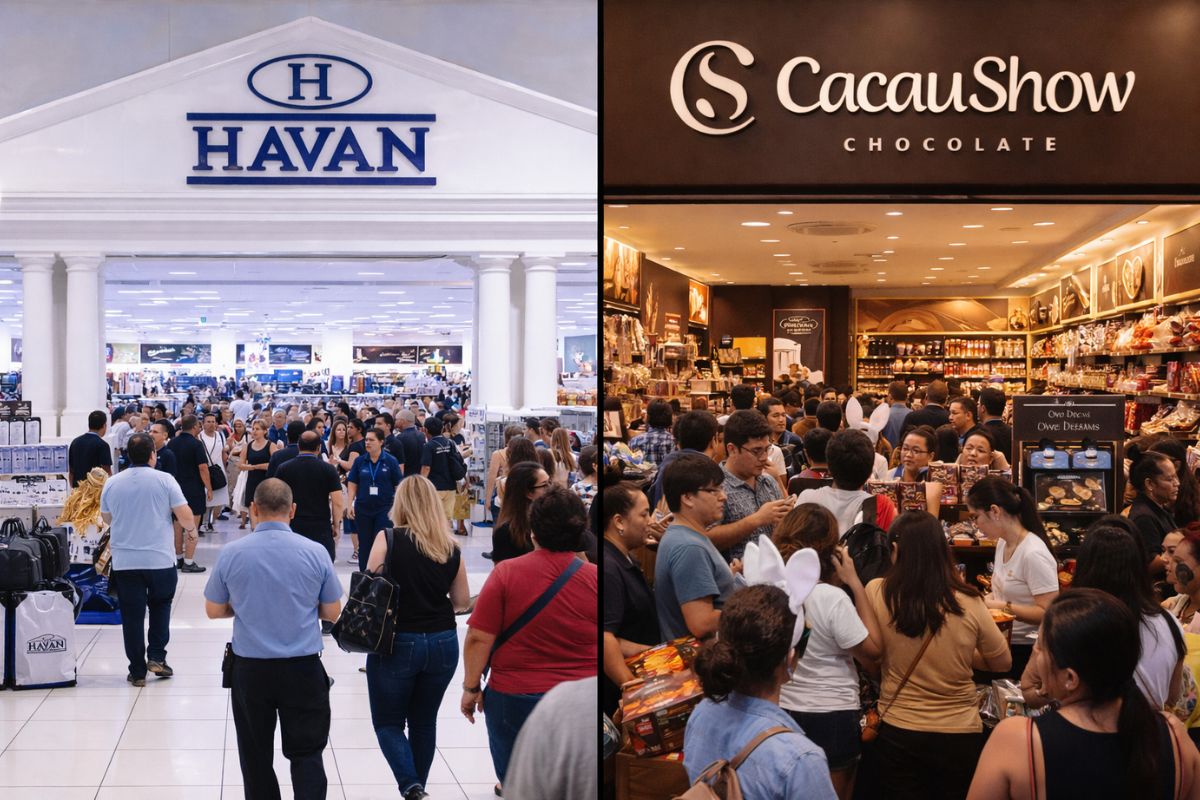
While Havan earns R$ 50 million per day throughout the year, Cacau Show managed six times more in just 24 hours, totaling half a billion reais in two days of Easter.
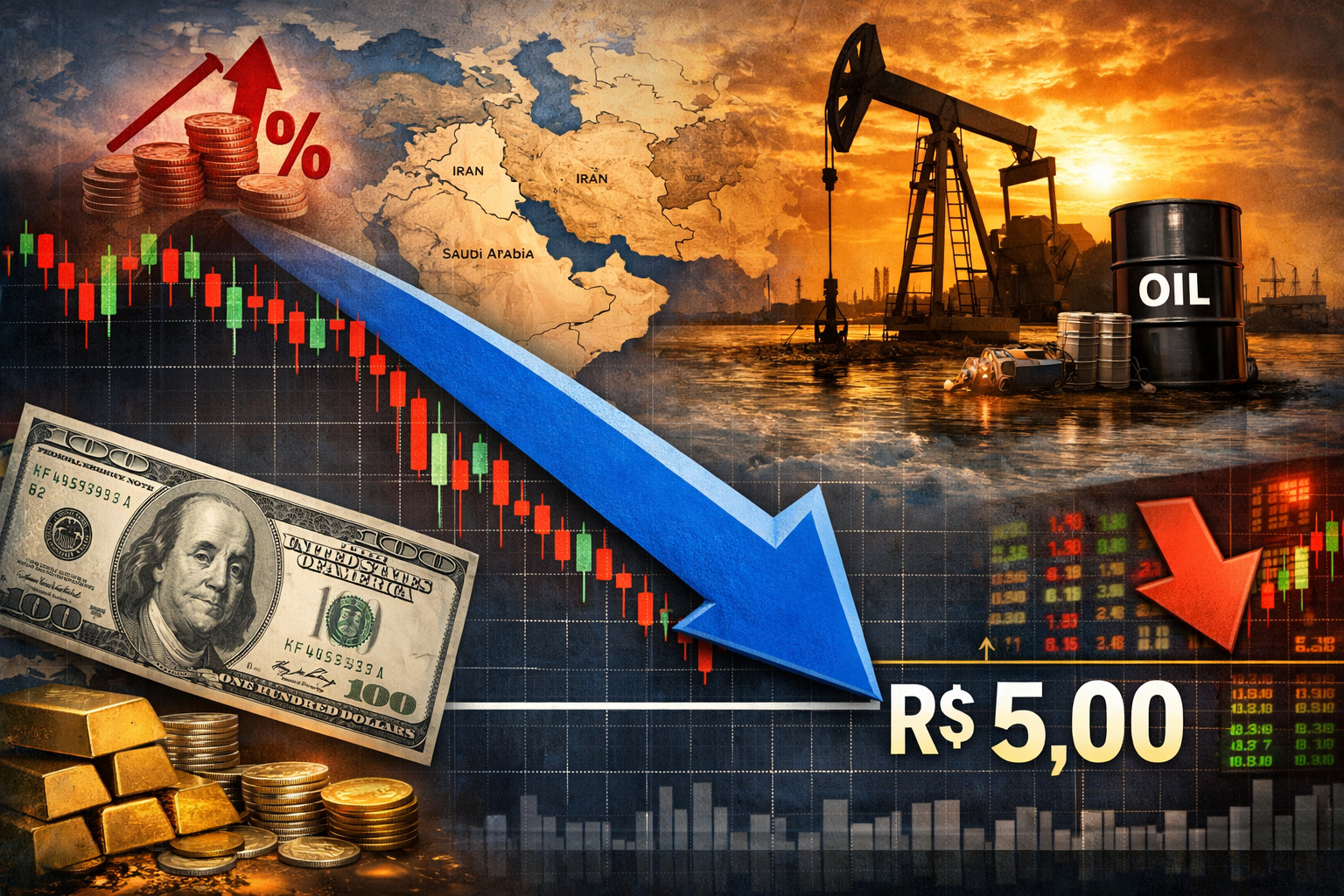
Weak dollar or strong real? The American currency plummets for the third day, approaching R$ 5 and surprising the market with global inflation and tensions in the Middle East that continue to create global uncertainty.
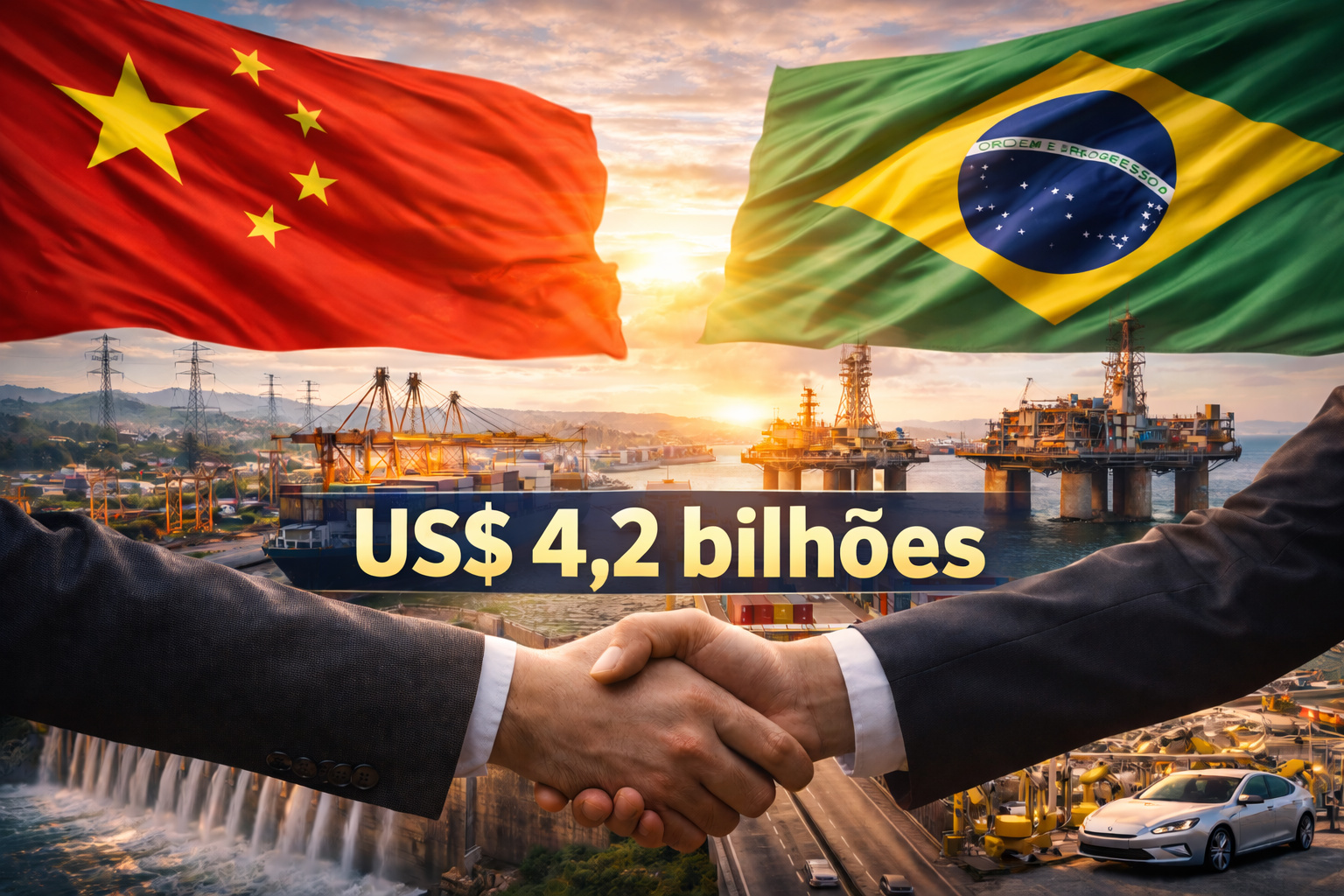
China’s investments in Brazil in factories, energy, oil, electric cars, and new industrial projects double to $4.2 billion, making the country the 3rd largest global destination for Chinese capital.
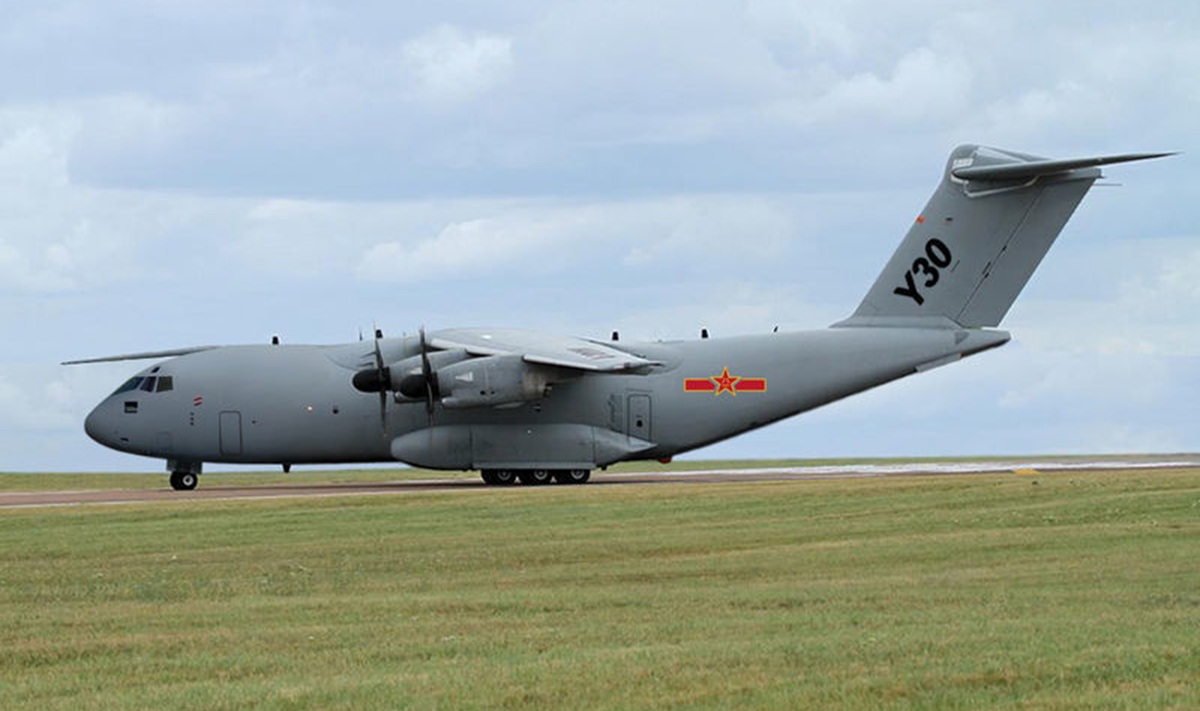
Currently, Chinese airlines have orders for at least 222 jets from Boeing, while 1,855 aircraft from the American manufacturer are already operating in the Asian country, mostly the popular 737 jet.
New Round of US Tariffs Impacts Chinese Exports
After months of truce, Trump announced 100% tariffs on Chinese products, which add to the already existing 30% tariffs.
The decision intensifies trade tensions and pressures China to seek market alternatives. So far, Beijing has not yet announced formal retaliations, but analysts expect strategic responses.
This movement also includes the potential blockade of Boeing parts exports, which may directly affect the operations of Chinese airlines.
The impact, according to experts, tends to be significant in the global aerospace industry.
Brazil Benefits from Displaced Chinese Demand
For Brazil, the scenario represents an economic opportunity. According to Ian Lopes, an economist at Valor Investimentos, the American restriction strengthens Brazil’s position in strategic production chains, such as soybeans.
“We can look even at what happened with Brazilian soybeans, which have never sold so much to the Chinese, who stopped buying from the Americans. This will certainly happen again in other production chains,” Lopes claims.
Indeed, a report from the American Farm Bureau Federation pointed out that soybean exports from the US to China fell by almost 78% between January and August of this year, while Brazil established itself as the main supplier.
More Import Opportunities for Brazil
In addition to exports, the commercial escalation creates opportunities for Brazilian imports. Beto Saadia, investment director at Nomos, explains: “Products that China would sell to the United States will have to be channeled to the Brazilian market. This increases supply and lowers prices, potentially helping to ease inflation.”
The expert emphasizes that the effects will extend over the coming years, benefiting the trade balance and strengthening Brazil’s position in the global scenario.
Economic Interdependence Between the US and China
Despite the tensions, the US and China remain interdependent. Electronics, clothing, and furniture rank among the main American products imported from China.
Trump’s pressure for CEOs to move production to the US was softened after promises of billion-dollar investments in the domestic industry.
Since May, mutual tariff reductions have consolidated part of this interdependence: China lowered tariffs on American exports from 125% to 10%, while the United States reduced tariffs from 145% to 30%.








-

-

-

-

-

34 pessoas reagiram a isso.