





 Portuguese
  English
  Spanish
  4 min of reading
  2 comments


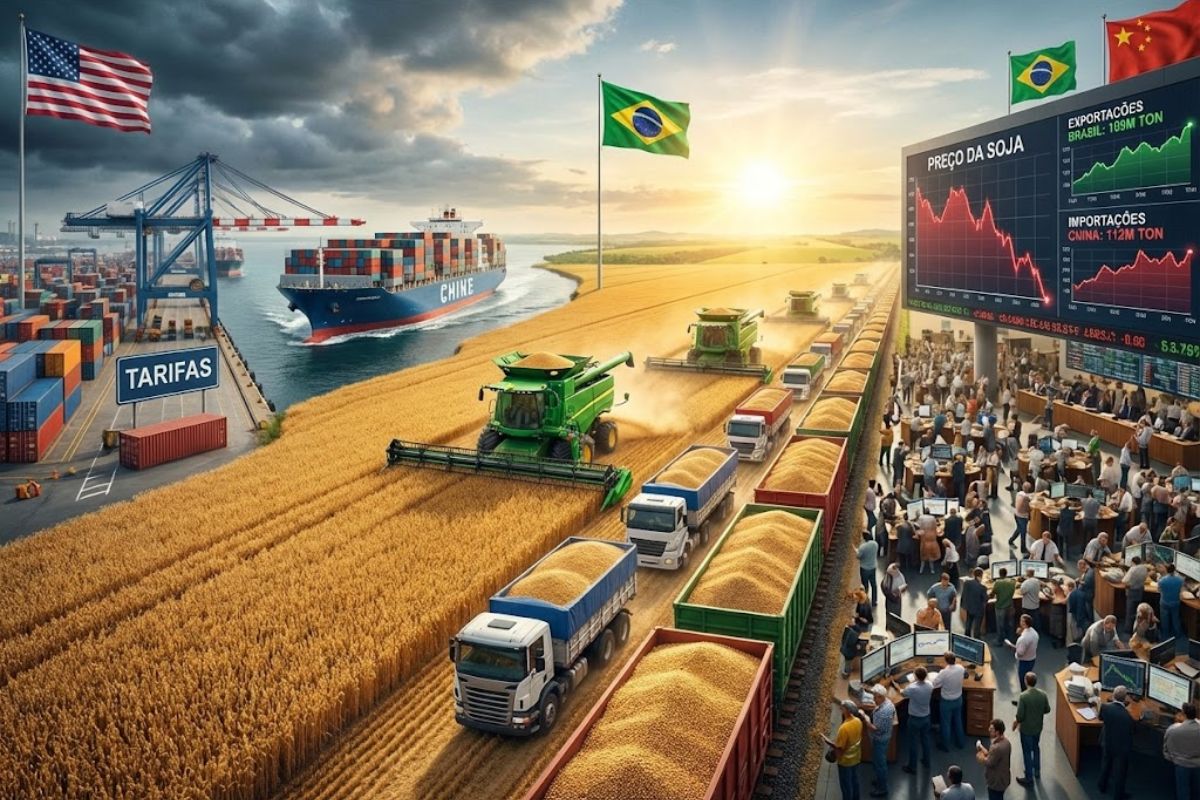


With Tariffs Imposed by the U.S., China Brought Forward Purchases, Shifted Away from American Soybeans and Migrated to Brazil, Which is Expected to Ship 109 Million Tons, While Chinese Imports Could Reach 112 Million by 2025, Pressuring Chicago Prices and Redrawing the Global Grain Market, Stocks, and Supply.
The official numbers from Chinese customs show that the race for soybeans started early this year: from January to November, the country imported 104 million tons, following the purchase of 8.1 million in November alone, creating room for an annual volume between 110 and 112 million.
The escalation is the result of a strategy established back in late 2024, when China brought forward purchases from the United States given the prospect of tariffs at the start of Donald Trump’s term, and in 2025, began prioritizing Brazil as the main source of the oilseed.
China Brings Forward Purchases and Swaps American Soybeans for Brazilian
According to analyst Daniele Siqueira from AgRural, China decided to secure itself before the change of government in the United States. At the end of 2024, the Chinese brought forward purchases of American soybeans, fearing new tariffs at the start of Donald Trump’s term.
-
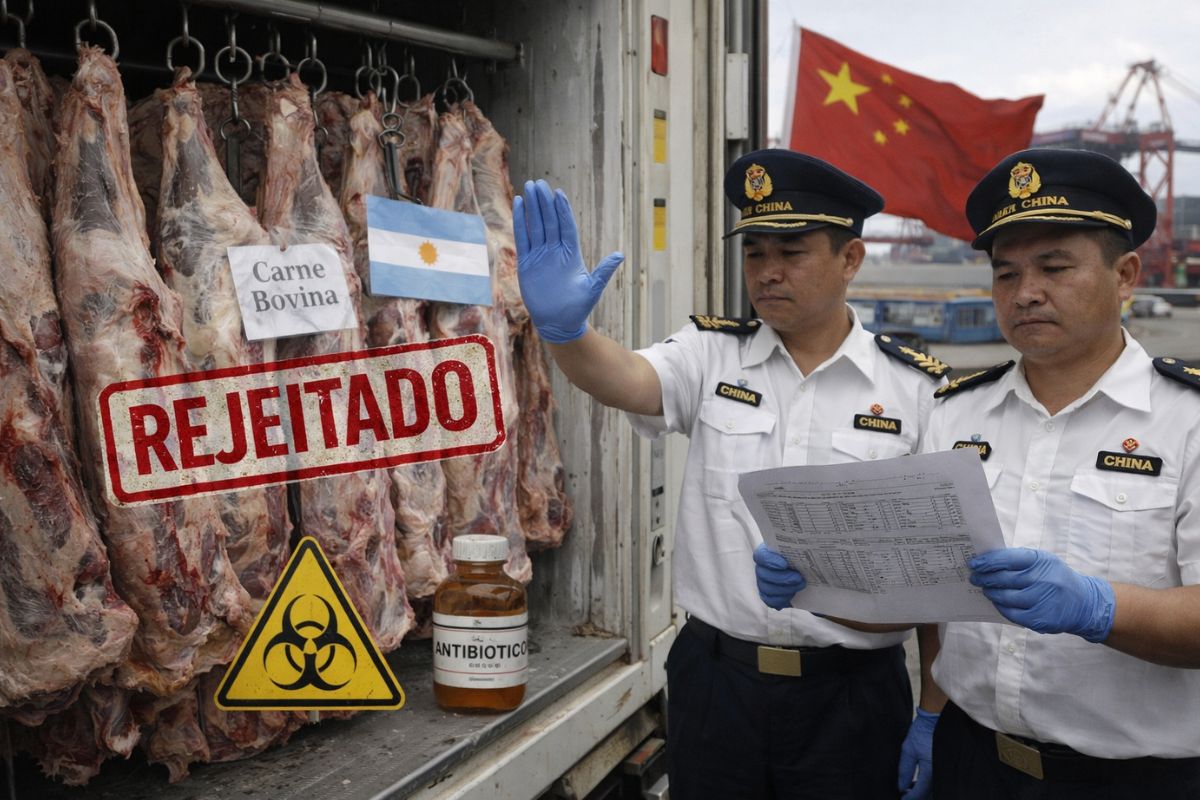
China rejected an entire shipment of beef from Argentina after detecting an antibiotic so dangerous that it has been banned for human consumption for over 30 years, and now the export sector is facing a crisis of international trust.
-
With nearly 500 thousand tons per year, barley production is growing in Brazil, while a decline in beer consumption among Generation Z raises alarms in the sector.

-
With tractors out of reach for small producers, a tricycle created by Embrapa Algodão becomes a cheap and efficient solution and gains national prominence.

-
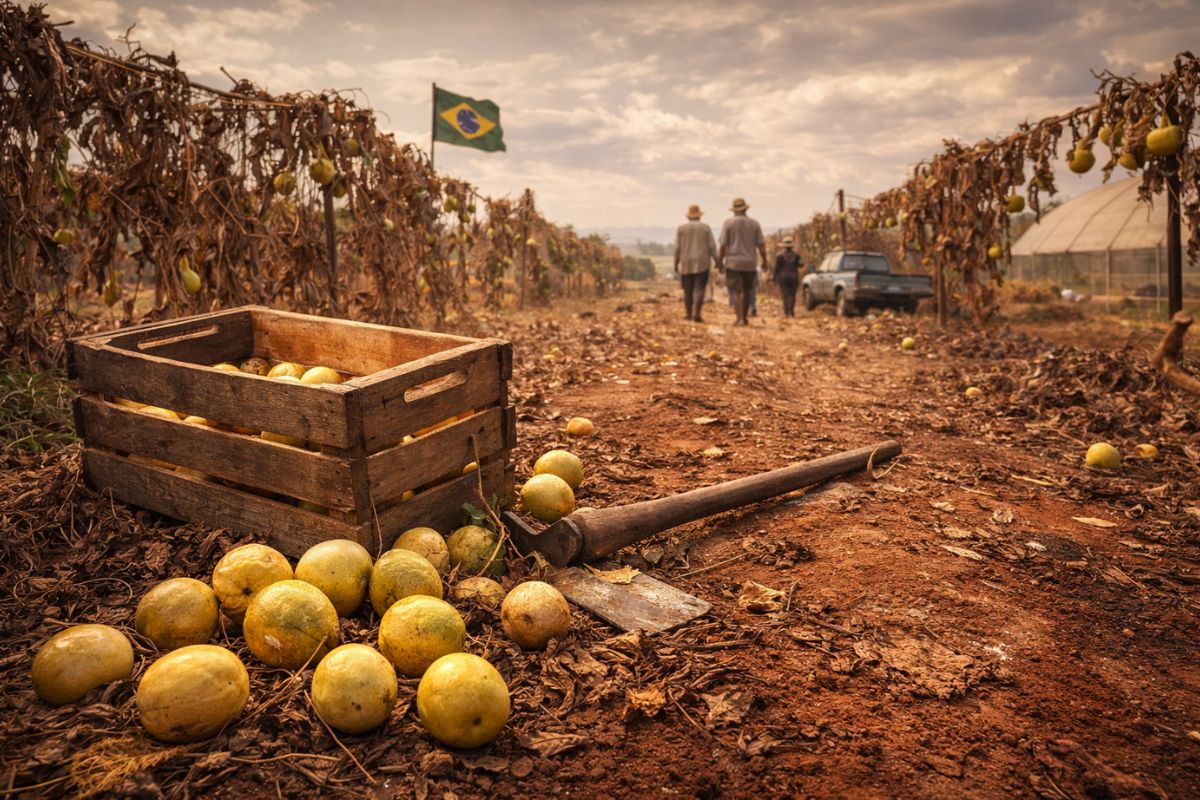
From 130 producers in the year 2000 to just 15 today: the dramatic decline of passion fruit in Araguari shows how the lack of labor in the Brazilian countryside is killing a decades-old agricultural tradition, even with Brazil being the largest producer in the world.

This strategy is reflected in the official data: by October of this year, China had imported 16.8 million tons of soybeans from the United States, exceeding the 15.1 million recorded in the same period of 2024, still under Joe Biden’s government.
Once the tariff policy was confirmed, Beijing began to reduce purchases from the U.S. and concentrate demand on Brazil.
From January to November, total Chinese soybean imports reached 104 million tons, of which 82.8 million tons of Brazilian soybeans by November represent an increase of 16 percent compared to the same period in 2024.
If December brings at least 6 million tons, the country will reach 110 million; if purchases are between 7 and 8 million, the volume could reach up to 112 million for the year.
According to Daniele, the trade war between China and the United States has ultimately made the Chinese year stronger than expected in soybean purchases.
First, the country secured early shipments from the U.S. Then, it aggressively ramped up purchases in Brazil to boost domestic stocks and ensure greater supply security.
There are still doubts about how much of this demand will return to the United States.
U.S. government data, still delayed, indicate only 2.5 million tons of soybeans recently acquired by China, but the market is anticipating shipments that could total 7 million by February.
Behind the scenes, there are discussions about a “magic number” of 12 million tons linked to a bilateral agreement never officially acknowledged by Beijing.
Record Brazilian Soybean Crop Changes Supply Balance
On the Brazilian side, the good soybean harvest and strong Chinese demand are combining for a historic year of exports.
Brazil is expected to finish the year with 109 million tons of soybeans shipped, according to Anec, based on ships already scheduled in ports.
American producers are beginning to feel the competition from Brazilian soybeans more concretely at the start of next year.
With the planting of the 2025/26 crop practically completed, the current scenario is better than it was a few weeks ago.
Despite replanting and delays, soybeans are recovering well, which increases global supply at the same time the U.S. faces difficulties in marketing its production.
At the field level, the progress of harvesting and logistics is visible. In regions like Sinop, in Mato Grosso, trucks are waiting to load soybeans in packed warehouses, as recorded in a photo taken on April 29, 2025.
The combination of a full harvest, strong external demand, and pressured infrastructure helps keep Brazil at the center of the global soybean map.
International Soybean Market Feels Price Pressure
The combination of a robust harvest in Brazil, difficulties for U.S. producers to market their own soybeans, and the concentration of Chinese purchases on Brazilian product is already reflected in Chicago prices.
This Wednesday, the first contract for the commodity was traded at US$ 10.58 per bushel of 27.2 kilos, down 8.3 percent in the last 30 days.
This movement shows that, even with high global consumption, the increase in soybean supply is driving down international prices, which affects the profitability of both Brazilian and American producers.
At the same time, the lower cost tends to increase the competitiveness of the oilseed against other grains in feed formulations and in the vegetable oil industry.
Rice Prices in Decline and Chinese Food Security Strategy
While soybeans are experiencing a historical year in volume, another relevant commodity for agriculture faces an opposite scenario.
Rice prices in the external market have fallen by about 37 percent compared to last year, according to monitoring by Trading Economics. Lower prices abroad hinder Brazilian exports and keep domestic prices depressed.
On the food security front, China is also taking action. The country is reserving 10.8 million hectares in the Yangtze River Delta exclusively for agricultural production, an area that cannot be allocated for any other purpose until 2035.
The stated goal is to reinforce food security and safeguard internal supply amid trade wars and the recent strong volatility of international prices.
Given this scenario, do you think that the current strength of Brazilian soybeans in China will hold if the United States manages to ease tariffs and regain some of the lost market?









Louisiana, Soybeans, -$1.85 Billion;
Texas Coarse Grains, -80% (Volume) Shipments of coarse grains to China nearly disappeared entirely in early 2025. Mississippi Soybeans & Cotton -24% (Production Value). I hope Trump and the GOP wrecks those economies so badly it causes an implosion and irreparable damage to all Red State Economies.
Trump has done major damage to the US farmers.