





 English
  Francês
  Alemão
  Italiano
  Japonês
  Norueguês
  Portuguese
  Spanish
  3 min of reading
  3 comments


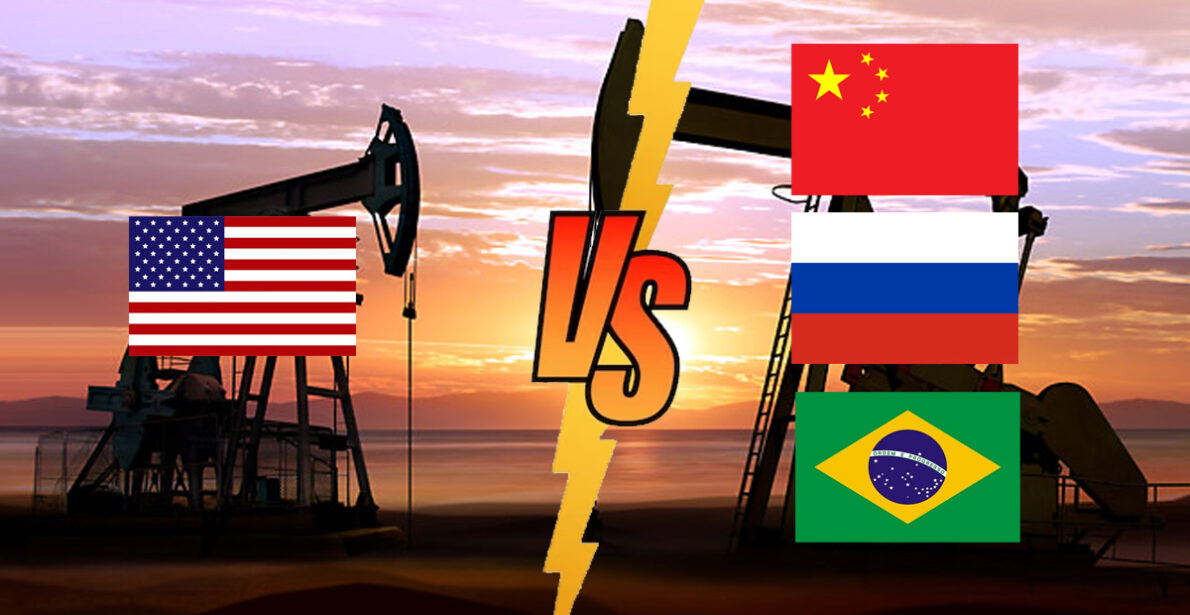

Imagine a Nation Sitting on an Oil Reserve Capable of Shifting the Global Balance of Power. Now, Visualize This Nation in the Hands of a Leader Willing to Play With the Most Influential Powers in the World.
This is the scenario unfolding in the Venezuela, where dictator Nicolás Maduro threatens to turn the country into a key player on the geopolitical chessboard around oil.
In the depths of Venezuela lies the largest proven oil reserve in the world, with over 300 billion barrels. This black treasure is not only vast in quantity but also has the potential to redefine global alliances, especially if it falls into the hands of powers like China and Russia, who are directly competing with the United States.
Political Dispute
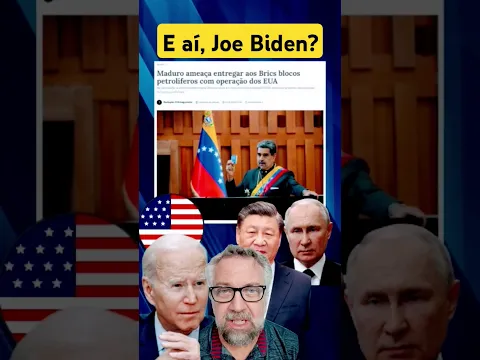
On Friday, August 2, Maduro heightened tensions by declaring that he would hand over the oil and gas blocks operated by the United States in Venezuela to BRICS countries – a group formed by Brazil, Russia, India, China, and South Africa – if Washington made the “mistake of its life.”
-
Historic bankruptcy of Centauro shocks the market, and the century-old company puts more than 500,000 products, machines, and complete infrastructure up for online auction.

-
Unemployment rises again to 5.8% at the beginning of 2026, raising alarms about the end of temporary positions and its impact on the Brazilian job market.

-
Document organization can cut invisible costs in small businesses, a simple step that prevents waste, rework, and losses in daily operations.

-
Brazilian giant expands borders in the Southeast: Petrobras confirms new oil discovery in ultra-deep waters in the pre-salt of the Campos Basin.


Although Maduro did not elaborate on what this mistake would be, the threat is clear: any unfavorable move against the Venezuelan regime could lead to an unprecedented geopolitical upheaval.
As tensions rise, Maduro stated that the “largest investments” in oil and gas in Venezuela already come from BRICS, suggesting that the country is prepared to strengthen ties with these nations. This represents a red alert for the U.S., which has long viewed Venezuela as a region of strategic interest due to its abundance of natural resources.
U.S. Company Operates in Venezuela
Chevron, the American oil giant, is one of the main companies operating in Venezuela, in collaboration with the state-owned PDVSA.
The partnership includes projects in onshore and offshore areas, notably in the Orinoco Belt, one of the richest oil regions in the world. In November 2022, the U.S. government granted Chevron a permit to resume limited oil extraction activities in Venezuela, temporarily easing sanctions imposed on Maduro’s regime in exchange for commitments to free elections in 2024.
However, this concession was again restricted in April 2024 when Washington reinstated sanctions against Caracas. Despite this, Venezuela has managed to maintain licenses for some international operations, keeping the country in the global energy game.
Moreover, Maduro has repeatedly expressed Venezuela’s desire to formally join BRICS, a group that has been growing in influence and recently incorporated new members such as Saudi Arabia, Egypt, United Arab Emirates, Ethiopia, and Iran. This expansion only increases the political and economic weight of the bloc, making Maduro’s threat even more relevant.

Almost 20% of Global Reserves
Despite its internal crisis, Venezuela holds about 18% of the world’s oil reserves, surpassing in volume countries like Saudi Arabia and Canada. This reality makes the country a coveted target, especially in a world where disputes over energy resources are crucial for global hegemony.
According to experts, if Maduro hands over these resources to BRICS, it could not only challenge the U.S. position in Latin America but also trigger a new world order where emerging powers take center stage.
The scenario is complex: the geopolitics of Venezuelan oil could be the spark of a global crisis or the element that will solidify new international alliances. The future of this wealth, which is currently at stake, could define the balance of power in the coming decades.
And you, reader, believe that this bold move by Maduro could really change the global landscape?





EUA continuam pensando que o mundo são suas colônias.
Mais uma bravata de Maduro que deve se lembrar do que os E.U.A fizeram com Sadan Hussein que ousou romper a hegemonia americana no controle mundial do petróleo.
Parabéns presidente Maduro, pela coragem e determinação, pense no bem-estar do seu povo e o país, é difícil escapar das garras do falcão estadunidense , más não impossível..O brics é o melhor para sua nação e segurança do seu povo.