





 Portuguese
  English
  Spanish
  5 min of reading
  0 comments


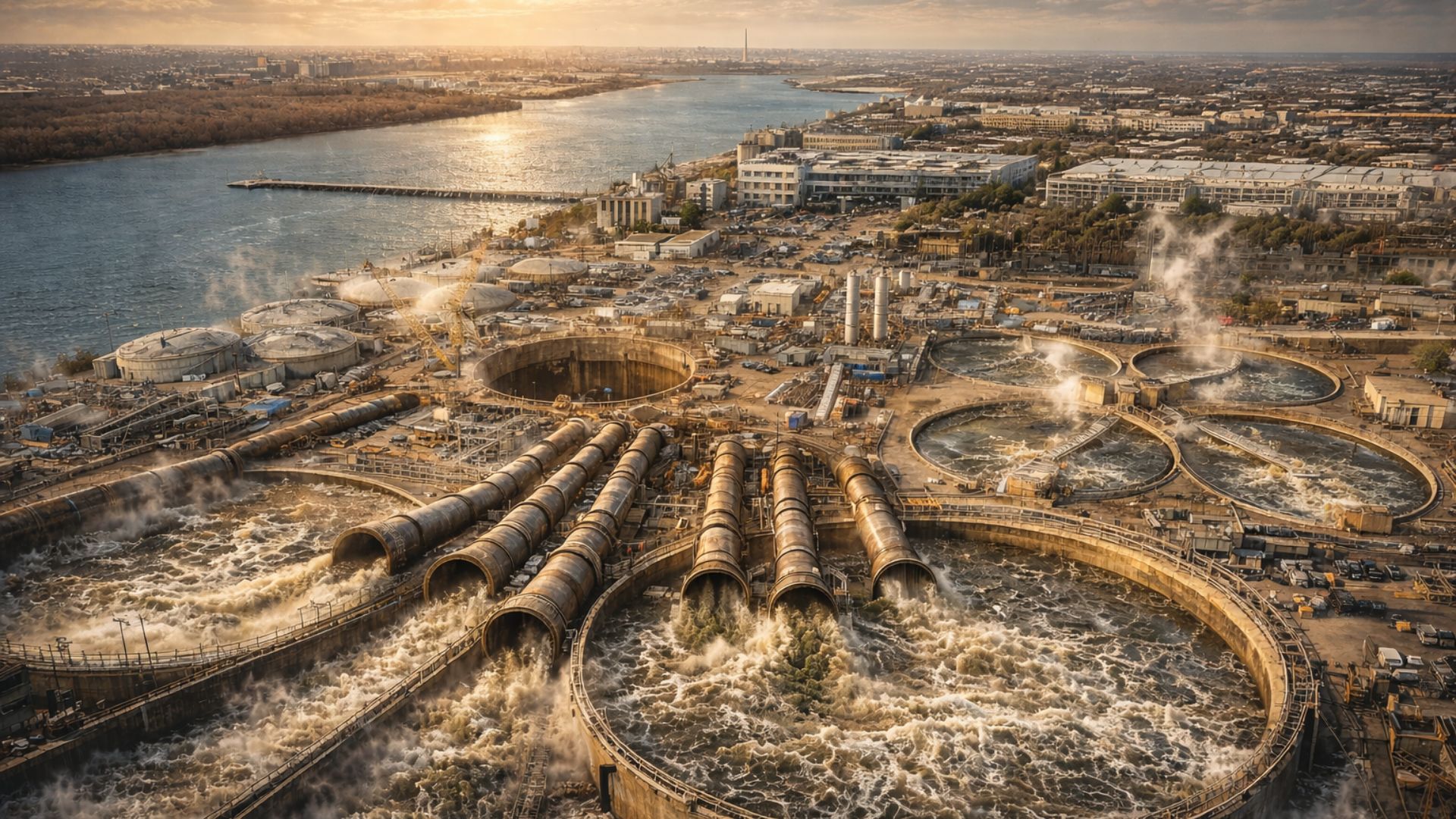
Massive Sanitation Infrastructure Turns Urban Wastewater Into Treated Water, Energy, And Reusable Biosolids, While Absorbing Extreme Volumes During Storms And Protecting The Potomac River With Advanced Technology Used By The Largest Treatment Plant Of Its Kind In Operation In The Washington Region.
The water that flows down the drains of the Washington, D.C. area ends up in an industrial mechanism of unusual scale.
Operated by DC Water, the Blue Plains Advanced Wastewater Treatment Plant treats, on average, something close to 300 million gallons per day, has a daily capacity of 384 million, and can exceed 780 million during peak periods, according to the company, which defines it as the largest advanced wastewater treatment plant of its kind in the world.
This facility serves not only the capital of the United States but also areas in Maryland and Virginia.
-
At 73.8 meters tall, the world’s tallest teapot-shaped building has 15 floors, ensures stability, and impresses with an internal space of 28,000 cubic meters.

-
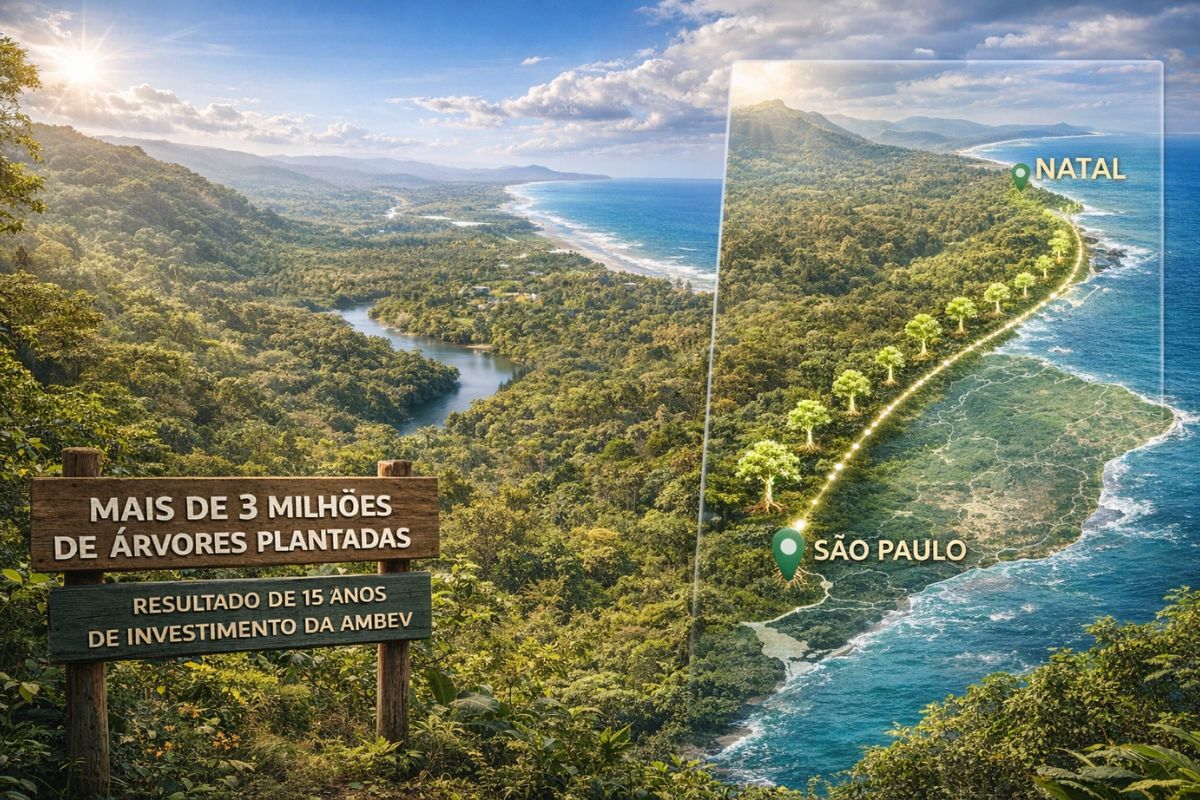
Ambev has planted over 3 million trees and restored an area equivalent to the coastline from São Paulo to Natal, and the result after 15 years of silent investment has finally appeared for all of Brazil to see.
-
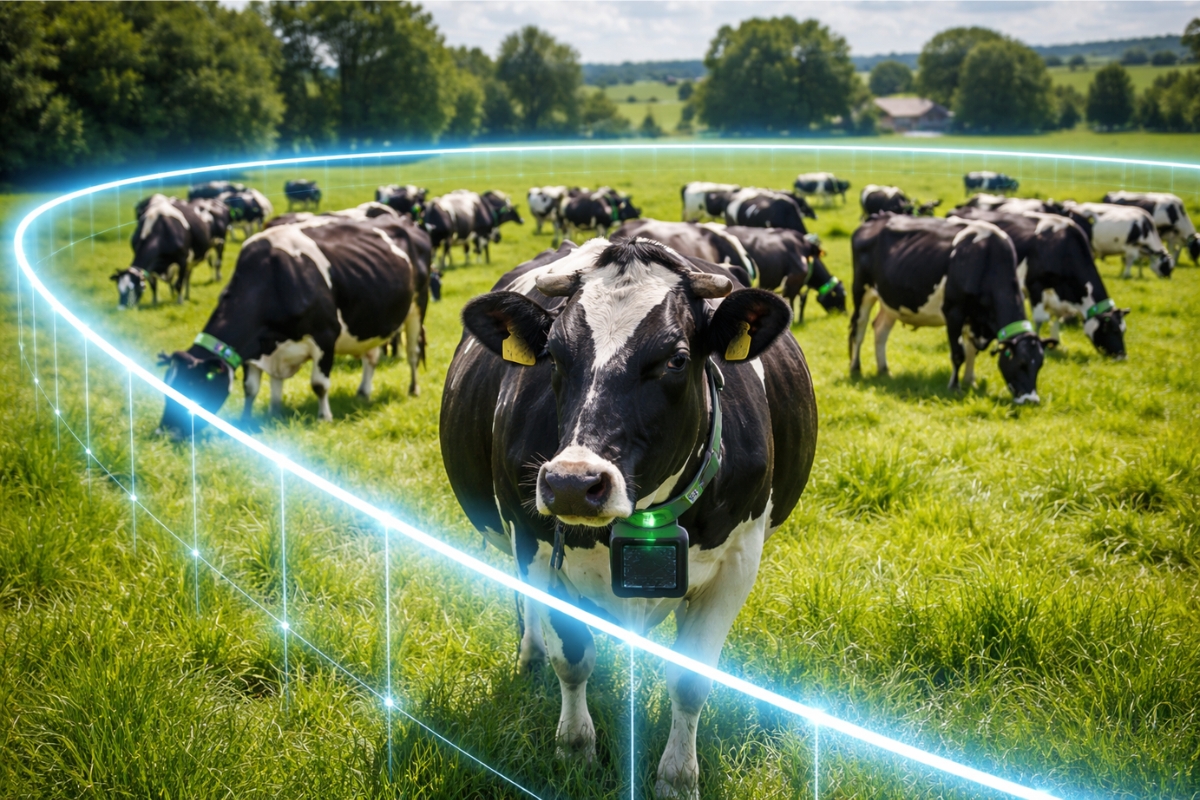
A new AI collar technology for cattle eliminates physical fences, creates virtual barriers, monitors animals 24/7, and detects changes in behavior and health.
-
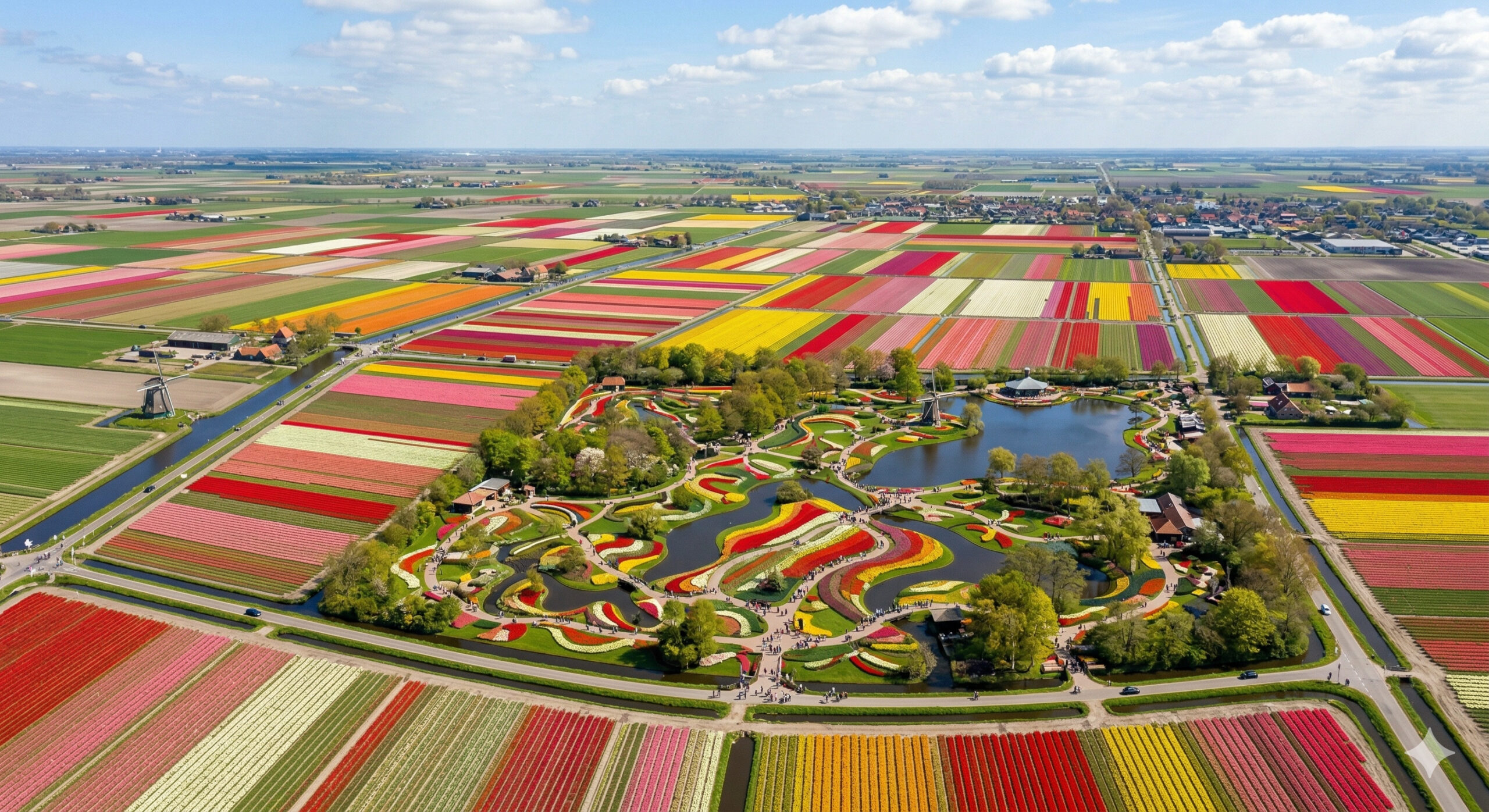
For a few weeks each year, an entire country blooms with billions of tulips, creating a mosaic of colors visible from the sky, while a single garden gathers more than 7 million flowers and attracts visitors from around the world to one of the most impressive shows in Europe.

The inflow comes from the District of Columbia and the counties of Montgomery and Prince George’s in Maryland, as well as Fairfax and Loudoun in Virginia, giving the plant a regional role in managing sanitation for a densely populated area.
After treatment, the clean water flows into the Potomac River, a connection that explains the technical rigor required at each stage of the process.

How Wastewater Treatment Works At Blue Plains
The journey starts far from any futuristic image.
At the entrance, grates and separation equipment remove larger objects and materials that should never have been discharged into the system, protecting pumps and pipelines.
Next, sand and heavier particles are removed to reduce abrasion, stabilize operation, and prepare the wastewater for the stages where control shifts from purely mechanical to also relying on biological processes.
From there, Blue Plains joins the group of advanced treatment units.
According to DC Water, the system combines primary and secondary stages with denitrification, multimedia filtration, and chlorination with dechlorination, a setup aimed at elevating the final quality of the effluent before discharge into the Potomac.
This operational design goes beyond the most basic removal of organic matter and includes specific barriers for pollutants that affect rivers and estuaries, especially nutrients associated with water degradation.
The weight of this control increases when rainfall pressures the collection system.
During high-flow events, the plant needs to absorb extra volumes without losing stability, which is crucial for keeping the effluent parameters within regulatory limits.
DC Water itself indicates that the facility was designed to operate at large scale on a daily basis, but also to respond to peaks well above routine, maintaining treatment continuity when the urban system receives additional water.
Technology That Transforms Sludge Into Energy

The less visible part of the operation is not in the liquid returned to the river, but in the solid material separated throughout the process.
At Blue Plains, the sludge does not just go for final disposal, as it enters a processing line based on thermal hydrolysis and anaerobic digestion.
The technology, implemented by DC Water as the first such combination in North America, subjects the solids to high temperature and pressure before digestion.
This treatment breaks down cellular structures of the sludge and favors the next stage, where microorganisms degrade the organic matter and release biogas rich in methane.
According to DC Water, the produced methane is captured and sent to turbines for electricity generation, while the steam also returns to the process, closing part of the energy cycle within the plant itself.
It was from this logic that one of the most emblematic projects of the plant emerged.
In a public statement, the company reported that the system began generating 10 megawatts of net electricity from the treatment of wastewater itself.
This volume of energy covers a significant portion of the facility’s energy demand, reducing reliance on external sources in an infrastructure that operates continuously.
Biosolids And Reuse Of What Is Left From Treatment
The energy gain is not the only consequence of this process.
Thermal hydrolysis is also associated with reduction of pathogens and improvement of the quality of the remaining solid material.
According to DC Water, the result is a biosolid classified as Class A Exceptional Quality, a category that meets U.S. Environmental Protection Agency standards.

This material can be used as soil conditioner in agricultural and environmental applications, as long as it follows strict quality and sanitation control parameters.
The company states that its biosolids have very low levels of metals and virtually no pathogens, a condition necessary for achieving the highest sanitary classification.
Even so, the disposal of the material requires constant monitoring, traceability, and specific application rules, as the reuse of the residue does not eliminate the need for technical control.
Invisible Infrastructure That Sustains Cities
Looking at the whole operation, Blue Plains represents a shift in how urban sanitation is handled in large cities.
Instead of limiting the system to the removal and disposal of wastewater, the plant operates as a resource recovery structure, capable of cleaning water, recovering energy, and transforming waste into reusable inputs.
What arrives as domestic and commercial waste leaves the facility divided into different treated streams, each with a specific destination and continuous monitoring.
The scale of the operation also amplifies the technical challenges faced daily by the plant.
The same infrastructure that needs to handle extreme flow peaks during storms also maintains strict control over nutrients, disinfection of water, biosolid processing, and energy consumption.
For this reason, Blue Plains has become an international reference in advanced wastewater treatment, combining urban sanitation, environmental protection of the Potomac River, and energy utilization of organic waste in a single industrial operation.







-

Uma pessoa reagiu a isso.