





 Portuguese
  English
  Spanish
  4 min of reading
  0 comments


The Authorized Flyover By The Guyana Government Occurred During The Presidential Inauguration And Sent A Clear Message Of Support From The United States In The Face Of The Regional Crisis Involving Caracas And The Oil-Rich Region.
The Political And Military Climate In The Caribbean Gained New Chapters With The Reelection Of The President Of Guyana. During The Inauguration Ceremony, Two U.S. AV-8B Harrier 2 Fighters Flew Over The Country’s Capital, Marking A Calculated Gesture Of Solidarity From The United States In The Face Of Pressure From Venezuela.
These Aircraft, Belonging To The U.S. Marine Corps, Were Equipped With AIM-120 Long-Range Air-To-Air Missiles, Highlighting The Strategic Message Sent To Caracas. According To The U.S. Government, The Action Was Carried Out With The Consent Of The Guyanese Authorities, Reinforcing The Political-Military Alignment Between The Two Countries.
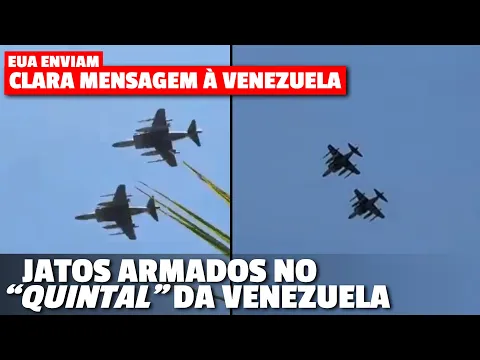

The Dispute Over Essequibo And The Region’s Oil
The Flyover Occurred At A Particularly Sensitive Moment. Venezuela Resumed Its Claims Over The Essequibo Region, A Historically Contested Territory That Concentrates Vast Oil Reserves, Attracting Global Interest. According To Information Released By The Steel Eagles Channel, The Tensions That Had Been Intensifying Since 2023 Have Increased Risks To Regional Security, Directly Involving The Great Powers.
-
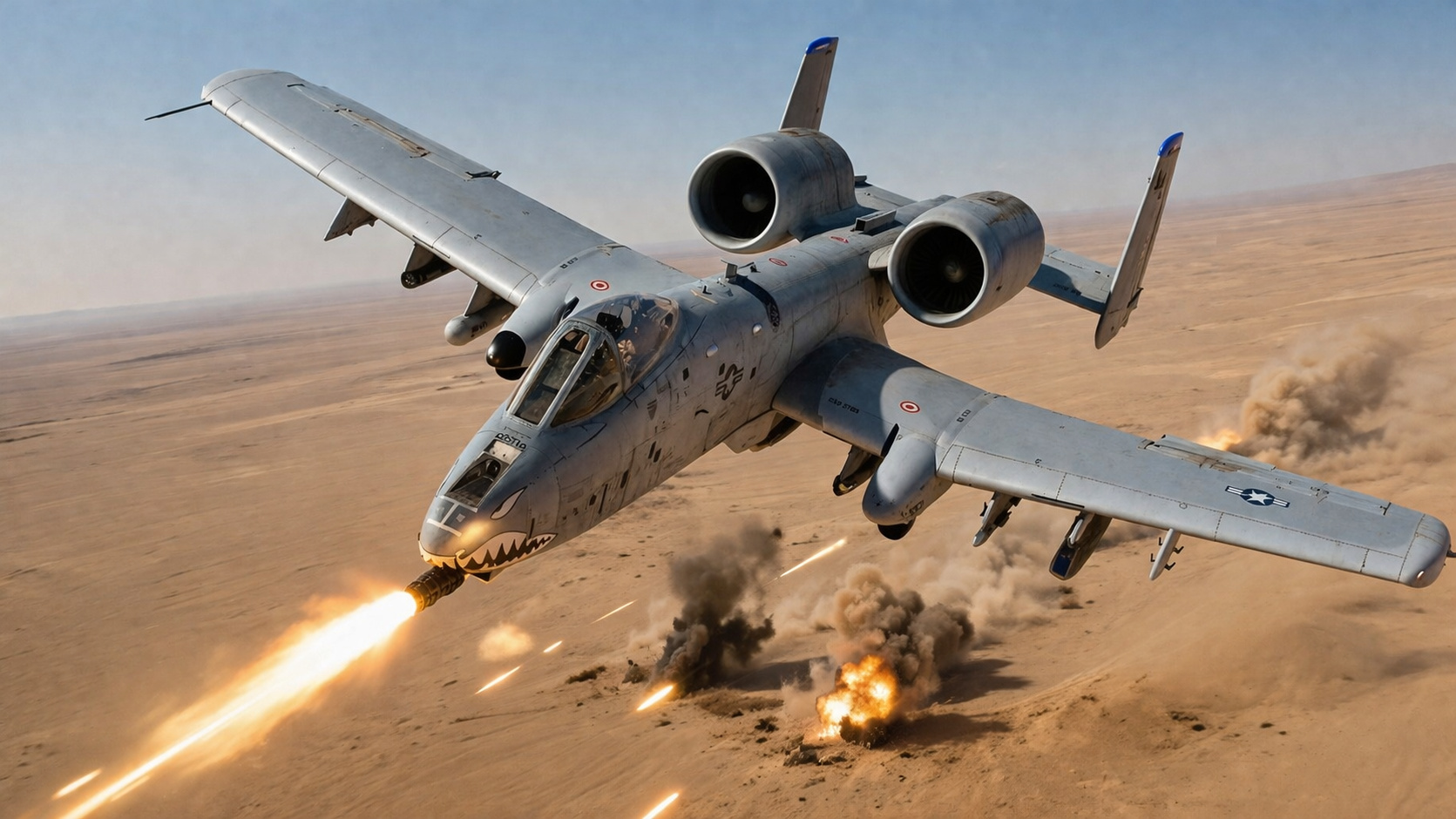
Few people know, but “mega burst” attacks from the A-10 in the Middle East are intriguing analysts and even experienced former pilots of the U.S. Air Force.
-
Manufactured in Brazil and exported to Saudi Arabia and Malaysia, the ASTROS system is renamed as Fogos in 2026, gaining AI, cruise missiles with a range of 300 km, and air defense costing R$ 3.4 billion, transforming a launcher from the 1980s into the most ambitious multidomain platform in Latin America.
-
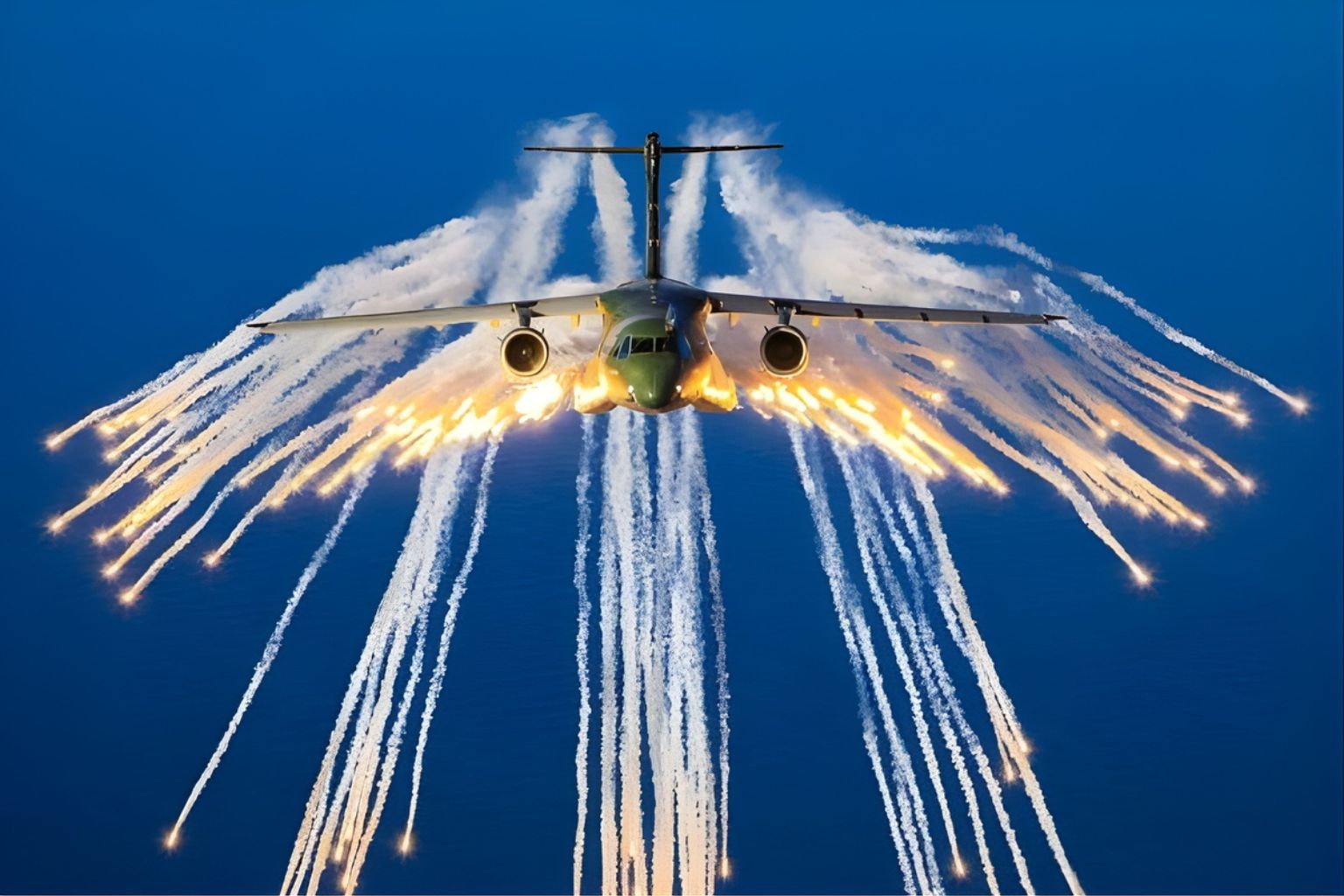
The largest military aircraft ever produced in Brazil, the KC-390 Millennium can carry up to 26 tons, refuel fighter jets in flight, and has already been exported to Europe and Asia, placing the country in the select group that designs and sells large military aircraft worldwide.
-
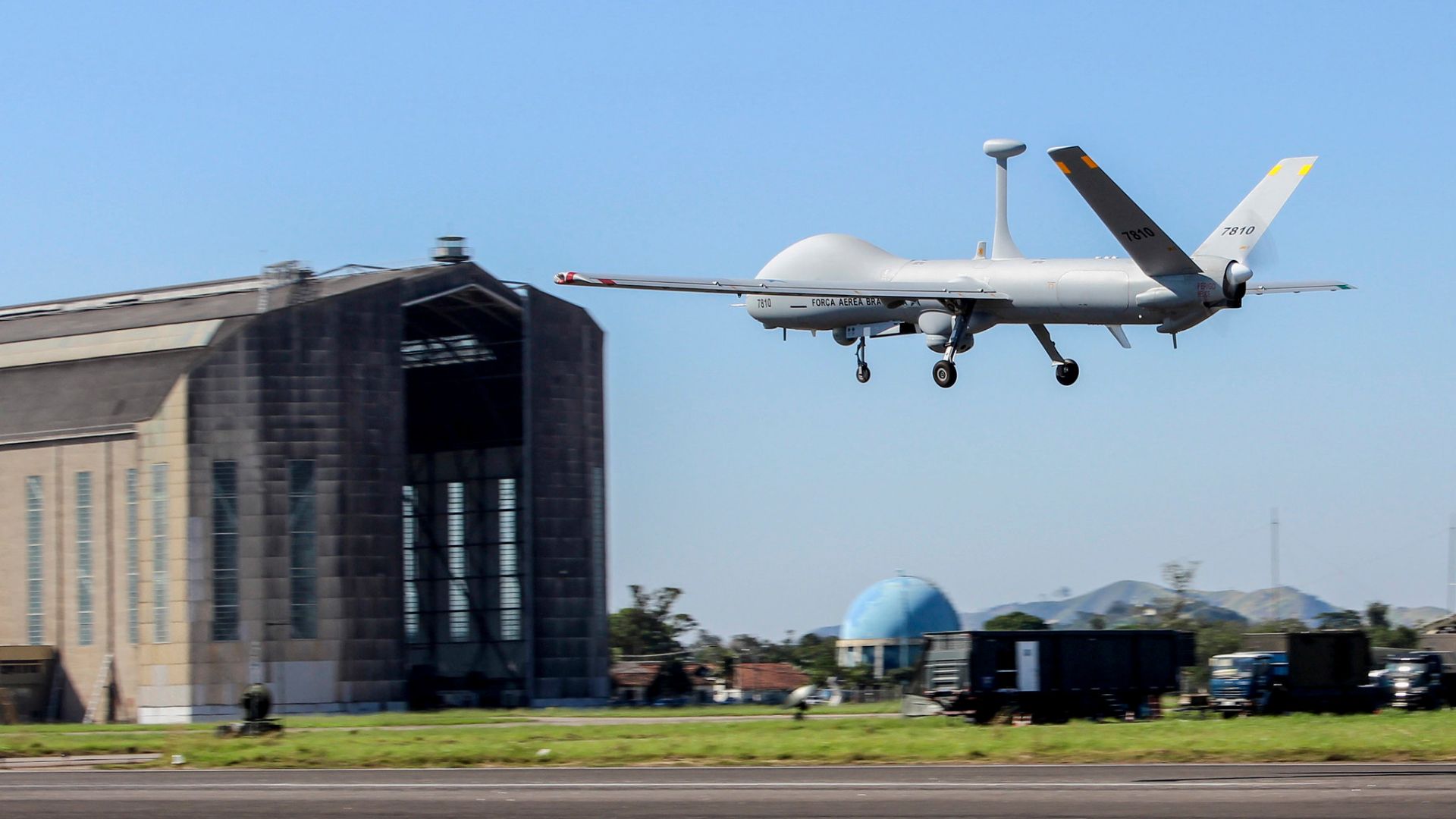
FAB loses Hermes 900 drone during multinational exercise in Mato Grosso do Sul and is left with only one active aircraft, raising concerns about operational fragility and strategic response capability.

The Gesture From The United States Can Be Interpreted As A Clear Warning That Guyana Will Not Be Alone In The Event Of An Escalation Of The Conflict. For Washington, It Also Concerns Protecting The Strategic Energy Interests Surrounding Oil Exploration In Essequibo.
The Bulldogs Squadron And The Operation In The Caribbean
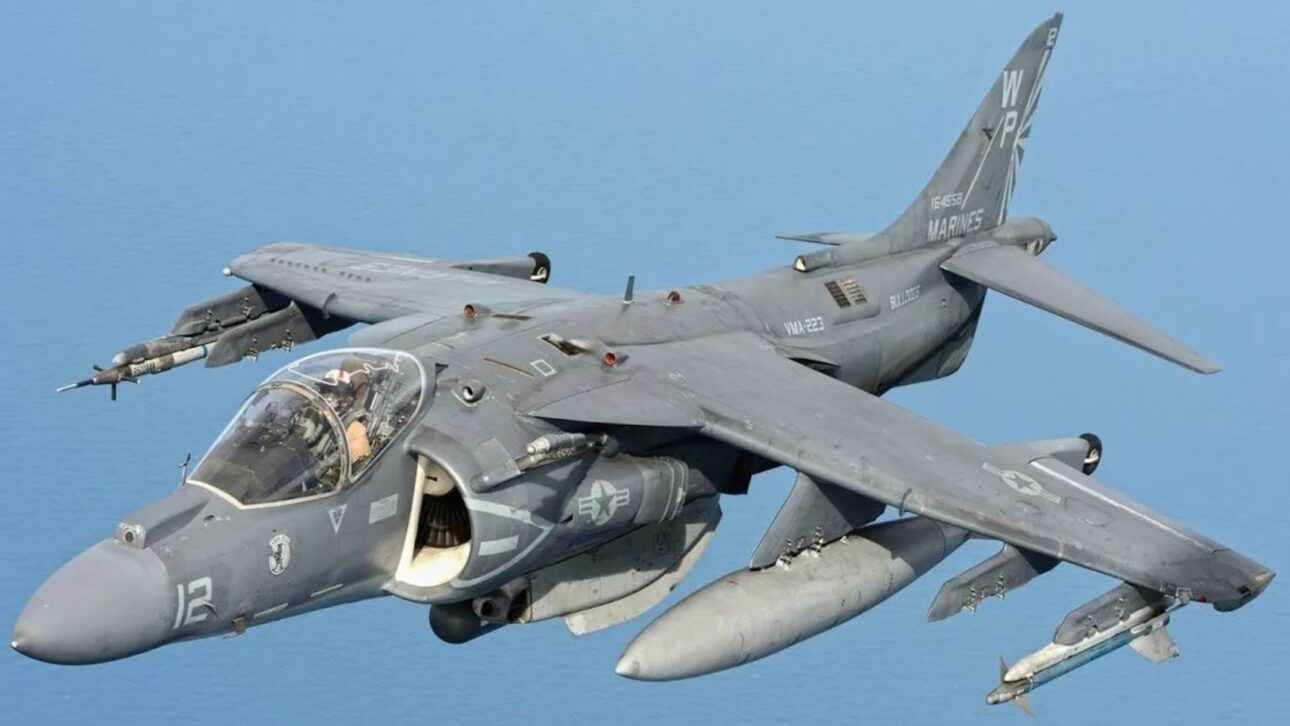
The Harrier 2s Sighted In Guyana Belong To The Bulldogs Squadron, The Last Squadron Of The U.S. Naval Aviation To Operate This Iconic Model. Globally Recognized For Its Vertical Takeoff And Landing Capability, The Jets Were Deployed On The USS Iwo Jima, An Amphibious Assault Ship Operating In The Caribbean.
According To The U.S. Government, The Movement Of The Aircraft Is Part Of A Broad Operation Aimed At Combating Drug Trafficking And Narcoterrorism In The Region. However, In Light Of The Diplomatic And Military Escalation With Caracas, The Symbolic Message Of Deterrence Has Not Gone Unnoticed.
The Geopolitical Message Behind The Flyover
Although Officially Classified As An Operation Against Drug Trafficking And Narcoterrorism, The Presence Of The Harrier 2s In Guyana Takes On Another Dimension When Analyzed Through A Geopolitical Lens. The Gesture From The United States Is A Direct Message To Venezuela, Which Insists On Claiming Essequibo, A Region Considered Strategic Not Only For Its Oil Reserves But Also For Its Symbolic Value In The Territorial Dispute.
According To An Analysis Released By The Steel Eagles Channel, The American Action Should Be Understood As Part Of A Containment Strategy Aimed At Showing That Washington Is Willing To Employ Military Power To Ensure Stability And Security In The Caribbean. This Stance Reinforces The Image Of Solidarity With Georgetown But Also Increases Diplomatic Pressure On Caracas.
Impacts On Military Aviation And The Regional Scenario
Besides Its Political Weight, The Episode Highlights The Role Of Military Aviation As A Strategic Intimidation Tool. The Use Of The Harrier 2, With Its Unique Vertical Takeoff And Landing Capability, Symbolizes The Operational Flexibility Of The U.S. Armed Forces.
This Type Of Operation, According To Experts, Tends To Repeat Itself If Venezuela Advances With More Aggressive Measures. At The Same Time, The Movement Strengthens The Perception That The Caribbean Will Be The Stage For A Prolonged Dispute, Involving Not Only Territorial Issues But Also Global Energy Interests.
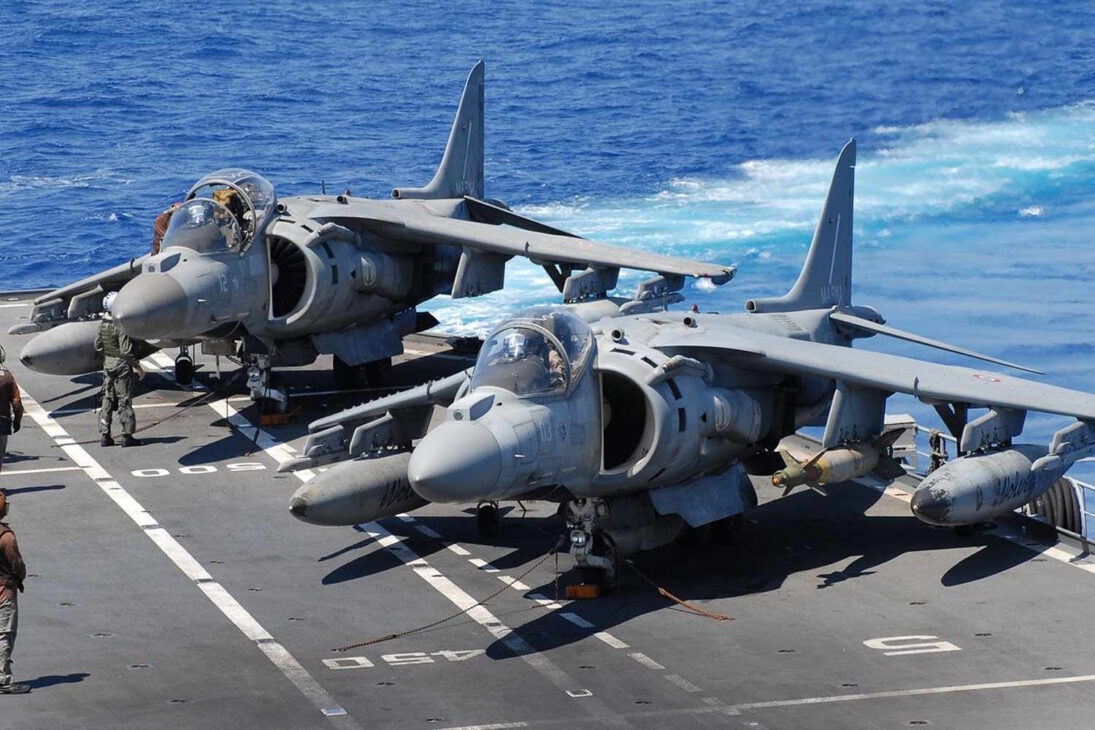
A Board In Constant Motion
The Flyover Of The AV-8B Harrier 2 Jets Armed With AIM-120 Missiles, Operating From The USS Iwo Jima, Marked More Than The Inauguration Of A President. It Represented A Clear And Direct Message: The United States Is Attentive To The Crisis In Essequibo And Will Not Hesitate To Support Guyana In The Face Of Venezuelan Pressures.
In This Way, Military Aviation Has Once Again Solidified Its Role As A Key Player In Territorial And Energy Disputes, Inserting Guyana Into An Increasingly Complex Geopolitical Board. As Highlighted By The Steel Eagles Channel, The Region Will Remain Under Intense Surveillance, With The Caribbean Assuming A Central Role In The Security Of The Americas.






-

Uma pessoa reagiu a isso.